Leprechaun
Introduction
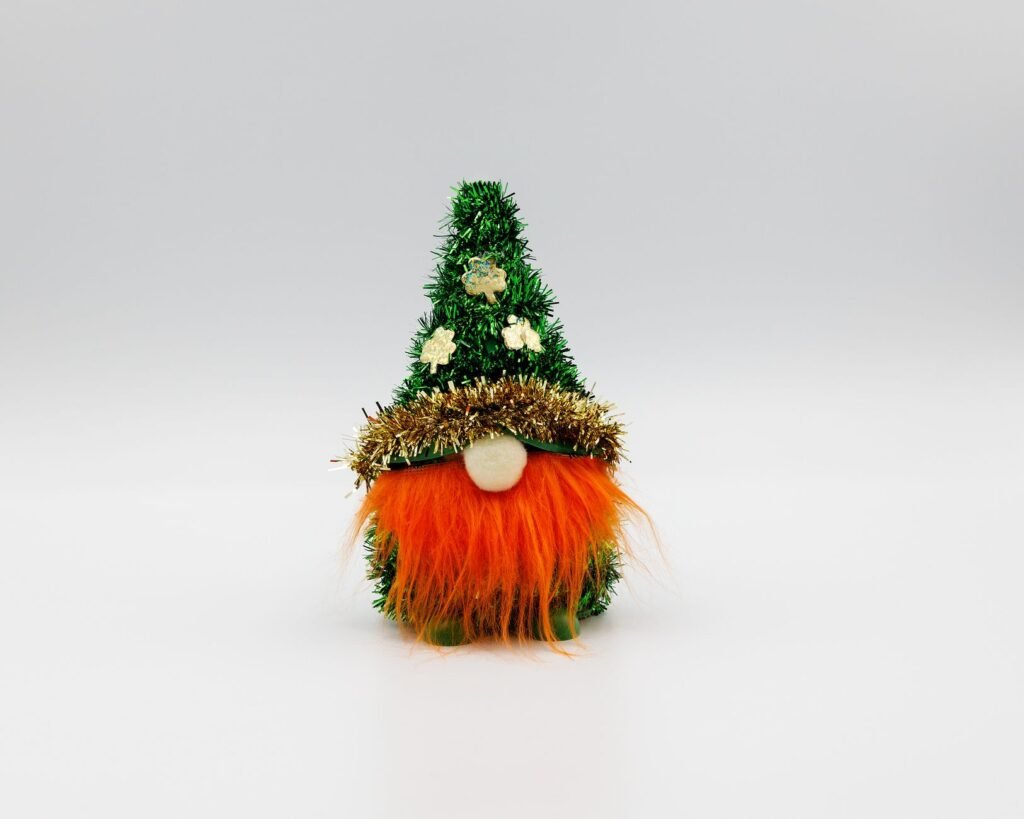
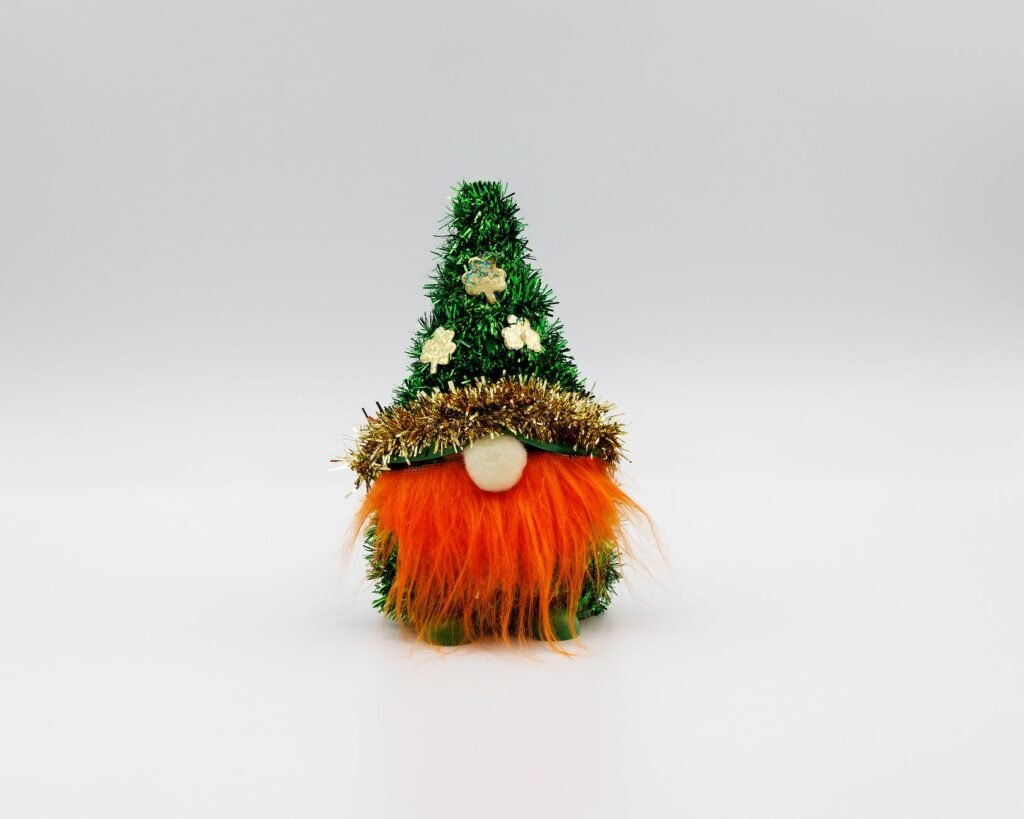
The leprechaun is one of the best-known figures in Irish folklore, widely recognized today as a small, solitary supernatural being associated with mischief, hidden treasure, and protective magic. Although modern popular culture often depicts the leprechaun as a cheerful green-clad mascot, the traditional folkloric figure is more complex: he is a type of fairy or aos sí character, usually male, often old, and frequently portrayed as a shoemaker who guards a pot of gold.
Leprechauns are important because they illustrate how Irish oral tradition, mythic imagination, and later cultural reinvention have interacted over time. They appear in folktales, literary retellings, tourism, advertising, and global entertainment, making them one of the most internationally recognized symbols associated with Ireland.
Origin and Meaning
The word leprechaun comes from Irish Gaelic, but its exact etymology is not completely settled. The most commonly cited explanation connects it to the Irish terms leipreachán or luchorpán, the latter meaning “small body” and sometimes linked to early medieval references to water spirits or miniature beings. Other scholarly proposals trace the word through forms such as luchramán or related regional variants. Because the name changed across dialects and centuries, no single origin is universally accepted.
The term appears in English-language sources from around the early modern period, but the character itself belongs to a much older Gaelic folkloric world. In traditional Irish storytelling, leprechauns are not generic “elves” in the modern fantasy sense. They belong to the broader category of fairy beings and are tied to local beliefs about invisible or semi-visible supernatural communities that live alongside human society.
Historical Context
Leprechauns emerge from the deep reservoir of Irish vernacular tradition, shaped by centuries of oral storytelling, rural belief, and interaction between Christian and pre-Christian worldviews. In Irish folklore, fairies were not merely imaginary creatures for children; they were part of an understood spiritual landscape that could explain luck, misfortune, illness, wealth, and encounters in isolated places.
Several historical factors influenced the leprechaun tradition:
- Gaelic oral culture preserved tales of fairies, tricksters, and hidden wealth.
- Christianization did not eliminate older supernatural beliefs but often reinterpreted them.
- Rural social life encouraged stories about roadside encounters, solitary workers, and hidden treasure.
- Early modern and Victorian literary interest transformed local folklore into printed narrative.
- National and commercial symbolism later turned the leprechaun into an emblem of Irish identity and Irish diaspora culture.
In older folklore, the leprechaun was often feared, respected, or approached with caution. He was not primarily a friendly symbol but a potentially dangerous and cunning being who could grant wealth, if one could outwit him. The widespread modern image of the leprechaun as cute, jolly, and harmless is largely a later development.
Main Characteristics
Traditional accounts present the leprechaun as a small male fairy, usually solitary and industrious. He is often described as wearing old-fashioned clothing, especially a coat, apron, and hat. Many later depictions dress him in green, but older traditions do not consistently emphasize green as his original color.
Typical traits
- Male gender
- Small stature
- Solitary habits
- Shoemaking or cobbling
- Guile, trickery, and wit
- Possession of treasure, especially gold
- Association with hidden places and liminal spaces
A common folktale theme portrays the leprechaun as a cobbler making shoes for other fairies. The sound of hammering or tapping may reveal his presence. He is also famous for hiding a pot of gold, usually at the end of a rainbow in later popular retellings. Traditional folklore, however, places more emphasis on the leprechaun’s deceptive nature and secret hoards than on rainbows specifically.
Leprechauns are generally considered difficult to capture, and once caught, they may bargain for their freedom. Stories often center on a human trying to force the leprechaun to reveal the location of his treasure. These narratives highlight both the creature’s cleverness and the moral warning against greed.
Family and Genealogy
Unlike gods in structured pantheons, leprechauns do not belong to a standardized family tree. Folklore about them varies by region and storyteller, and many sources present them as single, independent figures rather than members of a close-knit divine family.
What traditions suggest
- Leprechauns are sometimes described as part of the fairy world or aos sí.
- They may be associated with other fairy types, including household spirits and solitary sprites.
- Some regional stories link them to broader supernatural lineages, but these are not consistent across sources.
- There is no universally accepted parentage, spouse, or offspring tradition comparable to mythic figures from classical or organized religious systems.
Because of this, any detailed genealogy should be treated cautiously. In the leprechaun tradition, personality and behavior matter far more than ancestry.
Symbols
The leprechaun has accumulated a set of symbolic associations, some traditional and others modern.
| Symbol | Meaning | Notes |
|---|---|---|
| Shoemaker’s tools | Craft, labor, skill | Traditional occupation in folklore |
| Pot of gold | Hidden wealth, luck, temptation | More prominent in later retellings |
| Green clothing | Ireland, spring, festivity | Strongly modern and commercialized |
| Hat | Identity, disguise, fairy status | Often shown in popular art |
| Buckles | Folkloric costume styling | Largely modern visual convention |
| Rainbow | Elusive wealth, unreachable fortune | Mostly a later popular association |
In older folklore, the most meaningful symbols are the shoes and tools of the cobbler and the hidden treasure that represents the challenge of securing supernatural wealth. The modern visual language of green suits, shamrocks, and gold coins is closely tied to St. Patrick’s Day imagery and tourism.
Sacred Animals
Leprechauns are not usually linked to a formal set of sacred animals in the way some gods or goddesses are. However, folklore and later interpretations occasionally associate them with animals that symbolize cunning, secrecy, or woodland life.
Common associations in folklore and interpretation
- Hare or rabbit: sometimes linked with elusive fairy movement and speed
- Fox: symbolizes cleverness and trickery
- Domestic pets, especially cats, in some later imaginative retellings
- Birds: used in broader fairy symbolism, though not specifically central to leprechaun lore
These associations are interpretive rather than canonical. The best-attested traditional connection is not to a sacred animal but to the natural, hidden, and liminal countryside where fairies were believed to dwell.
Sacred Plants
There is no universally recognized sacred plant specifically tied to leprechauns in the historical record. That said, several plants became strongly associated with Irish identity and later with leprechaun imagery.
Important plants in modern and folkloric association
- Shamrock: a symbol of Ireland and St. Patrick’s Day, often placed in leprechaun imagery
- Clover: especially four-leaf clovers in popular culture, linked to luck
- Hawthorn: important in Irish fairy lore more broadly, though not unique to leprechauns
- Rowan: traditionally protective in Irish folk belief and associated with fairies in general
The connection between leprechauns and these plants is often indirect. They belong more broadly to Irish fairy symbolism, where specific trees and plants could mark sacred or dangerous places. Hawthorn, in particular, was widely respected in Irish tradition as a tree associated with fairy presence.
Sacred Places
Leprechauns are most often connected to hidden, marginal, or rural places rather than grand temples or sacred cities. Their world is the landscape of memory, path, hedge, field, and hill.
Commonly associated locations
- Fairy forts: ancient earthen ringforts believed to be inhabited by fairies
- Hedgerows and fields: places of concealment and sudden encounters
- Roadsides: settings for accidental glimpses
- Hills and mounds: part of the broader fairy landscape
- Remote rural areas: where supernatural encounters were most commonly imagined
In Irish tradition, many fairy beings are linked to prehistoric earthworks or ancient mounds. Leprechauns are not always tied to one fixed location, but they belong to that same world of liminal spaces where the human and supernatural realms overlap.
Powers and Attributes
The leprechaun is not usually a grand cosmic being with universal powers. Instead, his abilities are more localized and folkloric.
Main powers and attributes
- Invisibility or concealment: he can often evade human pursuit
- Transformation by trickery: some stories suggest deceptive appearances
- Control of hidden wealth: especially gold or valuables
- Expert craftsmanship: especially as a shoemaker
- Clever bargaining: he may negotiate cleverly when captured
- Illusory abundance: treasure may vanish if the human fails to keep watch
The leprechaun’s role is less about supernatural dominion and more about testing human greed and attentiveness. Folk stories often end with the person losing the treasure because of distraction, arrogance, or failure to maintain eye contact. In this sense, the leprechaun functions as a moral trickster.
Main Myths
Leprechaun stories vary widely, but certain narrative patterns recur across Irish folklore and later literary adaptation.
1. The captured leprechaun and the hidden gold
A common tale tells of a person who catches a leprechaun and forces him to reveal where his treasure is buried. The leprechaun promises wealth, but the human must keep a constant watch or mark the spot carefully. If the watcher is distracted, the leprechaun uses his cunning to escape and conceal the treasure again.
2. The shoemaker in the field
Another recurring motif presents the leprechaun as a tiny cobbler at work on a shoe. The sound of his hammer gives him away. The cobbling detail may reflect the importance of shoes as valuable everyday goods in rural life, while also giving the figure a recognizable craft identity.
3. The deceptive bargain
Many stories focus on the leprechaun’s skill in bargaining. He may offer a reward in exchange for release, but he almost always tries to outsmart the human. These stories celebrate wit, caution, and the dangers of greed.
4. The disappearing fortune
Later folklore and popular versions add the idea that the leprechaun’s gold lies at the end of a rainbow. In older traditions, however, the treasure is usually hidden in the ground, in a private place, or in a fairy storehouse. The rainbow motif is a modern simplification rather than an ancient constant.
Relationship with Other Mythological Figures
Leprechauns belong to the wider Irish fairy tradition and should be understood in relation to other supernatural beings rather than as isolated creatures.
Connections and contrasts
- Aos sí / fairies: Leprechauns are often classified within the fairy world.
- Clurichaun: sometimes confused with the leprechaun; this figure is usually more connected with drinking and household mischief. Some sources treat them as related or overlapping, while others distinguish them clearly.
- Banshee: another famous Irish supernatural being, but very different in function; the banshee is associated with death omens, not treasure or craftsmanship.
- Púca: a shape-shifting trickster spirit that shares the leprechaun’s mischievous dimension, though its form and behavior differ.
- Human figures: especially greedy treasure-seekers, travelers, and farmers, who are often fooled or tested by leprechauns.
Leprechauns are best understood not as rulers of a mythic hierarchy, but as one expression of a diverse fairy ecology in Irish tradition.
Worship and Cult
There is no historical evidence of formal worship of leprechauns as deities. They are folklore beings, not gods in the strict religious sense. Therefore, the category of cult, temple ritual, or sacrificial worship does not apply in the usual manner.
Instead, tradition includes:
- Storytelling and oral transmission
- Respectful avoidance of fairy places
- Protective customs around rings, mounds, hawthorn trees, and old forts
- Belief in luck, warning signs, and omens
- Practical caution when traveling alone or disturbing natural sites
In traditional Irish belief, the proper response to fairies was often not worship but respectful distance. One did not treat their places lightly. This caution formed part of everyday folk practice and rural superstition, especially in earlier centuries.
Ancient Sources
Because leprechauns are a folk tradition rather than a classical mythological figure, they do not appear in Greek or Roman epic sources such as Homer or Hesiod. However, several Irish and later literary sources are important for understanding their development.
Relevant source traditions
- Irish folklore collections: 19th-century collectors preserved oral tales about leprechauns and related fairies.
- Early Irish manuscripts and medieval lore: these are more relevant to the broader fairy world than to the exact modern leprechaun image.
- W. B. Yeats: wrote extensively on Irish fairy lore and helped shape literary interest in such beings.
- Lady Gregory: collected and retold Irish folklore, including fairy traditions.
- Thomas Crofton Croker: an important collector of Irish legends in the 19th century.
A critical point is that many familiar details of the modern leprechaun image come from later folkloric compilation and literary adaptation, not from a single ancient text. This means accounts vary, and one should avoid treating any one version as definitive.
Roman Equivalent
There is no exact Roman equivalent to the leprechaun. Roman religion did include household and nature spirits, such as the Lares, Penates, and various local numina, but these are not direct matches.
If a broad comparison is necessary, the leprechaun resembles a Roman rustic or domestic spirit only in the sense that both traditions include beings connected to place, protection, and everyday life. However, the leprechaun’s core identity as a mischievous fairy shoemaker with hidden treasure is distinctly Irish and does not have a true Roman counterpart.
Influence on Modern Culture
The leprechaun has had enormous influence on modern culture, far beyond Ireland itself. In the modern imagination, he has become an instantly recognizable symbol of Irishness, luck, and fantasy.
Literature and folklore studies
Irish writers and collectors helped preserve and reshape the figure. Folklore scholarship also turned the leprechaun into a subject of academic interest, particularly in discussions of fairy belief, oral tradition, and national identity.
Advertising and branding
Leprechauns have been widely used in:
- cereal mascots
- beer and pub advertising
- tourism campaigns
- sports imagery
- St. Patrick’s Day merchandise
This commercial use has often simplified the figure into a cheerful, leprechaun-shaped emblem of “Irishness,” sometimes in ways that reinforce stereotypes.
Film, television, and games
The leprechaun appears in a broad range of modern media:
- fantasy films and animated features
- television specials and holiday programming
- video games featuring luck, gold, or Irish-themed characters
- horror and comedy franchises that reimagine the figure in exaggerated form
The character has also entered global popular culture through the association with St. Patrick’s Day, green clothing, lucky charms, and hidden gold. In many contexts, the leprechaun has become detached from its folkloric roots and transformed into a generic fantasy trope.
Curiosities
- The modern idea that leprechauns always wear bright green is not fully traditional and became much more prominent in later popular imagery.
- In older stories, a leprechaun is often less “cute” and more wary, cunning, and difficult to trust.
- Leprechauns are frequently portrayed as shoemakers, a detail that helps distinguish them from other fairy beings.
- The rainbow-and-gold image is more modern than ancient, and it should not be treated as the oldest folkloric form.
- Some regional traditions blur the line between leprechaun and clurichaun, showing how fluid fairy categories can be.
- The figure became especially influential outside Ireland through diaspora identity, holiday marketing, and fantasy literature.
- The leprechaun’s popularity has sometimes overshadowed the richness of Irish folklore, which includes many other spirits, heroes, and supernatural beings.
Frequently Asked Questions
What is a leprechaun?
A leprechaun is a figure from Irish folklore, usually described as a small male fairy, often a shoemaker, associated with hidden treasure, trickery, and luck.
Are leprechauns real in Irish tradition?
They are real as figures of folklore and traditional belief, but they are not real in the scientific sense. They belong to myth, legend, and oral tradition.
Do leprechauns really have pots of gold?
The idea of a pot of gold is a widespread modern image, but traditional stories focus more on hidden treasure and trickery than on a fixed pot at the end of a rainbow.
Why are leprechauns associated with green?
Green became strongly associated with Irish identity, St. Patrick’s Day, and later commercial imagery. Older folklore does not always emphasize green as the defining color.
What do leprechauns do?
In folklore, they often make shoes, guard treasure, and use their cleverness to outwit humans. They are usually solitary rather than social.
Are leprechauns good or bad?
They are neither purely good nor purely evil. They are trickster figures: helpful in some stories, deceptive in others, and always unpredictable.
What is the difference between a leprechaun and a fairy?
A leprechaun is one kind of fairy or fairy-like being in Irish tradition. The term “fairy” is broader and includes many other supernatural figures.
Why are leprechauns important?
They are important because they preserve a part of Irish folkloric heritage and have become a global symbol of Ireland, though often in simplified form.
Conclusion
The leprechaun is a distinctive figure of Irish folklore whose significance lies in both tradition and transformation. In older narratives, he is a solitary fairy shoemaker, a guardian of hidden treasure, and a clever trickster who tests human greed. In modern culture, he has become a global icon, especially through St. Patrick’s Day imagery, tourism, and popular entertainment.
Understanding the leprechaun requires distinguishing between folkloric tradition and later commercial mythmaking. The historical figure is more nuanced, more local, and more unpredictable than the cheerful mascot familiar today. As a result, the leprechaun remains a valuable example of how oral tradition can evolve into international cultural symbolism while still preserving traces of its original roots.

Orin Vale has spent the better part of two decades tracing the threads that connect the world’s oldest stories — from the halls of Asgard to the banks of the Nile, from Olympus to the jungles of the Maya. What began as a childhood fascination with flood myths and trickster gods grew into years of independent study across comparative mythology and ancient religion, always chasing the same question: what did these stories mean to the people who first told them? Orin writes for readers who want more than trivia — the ones looking for the beliefs, fears, and truths that myths were built to carry.