mythological figures
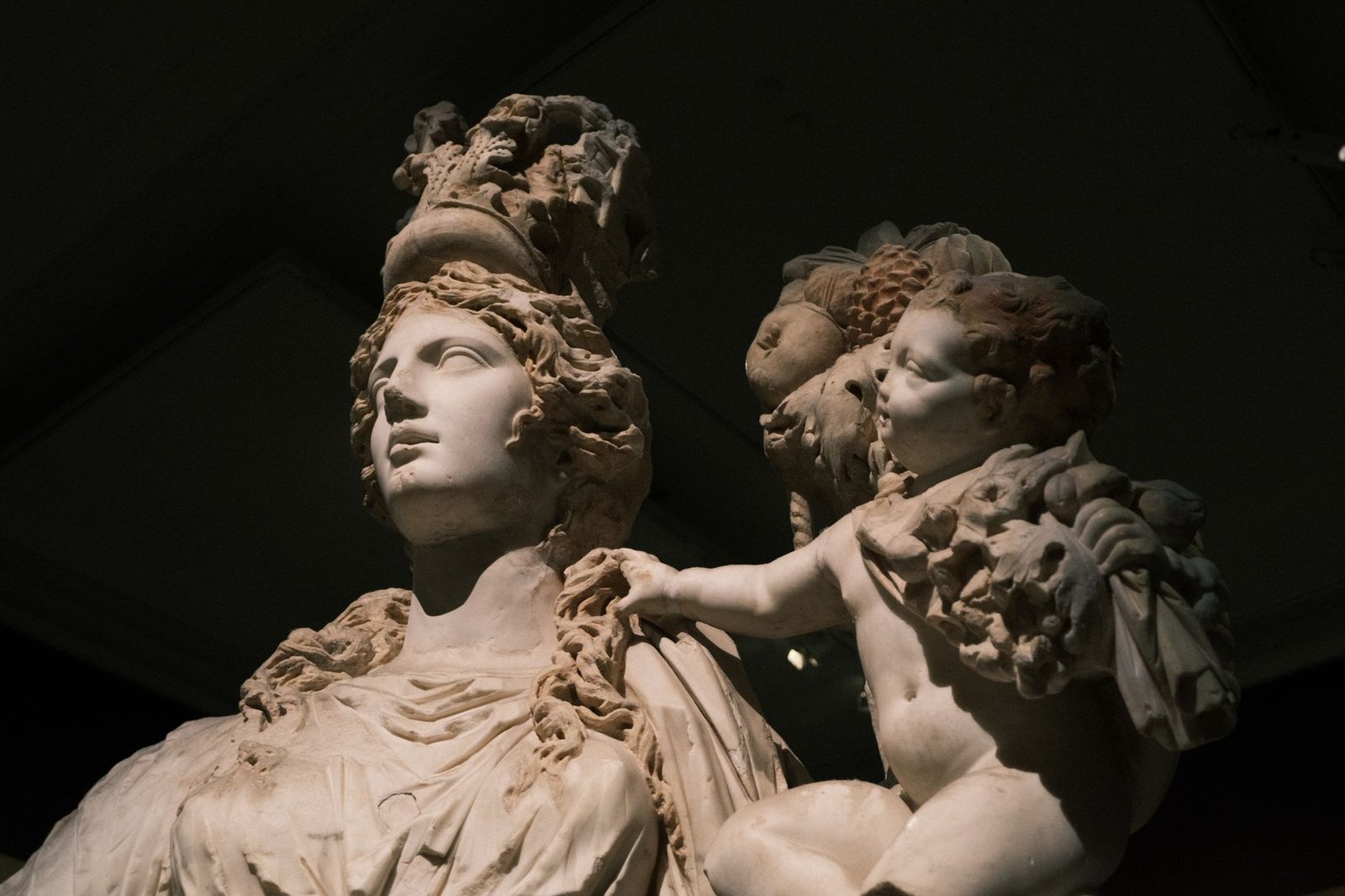
Bellona: Roman Goddess of War and Mythology
Bellona is the ancient Roman goddess of war, associated with battle, military fury, and the violent force that accompanied conquest in Roman religion and politics. Her name, linked to *bellum*, reflects a complex history of Italic tradition, cult practice, and later symbolism that reveals how Romans understood war itself.
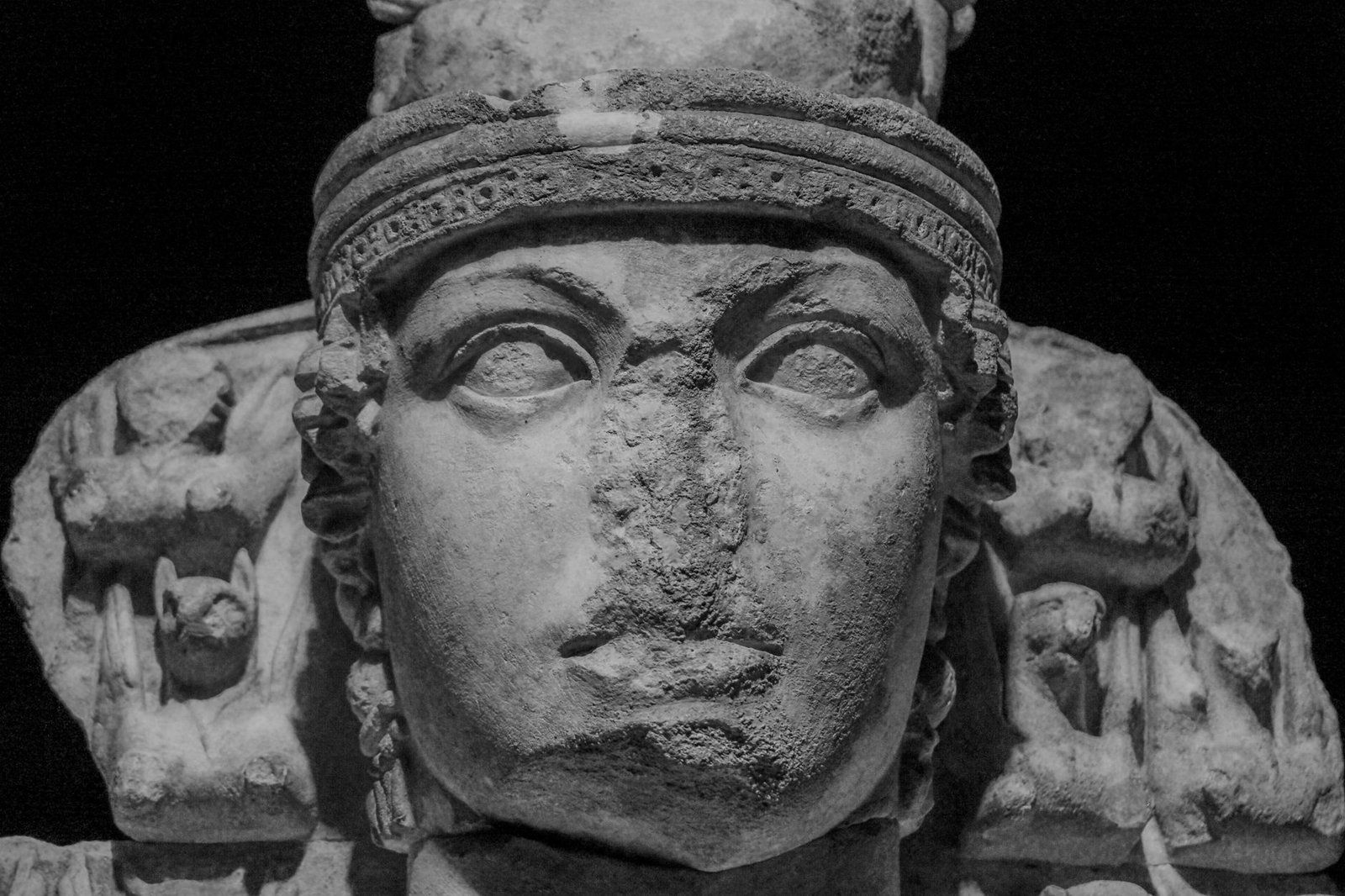
Vesta: Roman Goddess of the Hearth and Home
Vesta was the Roman goddess of the hearth, the home, and the sacred fire, embodying the continuity that linked domestic life with the stability of the state. This article explores her ancient cult, the revered Vestal Virgins, and the ways Vesta’s ritual presence shaped Roman religion, offering insight into a deity whose quiet significance reveals much about public and private piety in Rome.
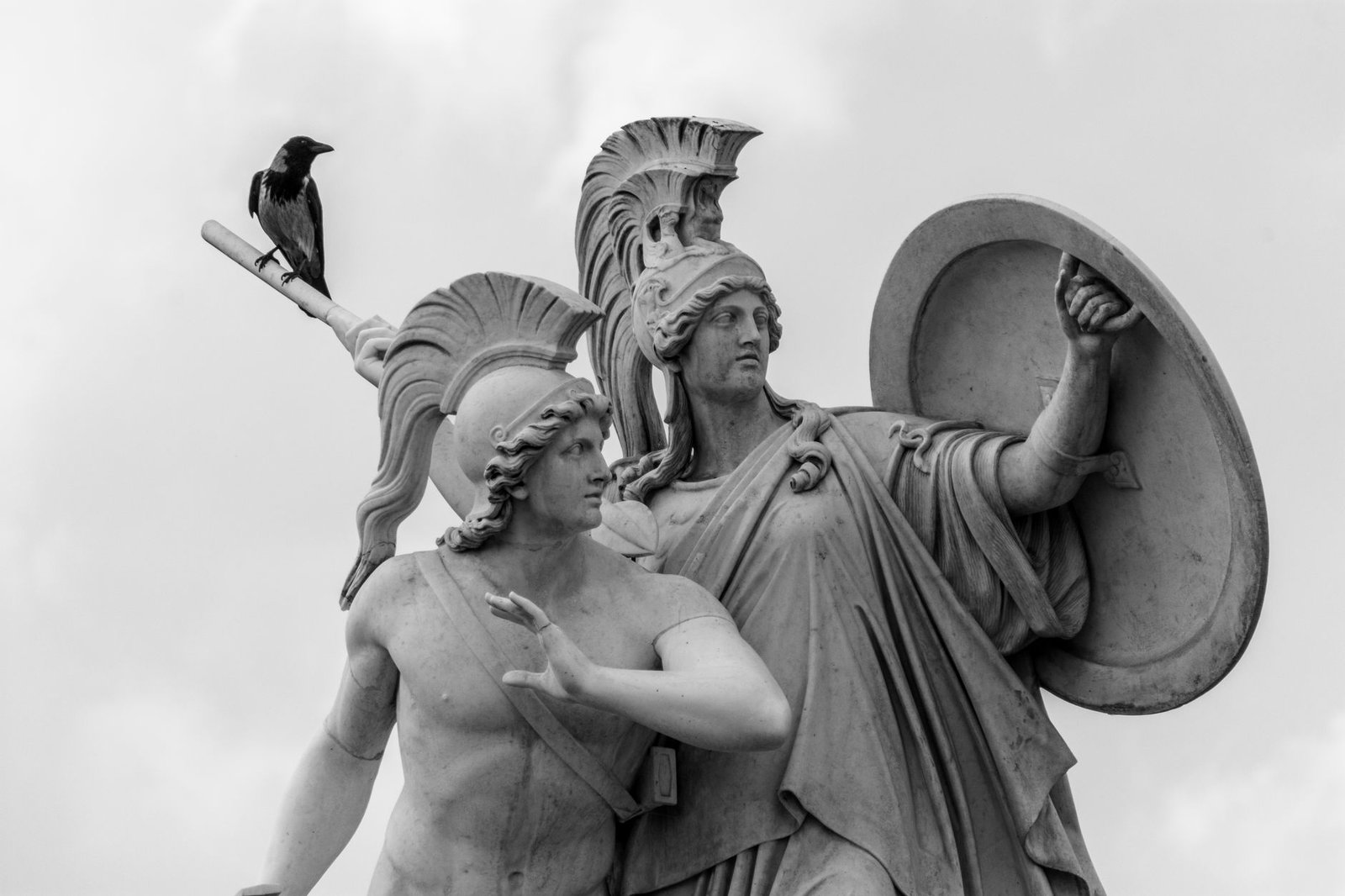
Apollo: Greek God of Music, Poetry, and Sun
Apollo is one of the most enduring figures in Greco-Roman mythology, revered as the god of prophecy, music, healing, and archery. His cult at Delphi and Delos, along with his complex role as both benefactor and punisher, reveals why Apollo remained a powerful symbol of order, harmony, and divine authority across ancient and later Western culture.
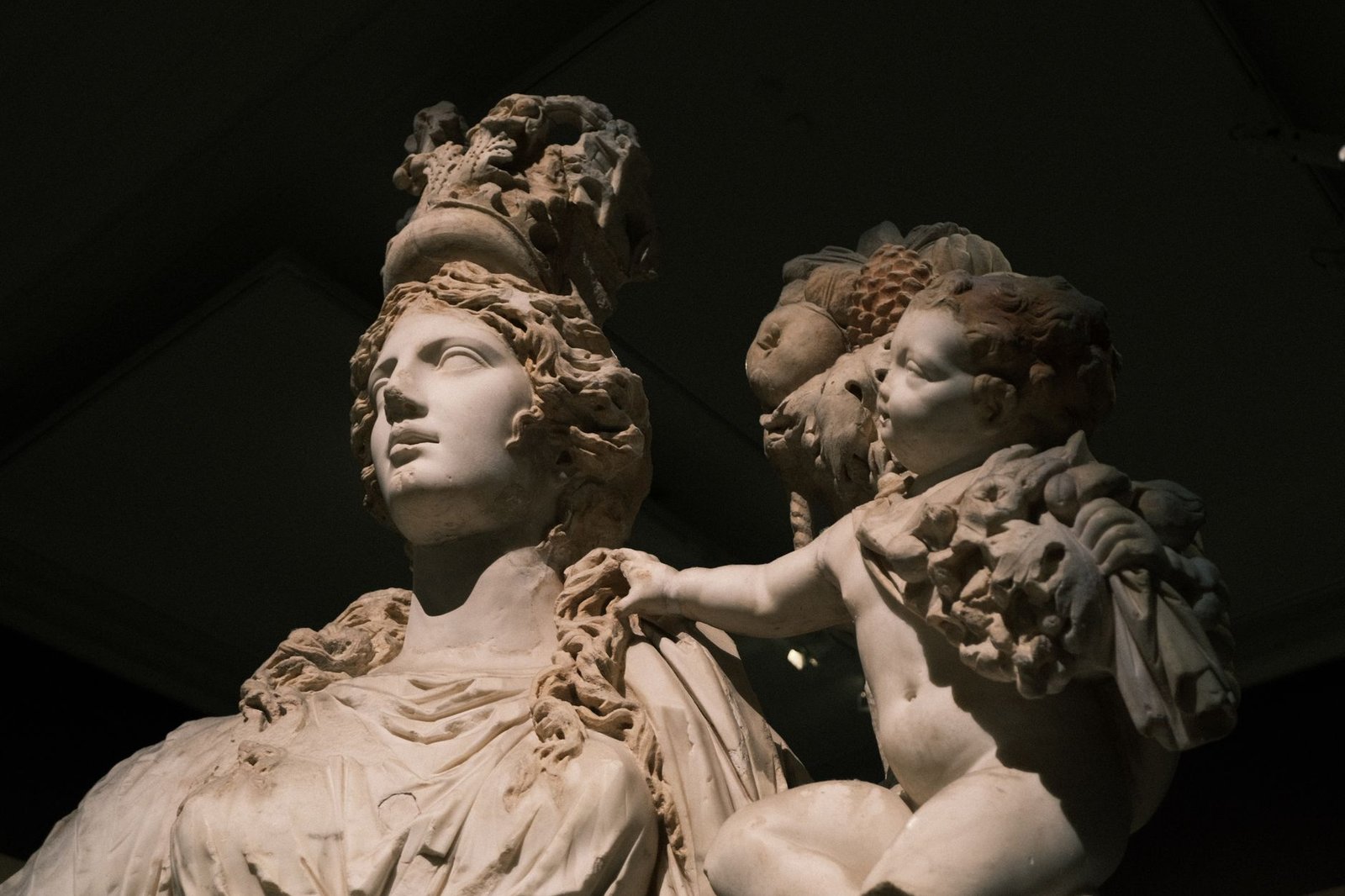
Aurora: Definition, Causes, and Types Explained
Aurora is the Roman goddess of dawn, the divine personification of the first light that ends night and announces the day. Rooted in ancient Indo-European tradition and mirrored by Greek Eos, she appears throughout classical poetry, art, and myth as a symbol of renewal—yet her story reveals far more than a simple morning image.
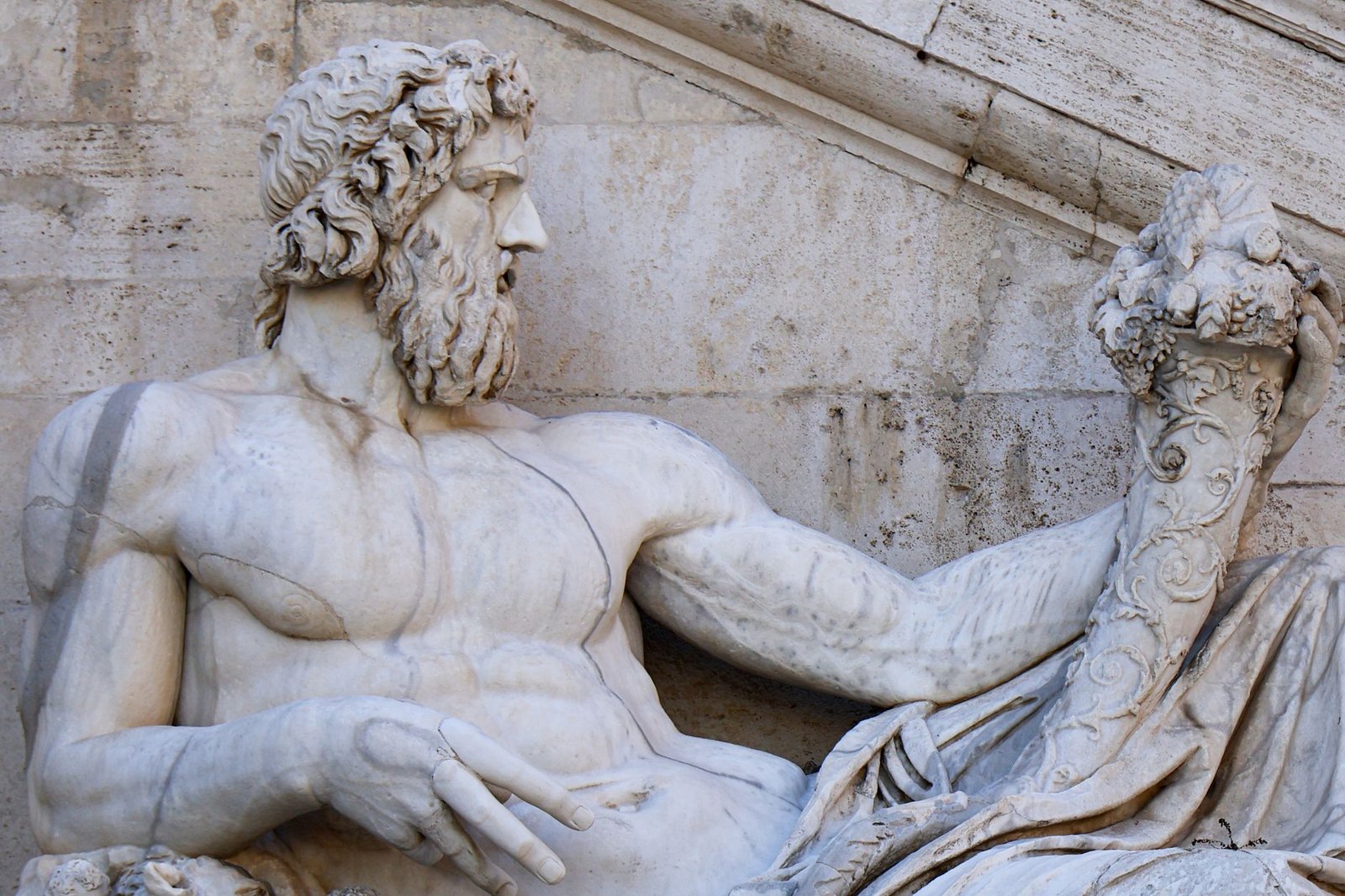
Saturn (Roman God): Roman Mythology and Agriculture
Saturn, the Roman god of agriculture, wealth, and time, stood at the center of some of Rome’s oldest religious traditions and its memory of a Golden Age of abundance. Often linked with Cronus yet rooted in Italian belief, Saturn’s cult, festivals, and uncertain origins reveal a deity far richer than later summaries suggest.
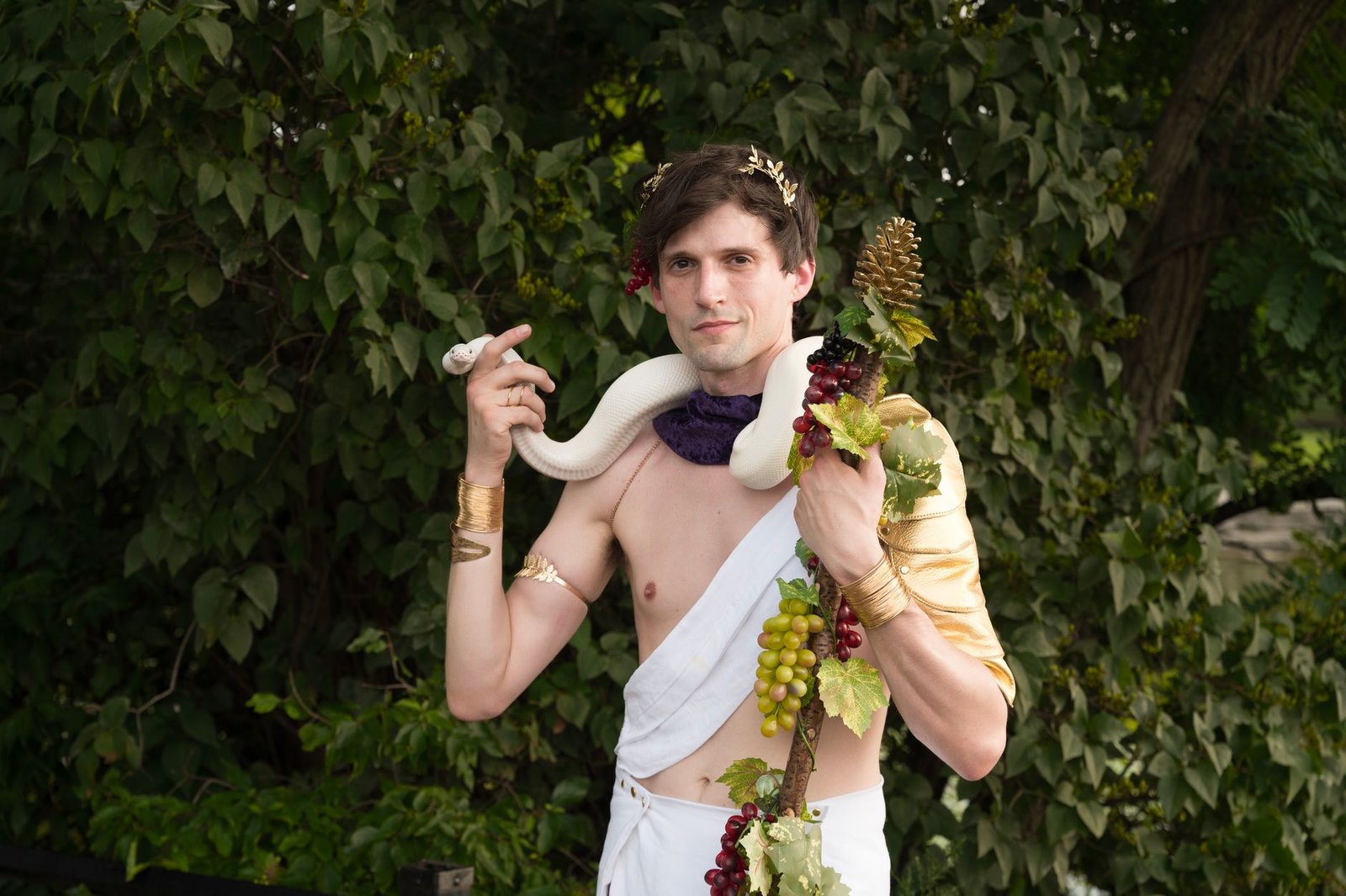
Bacchus: Roman God of Wine and Celebration
Bacchus, the Roman god of wine, ecstasy, fertility, and theatrical release, stands at the crossroads of celebration and restraint in ancient religion. This article traces his Greek origins, Roman adaptation, and enduring influence in art and culture, revealing why Bacchus remains a powerful symbol of both pleasure and peril.

The Twelve Dii Consentes: Roman Gods and Goddesses
The Twelve Dii Consentes were the principal gods of Roman religion, a prestigious council of twelve deities broadly aligned with the Greek Olympians but shaped by Roman custom and political life. This article traces their origin, meaning, and changing composition, showing how these gods reflected Roman ideas of divine order, public worship, and cultural adaptation.
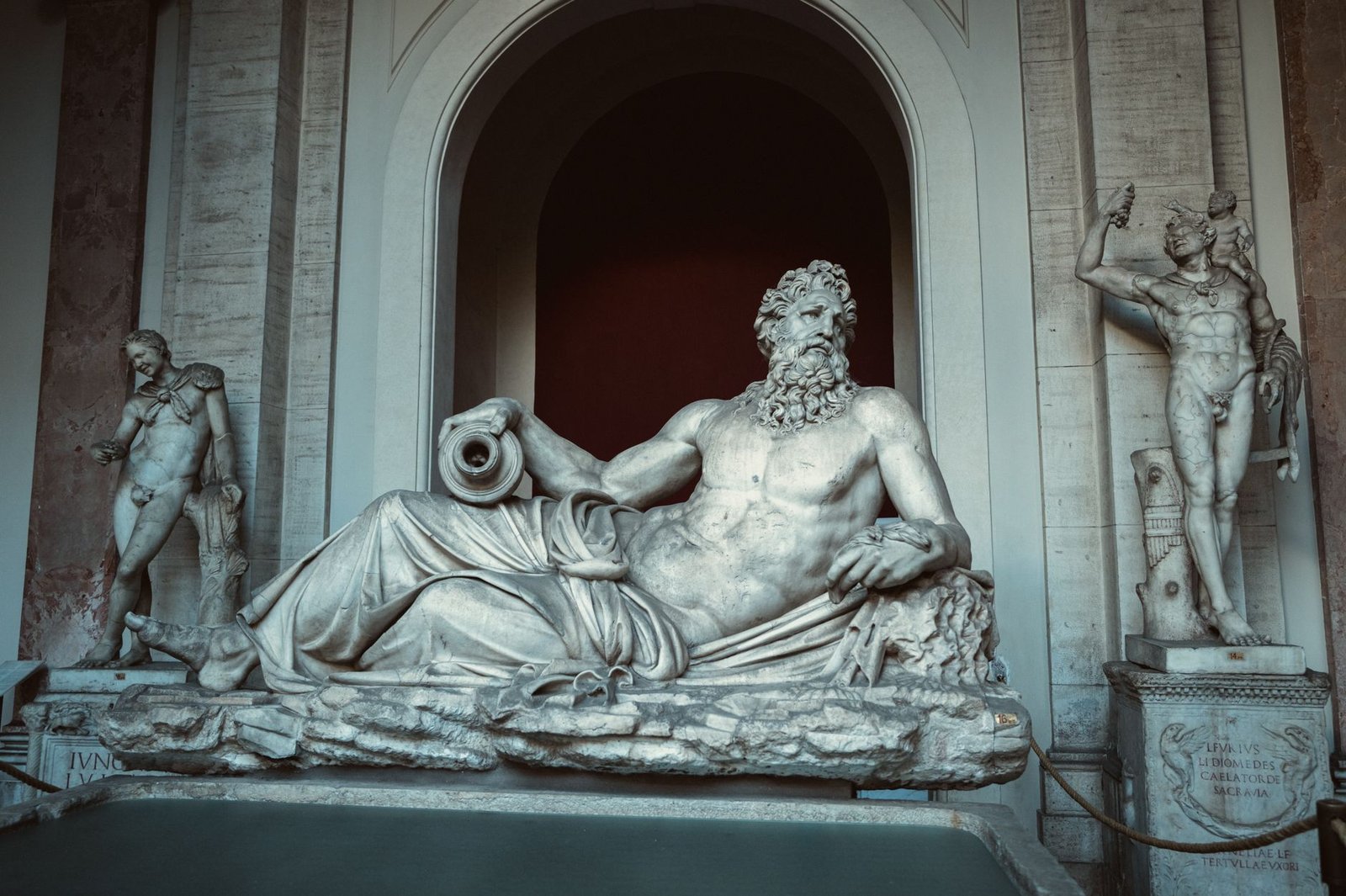
Roman vs Greek Gods: Key Differences Explained
The difference between Roman and Greek gods lies not only in their names but also in the religions that shaped them, from Greek city-state traditions to Rome’s highly organized civic cult. Although many deities were closely matched, their origins, functions, and cultural meanings reveal important distinctions that continue to intrigue historians and readers alike.

Delphi Tripod: Ancient Greek Oracle Symbol and Artifact
The Delphi Tripod was a sacred three-legged object central to the sanctuary of Apollo at Delphi, where it symbolized prophecy, divine authority, and the ritual setting of the Oracle. Exploring its origins, religious meaning, and appearances in myth and art reveals how a practical vessel stand became one of the most enduring emblems of ancient Greek religion.
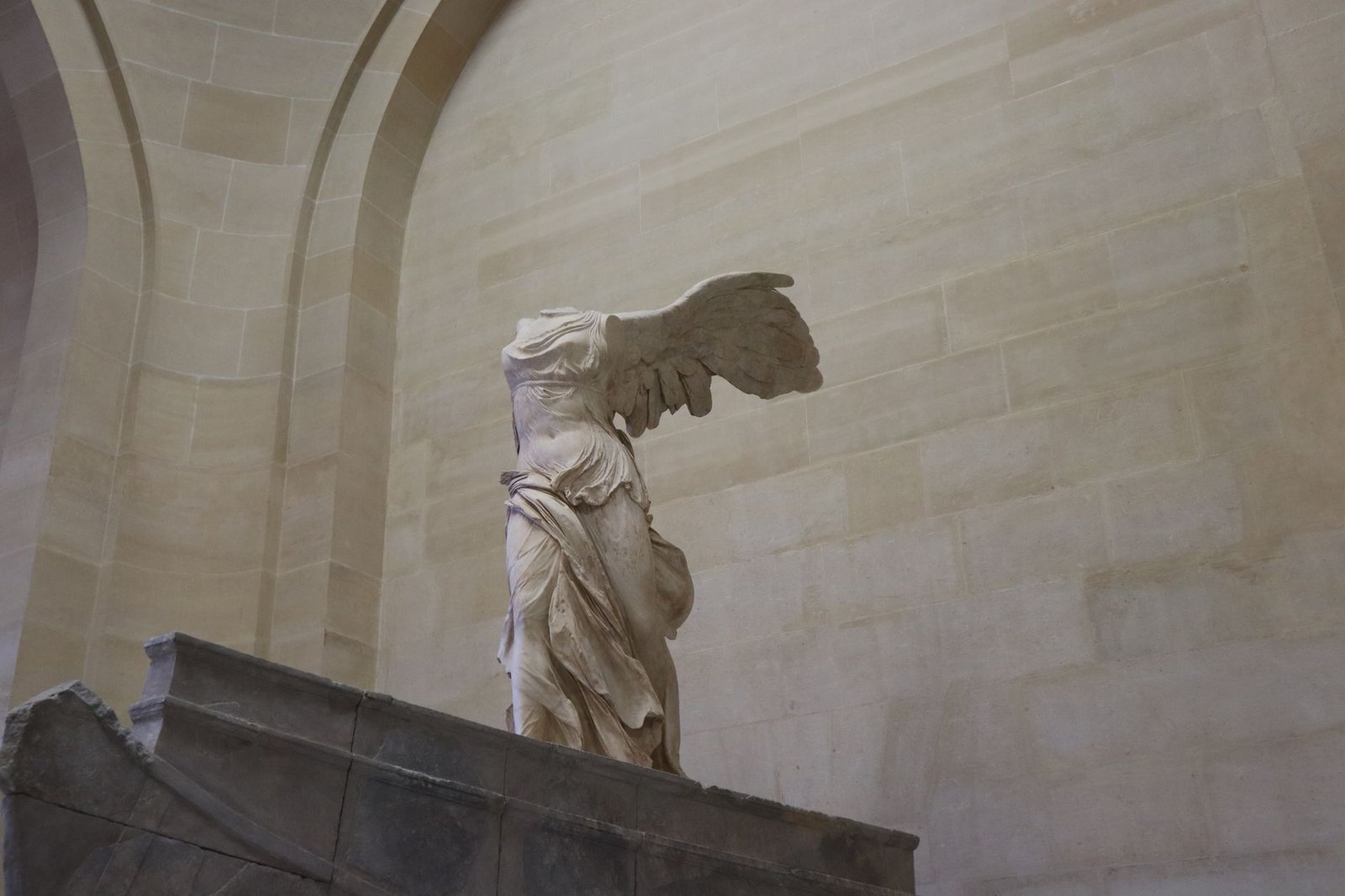
Nike’s Wings: Meaning, History, and Symbolism
Nike’s wings are a defining feature of Greek mythology and classical art, marking the goddess of victory as a swift, divine presence rather than a distant Olympian. They symbolize triumph, fleeting fortune, and heavenly favor, and their enduring image in sculpture, coinage, and literature invites a closer look at how victory was imagined in antiquity.