mythological figures

Adonis and Aphrodite: Myth and Love Story Explained
Adonis and Aphrodite are central figures in Greco-Roman mythology, telling a story of love, beauty, mortal fragility, and the changing seasons. Rooted in older Near Eastern traditions and reshaped in Greek culture, their myth reveals ancient ideas about fertility, death, and renewal while inviting closer study of its religious and artistic legacy.

Phaethon and the Sun Chariot: Greek Myth Explained
Phaethon and the sun chariot is a foundational Greek myth about a young man who seeks to prove his divine heritage by driving the Sun’s chariot, only to lose control and endanger the world. Ancient sources, especially Ovid, turn this episode into a rich meditation on ambition, cosmic order, and the consequences of exceeding human limits, making the story far more complex than a simple cautionary tale.

Daedalus and Icarus: Greek Myth and Story Explained
Daedalus and Icarus stand at the center of one of Greek mythology’s most enduring moral stories, blending invention, confinement, and the peril of overconfidence. This article traces their escape from Crete, the meaning of their names, and the lasting influence of the myth on art, philosophy, and cultural ideas about ambition and restraint.
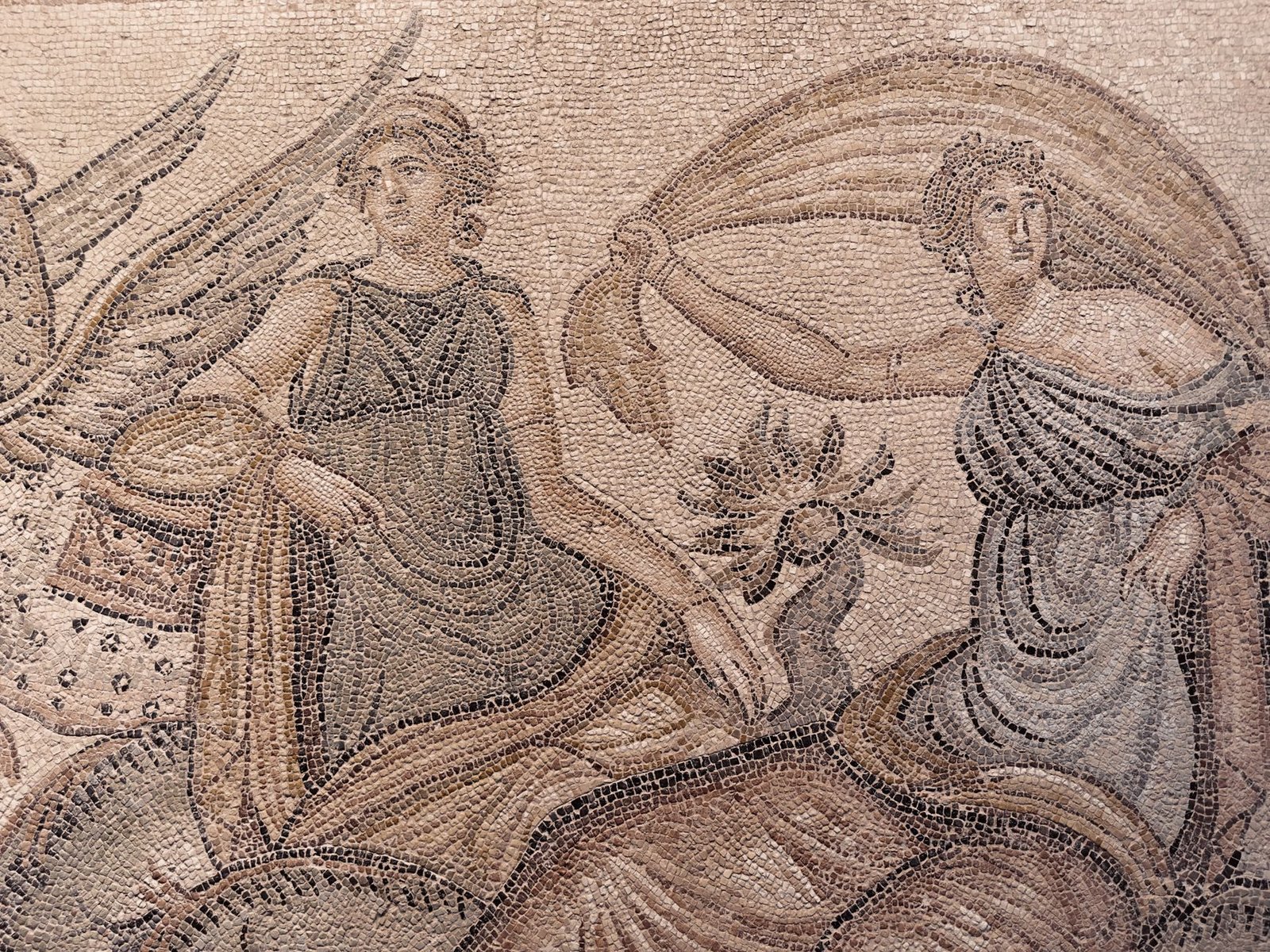
Odysseus and Circe: Myth, Encounter, and Story
Odysseus and Circe is a celebrated episode in Homer’s *Odyssey*, where enchantment, temptation, and self-mastery shape a pivotal encounter between a cunning hero and a powerful sorceress. After Circe transforms Odysseus’s men into swine, the story traces how divine aid, hospitality, and shifting loyalties reveal deeper tensions between reason and desire, making this myth central to Greek literature and interpretation.
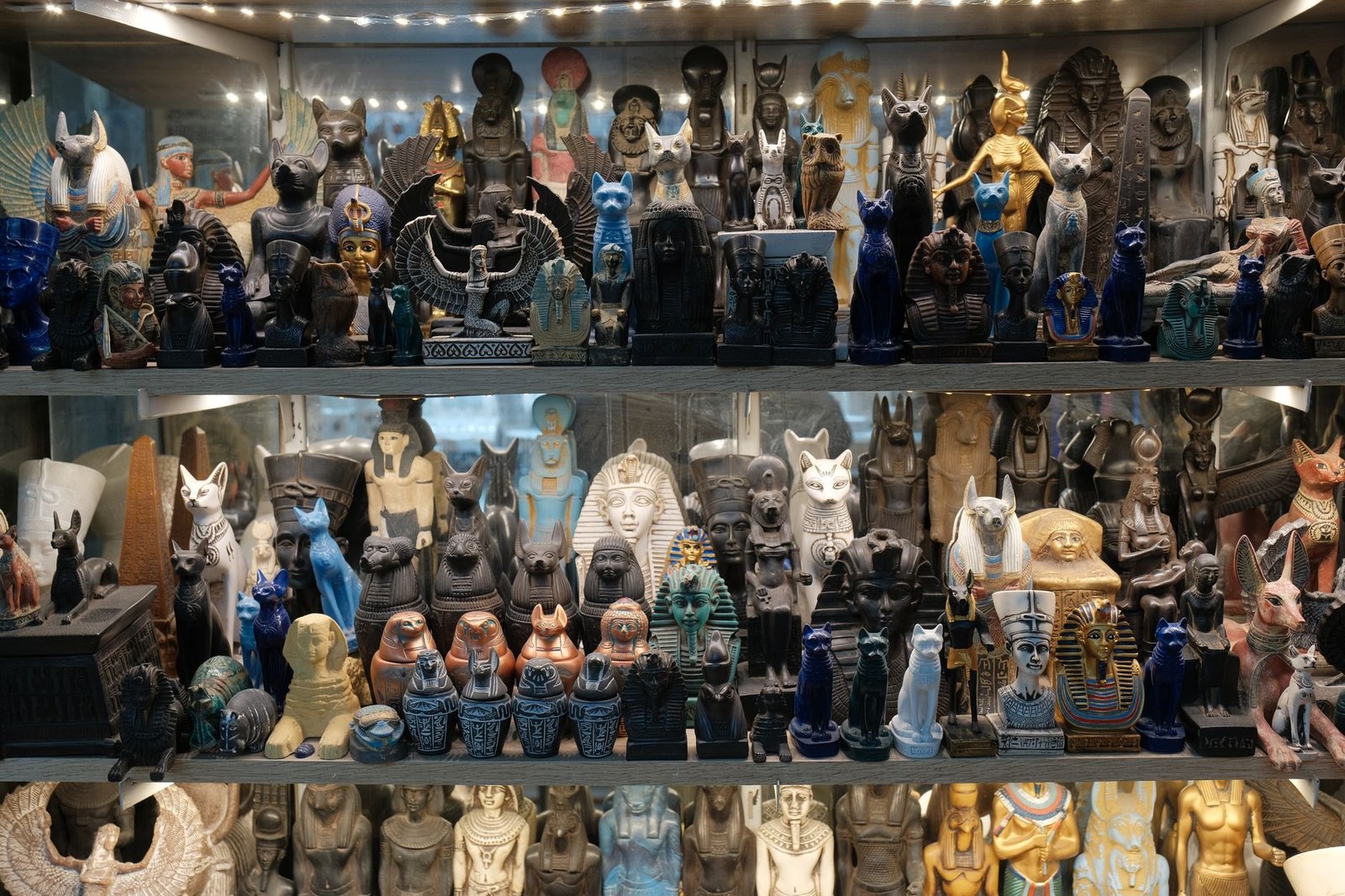
Who Is Ra in Egyptian Mythology? Sun God Explained
Ra is one of the central gods of ancient Egyptian mythology, revered as the sun deity, creator, and guardian of cosmic order. This article explores how who is ra in egyptian mythology became a question tied to kingship, daily renewal, and shifting religious traditions that shaped Egypt for thousands of years.
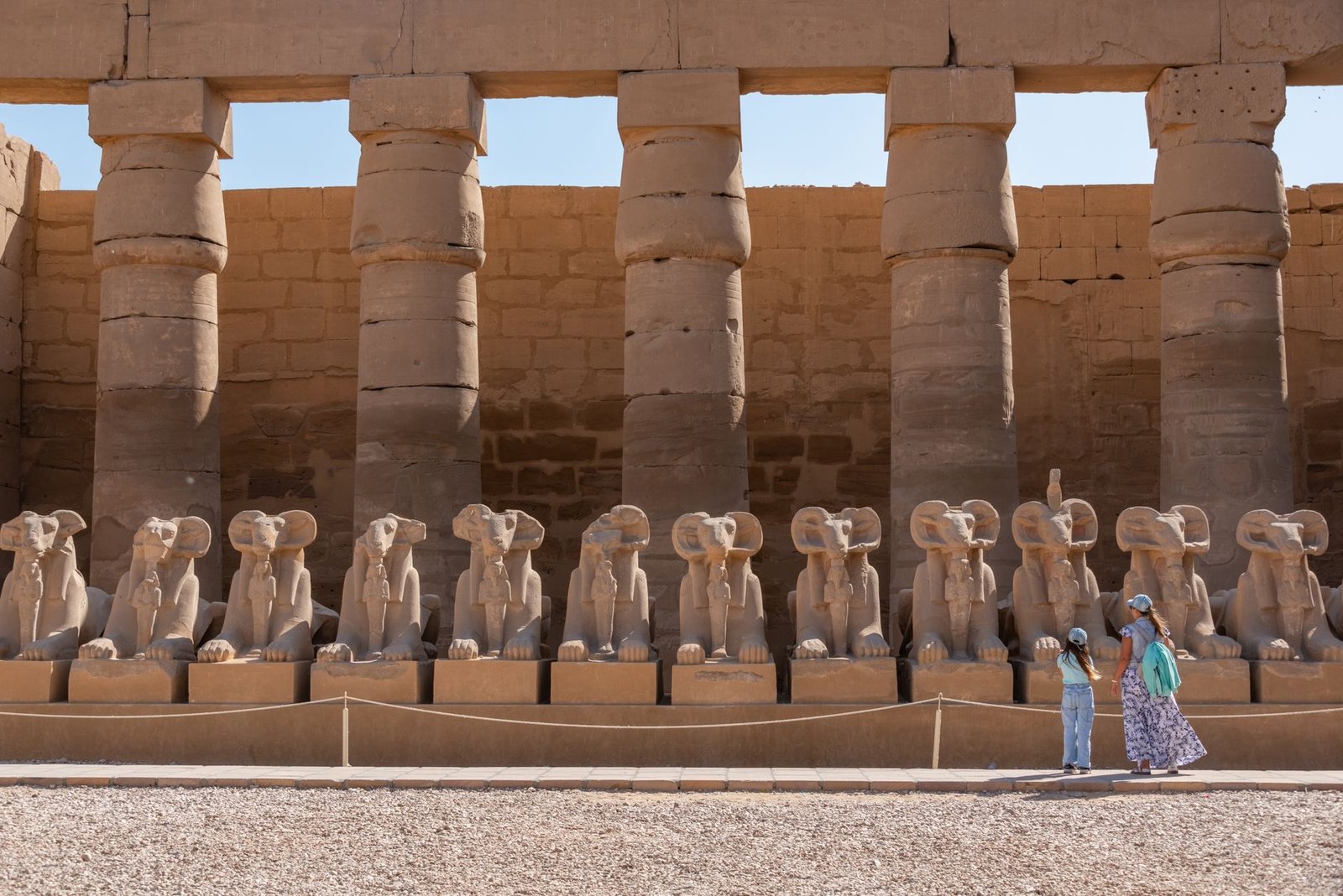
Who Is Amun in Egyptian Mythology? Origins and Meaning
Who is Amun in Egyptian mythology? A god of hidden power and royal authority, Amun rose from a local Theban deity to one of ancient Egypt’s chief divine figures, later joined with Ra as Amun-Ra. This excerpt traces his meanings, cult, and political influence, revealing why his worship shaped Egyptian religion and kingship for centuries.
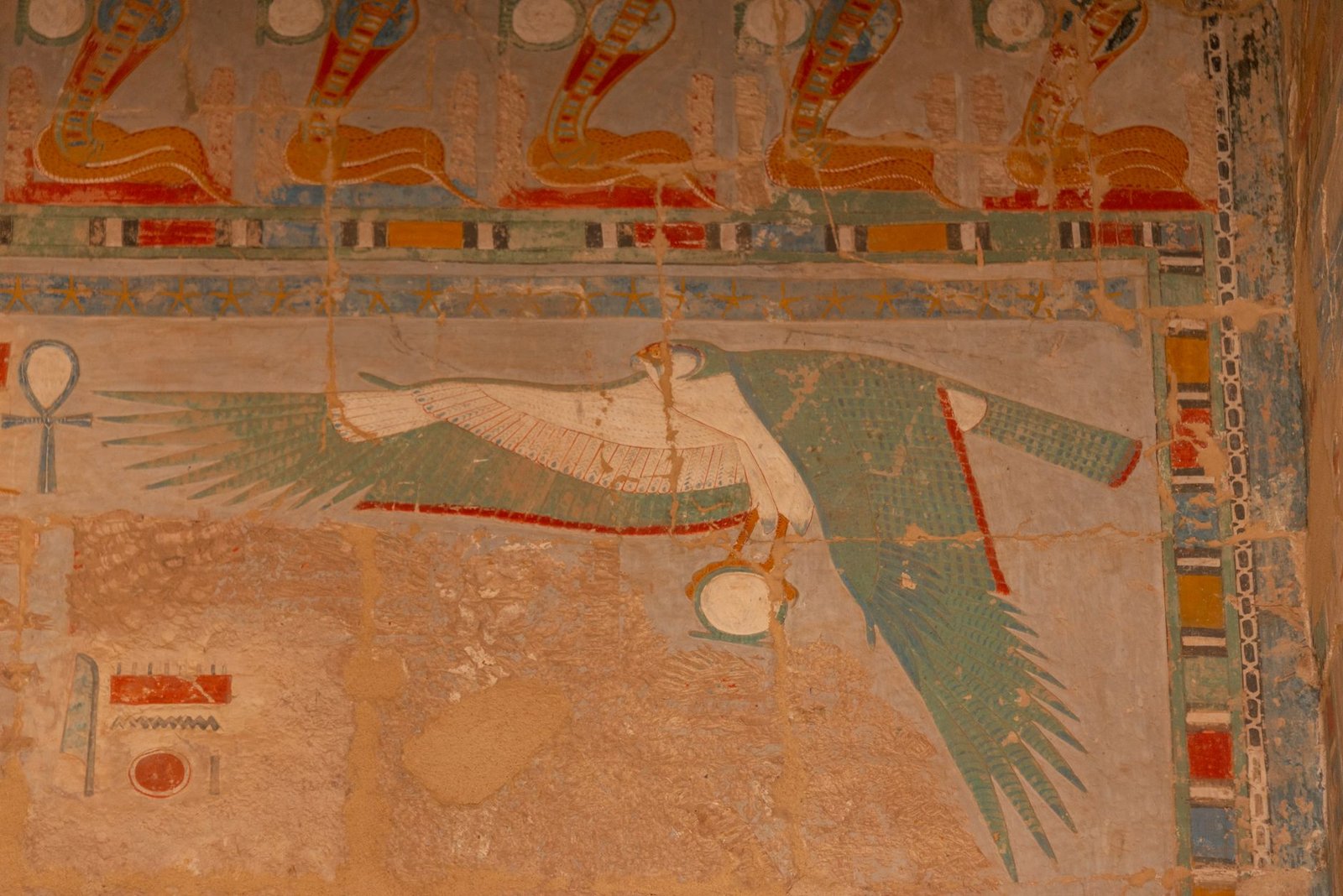
Nut in Egyptian Mythology: Who Is the Sky Goddess?
Nut is a central goddess in ancient Egyptian mythology, best known as the sky deity who arches over the world and embodies the heavens themselves. Exploring who is Nut in Egyptian mythology reveals her role as a cosmic mother, protector of the dead, and key figure in myths of the sun, stars, and renewal.
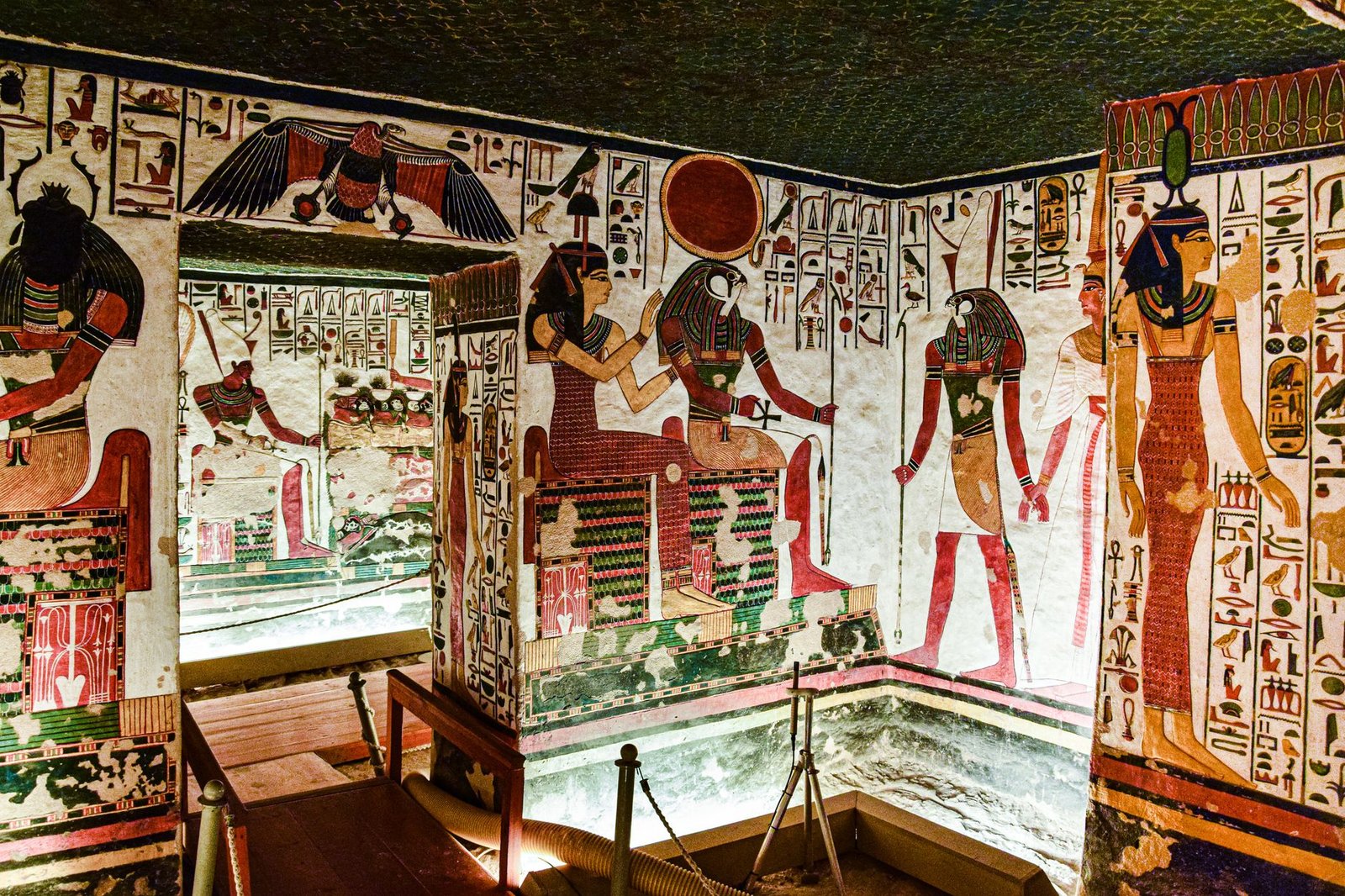
Who Is Isis in Egyptian Mythology? Meaning and Role
Isis is a central goddess in Egyptian mythology, known as a divine mother, magician, mourner, and protector whose power was tied to kingship, rebirth, and the afterlife. Her name, linked to the throne, hints at a long religious history that transformed her from a royal figure into a widely revered universal deity.
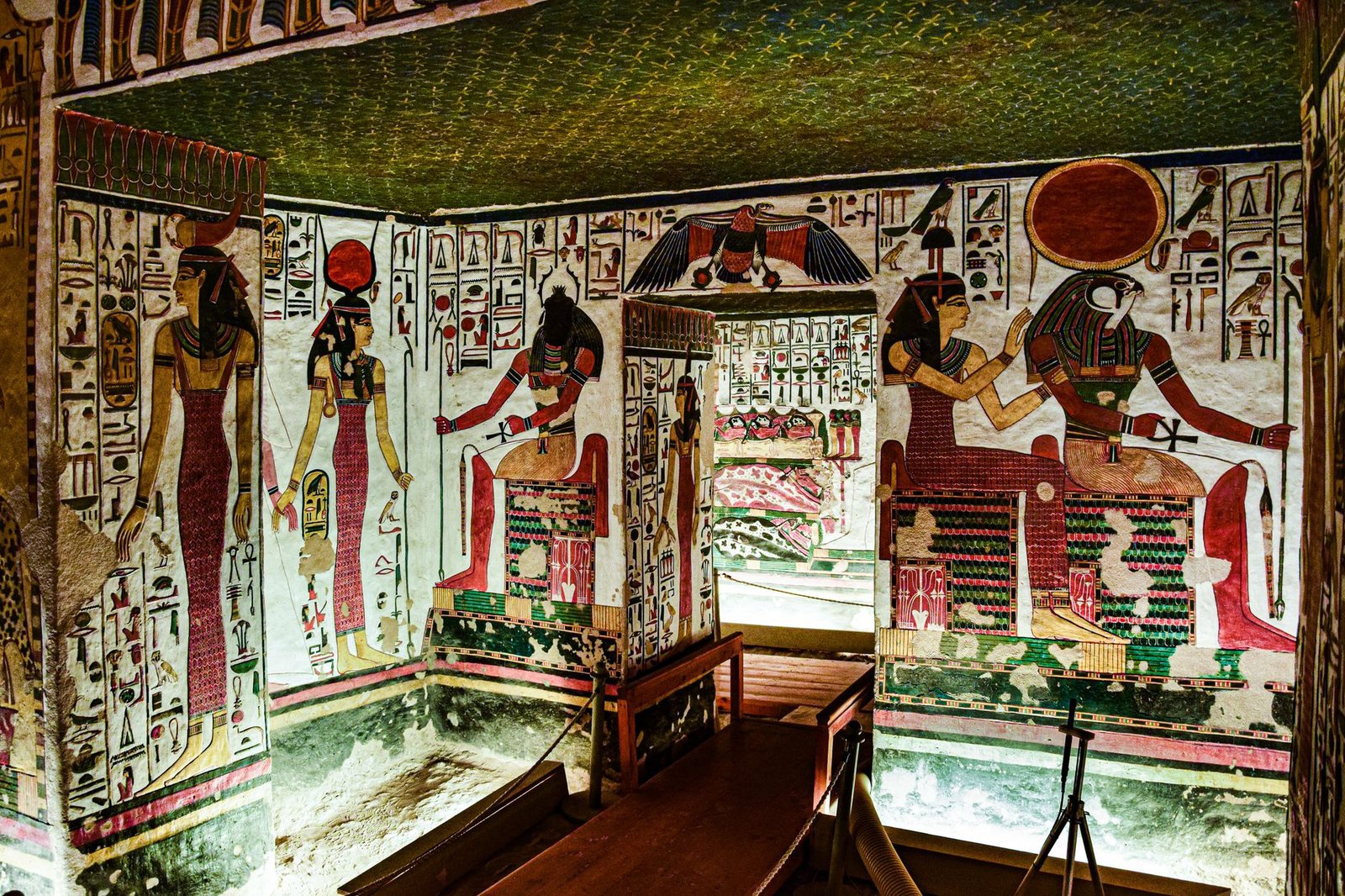
Who Is Nephthys in Egyptian Mythology? Role and Meaning
Who is Nephthys in Egyptian mythology? She is an important goddess of death, protection, and mourning, a member of the Heliopolitan Ennead whose presence shaped funerary belief and temple theology for centuries. Though often overshadowed by Isis and Osiris, her role in Egyptian myth reveals how ancient Egyptians understood the fragile boundary between life, death, and cosmic order.
Who Is Thoth in Egyptian Mythology? The Egyptian God
Who is Thoth in Egyptian mythology? He is the ancient Egyptian god of writing, wisdom, measurement, and sacred speech, but also a moon deity, mediator, and divine recorder whose functions changed across history. Understanding Thoth reveals how the Egyptians linked knowledge, cosmic order, and authority, and why he remained central to both ritual and intellectual life.