mythological figures

Bacchus: Roman God of Wine and Celebration
Bacchus, the Roman god of wine, ecstasy, fertility, and theatrical release, stands at the crossroads of celebration and restraint in ancient religion. This article traces his Greek origins, Roman adaptation, and enduring influence in art and culture, revealing why Bacchus remains a powerful symbol of both pleasure and peril.

The Twelve Dii Consentes: Roman Gods and Goddesses
The Twelve Dii Consentes were the principal gods of Roman religion, a prestigious council of twelve deities broadly aligned with the Greek Olympians but shaped by Roman custom and political life. This article traces their origin, meaning, and changing composition, showing how these gods reflected Roman ideas of divine order, public worship, and cultural adaptation.
Roman vs Greek Gods: Key Differences Explained
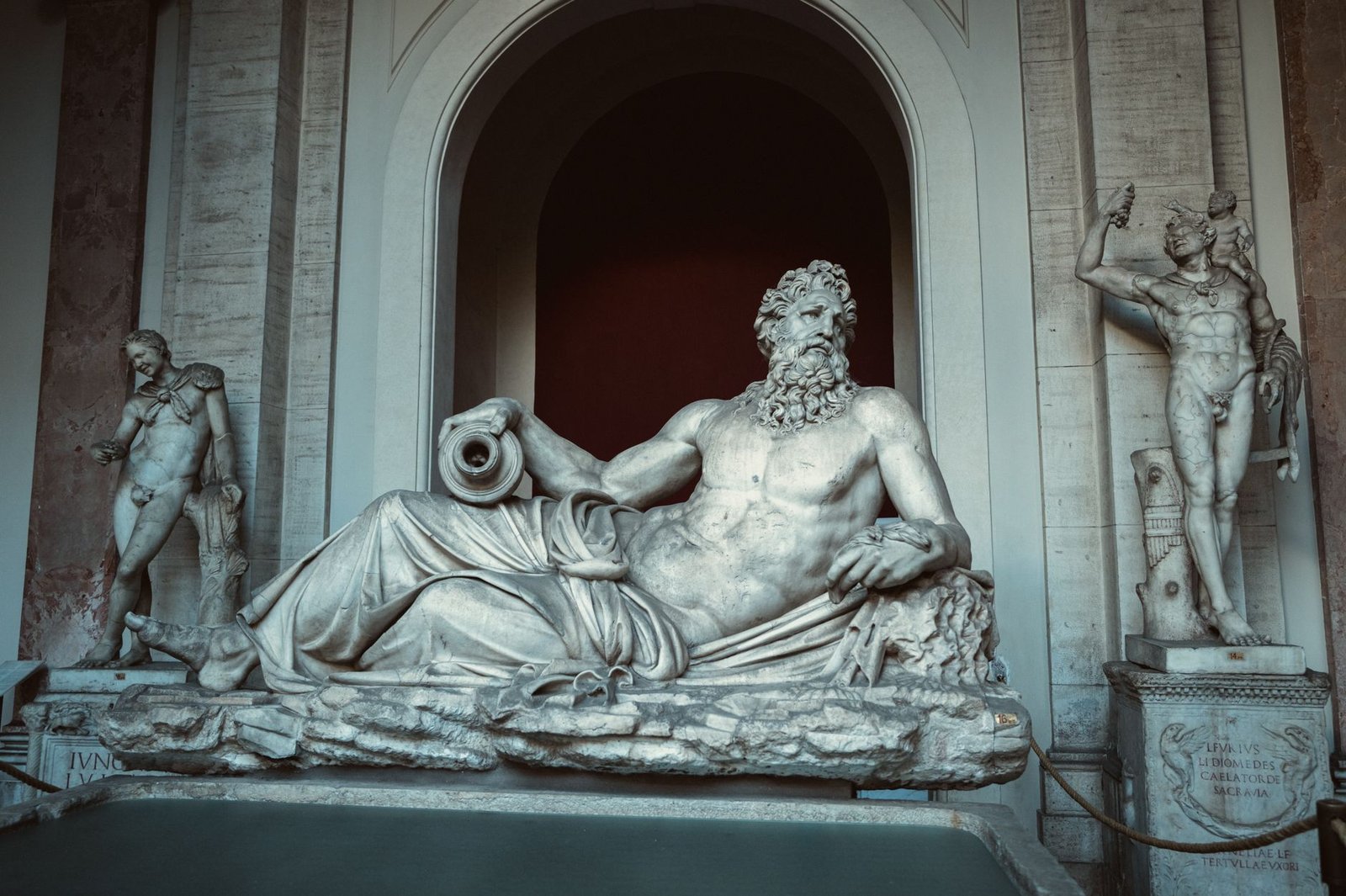
The difference between Roman and Greek gods lies not only in their names but also in the religions that shaped them, from Greek city-state traditions to Rome’s highly organized civic cult. Although many deities were closely matched, their origins, functions, and cultural meanings reveal important distinctions that continue to intrigue historians and readers alike.

Delphi Tripod: Ancient Greek Oracle Symbol and Artifact
The Delphi Tripod was a sacred three-legged object central to the sanctuary of Apollo at Delphi, where it symbolized prophecy, divine authority, and the ritual setting of the Oracle. Exploring its origins, religious meaning, and appearances in myth and art reveals how a practical vessel stand became one of the most enduring emblems of ancient Greek religion.
Nike’s Wings: Meaning, History, and Symbolism
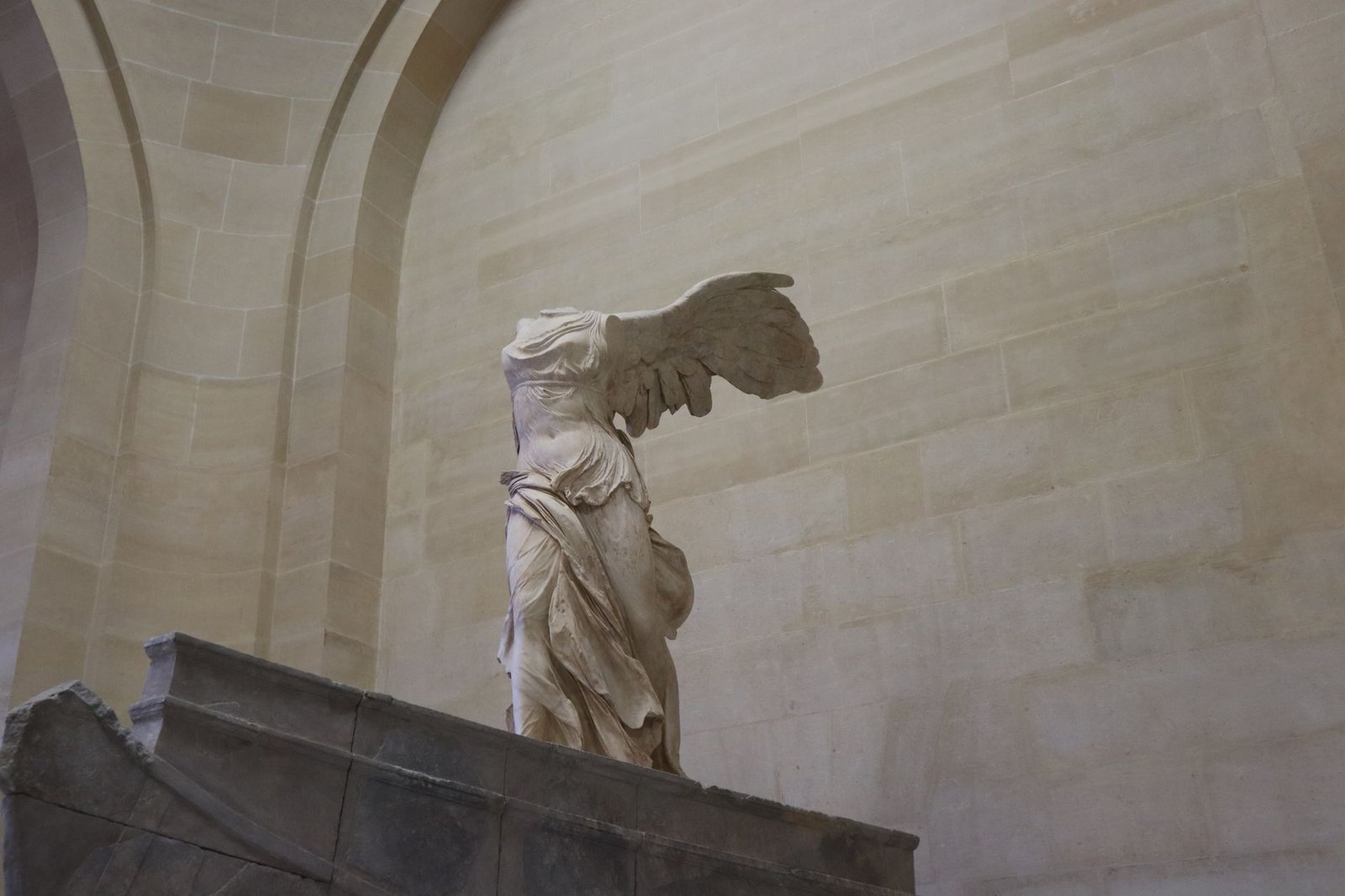
Nike’s wings are a defining feature of Greek mythology and classical art, marking the goddess of victory as a swift, divine presence rather than a distant Olympian. They symbolize triumph, fleeting fortune, and heavenly favor, and their enduring image in sculpture, coinage, and literature invites a closer look at how victory was imagined in antiquity.

The Myth of Pandora: Origins, Story, and Meaning
The myth of Pandora explains how suffering entered human life, yet it also leaves room for hope, making it one of the most enduring stories in Greek mythology. Its shifting ancient versions, from divine punishment to symbols of fertility and curiosity, reveal a figure far more complex than the familiar tale of the opened jar suggests.
Zeus and Europa: Greek Mythology and the Legend
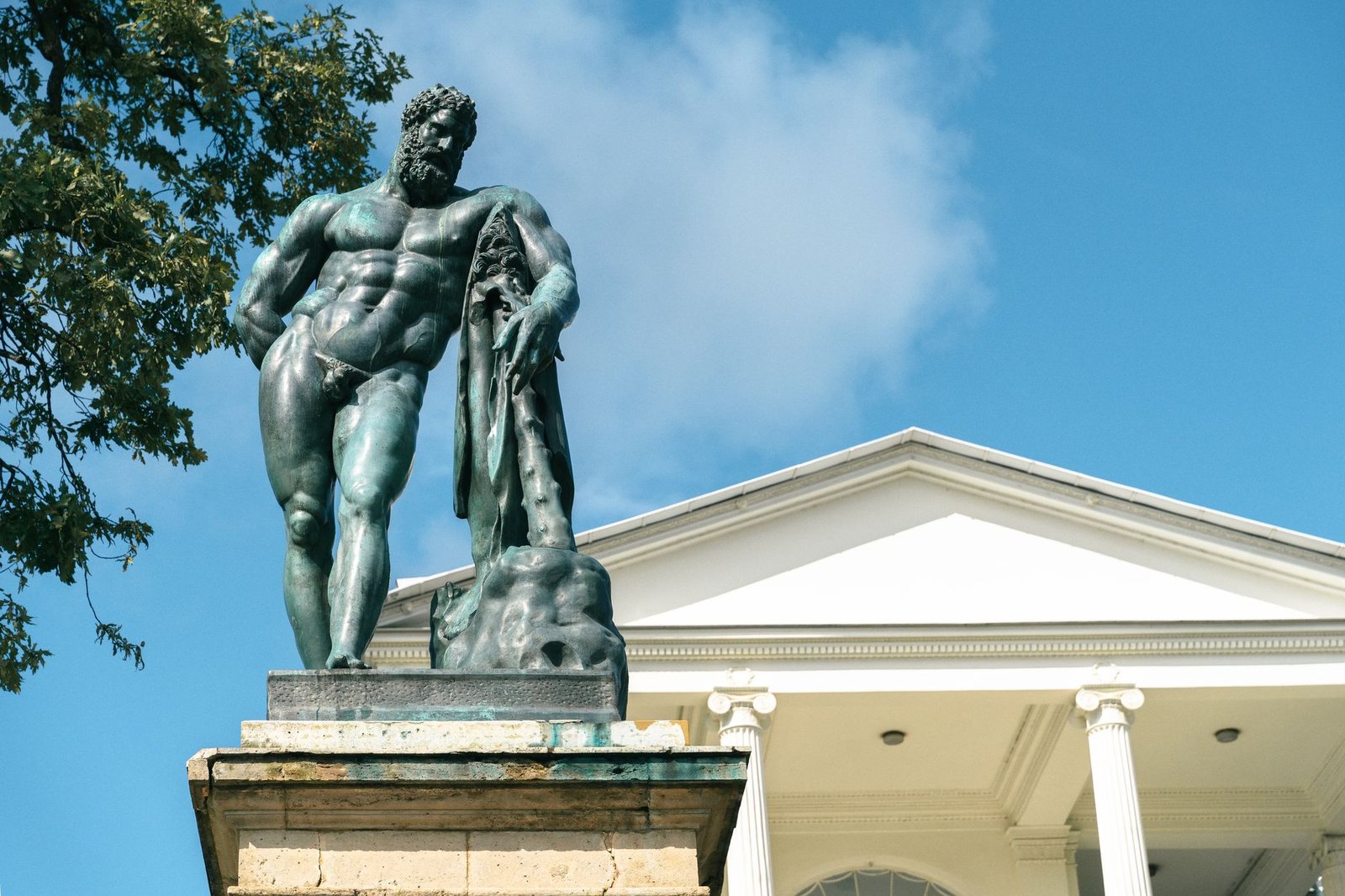
Zeus and Europa is a central myth of Greek tradition, recounting how Zeus, in the form of a bull, carried the Phoenician princess to Crete and fathered a lineage that shaped later legend. Rooted in ancient cultural exchange between Greece and the eastern Mediterranean, the story reveals enduring themes of transformation, power, and identity that continue to invite closer reading.
Zeus and Leda: Greek Myth and the Swan Legend
**Zeus and Leda** is a central myth of Greek tradition in which the king of the gods appears to Leda as a swan, leading to the birth of figures such as Helen of Troy and the Dioscuri. Its lasting importance lies in the story’s themes of divine power, transformation, and contested consent, as well as its profound influence on art and literature.
Zeus and Danae: Greek Myth and Perseus’ Birth
Zeus and Danae is a classic Greek myth about prophecy, imprisonment, and divine intervention: Acrisius, fearing an oracle, confines his daughter Danae, only for Zeus to reach her as a shower of gold. Their union leads to the birth of Perseus, a hero whose story reveals how fate, power, and divine will shape ancient myth.

Ixion’s Punishment in Greek Mythology Explained
Ixion’s punishment is a central episode in Greek mythology, telling how the king Ixion incurred Zeus’s wrath by violating hospitality and attempting to seduce Hera. Condemned to an eternal spinning wheel of fire, his fate became a lasting symbol of divine justice, hubris, and the severe consequences of sacred transgression.