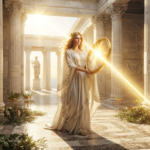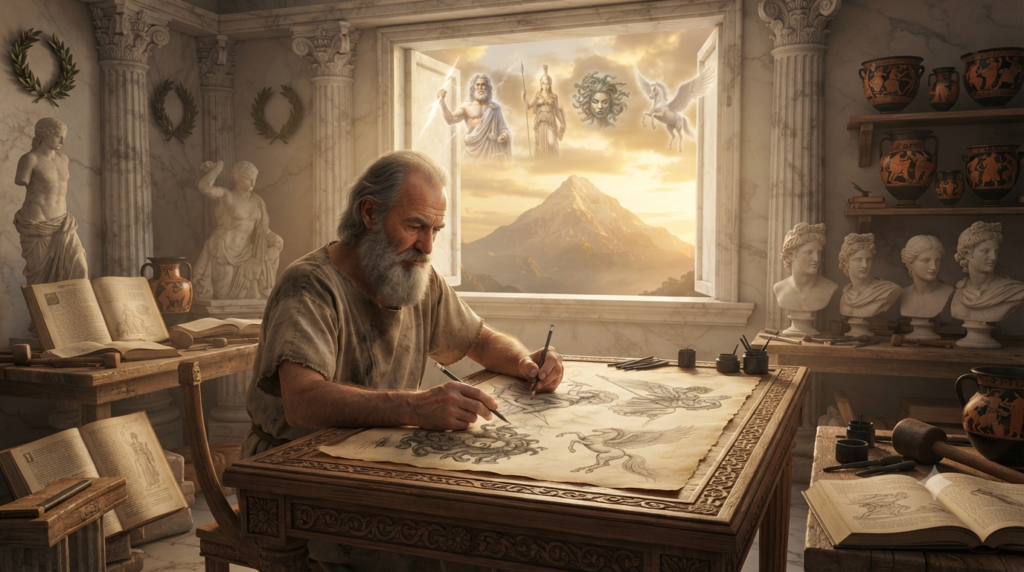
Anyone searching how to draw Greek mythology is usually looking for more than generic technique advice, since drawing convincing mythological figures depends far more on knowing the right symbols and attributes than on any single drawing method. This guide approaches how to draw Greek mythology as a reference resource, focused on the consistent visual attributes, symbols, and iconography that have identified specific gods, heroes, and creatures throughout the history of Greek art. Understanding how to draw Greek mythology in a way that feels authentic and recognizable starts with knowing what ancient artists themselves used to distinguish one mythological figure from another.
Why Iconography Matters Before You Draw
Ancient Greek art followed remarkably consistent visual conventions for depicting specific gods, heroes, and mythological creatures, using recognizable symbols and attributes that allowed viewers to immediately identify who or what a given image represented. Understanding these established conventions provides essential groundwork for anyone exploring how to draw Greek mythology in a way that feels grounded in genuine mythological tradition rather than generic fantasy imagery.
These visual conventions developed over centuries of Greek pottery, sculpture, and fresco painting, gradually establishing a shared visual vocabulary that artists throughout the ancient Greek world used consistently, ensuring that a depiction of Zeus or Athena remained recognizable regardless of the specific artist or region responsible for creating it.
Learning this established iconography before attempting how to draw Greek mythology allows an artist’s work to feel authentically connected to the broader mythological tradition, even when rendered in a highly personal or contemporary artistic style, since the underlying symbols and attributes remain recognizable regardless of specific rendering technique.
This foundation in mythological iconography ultimately matters more than any single drawing technique when approaching how to draw Greek mythology successfully, since accurately representing a figure’s established symbols and attributes does far more to create a recognizable, meaningful image than technical polish alone could achieve without this underlying knowledge.
Attributes of the Major Olympian Gods
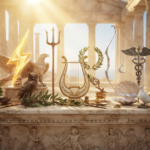
Zeus is consistently identified through his thunderbolt, along with the eagle as his sacred animal and his frequent depiction seated upon a throne, reflecting his authority as king of the gods. Anyone exploring how to draw Greek mythology involving Zeus specifically should prioritize these three elements to ensure immediate recognizability within any composition.
Athena is most reliably identified through her helmet, her owl, and the aegis, a protective garment or shield associated with her role as goddess of wisdom and strategic warfare, distinguishing her clearly from other armored or martial figures within Greek mythological iconography.
Poseidon carries his trident as his primary identifying attribute, frequently accompanied by imagery of horses or ocean waves reflecting his domain over the sea, providing clear visual cues for anyone working through how to draw Greek mythology scenes involving this particular Olympian god specifically.
Apollo is typically identified through his lyre, reflecting his association with music, alongside his bow and a laurel wreath connected to his broader mythology, while Ares is most commonly shown wearing a helmet and carrying a spear, sometimes accompanied by a dog or vulture reflecting his more violent, battlefield-focused domain within Greek mythology.
Attributes of Other Key Figures
Nike, the winged goddess of victory, is consistently identified through her wings and frequently depicted laurel wreath, both essential visual elements for anyone approaching how to draw Greek mythology scenes specifically involving triumph, competition, or military victory within a broader composition.
Dionysus carries the thyrsus, a staff often topped with a pinecone, alongside grapevines and occasionally a leopard or panther, reflecting his domain over wine and ecstatic celebration, providing clear and distinctive visual attributes for artists working through how to draw Greek mythology scenes involving this particular god.
Additional significant figures worth understanding include Hades, frequently associated with darker color palettes and sometimes a helmet of invisibility within certain mythological depictions, Demeter, commonly shown holding wheat or grain reflecting her association with agriculture, and Hera, often depicted with a peacock and royal diadem reflecting her status as queen of the gods.
Familiarizing yourself with these attributes across multiple significant figures ensures that anyone working through how to draw Greek mythology can confidently distinguish between numerous gods and goddesses, building compositions that remain visually clear and mythologically accurate even when multiple deities appear together within a single scene.
Mythological Creatures Worth Referencing
Greek mythology features numerous distinctive hybrid creatures whose visual composition offers particularly engaging subject matter for artists exploring how to draw Greek mythology beyond the Olympian gods specifically. The Minotaur, combining a bull’s head with a human body, remains one of the most visually striking and immediately recognizable figures within this broader creature category.
Medusa, typically depicted with living snakes in place of hair and a face capable of turning viewers to stone, represents another popular and visually compelling subject, offering significant creative opportunity for artists interested in dramatic, detailed mythological imagery within their work.
Centaurs, combining a human torso with a horse’s body, along with other hybrid creatures such as satyrs and various sea monsters described throughout Greek mythological tradition, provide additional rich visual material for anyone exploring how to draw Greek mythology through its broader cast of creatures beyond the principal gods and goddesses.
These mythological creatures frequently serve as a popular entry point for artists specifically because their hybrid, visually dramatic nature offers immediate creative interest, making them an excellent starting point for anyone newly exploring how to draw Greek mythology through its wider range of mythological subject matter.
Where Classical Art Can Serve as Reference
Ancient Greek pottery, particularly black-figure and red-figure vase painting, provides an extensive historical visual record showing exactly how ancient Greek artists themselves depicted their gods, heroes, and mythological creatures, offering invaluable primary source material for anyone seriously exploring how to draw Greek mythology with historical accuracy in mind.
Classical Greek sculpture similarly offers essential reference material, demonstrating how ancient artists rendered anatomy, drapery, and specific mythological attributes within three-dimensional form, providing additional valuable insight beyond what two-dimensional pottery imagery alone can convey regarding figure proportion and physical presentation.
Studying these historical sources directly allows artists to understand precisely how the culture that originated these myths visually understood and represented its own gods and mythological figures, providing authentic grounding for anyone approaching how to draw Greek mythology who wants their work to connect meaningfully with the original visual tradition.
This engagement with genuine historical source material ultimately provides far richer creative grounding than relying solely on modern reinterpretations or popular media representations, ensuring that anyone exploring how to draw Greek mythology builds their work upon an authentic foundation rooted in the actual historical iconography of ancient Greece.
FAQ — Quick Answers About Drawing Greek Mythology
How do I know which symbols to use when drawing a Greek god?
Each major Greek god has established attributes, such as Zeus’s thunderbolt or Poseidon’s trident, that have remained consistent throughout the history of Greek art and mythology.
What is Athena’s most recognizable attribute?
Athena is most commonly identified through her helmet, her owl, and the aegis, a protective garment associated with her role as goddess of wisdom and warfare.
Which Greek mythological creatures are popular subjects for artists?
The Minotaur, Medusa, and centaurs are among the most popular mythological creatures for artists due to their visually striking, hybrid physical forms.
Where can I find historical references for Greek mythology art?
Ancient Greek pottery, particularly black-figure and red-figure vase painting, along with classical sculpture, offer authentic historical visual references for Greek mythological figures.
Why does knowing mythological symbols matter more than drawing technique alone?
Accurate symbols and attributes make mythological figures immediately recognizable, providing meaningful context that technical skill alone cannot convey without this underlying knowledge.
Conclusion
Anyone exploring how to draw Greek mythology benefits far more from understanding established iconography than from any single drawing technique alone. Knowing that Zeus carries a thunderbolt, Athena appears with her owl and aegis, and Poseidon wields his trident provides the essential foundation for creating mythologically accurate, immediately recognizable artwork.
Extending this knowledge into mythological creatures like the Minotaur and Medusa, alongside genuine historical references found in ancient Greek pottery and sculpture, further grounds any artistic exploration of Greek mythology within its authentic visual tradition rather than generic modern fantasy imagery disconnected from the source material.
Ultimately, mastering how to draw Greek mythology means building fluency in this established visual language first, ensuring that whatever personal artistic style an individual artist brings to their work remains clearly and meaningfully connected to the rich mythological tradition it represents.

Orin Vale has spent the better part of two decades tracing the threads that connect the world’s oldest stories — from the halls of Asgard to the banks of the Nile, from Olympus to the jungles of the Maya. What began as a childhood fascination with flood myths and trickster gods grew into years of independent study across comparative mythology and ancient religion, always chasing the same question: what did these stories mean to the people who first told them? Orin writes for readers who want more than trivia — the ones looking for the beliefs, fears, and truths that myths were built to carry.