Nymphs occupy one of the most widespread and genuinely essential categories within Greek mythology, representing the countless minor nature spirits ancient Greeks believed inhabited nearly every significant natural feature across their landscape. Anyone asking who are the nymphs in Greek mythology is exploring a remarkably vast category of divine beings whose collective presence shaped how ancient Greek communities understood and related to the natural world surrounding them each day.
Unlike the twelve major Olympian gods, whose worship centered on grand temples and citywide festivals, nymphs generally occupied a more intimate, localized position within Greek religious life, each typically associated with one specific spring, mountain, tree, or stretch of coastline rather than governing any broad cosmic domain. This localized character made nymphs genuinely accessible figures within everyday Greek religious experience, present in the immediate landscape rather than confined to distant, abstract divine realms.
Understanding who are the nymphs in Greek mythology requires recognizing the genuine diversity contained within this single broad category, since ancient Greek tradition divided nymphs into numerous distinct types based specifically on which natural feature or domain each particular nymph inhabited. This classification system reveals how thoroughly ancient Greeks personified their entire natural environment through this extensive network of localized divine spirits.
What follows examines exactly what defines a nymph within Greek mythology, the major categories these spirits fell into based on their natural domain, their frequent role as companions to more significant gods, their genealogical importance as mothers of heroes and city founders, questions surrounding their immortality, and how ancient Greek communities actually worshipped these ubiquitous nature spirits.
What Exactly Is a Nymph?
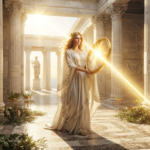
Nymphs within Greek mythology are generally characterized as youthful, beautiful female nature spirits, occupying a divine or semi-divine status positioned below the major Olympian gods yet clearly distinguished from purely mortal figures throughout ancient Greek storytelling. This intermediate status allowed nymphs to interact meaningfully with both gods and mortals across countless individual myths spanning the entire Greek mythological tradition.
Unlike major goddesses such as Athena or Artemis, whose authority extended across entire domains recognized throughout the Greek world, individual nymphs typically held authority over a single, specific location or natural feature, whether a particular spring, mountain, or grove of trees. This localized scope distinguished nymphs from their more powerful Olympian counterparts while still granting them genuine divine significance within their own specific sphere of influence.
This combination of genuine divinity and localized, specific domain made nymphs particularly well-suited for explaining the personality and character ancient Greeks perceived within specific natural locations, giving named identity and story to features of the landscape that might otherwise remain unexplained natural phenomena within Greek religious understanding.
This foundational definition provides essential context for who are the nymphs in Greek mythology, establishing them as a genuinely distinctive category of divine being whose combination of youthful beauty, localized authority, and intermediate status between gods and mortals made them uniquely central to how ancient Greeks personified and related to their surrounding natural world.
The Main Types of Nymphs and Their Domains
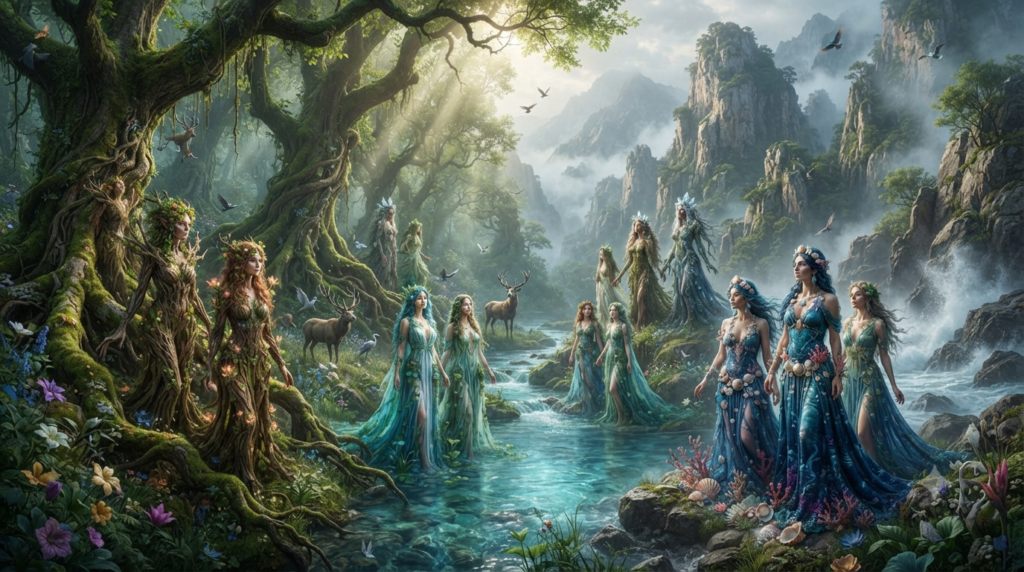
Ancient Greek mythology organized nymphs into several distinct categories based specifically on the particular natural domain each type inhabited, beginning with the Naiads, freshwater nymphs specifically associated with springs, streams, and fountains scattered throughout the Greek landscape. This category includes figures whose individual stories connect them to specific, named locations, illustrating how thoroughly these water spirits became embedded within local Greek geography and tradition.
The Nereids, daughters of the sea god Nereus, represented a distinct category of marine nymphs inhabiting the Mediterranean’s waters, while the Oceanids, an even larger group born to the Titans Oceanus and Tethys, extended this maritime and river-based classification even further across the broader Greek mythological cosmos. These water-based categories collectively demonstrate how extensively ancient Greeks personified the various bodies of water surrounding and running through their territory.
Beyond water-based nymphs, the Dryads and Hamadryads governed forests and individual trees respectively, while the Oreads specifically inhabited mountains, and the Meliae held particular association with ash trees. Additional, more specialized categories included the Napaeae, associated with valleys, and the Limnades, connected specifically to lakes, further demonstrating the remarkably thorough classification system ancient Greeks applied to personifying their natural environment.
This comprehensive classification system provides essential structure for who are the nymphs in Greek mythology, revealing that this single broad category actually encompassed numerous distinct types of nature spirits, each governing a specific and clearly defined aspect of the natural landscape rather than functioning as a single, undifferentiated group of similar beings.
Nymphs as Companions and Attendants of the Gods
Beyond their individual domains, nymphs frequently appear throughout Greek mythology serving as devoted companions and attendants to more significant gods, particularly deities closely associated with nature and wilderness such as Artemis, Dionysus, and Pan. This companionship role positioned nymphs as an essential supporting presence within numerous significant divine narratives throughout Greek mythological tradition.
Artemis, goddess of the hunt, traditionally traveled accompanied by a retinue of nymphs who assisted her throughout her wilderness pursuits, reflecting the natural thematic connection between the goddess’s own domain and these nature spirits’ similar association with untamed landscapes. Similarly, Dionysus and Pan frequently appear throughout Greek art and literature surrounded by nymphs participating in their characteristic revelry and connection to wild, natural spaces.
Individual nymphs sometimes achieved particular significance through these companion roles, such as figures specifically credited with nursing or caring for young gods during their vulnerable early development, or those who formed lasting romantic partnerships with significant deities, connecting their own more localized mythology directly into broader, more widely recognized divine narratives.
This companion role adds important dimension to who are the nymphs in Greek mythology, revealing that beyond their individual, localized significance, these nature spirits frequently played essential supporting roles within the broader mythology surrounding some of Greek religion’s most significant and widely worshipped deities.
Nymphs as Mothers of Heroes and Founders
Nymphs held particular genealogical significance throughout Greek mythology as mothers of numerous heroes, kings, and city founders, connecting these localized nature spirits directly into the broader heroic and civic mythology explaining the origins of significant Greek communities and legendary figures. This maternal role gave nymphs lasting influence extending well beyond their own individual, localized stories.
Several significant Greek cities specifically traced their names and founding mythology back to particular nymphs, with these figures serving as the eponymous source explaining how important locations received their lasting names within Greek historical and geographical understanding. This pattern connected the personification of natural features directly into the broader civic identity of the communities eventually established at these same locations.
Beyond city founding, nymphs frequently appear as mothers of significant heroes and cultural figures throughout Greek mythology, their unions with major gods producing offspring whose own subsequent adventures and achievements became central to broader Greek heroic tradition. This pattern reinforced the genuine mythological importance nymphs held despite their typically more modest individual profiles compared to major Olympian deities.
This genealogical significance provides crucial context for who are the nymphs in Greek mythology, confirming that these nature spirits frequently held influence extending far beyond their own immediate, localized domains through their essential role as mothers connecting divine nature to the broader mortal world of heroes, kings, and the founding of significant Greek communities.
Are Nymphs Immortal?
The question of nymph immortality within Greek mythology involves genuine nuance rather than a simple, universal answer, since different types of nymphs carried different relationships to mortality depending on their specific classification and connection to particular natural features. Most nymphs generally enjoyed remarkably long lifespans compared to mortal humans, even when not possessing the same absolute, unlimited immortality characteristic of major Olympian deities.
Hamadryads present a particularly distinctive case regarding this question, since ancient tradition specifically ties their individual existence directly to the life of a single, particular tree, meaning that when that specific tree eventually dies, the Hamadryad nymph associated with it perishes as well. This connection created a genuinely unique form of conditional immortality, dependent entirely on the continued survival of the specific natural feature each nymph personified.
Other categories of nymphs, particularly those associated with more permanent natural features like mountains or major bodies of water, generally enjoyed correspondingly more extensive lifespans, reflecting the greater apparent permanence of the natural features these particular nymphs represented within ancient Greek understanding of their surrounding landscape.
This nuanced relationship to immortality adds important complexity to who are the nymphs in Greek mythology, revealing that these nature spirits’ own lifespans frequently mirrored the actual permanence or impermanence of whatever specific natural feature they personified, creating a genuinely thoughtful mythological connection between divine longevity and the natural world itself.
Nymphs in Greek Worship and Cult Practice
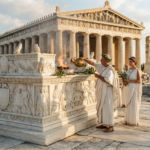
Ancient Greek worship of nymphs typically occurred through modest, localized religious practices rather than the grand, centralized temples associated with major Olympian deities, reflecting these spirits’ own inherently local and specific character. Communities frequently established small shrines or sanctuaries directly at the particular springs, caves, or groves believed to be inhabited by a specific nymph, maintaining a genuinely intimate connection between worship site and the natural feature itself.
Votive offerings left at these locations often included items specifically connected to the nymph’s particular domain, such as small figurines, pottery, or other objects placed directly at springs or within caves believed to house these nature spirits. This practice reflected a genuinely personal, community-based approach to nymph worship, distinct from the more formal, civic religious observances associated with major Olympian festivals.
This localized worship pattern meant that nymph veneration frequently varied considerably from region to region throughout the broader Greek world, with specific communities maintaining particular devotion to the nymphs associated with their own immediate local landscape rather than participating in any standardized, empire-wide religious practice surrounding these figures.
This distinctive worship pattern completes an important final dimension to who are the nymphs in Greek mythology, confirming that these nature spirits occupied a genuinely intimate, community-centered position within actual ancient Greek religious practice, reflecting their broader mythological character as divine beings intimately connected to specific, local natural features rather than distant, abstract cosmic authority.
Frequently Asked Questions
Are nymphs gods or spirits?
Nymphs are generally considered minor divine nature spirits, holding genuine divinity while remaining distinct from and typically less powerful than the major Olympian gods.
What are the different types of nymphs?
Major types of nymphs include Naiads (freshwater), Nereids and Oceanids (sea and ocean), Dryads and Hamadryads (trees and forests), and Oreads (mountains), among several other more specialized categories.
Can nymphs die?
It depends on the specific type; some nymphs, particularly Hamadryads, have existences directly tied to a specific natural feature like a tree, meaning their own lifespan corresponds to that feature’s survival.
Conclusion
Nymphs represent one of Greek mythology’s most extensive and genuinely essential categories of divine being, their countless individual forms personifying nearly every significant natural feature across the ancient Greek landscape, from springs and mountains to forests and coastlines. Through their roles as companions to major gods, mothers of heroes and city founders, and objects of intimate, localized worship, nymphs reveal how thoroughly ancient Greek religious imagination wove the sacred directly into the everyday natural world surrounding their communities.

Orin Vale has spent the better part of two decades tracing the threads that connect the world’s oldest stories — from the halls of Asgard to the banks of the Nile, from Olympus to the jungles of the Maya. What began as a childhood fascination with flood myths and trickster gods grew into years of independent study across comparative mythology and ancient religion, always chasing the same question: what did these stories mean to the people who first told them? Orin writes for readers who want more than trivia — the ones looking for the beliefs, fears, and truths that myths were built to carry.