Introduction
Larvae are the immature, usually free-living developmental stage of many animals, especially insects, amphibians, and some marine invertebrates. In biology, the term refers to an early life form that differs markedly from the adult in body shape, habits, habitat, and diet. Larval development is one of the most important patterns in animal life history, enabling rapid growth, dispersal, and transformation into an adult form through metamorphosis.
The importance of larvae extends far beyond zoology. Larvae are central to ecology, agriculture, medicine, fisheries, public health, and evolutionary biology. They play key roles in food webs, contribute to population dispersal, and often determine whether a species successfully survives from egg to adulthood. In some animals, larval stages are so distinctive that they have their own historical, cultural, and scientific significance.
Origin and Meaning
The English word larva comes from Latin larva, meaning “ghost,” “mask,” or “specter.” In classical Latin, the word could refer to a frightening or disguised figure, and the scientific use of the term reflects the idea of an immature form that does not yet reveal the adult animal. The plural is larvae.
The biological meaning was adopted in early modern natural history to describe the juvenile stages of animals undergoing metamorphosis, especially insects. Over time, the term became standard in zoology and developmental biology. Although people often use “larvae” specifically for insect young, the term is broader and includes the immature stages of many other animals.
Historical Context
The concept of larval development emerged from careful observation of insects, amphibians, and marine creatures in different stages of life. Ancient naturalists noticed that some animals changed dramatically as they grew, but a clear scientific framework for metamorphosis developed much later.
In ancient thought
Classical authors described transformations in nature, especially in insects and amphibians, though their understanding was limited by the lack of modern anatomy and microscopy. Observations of caterpillars becoming butterflies, or tadpoles changing into frogs, contributed to early ideas about natural change, generation, and life cycles.
In early science
During the 17th and 18th centuries, naturalists began documenting insect development systematically. The study of larvae became essential to entomology and comparative anatomy. Scientists recognized that larval forms were not separate species, but developmental stages. This was a major advance in biological classification.
In modern biology
Today, larvae are studied in developmental biology, ecology, evolutionary biology, parasitology, and agriculture. Their morphology and behavior provide evidence for evolutionary relationships and for how animals adapt to different environments during different life stages.
Main Characteristics
Larvae are defined by their developmental position and their differences from adult organisms.
Common features of larvae
- Immature developmental stage: Larvae are not yet sexually mature.
- Distinct body form: They often look very different from adults.
- Specialized feeding: Many larvae are adapted for growth and consume large amounts of food.
- Metamorphosis: In many species, larvae undergo major transformation into adults.
- Dispersal role: Larval stages often help species spread into new habitats.
- High vulnerability: Many larvae are exposed to predators, environmental stress, and disease.
Examples across animal groups
| Animal group | Larval form | Adult form |
|---|---|---|
| Butterflies and moths | Caterpillar | Winged insect |
| Flies | Maggot | Flying adult fly |
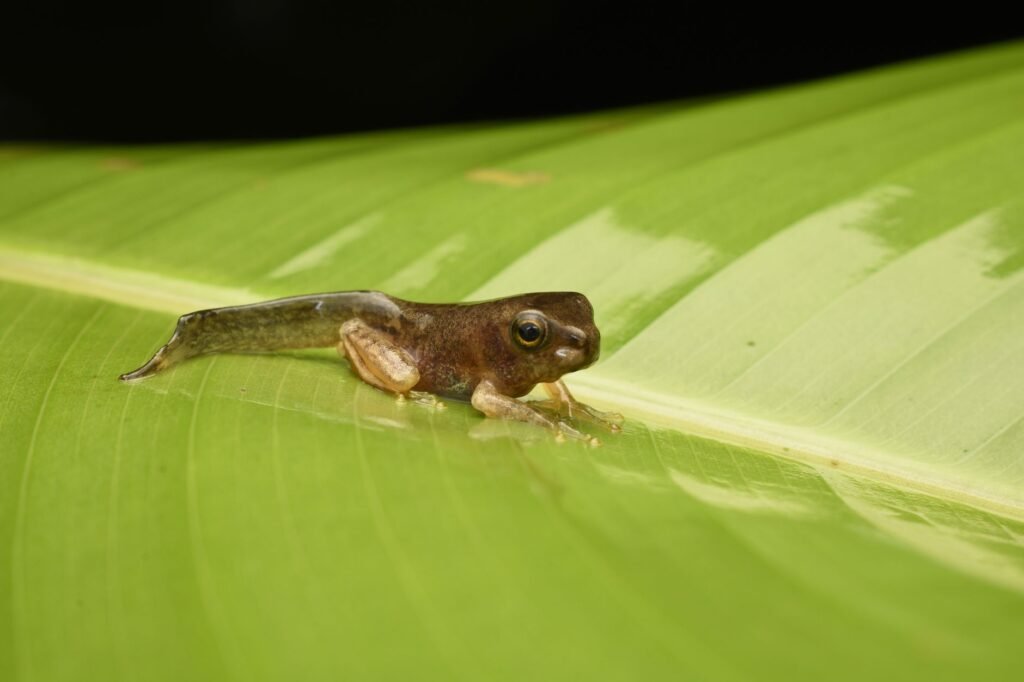
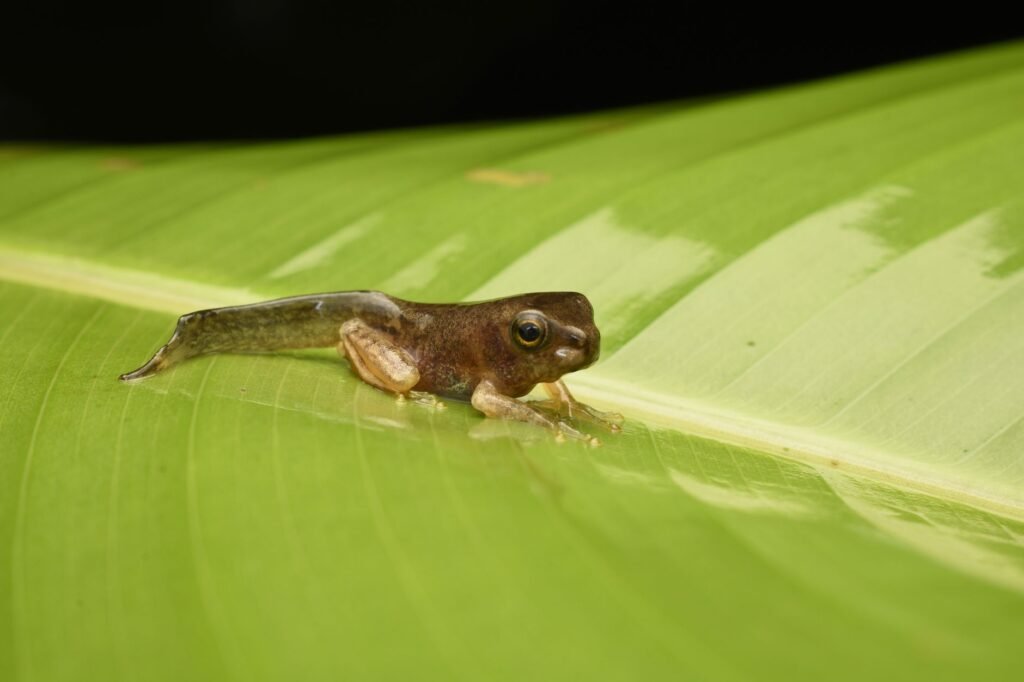
| Frogs and toads | Tadpole | Adult amphibian |
| Sea urchins | Pluteus larva | Adult echinoderm |
| Crabs and many marine crustaceans | Zoea, megalopa, and related stages | Adult crab |
| Fish | Fry or larval fish in early stages | Juvenile and adult fish |
Larvae may be planktonic, terrestrial, aquatic, parasitic, or hidden within hosts, depending on the species.
Family and Genealogy
As a biological term, larva does not refer to a mythological family tree. However, if the subject is understood in zoological terms, the “family” of larvae is the broader life cycle of the animal species to which they belong.
Developmental relationships
- Parents: Larvae originate from eggs laid by adults or, in some species, from live birth or other reproductive processes.
- Offspring: The larval stage develops into a juvenile or adult organism.
- Siblings: Many larvae develop alongside numerous others in the same brood, colony, or clutch.
- Generational role: Larvae represent the transition between embryonic development and mature reproductive life.
In species with complete metamorphosis, the larval stage is one of several distinct phases, often followed by a pupal stage before adulthood. In other animals, the larva develops gradually into the adult without a dramatic intermediate transformation.
Symbols
Larvae are not usually associated with sacred symbols in the religious sense, but they do carry strong symbolic meanings in science and culture.
Common symbolic associations
- Transformation: Larvae symbolize change and metamorphosis.
- Potential: They represent hidden adult form and future development.
- Vulnerability: Their soft bodies and dependence on food make them symbols of fragility.
- Growth: Larvae are classic examples of biological development and expansion.
- Hidden identity: In some cultural readings, the larval stage suggests that outward appearance does not reveal final nature.
Scientific symbolism
In biology, larvae often symbolize:
- metamorphosis,
- developmental plasticity,
- ecological adaptation,
- evolutionary innovation.
Sacred Animals
Larvae are not sacred animals in most traditions, but certain larval creatures have been important in symbolism and religion.
Notable examples
- Caterpillars: In some cultures, caterpillars are linked to transformation because of their eventual emergence as butterflies or moths.
- Tadpoles: Associated with water, renewal, and the cycle of life in some symbolic systems.
- Silkworm larvae: Valued historically for silk production, giving them economic and cultural importance.
In most cases, these associations are indirect and symbolic rather than part of formal worship.
Sacred Plants
There are no universal sacred plants directly associated with larvae. However, plants may be important in the life cycles of larval insects and therefore become culturally significant.
Ecological connections
- Host plants: Many caterpillars feed on specific plants, creating strong ecological relationships.
- Milkweed: Important for monarch butterfly larvae in North America.
- Mulberry: Essential for silkworm larvae, making it historically significant in sericulture.
- Aquatic plants: Provide habitat and shelter for some aquatic larvae.
These plants matter not because they are sacred to larvae, but because they sustain species in their larval stages.
Sacred Places
Larvae are biological rather than mythological beings, so they are not connected to temples or sanctuaries in the usual sense. Their “places” are habitats where they live and develop.
Important habitats
| Habitat | Typical larval inhabitants | Significance |
|---|---|---|
| Streams and ponds | Tadpoles, aquatic insect larvae | Development and feeding grounds |
| Soil and leaf litter | Beetle larvae, fly larvae | Decomposition and nutrient cycling |
| Host plants | Caterpillars, some parasitic larvae | Specialized feeding environments |
| Marine plankton | Fish larvae, crustacean larvae, echinoderm larvae | Dispersal and early development |
| Animal hosts | Parasitic larvae | Survival and growth inside a host |
Larval habitats are often ecologically crucial, since survival in these environments determines adult population size.
Powers and Attributes
In biological terms, larvae do not possess powers, but they have important functional attributes.
Main biological roles
- Feeding and growth: Larvae are often specialized for rapid intake of nutrients.
- Dispersal: Many species use larval stages to spread over wide areas.
- Metamorphosis: Larvae enable radical reorganization of body form.
- Ecological turnover: They contribute to decomposition, pollination indirectly through adult stages, predation, and nutrient cycling.
- Population maintenance: A large proportion of mortality often occurs during larval stages, making them central to species survival.
Adaptive significance
Larvae allow a species to exploit different resources at different life stages. For example, aquatic larvae may live in water while adults live on land or in the air, reducing competition between generations.
Main Myths
Because larvae are a scientific category rather than a mythological figure, they do not have a single body of myth. However, larval forms appear in myths and folklore through creatures that undergo transformation.
Transformation motifs
- Caterpillar to butterfly: A widespread symbol of rebirth and change.
- Tadpole to frog: Often associated with emergence from water and hidden life.
- Maggots and decay: In folklore, maggots frequently symbolize death, corruption, and renewal through decomposition.
Cultural interpretations
Different traditions have viewed larval-like creatures in contrasting ways:
- as signs of decay,
- as emblems of transformation,
- as evidence of spontaneous generation in older scientific theories,
- as necessary agents in the cycle of life and death.
These stories are not myths about larvae themselves, but they show how larval forms influenced human imagination.
Relationship with Other Mythological Figures
Larvae are not mythological characters, so they do not have direct relationships with gods, heroes, or legendary beings. Their closest analogues are symbolic or metaphorical.
Symbolic connections
- Metamorphosis deities and figures: Larval transformation is often compared to mythic change, shapeshifting, or rebirth.
- Death-and-rebirth motifs: In many cultures, larval development mirrors themes found in myths of renewal.
- Creation and emergence: The adult insect or amphibian emerging from the larva can resemble a mythic birth from hidden or aquatic realms.
In comparative mythology, larval life stages are often used as natural metaphors for spiritual or personal transformation.
Worship and Cult
There is no historical cult dedicated to larvae. However, larvae have been important in human practical life, which sometimes gave them indirect ritual or symbolic significance.
Human uses and practices
- Sericulture: Silkworm larvae were carefully raised in East Asia and elsewhere for silk production, making them economically and culturally important.
- Fishing and bait collection: Some larvae have been used as bait, especially in freshwater fishing traditions.
- Food and survival: In some regions and historical contexts, larvae have been eaten as a protein source.
- Agricultural concern: Many insect larvae are treated as pests because they damage crops, roots, or stored food.
Ritual and symbolic avoidance
In some societies, larvae and maggot-like forms were associated with impurity, decay, or disease, which influenced taboos and cleaning practices. These attitudes were cultural responses rather than formal religious worship.
Ancient Sources
Ancient writers did not use “larvae” in the modern biological sense, but several classical and later authors discussed insects, generation, metamorphosis, and transformation.
Important sources and traditions
- Aristotle: In works on animals, Aristotle observed insect life cycles and attempted to classify developmental stages.
- Pliny the Elder: Recorded natural history observations, including insects and animal transformation.
- Ovid: In the Metamorphoses, transformation is a major theme, though not a scientific treatment of larvae.
- Hesiod and Homer: Relevant for broader mythic and natural imagery rather than larval biology.
- Pausanias: Described local traditions and natural features, sometimes preserving broader ancient attitudes toward creatures and change.
- Apollodorus: Useful mainly for mythological transformation narratives, not biological larvae.
Early modern scientific sources
The systematic study of larvae is more closely associated with later naturalists and entomologists than with the classical canon. Their careful drawings, dissections, and life-cycle observations formed the basis of modern understanding.
Roman Equivalent
The Roman equivalent of the English word is the Latin larva, but its meaning in classical usage was not primarily biological. In Latin, larva commonly meant a ghost, mask, or terrifying apparition.
Scientific adaptation
The modern biological use of larva is derived from Latin but is not the same as the Roman mythological or cultural concept. The term was adapted by naturalists because the immature stage seemed like an “unformed” or hidden version of the final creature.
Related Roman concepts
Roman literature and religion more often dealt with:
- ghosts and spirits,
- masks and theatrical disguises,
- monstrous or uncanny appearances.
These meanings are etymologically important but distinct from zoological larvae.
Influence on Modern Culture
Larvae have had a wide impact on modern culture, especially through science education, environmental awareness, and visual storytelling.
In literature and art
Larval metamorphosis is a common metaphor for:
- personal growth,
- adolescence,
- identity change,
- hidden potential,
- death and rebirth.
Butterfly emergence, in particular, has become one of the most recognizable images of transformation in modern art and literature.
In film, television, and games
Larvae and maggots often appear in:
- horror films, where they evoke decay or disgust,
- fantasy settings, where metamorphosis and insect-like beings are common,
- science fiction, where alien life cycles may resemble larval development,
- video games, often as enemies, resources, or evolutionary stages.
In science communication
Larvae are widely used in educational materials because they make metamorphosis easy to observe. Caterpillars, tadpoles, and aquatic insect larvae are common examples in classrooms and documentaries.
In ecology and conservation
Larval stages are increasingly central to conservation biology. Protecting breeding sites, wetlands, reefs, and host plants is often necessary to preserve species whose survival depends on delicate larval environments.
Curiosities
- Some insects have larval stages that look nothing like their adults, making it hard for early naturalists to connect them.
- Many marine species release larvae into the open ocean, where they drift as part of the plankton.
- The larval stage can last from days to years depending on the species and environment.
- Certain parasitic larvae are highly specialized and may have complex life cycles involving more than one host.
- Silkworm larvae have been domesticated for thousands of years and are among the best-known larvae in human history.
- In some species, larval forms can regenerate body parts more effectively than adults.
- The study of larvae has helped scientists understand development, evolution, and the origins of body plans.
Frequently Asked Questions
1. What is a larva?
A larva is an immature developmental stage of an animal that is typically different in form and lifestyle from the adult.
2. Which animals have larval stages?
Many insects, amphibians, crustaceans, echinoderms, and fish have larval stages, although the term is used most often for insects and aquatic animals.
3. Why do animals have larval stages?
Larval stages help animals grow, feed efficiently, disperse to new habitats, and, in many cases, undergo metamorphosis into an adult form.
4. Is a caterpillar a larva?
Yes. A caterpillar is the larval stage of a butterfly or moth.
5. Is a tadpole a larva?
Yes. A tadpole is the larval stage of a frog or toad.
6. Do all animals have larvae?
No. Many animals develop directly from embryo to juvenile without a distinct larval stage.
7. What is metamorphosis?
Metamorphosis is a biological process in which an animal changes dramatically from one developmental form to another, often from larva to adult.
8. Why are larvae important in nature?
Larvae are crucial for food chains, decomposition, pollination-related life cycles, marine ecosystems, and the survival of many species.
Conclusion
Larvae are fundamental to the life cycles of countless animals and to the study of biology as a whole. Far from being merely “young” forms, they are specialized stages with their own ecological roles, behaviors, and evolutionary importance. Whether as caterpillars on leaves, tadpoles in ponds, maggots in decomposing matter, or planktonic forms in the sea, larvae reveal the diversity and adaptability of animal life.
The concept of larvae also has lasting cultural value. It has shaped metaphors of transformation, inspired scientific discovery, and deepened human understanding of growth and change. As a subject of natural history and modern biology, larvae remain essential for explaining how living organisms develop, survive, and evolve.

Orin Vale has spent the better part of two decades tracing the threads that connect the world’s oldest stories — from the halls of Asgard to the banks of the Nile, from Olympus to the jungles of the Maya. What began as a childhood fascination with flood myths and trickster gods grew into years of independent study across comparative mythology and ancient religion, always chasing the same question: what did these stories mean to the people who first told them? Orin writes for readers who want more than trivia — the ones looking for the beliefs, fears, and truths that myths were built to carry.