mythology and religion

Larvae: Definition, Stages, and Life Cycle Explained
Larvae are the immature, often free-living stages of many animals, including insects, amphibians, and marine invertebrates, and they can differ strikingly from the adult in form, habitat, and diet. Their role in metamorphosis, dispersal, and ecological survival makes larvae a vital subject in biology, with surprising importance across agriculture, medicine, fisheries, and evolution.

Caduceus of Mercury: Meaning, Symbol, and History
The caduceus of Mercury is a herald’s staff entwined with two serpents, often crowned by wings, and in classical mythology it signified messengership, safe conduct, negotiation, and practical intelligence. Though frequently mistaken for the symbol of healing, its history is distinct from the Rod of Asclepius, and its long artistic and cultural afterlife reveals why this ancient emblem still invites careful study.
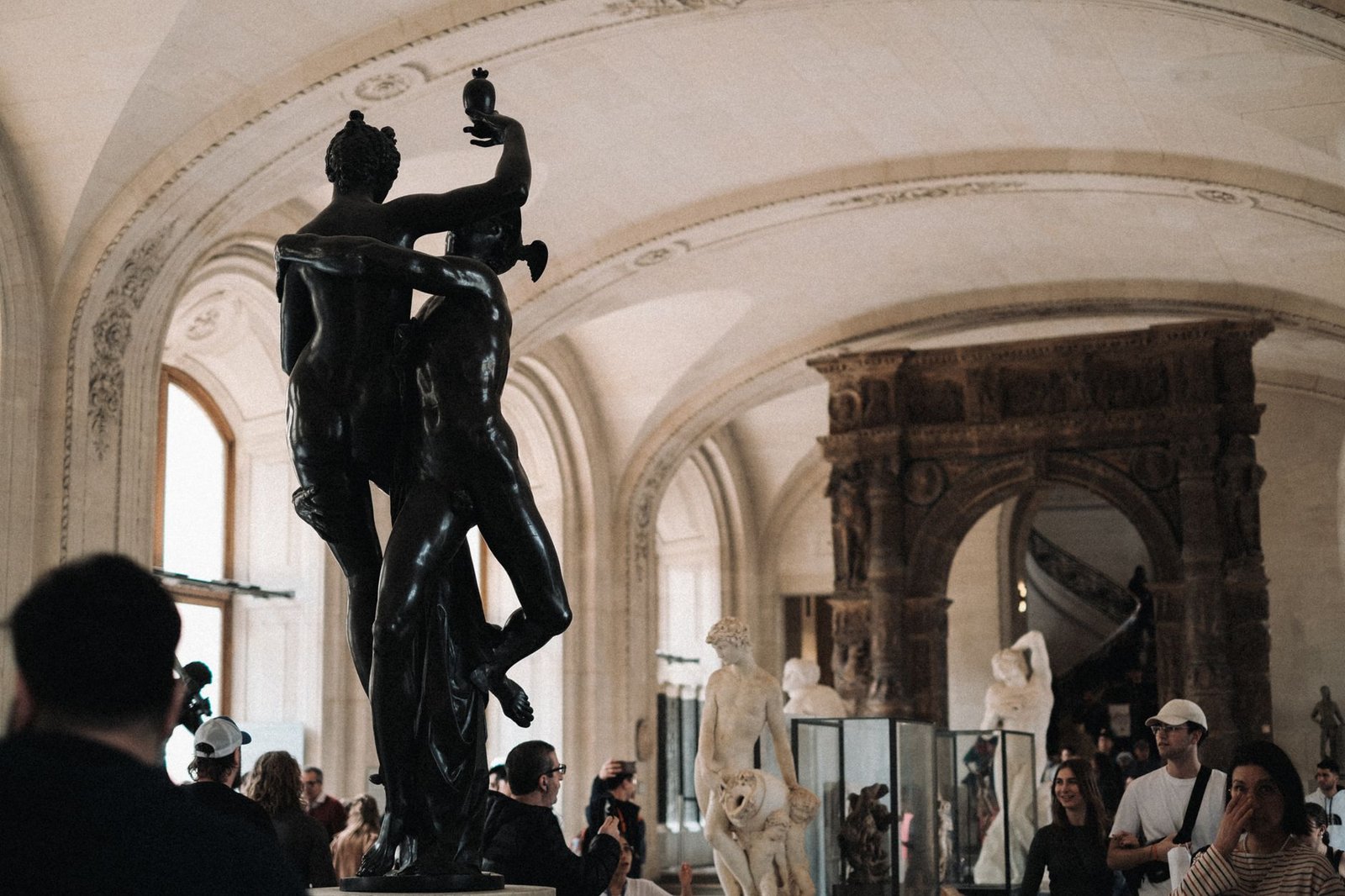
Winged Sandals of Mercury (Talaria): Mythological Guide
The Winged Sandals of Mercury, or talaria, are a striking symbol of divine speed in Greco-Roman mythology, most closely linked with Mercury and Hermes. This article explores their shifting ancient descriptions, their meanings of mobility and authority, and the enduring role they play in art, literature, and cultural imagination.
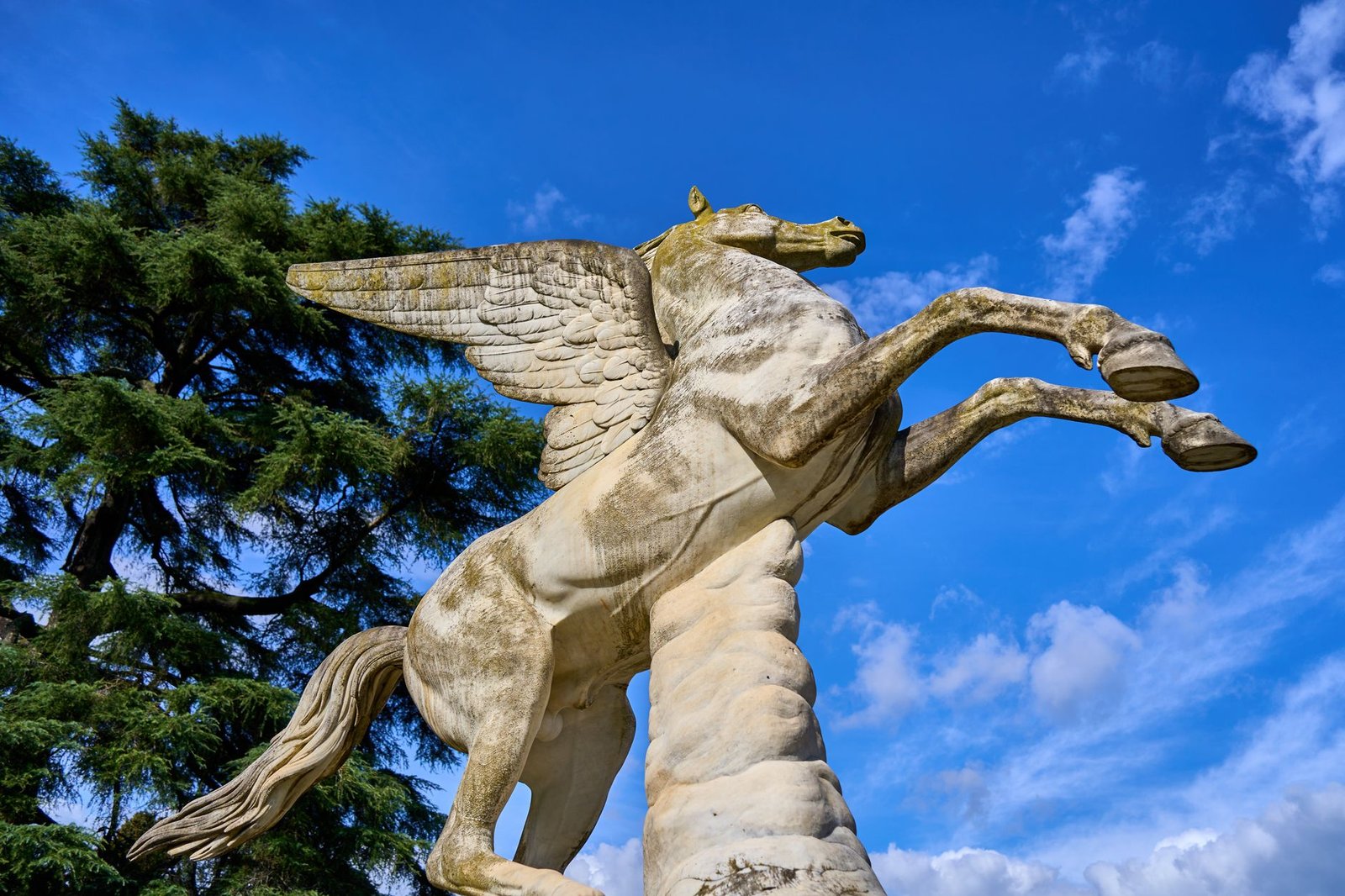
Pegasus: Mythology, Meaning, and Cultural Significance
Pegasus is one of Greek mythology’s most enduring figures, a winged horse linked to divine inspiration, heroic adventure, and the boundary between mortal and immortal worlds. From his extraordinary birth and his role with Bellerophon to the spring Hippocrene and later cultural symbols, Pegasus reveals how one mythic creature came to embody imagination, freedom, and artistic transcendence.
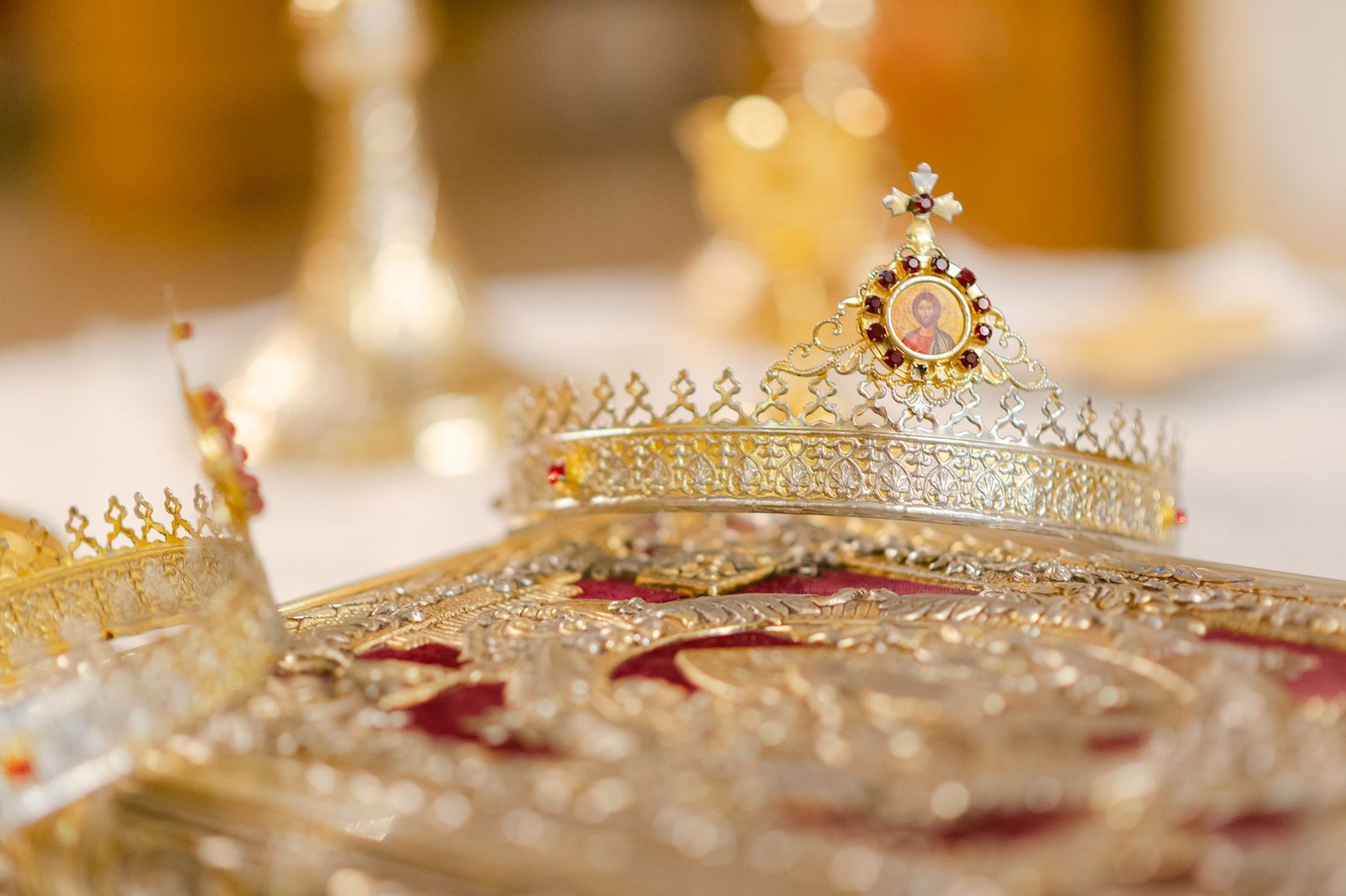
What Is the Atef Crown in Egyptian Mythology?
The Atef crown is a distinctive headdress in Egyptian mythology, most closely associated with Osiris and the themes of afterlife, kingship, and resurrection. This article explains its symbolic components, historical development, and appearance in temple and tomb art, revealing why it became such a powerful sign of divine authority and renewal.