Roman Mythology

Caduceus of Mercury: Meaning, Symbol, and History
The caduceus of Mercury is a herald’s staff entwined with two serpents, often crowned by wings, and in classical mythology it signified messengership, safe conduct, negotiation, and practical intelligence. Though frequently mistaken for the symbol of healing, its history is distinct from the Rod of Asclepius, and its long artistic and cultural afterlife reveals why this ancient emblem still invites careful study.
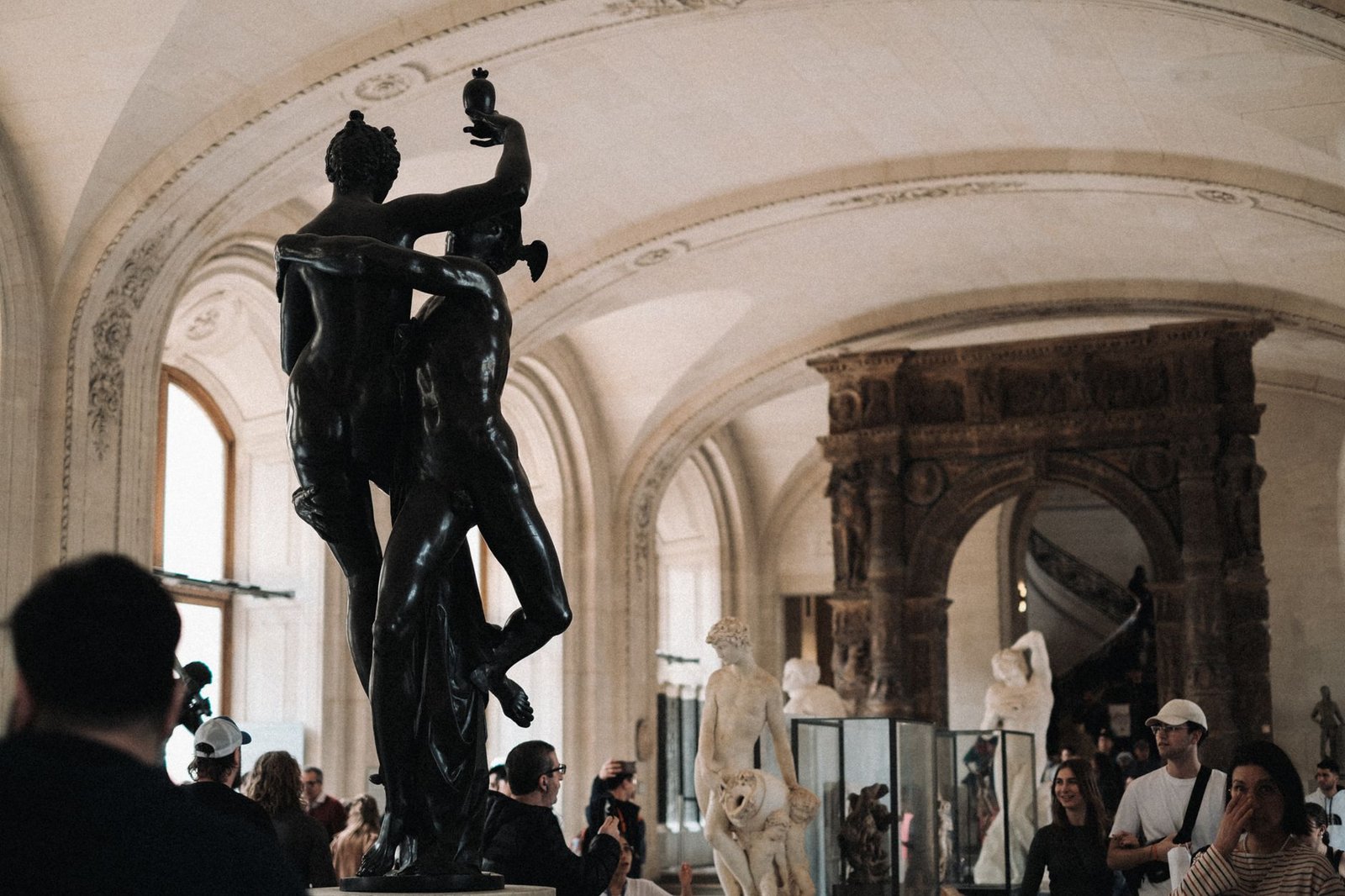
Winged Sandals of Mercury (Talaria): Mythological Guide
The Winged Sandals of Mercury, or talaria, are a striking symbol of divine speed in Greco-Roman mythology, most closely linked with Mercury and Hermes. This article explores their shifting ancient descriptions, their meanings of mobility and authority, and the enduring role they play in art, literature, and cultural imagination.
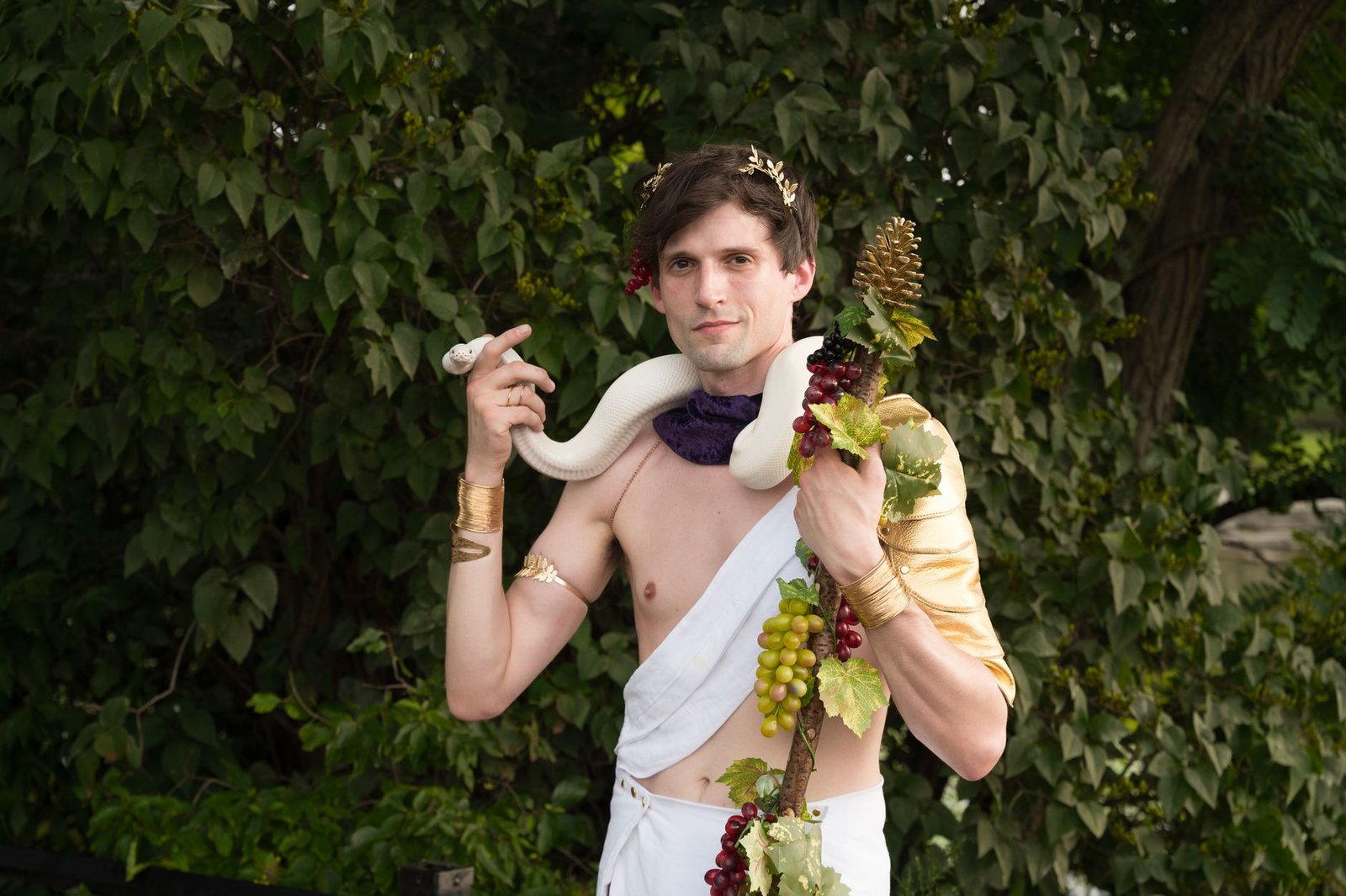
Thyrsus of Bacchus: Meaning, Symbolism, and History
The thyrsus of Bacchus is a ritual staff from Greco-Roman mythology, typically crowned with ivy, vine leaves, or a pinecone, and closely linked to Dionysus, the god of wine, ecstasy, fertility, and inspiration. As both sacred emblem and symbol of ecstatic power, it reveals the deeper world of Dionysian ritual, where celebration, transformation, and divine influence meet.

Girdle of Venus: Meaning, History, and Symbolism
The Girdle of Venus is the mythic sash associated with Venus and Aphrodite, described in ancient literature as a source of desire, persuasion, and irresistible charm. From Homer’s *Iliad* to later art and poetry, it reveals how classical myth linked beauty with magical power and enduring cultural symbolism.
Bow and Arrows of Cupid: Symbolism and Mythology
The bow and arrows of Cupid, first shaped in classical Greek and Roman tradition, symbolize love as a force that strikes suddenly, alters desire, and can bring both delight and suffering. Tracing their origins in the figure of Eros and their enduring presence in art and literature, this article explores how Cupid’s weapons came to define Western ideas of romance and its darker uncertainties.

Rudder of Fortuna: Meaning, History, and Symbolism
The Rudder of Fortuna is a classical symbol linked to the Roman goddess of fortune, portraying her as the power that steers human affairs toward prosperity, hardship, or sudden change. Often shown with a cornucopia or wheel, this image reveals how ancient writers and artists understood fate as both guiding and unstable, inviting closer study of its lasting influence.

Cornucopia of Abundance: Meaning, Symbolism, and History
The Cornucopia of Abundance, or horn of plenty, is an enduring symbol of prosperity rooted in Greek and Roman myth, where overflowing fruit and grain signified divine favor, fertility, and harvest wealth. Its long history in art, coinage, and emblematic tradition reveals how a single image came to embody the idea of plenty across centuries and cultures.

Laurel Wreath of Triumph: Meaning, History, and Symbolism
The laurel wreath of triumph is an enduring emblem of victory in Greek and Roman culture, woven from sacred bay leaves and linked to Apollo, athletic contests, military honors, and poetic achievement. Its story reveals how a simple wreath became a powerful sign of triumph, authority, and divine favor—meanings that continue to shape modern symbols today.

Palladium of Vesta: Meaning, History, and Symbolism
The Palladium of Vesta refers to a complex Roman religious idea linking the protective Palladium with Vesta’s sacred hearth and eternal flame, symbols of a city’s divine security. Often discussed in antiquarian and mythological studies, it invites closer examination of how Romans understood ritual objects, civic identity, and the survival of Troy’s legacy in Rome.

Serpent of Aesculapius Arrival in Rome: History and Legend
The Serpent of Aesculapiuss Arrival in Rome recounts how, amid a plague in 293 BCE, Roman leaders consulted divine texts and sent envoys to Epidaurus to obtain the healing god Aesculapius. When a sacred serpent reportedly returned with them and disembarked on the Tiber Island, the episode helped establish a lasting cult, linking Greek religion, public health, and Rome’s sacred landscape.