Thyrsus of Bacchus
Introduction
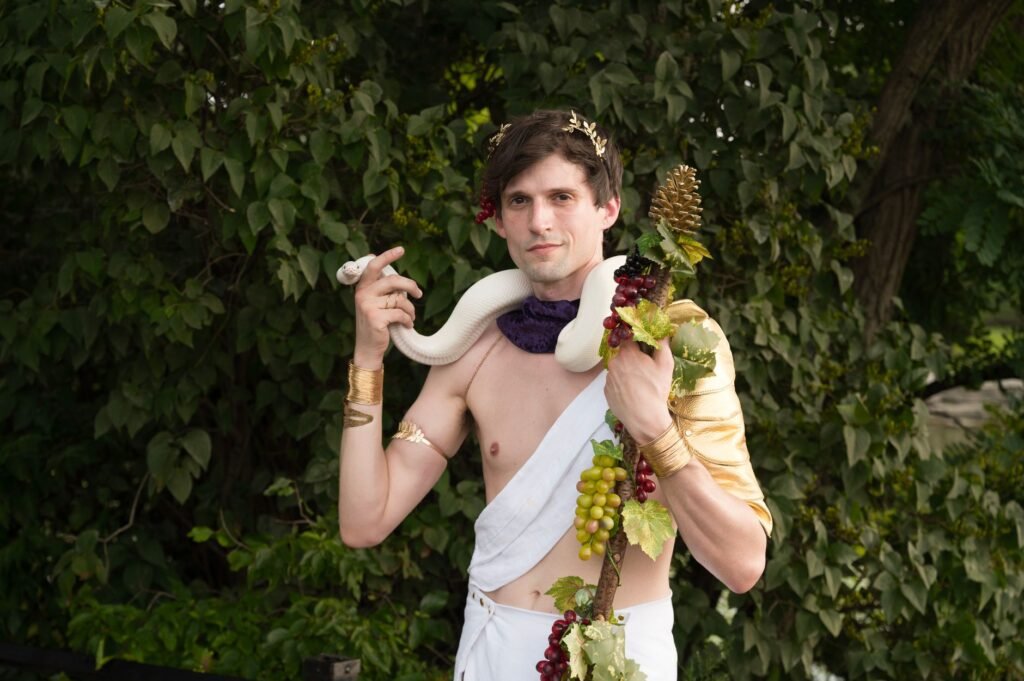
The thyrsus of Bacchus is one of the most recognizable ritual implements in Greco-Roman mythology. Usually described as a staff or wand tipped with ivy or vine leaves and often crowned with a pinecone, the thyrsus is closely associated with Bacchus—the Roman name for Dionysus, the god of wine, ecstasy, fertility, theatre, and divine inspiration. In ancient literature and art, the thyrsus appears as both a sacred object and a symbol of the god’s power to bless, intoxicate, inspire, and unsettle.
The thyrsus is important not only as an attribute of a deity but also as a marker of the Dionysian world itself: ritual celebration, ecstatic procession, transformation, and the crossing of ordinary boundaries. It is one of the most enduring symbols of ancient mystery cults and has remained influential in art, literature, and cultural imagery for centuries.
Origin and Meaning
The word thyrsus comes from the Greek θύρσος (thyrsos). In antiquity, the term could refer more broadly to a staff or wand, but in religious and literary usage it came to denote the distinctive wand carried by Dionysus and his followers.
The exact etymology of thyrsos is not fully certain. Ancient and modern scholars have proposed different explanations, but no single derivation is universally accepted. What is clear is that by the classical period the word had become inseparable from Dionysian ritual language.
The thyrsus is generally understood as a ritual staff rather than a weapon, though myths sometimes portray it as capable of destructive force. In Greek and Roman tradition, it symbolized:
- ecstatic inspiration
- fertility and vegetative vitality
- ritual authority
- the ambiguous power of Dionysus/Bacchus
- the union of civilization and wild nature
Historical Context
The thyrsus belongs to the religious world of Dionysian worship, which developed across the Greek-speaking world and later spread deeply into Roman culture. Dionysus was a complex deity: a god of wine and vine-culture, but also of theatre, altered states, divine madness, and liberation from social constraints.
Dionysian Religion
Dionysian cults were marked by:
- processions and dancing
- music, especially pipes and percussion
- wine-drinking and ritual intoxication
- ecstatic or trance-like behavior
- symbolic inversion of ordinary social roles
- associations with fertility and seasonal renewal
Within this context, the thyrsus functioned as a visible sign of participation in the god’s sphere. It was carried by Dionysus himself, by maenads (female devotees or companions), and often by satyrs and other attendants in mythic and artistic representations.
Classical and Hellenistic Development
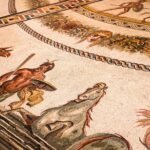
By the classical era, the thyrsus had become a fixed iconographic attribute. Vase painting, sculpture, and literary texts repeatedly identify Dionysus through the staff. During the Hellenistic and Roman periods, the image became even more widespread, appearing in ceremonial art, mosaics, frescoes, and decorative sculpture.
Religious and Social Meaning
The thyrsus did not merely indicate a god’s presence. It also embodied a worldview in which divine power could be experienced through ritual enthusiasm, music, and wine. To the Greeks and Romans, this was not simply a symbol of pleasure. It was a force that could be creative or dangerous, civilizing or chaotic, depending on how it was encountered.
Main Characteristics
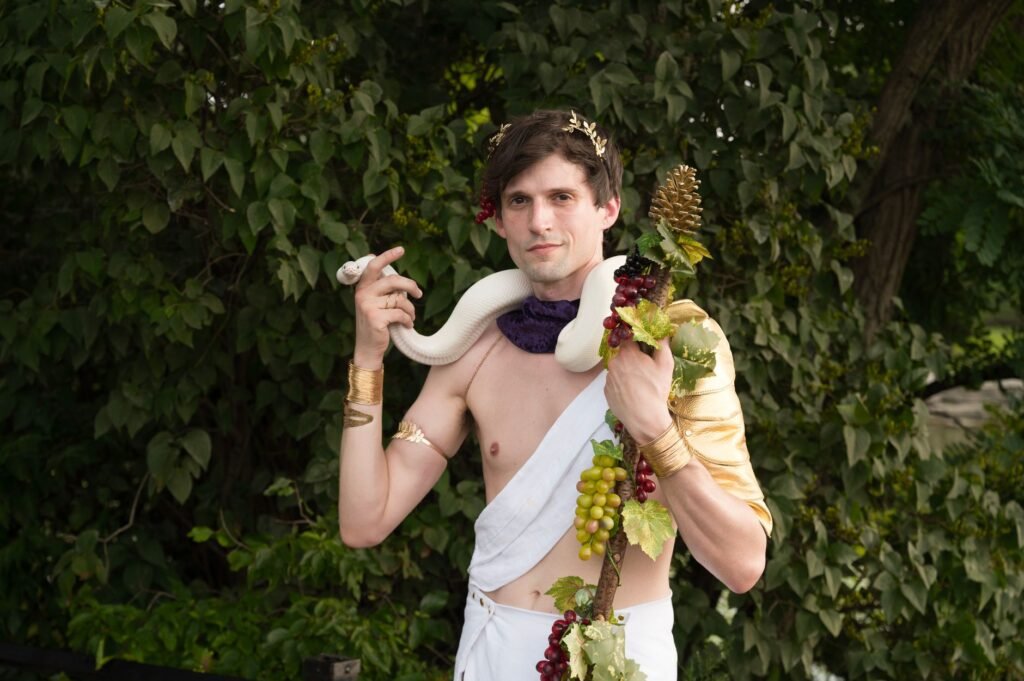
The thyrsus is typically depicted as a long staff or wand with a vegetal topping and ornamentation. Its appearance varies somewhat across sources and artworks, but several features recur.
Common Features of the Thyrsus
| Feature | Description | Symbolic Meaning |
|---|---|---|
| Staff or wand | Long handheld rod | Authority, ritual action, processional identity |
| Pinecone top | Often shown at the tip | Fertility, life force, evergreen vitality |
| Ivy or vine leaves | Wrapped around the shaft or crown | Dionysus, wine, perennial growth |
| Fennel stalk | In some ancient descriptions, the staff is made from giant fennel | Ritual nature, lightness, and vegetal symbolism |
| Ribbons or fillets | Decorative bands sometimes attached | Festival, consecration, cultic decoration |
Distinctive Qualities
The thyrsus is unusual because it combines vegetal imagery with a potentially forceful shape like a spear or staff. This gives it a dual character:
- it is life-giving
- it is ritualistic
- it can be joyful
- it can also be menacing
This ambiguity reflects the broader nature of Dionysus, a deity who brings both ecstasy and disruption.
Family and Genealogy
The thyrsus itself is not a divine person and therefore has no genealogy in the usual mythological sense. However, its identity is inseparable from the family and cultic circle of Dionysus.
Association with Dionysus/Bacchus
Dionysus was traditionally regarded as the son of:
- Zeus
- Semele, a mortal woman, in the most familiar Greek tradition
Alternative traditions also exist in Orphic and other religious sources, where Dionysus may have different divine lineages. These variations do not change the thyrsus’s place in his cultic symbolism.
Associated Companions
The thyrsus is commonly carried by:
- Maenads: ecstatic female followers of Dionysus
- Satyrs: male nature spirits associated with wine, lust, and revelry
- Bacchants: Romanized followers of Bacchus
- Sileni: older satyr-like figures connected with the god’s retinue
In myth and iconography, these figures help define the thyrsus as part of a wider sacred entourage rather than a solitary object.
Symbols
The thyrsus is itself a symbol, but it is also associated with a group of other sacred signs that reinforce its meaning.
Key Symbolic Elements
- Pinecone: often interpreted as a sign of fertility, abundance, and life
- Ivy: linked to Dionysus because it is evergreen and resilient
- Vine leaves and grape clusters: direct references to wine and vine-culture
- Fennel: in some ancient descriptions, used as the material for the wand
- Ribbons: festive and ritual decoration
- Staff shape: authority, pilgrimage, procession, and sacred action
Symbolic Interpretation
The thyrsus can be read as a synthesis of several Dionysian themes:
- Vegetation and renewal
- Ecstasy and altered consciousness
- Sacred ritual power
- Boundary-crossing between wild and civilized life
- The god’s dual capacity for pleasure and punishment
Because of this range of associations, the thyrsus became a compact visual shorthand for Dionysian religion in both ancient and later art.
Sacred Animals
Dionysus is connected with several animals, and the thyrsus often appears in scenes involving them. The object itself is not an animal symbol, but it belongs to a broader Dionysian landscape populated by sacred creatures.
Associated Animals
| Animal | Meaning |
|---|---|
| Leopard or panther | Exotic power, untamed energy, Dionysian magnificence |
| Tiger | Often used in later art to signify the god’s eastern or exotic aspects |
| Goat | Fertility, rustic sexuality, sacrifice, and pastoral life |
| Bull | Vital force, strength, and sacrificial significance |
| Donkey | Comic and earthy associations in some mythic and ritual contexts |
| Snake | Earth power, renewal, transformation, and mystery |
The Thyrsus and Animal Imagery
In many artworks, the thyrsus is carried alongside animals or animal skins, especially the fawnskin traditionally worn by Bacchic devotees. The combination emphasizes the god’s connection to wilderness and instinctive life.
Sacred Plants
The thyrsus is especially important because it is inseparable from sacred vegetation. It is not only decorated with plants; in some accounts, it is made from them.
Principal Plants
- Ivy: the most characteristic plant of Dionysus, associated with endurance and sacred intoxication
- Vine: central to wine, fertility, and Dionysian culture
- Grape clusters: direct symbols of the god’s gift of wine
- Pine: especially through the pinecone tip, often linked to fertility and perennial life
- Fennel: mentioned in some ancient descriptions as the stalk material of the thyrsus
Vegetal Meaning
Plants matter in Dionysian symbolism because Dionysus is a god of growth, seasonal vitality, and the transformation of raw nature into cultivated pleasure. The thyrsus, as a plant-bearing staff, unites these meanings in one object.
Sacred Places
The thyrsus was not limited to one sanctuary or city, but it appears in many locations connected with Dionysian worship.
Important Geographic and Cultic Contexts
- Greece: especially Attica, Boeotia, Thrace, and other regions with strong Dionysian traditions
- Athens: important for dramatic and civic Dionysian festivals
- Delphi: where Dionysian and Apollonian traditions intersected in religious imagination
- Mount Cithaeron: often linked in myth to ecstatic Bacchic rites
- Mount Parnassus: associated with Dionysian revelry in some literary traditions
- Thebes: central in major myths about Dionysus, especially in Euripides
- Rome: where Bacchic imagery entered art, ritual, and literature
- Campania and southern Italy: notable for Dionysian and later Roman decorative art, including frescoes
Sanctity of Processional Space
The thyrsus is often connected less with fixed temples than with movement—processions, mountain rites, theater festivals, and ritual wandering. This reflects the god’s fluid, mobile, and often transgressive nature.
Powers and Attributes
The thyrsus does not have independent powers in the way a deity does, but it represents and mediates Dionysus’s domains.
Primary Domains
- wine and viticulture
- fertility and vegetative growth
- ecstasy and ritual enthusiasm
- theatre and performance
- divine madness
- liberation from restraint
- transformation and metamorphosis
Functional Significance
In myth, the thyrsus can be portrayed as:
- a wand of blessing
- a symbol of initiation
- an emblem of divine procession
- a tool of miraculous or frightening power
Some stories and artistic traditions suggest that Bacchic staffs could be associated with extraordinary effects, but it is important to distinguish mythic symbolism from literal magical claims. Ancient sources emphasize its ritual and emblematic role more than any standardized supernatural function.
Main Myths
The thyrsus appears in many Dionysian myths, though often as part of a wider scene rather than as the sole focus.
Dionysus and the Maenads
One of the most familiar images is Dionysus surrounded by maenads carrying thyrsi during ecstatic dances. In myth and art, these women are portrayed as followers who enter a state of divine possession or ritual frenzy.
The Bacchae
In Euripides’ Bacchae, Dionysus returns to Thebes and reveals the power of his cult. The play is a central literary source for understanding the terror and majesty of Dionysian worship. Bacchic followers in the play carry thyrsi as part of their ritual equipment.
Pentheus
In the same play, King Pentheus rejects Dionysus and attempts to suppress the god’s cult. His destruction dramatizes the consequences of resisting the god’s power. The thyrsus in this context is part of a religious order that Pentheus fails to understand.
Midas and Satyrs
Myths involving Midas, Silenus, and satyrs also belong to the broader Bacchic world in which the thyrsus appears. These stories emphasize wealth, desire, folly, and the unpredictable gifts of the god.
Miraculous and Violent Uses
In some literary and artistic traditions, the thyrsus is linked to both fertility and violence. This reflects the paradox of Dionysian myth: the same power that inspires joy can also overwhelm those who do not respect it.
Relationship with Other Mythological Figures
The thyrsus is primarily associated with Dionysus, but it also connects him to many other figures in Greek and Roman mythology.
Dionysus/Bacchus
The closest association is, of course, with Dionysus himself. The thyrsus functions almost as an extension of the god’s identity.
Maenads and Bacchants
These female devotees carry the thyrsus as a sign of sacred participation. In many representations, the staff marks them as belonging to the god’s retinue.
Satyrs and Sileni
These figures often hold thyrsi while dancing, drinking, or accompanying Dionysus. They reinforce the staff’s associations with revelry and the wild.
Ariadne
As Dionysus’s consort in many traditions, Ariadne participates in his mythic circle. While not especially associated with the thyrsus directly, she belongs to the broader Dionysian world in which the symbol is prominent.
Pentheus and Other Opponents
Figures who resist Dionysus—most famously Pentheus—stand in contrast to the thyrsus and what it represents. Their resistance highlights the staff’s role as a marker of legitimate divine authority.
Worship and Cult
The thyrsus was used in religious and festive contexts tied to Dionysian worship. Because Dionysian religion varied across region and period, ritual practice was not uniform.
Ritual Contexts
The thyrsus may appear in:
- processions
- dances
- mystery or initiation rites
- theatrical festivals
- seasonal celebrations of fertility and wine
- private and communal cult gatherings
Offerings and Practices
Ancient Dionysian worship could include:
- libations of wine
- singing and music
- garlands and floral adornment
- animal sacrifice in some contexts
- ecstatic dancing
- dramatic performance as a civic-religious act
The thyrsus was not necessarily an offering itself, but a cultic implement and emblem used in ritual behavior.
Festive Role
In the Greek world, Dionysian festivals were important civic events, especially in Athens, where theater developed within the god’s religious framework. The thyrsus therefore belongs not only to “wild” religion but also to highly organized public cult.
Ancient Sources
The thyrsus is well attested in classical literature and visual culture. Different authors emphasize different aspects of it.
Major Ancient Sources
- Euripides, Bacchae: one of the most important literary sources for Dionysian ritual and the thyrsus
- Homeric Hymns: later hymn traditions associated with Dionysus and his cultic identity
- Apollodorus, Bibliotheca: useful for mythological summaries involving Dionysus
- Nonnus, Dionysiaca: a late antique epic rich in Bacchic imagery
- Ovid, Metamorphoses: important for Roman literary representations of Dionysian material
- Pausanias, Description of Greece: valuable for cultic and regional references
- Plutarch and other later writers: occasionally useful for religious interpretation
What the Sources Show
Ancient authors do not always agree on details such as the exact materials or ritual functions of the thyrsus. However, they consistently treat it as a hallmark of Dionysian identity and a sign of sacred ecstasy.
Roman Equivalent
In Roman religion and literature, Dionysus was identified with Bacchus and often also with Liber in broader cultic syncretism. The thyrsus carried over into Roman culture largely unchanged in meaning, though its setting shifted.
Roman Adaptation
In Roman contexts, the thyrsus became prominent in:
- literary descriptions of Bacchic rites
- wall painting and mosaic decoration
- sculptural groups of Bacchus and his attendants
- festival imagery and theatrical iconography
The Romans generally preserved the Greek symbolism, but they often gave it a more ornamental or domestic artistic form. In some periods, Bacchic imagery could also be associated with luxury, artistic sophistication, and the pleasures of cultivated life.
Influence on Modern Culture
The thyrsus of Bacchus continues to appear in modern culture as a symbol of revelry, inspiration, and classical antiquity.
Literature and Poetry
Writers have used the thyrsus as a metaphor for:
- poetic frenzy
- artistic inspiration
- sensual excess
- the tension between order and ecstasy
It appears frequently in Romantic, neoclassical, and symbolist literature, where Bacchic imagery often stands for creative abandon.
Visual Art
Artists have repeatedly depicted Bacchus or Dionysus with the thyrsus in:
- Renaissance painting
- Baroque allegory
- neoclassical sculpture
- 19th-century academic art
- modern decorative design
Theatre and Opera
Because Dionysus is the god of theatre, the thyrsus often appears in stage-related imagery, costumes, and theatrical allegory.
Contemporary Popular Culture
The symbol appears in:
- fantasy art
- role-playing games
- video game iconography
- graphic novels
- branding that evokes ancient luxury or celebration
Its meaning usually remains tied to wine, pleasure, vitality, and ritual excess, even when the historical context is simplified.
Curiosities
- The thyrsus is one of the few mythological symbols that is simultaneously a plant object, a ritual implement, and a visual emblem.
- In some ancient descriptions, the staff is specifically linked to giant fennel, not wood.
- The thyrsus is often shown with a pinecone top, a detail that modern viewers may not immediately recognize as symbolic.
- It is frequently associated with women in ritual trance, especially maenads, which makes it a distinctive symbol in gendered religious imagery.
- Dionysian staffs and wands inspired later ceremonial imagery in European art, though these later uses are not direct continuations of ancient cult.
- The thyrsus is sometimes misunderstood as a weapon, but in most ancient contexts it is better understood as a cult symbol with ritual force.
Frequently Asked Questions
What is the thyrsus of Bacchus?
The thyrsus of Bacchus is a ritual staff or wand associated with the Roman god Bacchus, the equivalent of the Greek Dionysus. It is one of the god’s main identifying symbols.
What does the thyrsus symbolize?
It symbolizes wine, fertility, ecstasy, divine inspiration, ritual authority, and the power of Bacchus/Dionysus over both joy and disorder.
What is the thyrsus made of?
Ancient sources and artistic depictions vary. It is often shown as a staff decorated with ivy, vine leaves, and a pinecone. Some sources describe it as made from giant fennel.
Who carries the thyrsus?
Bacchus/Dionysus carries it, and so do his followers, especially maenads, bacchants, satyrs, and sileni in myth and art.
Is the thyrsus a weapon?
Not usually. It is primarily a sacred staff or ritual emblem. However, myths sometimes portray Bacchic forces as dangerous or overwhelming, which can give the thyrsus an intimidating appearance.
What is the difference between Bacchus and Dionysus?
Dionysus is the Greek god; Bacchus is the Roman name and adaptation of the same deity. The thyrsus belongs to both traditions.
Why is the thyrsus important in mythology?
It is important because it condenses many Dionysian themes into a single object: ritual, ecstasy, vegetation, theatricality, and the god’s power to transform human experience.
Where do we see the thyrsus in ancient art?
It appears in vase painting, sculpture, mosaics, frescoes, reliefs, and literary descriptions of Dionysian processions and revelry.
Conclusion
The thyrsus of Bacchus is far more than a decorative staff. In ancient mythology and religion, it served as a powerful emblem of Dionysian worship, uniting themes of fertility, ecstasy, vegetation, performance, and divine authority. Its repeated appearance in Greek and Roman sources shows how central it was to the visual and conceptual identity of Bacchus/Dionysus.
Because the thyrsus embodies both delight and danger, order and frenzy, it remains one of the most compelling symbols in classical mythology. Its enduring presence in art and literature reflects the lasting fascination of the Dionysian world: a world where nature, ritual, and human emotion meet in one charged and unforgettable image.

Orin Vale has spent the better part of two decades tracing the threads that connect the world’s oldest stories — from the halls of Asgard to the banks of the Nile, from Olympus to the jungles of the Maya. What began as a childhood fascination with flood myths and trickster gods grew into years of independent study across comparative mythology and ancient religion, always chasing the same question: what did these stories mean to the people who first told them? Orin writes for readers who want more than trivia — the ones looking for the beliefs, fears, and truths that myths were built to carry.