Greek religion

Staff of Asclepius: Meaning, Symbolism, and History
The Staff of Asclepius, a single serpent entwined around a wooden staff, is the ancient Greek emblem of healing, medicine, and the god Asclepius. Tracing its origins through temple worship, ritual practice, and later medical adoption, the symbol reveals a rich history often overshadowed by confusion with the caduceus.

Zeus’s Thunderbolt: Mythology, Meaning, and Origins
Zeuss Thunderbolt is one of the most enduring symbols in Greek mythology, embodying not only the king of the gods’ destructive weapon but also his authority over cosmos, justice, and legitimate rule. Tracing its origins in ancient literature and art reveals how this emblem of divine power shaped religious belief, political imagery, and later cultural traditions across the Mediterranean and beyond.
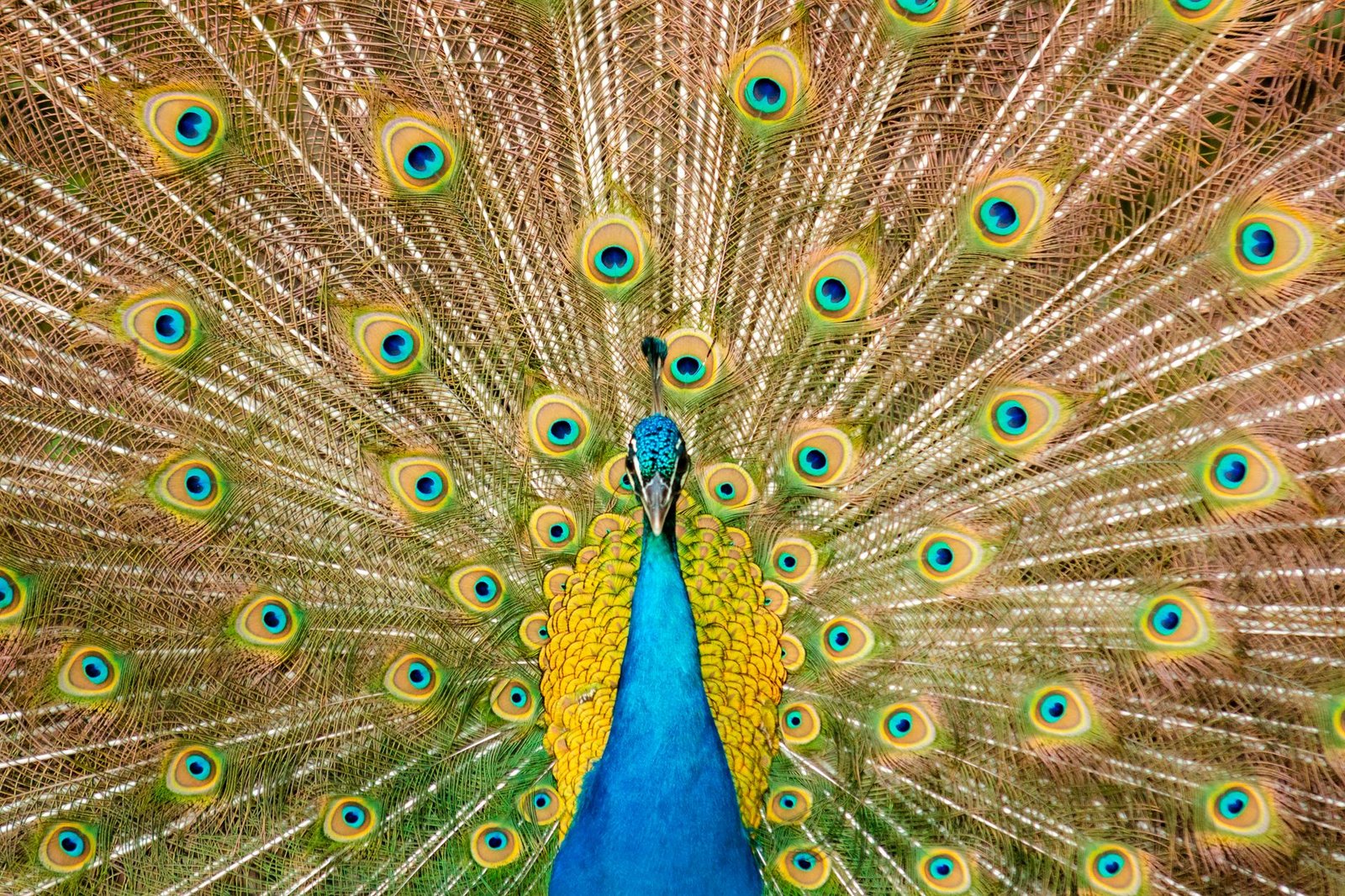
Hera’s Peacock: Meaning, Mythology, and Symbolism
Hera’s peacock is a striking emblem of the Greek queen of the gods, uniting royal grandeur, vigilance, and mythic meaning in a single image. Emerging in later tradition, especially through the story of Argus Panoptes and in classical art, it reveals how a foreign bird became one of mythology’s most enduring symbols.
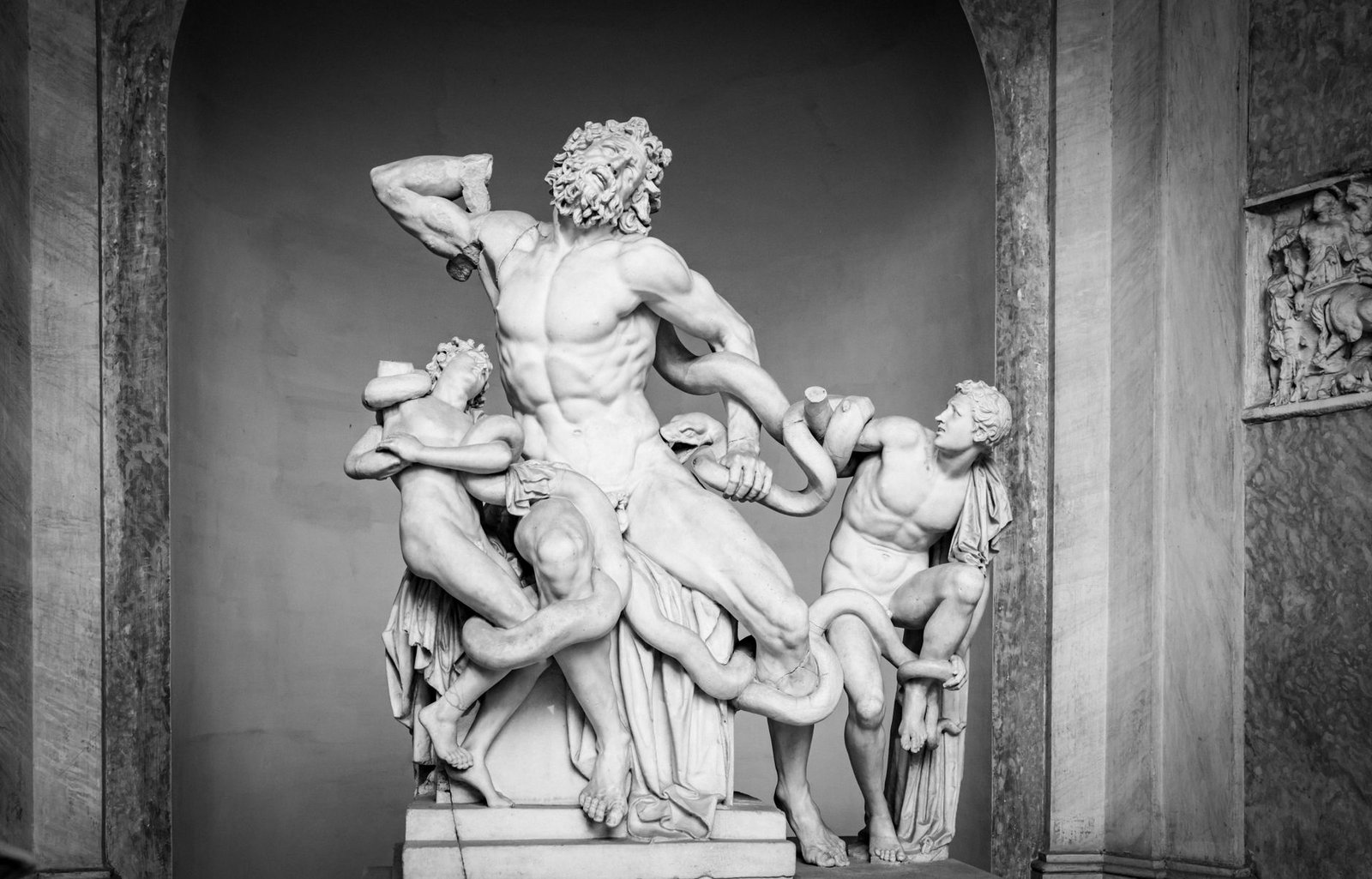
Palladium: Properties, Uses, and Chemical Characteristics
Palladium is the legendary sacred image of Athena, famed in Greek myth as the guardian of cities and a token of divine protection. From Troy to Rome, its story reveals how religion, kingship, and civic identity could merge into a symbol of legitimacy whose meaning still invites closer study.
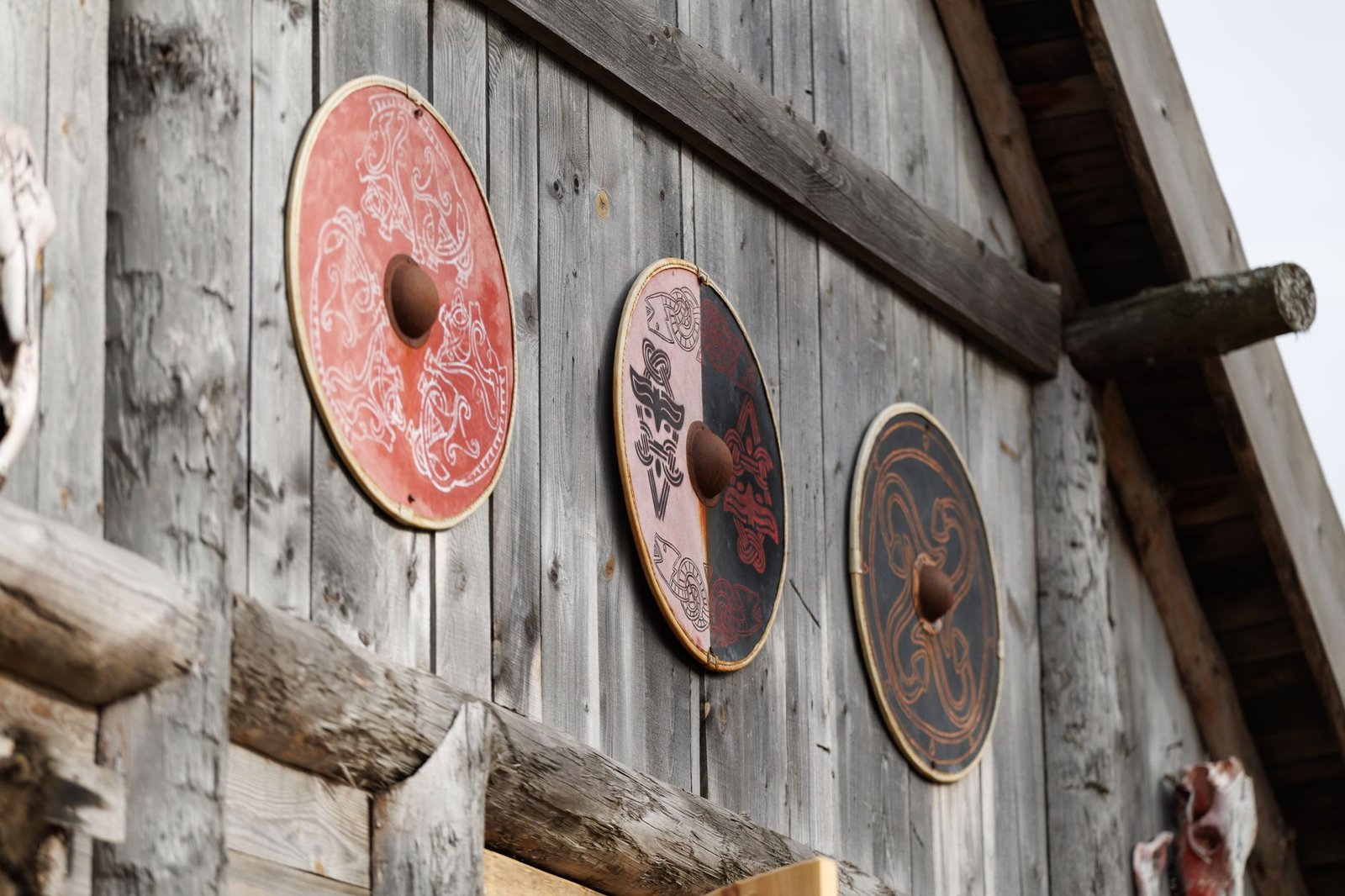
Shield of Achilles: Meaning, Description, and Mythology
The Shield of Achilles, forged by Hephaestus for Homer’s hero, is one of Greek literature’s most celebrated objects, famed not only for its divine craftsmanship but for the world it depicts. Through its scenes of war, peace, labor, and celebration, the shield offers a vivid vision of cosmic order and human life, inviting closer study of its symbolic power.

Scales of Themis: Meaning, Symbolism, and Mythology
The Scales of Themis links Greek ideas of divine law, order, and impartial judgment with the enduring image of balanced scales. This article traces how Themis evolved from a Titaness of cosmic custom into a lasting symbol of justice, and why that association still shapes modern legal and cultural imagery.
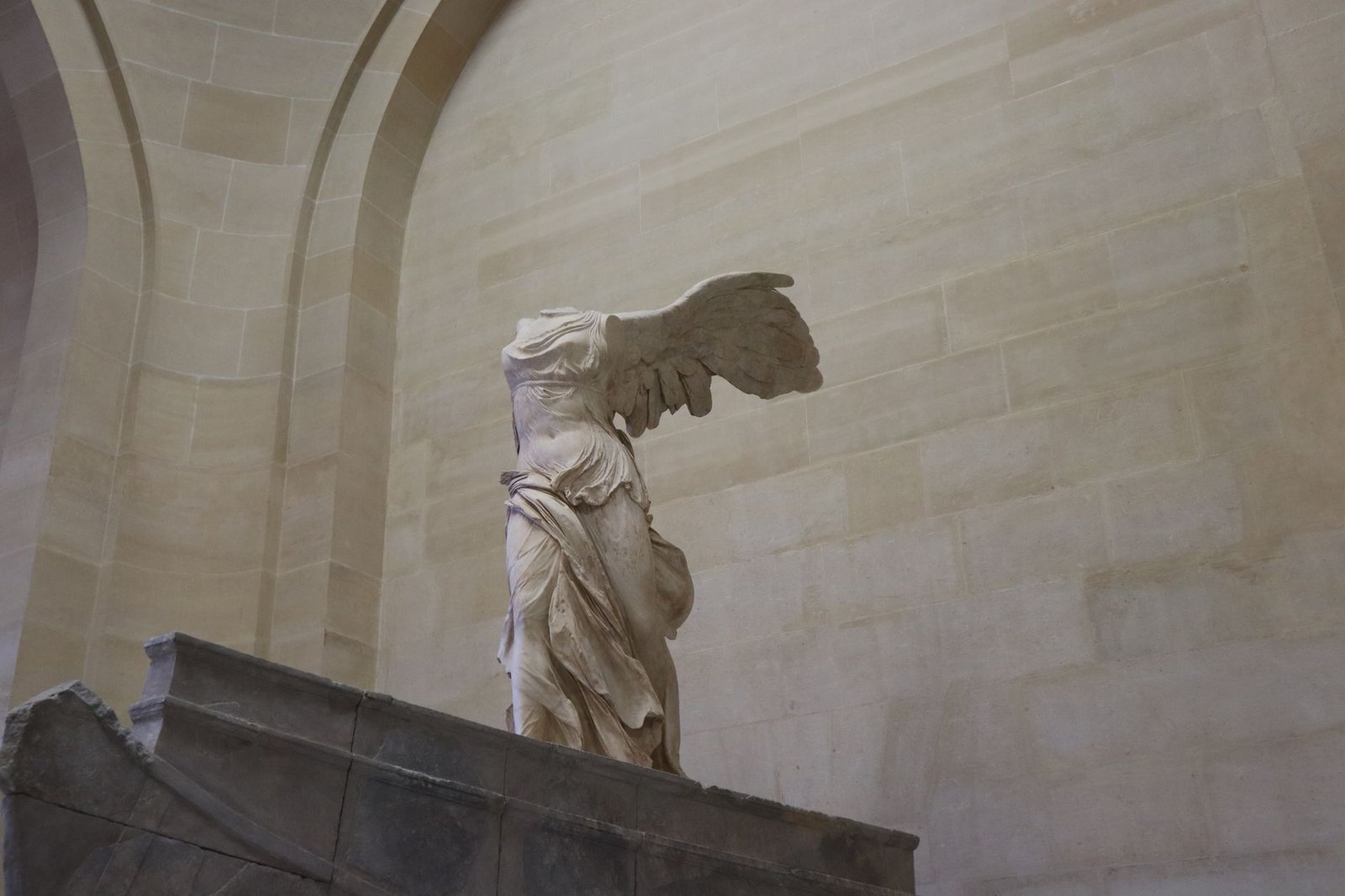
Nike’s Wings: Meaning, History, and Symbolism
Nike’s wings are a defining feature of Greek mythology and classical art, marking the goddess of victory as a swift, divine presence rather than a distant Olympian. They symbolize triumph, fleeting fortune, and heavenly favor, and their enduring image in sculpture, coinage, and literature invites a closer look at how victory was imagined in antiquity.

Sacred Flame of Hestia: Meaning, Myth, and Worship
The **Sacred Flame of Hestia** occupied a central place in ancient Greek religion, linking the goddess of the hearth to household stability, civic order, and ritual life. Exploring its origins and meanings reveals how a simple fire became a lasting symbol of continuity, divine presence, and the bond between private devotion and public identity.

Winnowing Fan of Dionysus: Ancient Greek Symbol and Meaning
The winnowing fan of Dionysus is a distinctive emblem in Greek religion, linking the god of wine and ecstasy to agriculture, purification, and ritual mystery. Appearing in art and cult scenes, it reflects both Dionysus’s rural origins and the layered symbolism that made his worship at once familiar, transformative, and enigmatic.

Lyre of Apollo: Meaning, Mythology, and Symbolism
The Lyre of Apollo is a central symbol in Greek mythology, linking the god of music, poetry, and prophecy with harmony, restraint, and divine inspiration. This article traces its cultural origins, its place in ancient art and literature, and the distinctions between lyra and kithara that reveal a richer story behind Apollo’s enduring emblem.