Greek religion
Cronus Swallowing His Children in Greek Mythology
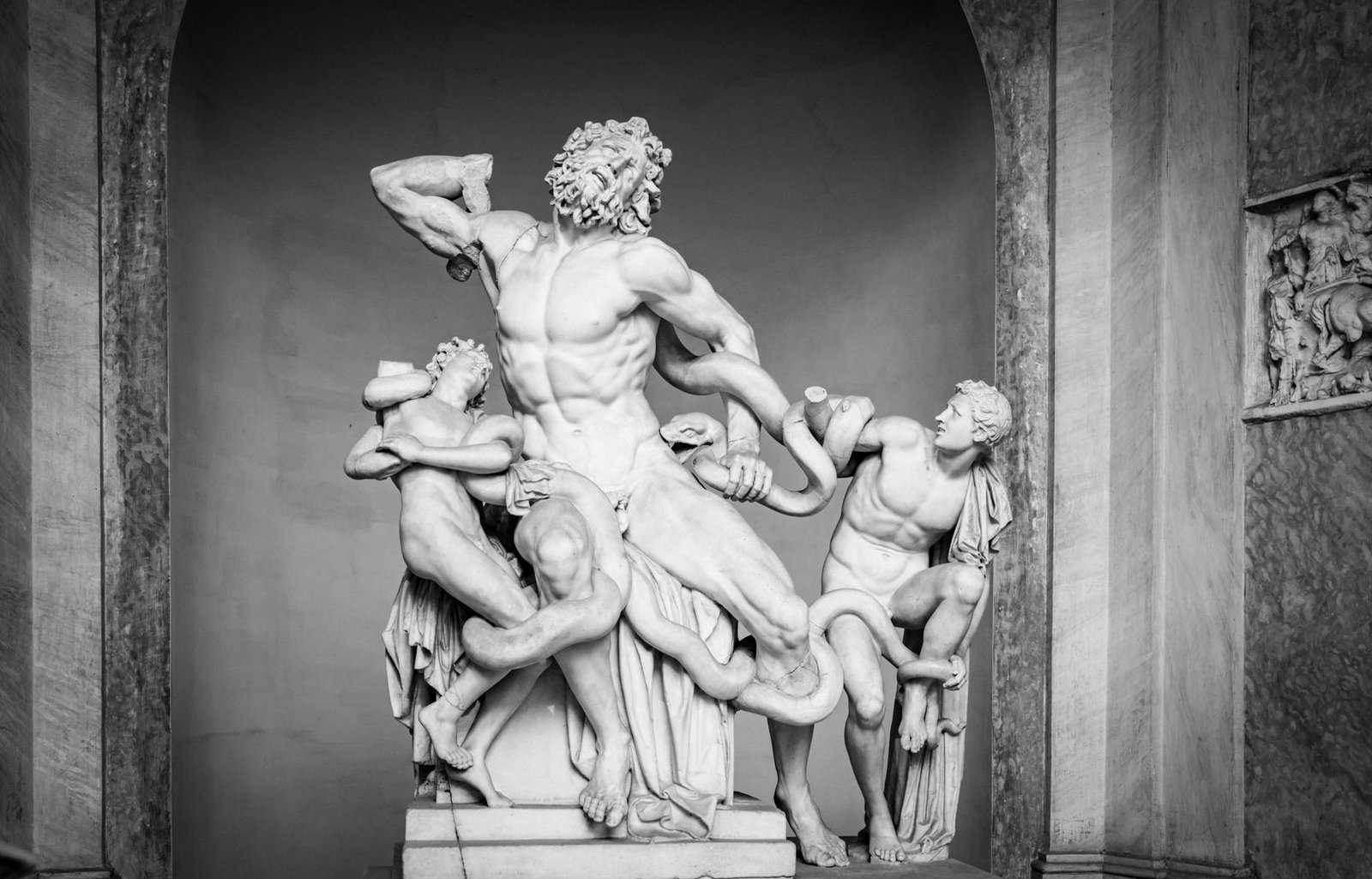
Cronus swallowing his children is a central episode in Greek mythology, depicting the Titan’s desperate attempt to prevent a prophecy of overthrow by consuming each newborn child. The story, preserved in Hesiod’s *Theogony*, reveals themes of power, succession, and fate, while setting the stage for Zeus’s survival and Cronus’s eventual defeat.
Titanomachy: Greek Mythology’s War of the Titans
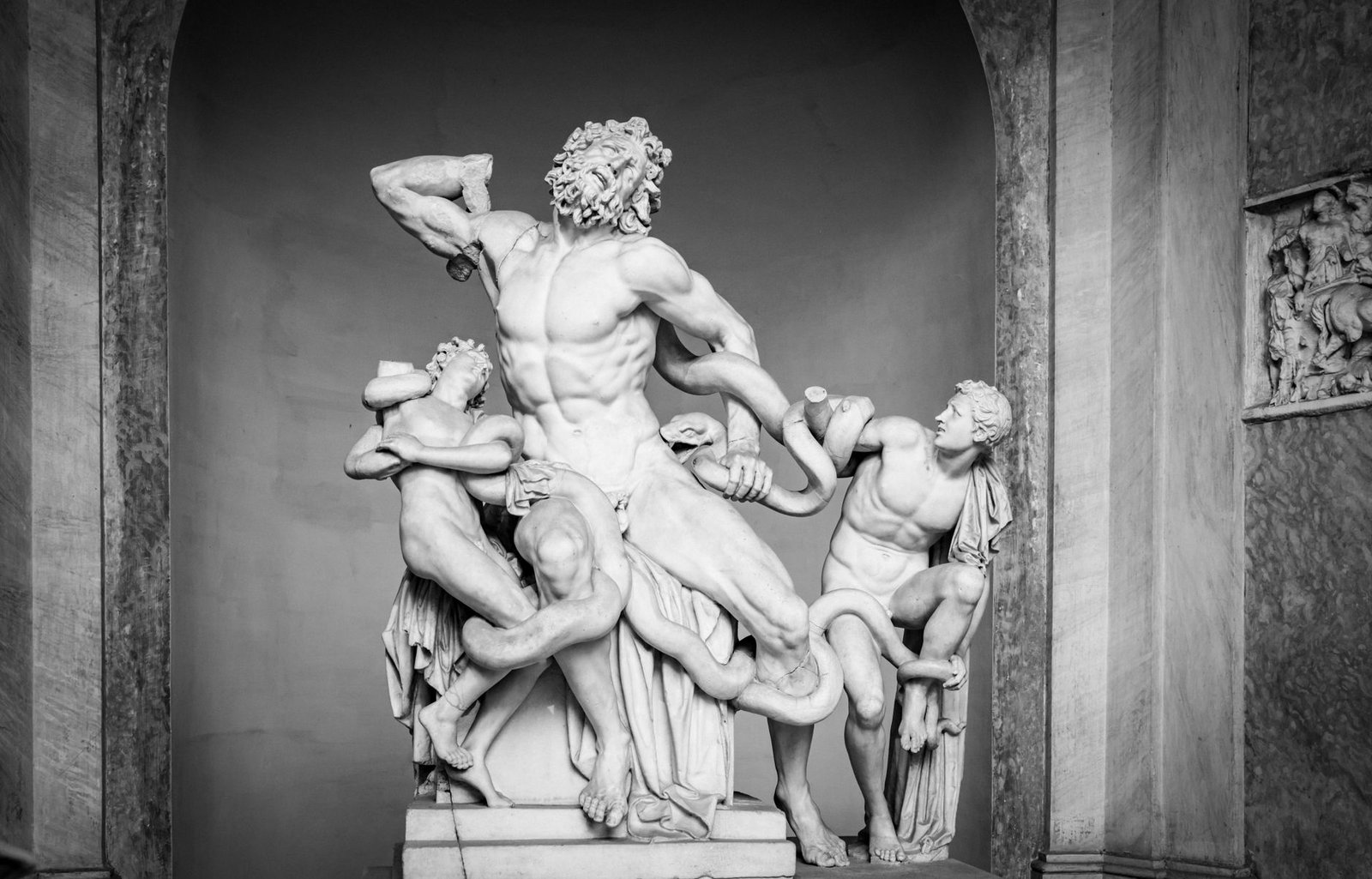
Titanomachy is the legendary Greek mythic war in which Zeus and the younger Olympian gods overthrew the Titans, ending an older divine order and establishing cosmic rule. This article explores its origins, meaning, and cultural legacy, showing how the conflict became a foundational story of succession, sovereignty, and the shaping of the Greek universe.
Gigantomachy: Definition, Myth, and Greek Origins
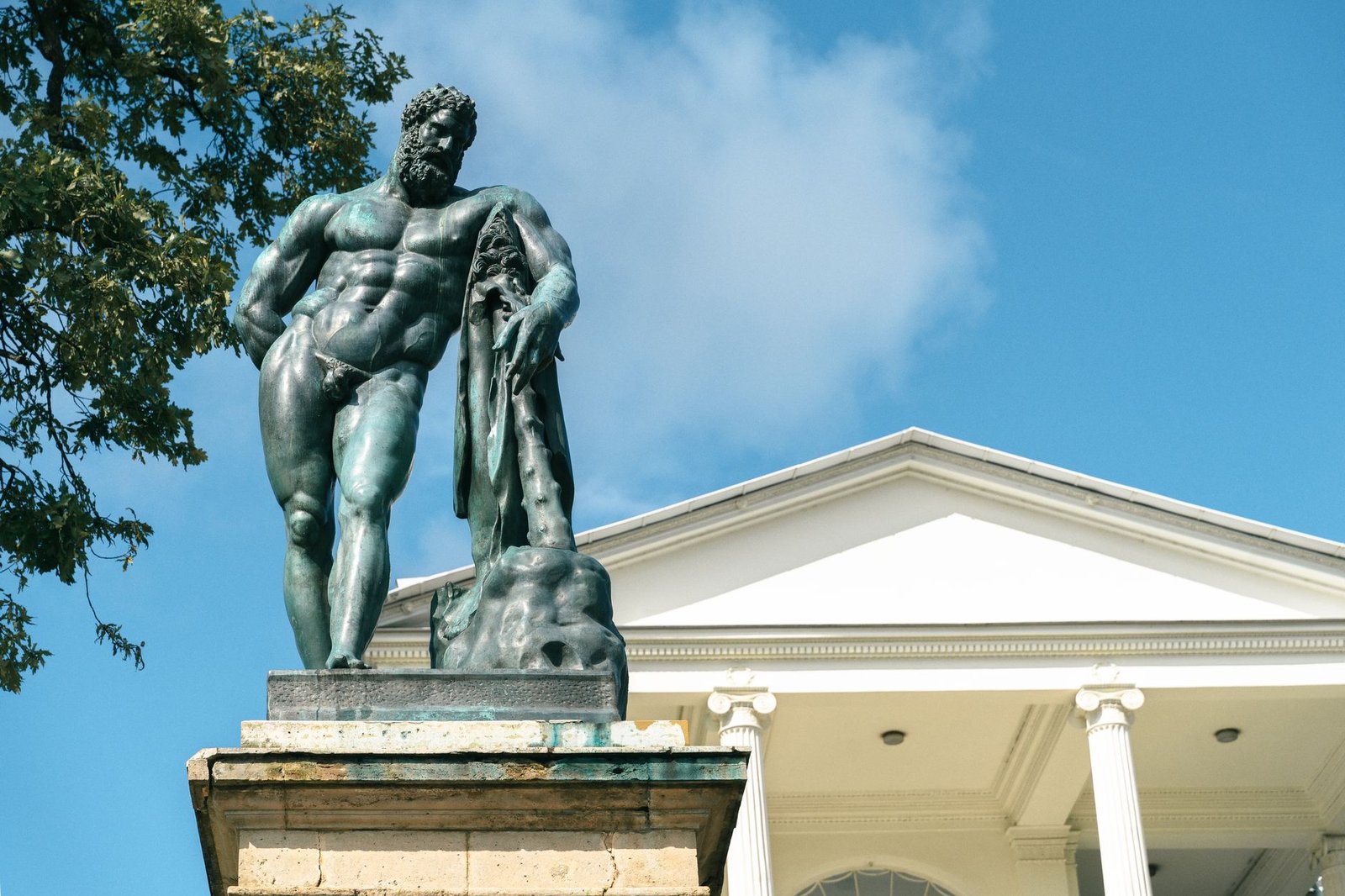
The Gigantomachy is the celebrated Greek myth of the Olympian gods’ war against the Giants, a cosmic struggle that embodies the victory of order over chaos. This article traces its origins, its distinction from the Titanomachy, and its powerful role in ancient religion and Athenian art, inviting a closer look at why the tale endured.
Typhon’s Rebellion Against Zeus in Greek Mythology
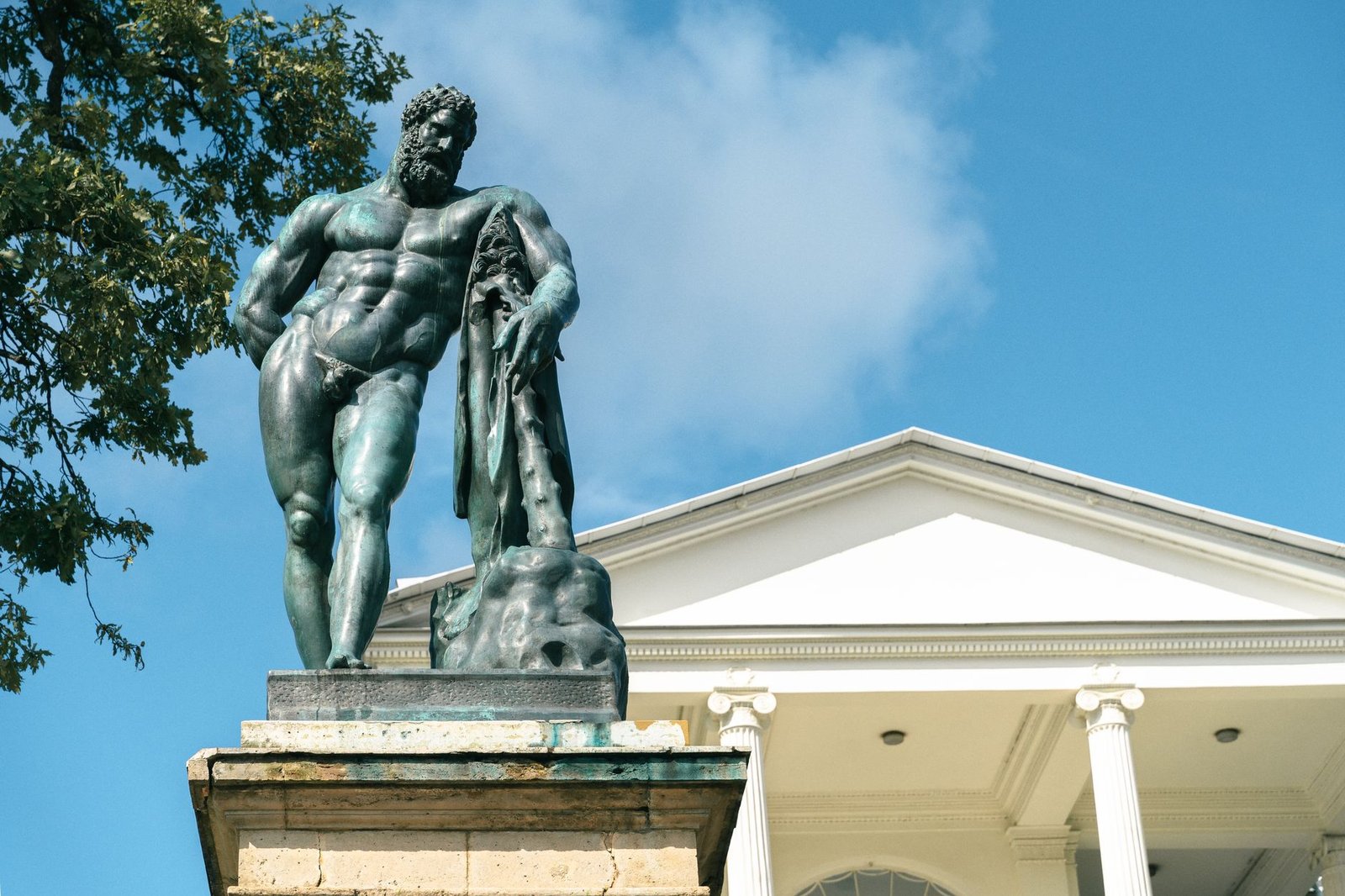
Typhons rebellion against Zeus stands among the great conflicts of Greek mythology, pitting the king of the gods against a monstrous challenger who threatened the order of the cosmos. Rooted in ancient traditions and retold by later writers, the myth explores divine kingship, chaotic force, and the struggle that secured Zeus’ supremacy.

Deucalion’s Flood: Greek Myth of the Great Flood
Deucalions flood is the Greek myth of a cataclysmic deluge sent by Zeus to destroy a corrupt human race, sparing only Deucalion and Pyrrha to preserve life. This enduring story, echoed in other ancient flood traditions, reveals how Greek myth linked divine judgment, human survival, and the possibility of renewal.
Zeus and Leda: Greek Myth and the Swan Legend
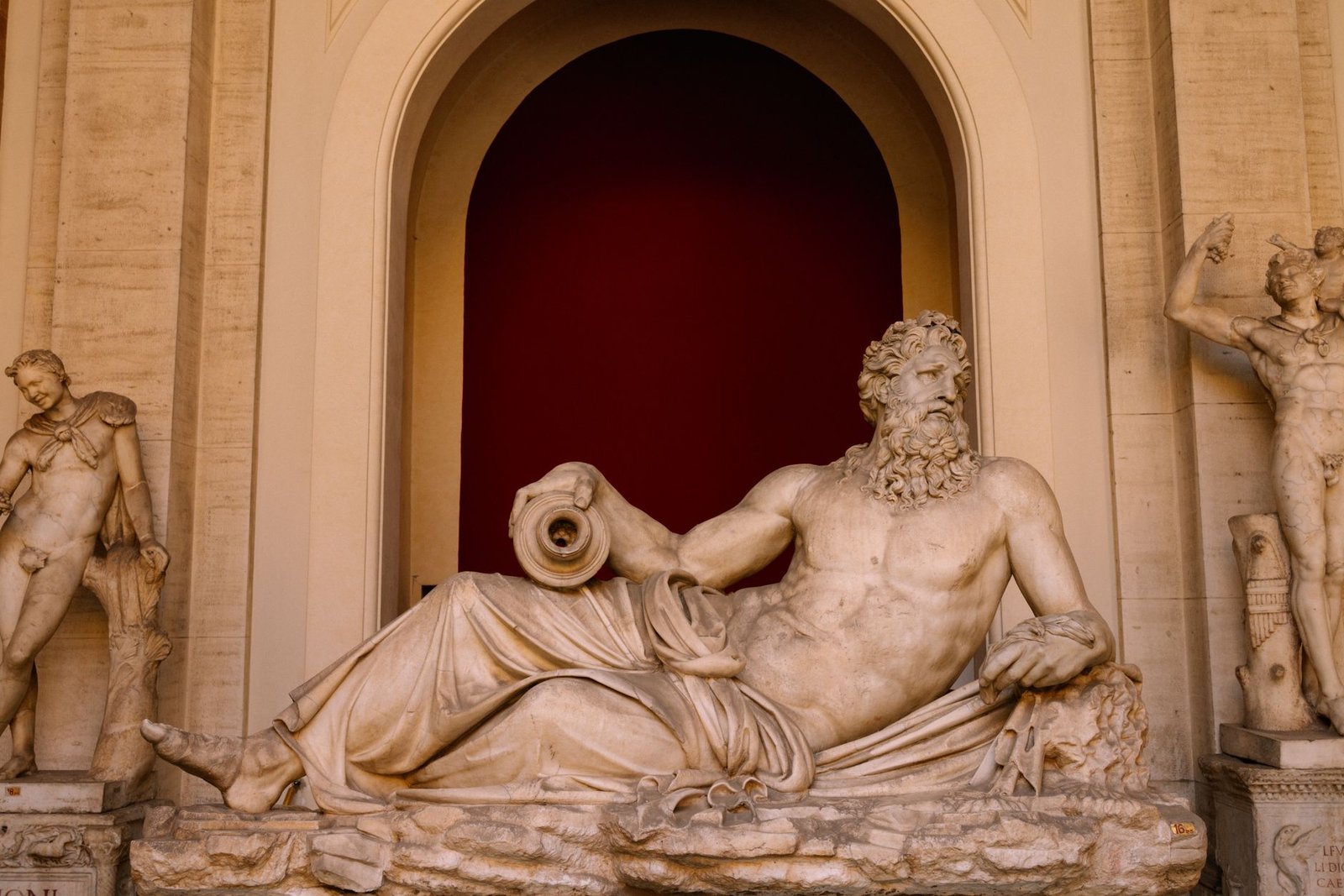
**Zeus and Leda** is a central myth of Greek tradition in which the king of the gods appears to Leda as a swan, leading to the birth of figures such as Helen of Troy and the Dioscuri. Its lasting importance lies in the story’s themes of divine power, transformation, and contested consent, as well as its profound influence on art and literature.
Zeus and Danae: Greek Myth and Perseus’ Birth
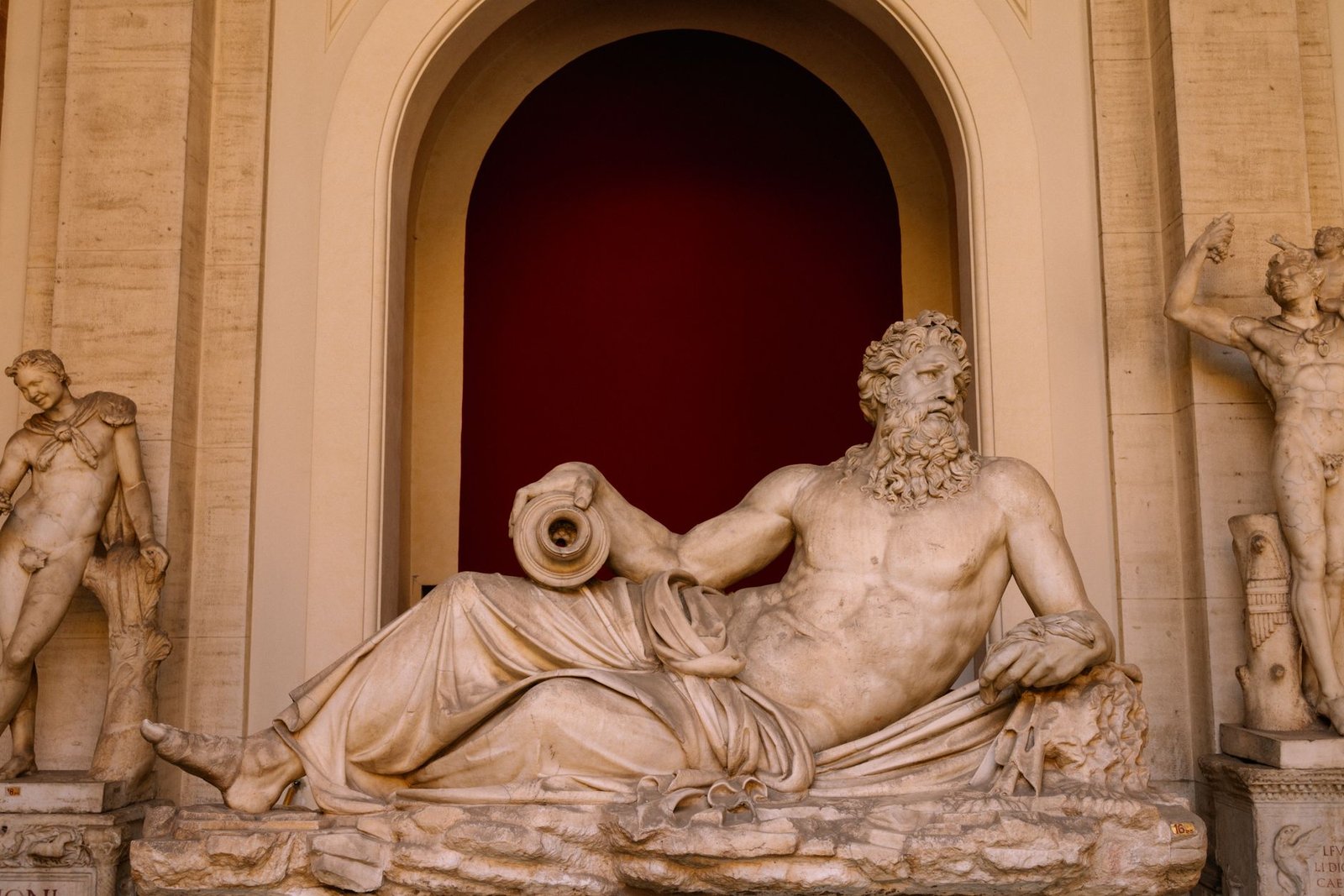
Zeus and Danae is a classic Greek myth about prophecy, imprisonment, and divine intervention: Acrisius, fearing an oracle, confines his daughter Danae, only for Zeus to reach her as a shower of gold. Their union leads to the birth of Perseus, a hero whose story reveals how fate, power, and divine will shape ancient myth.
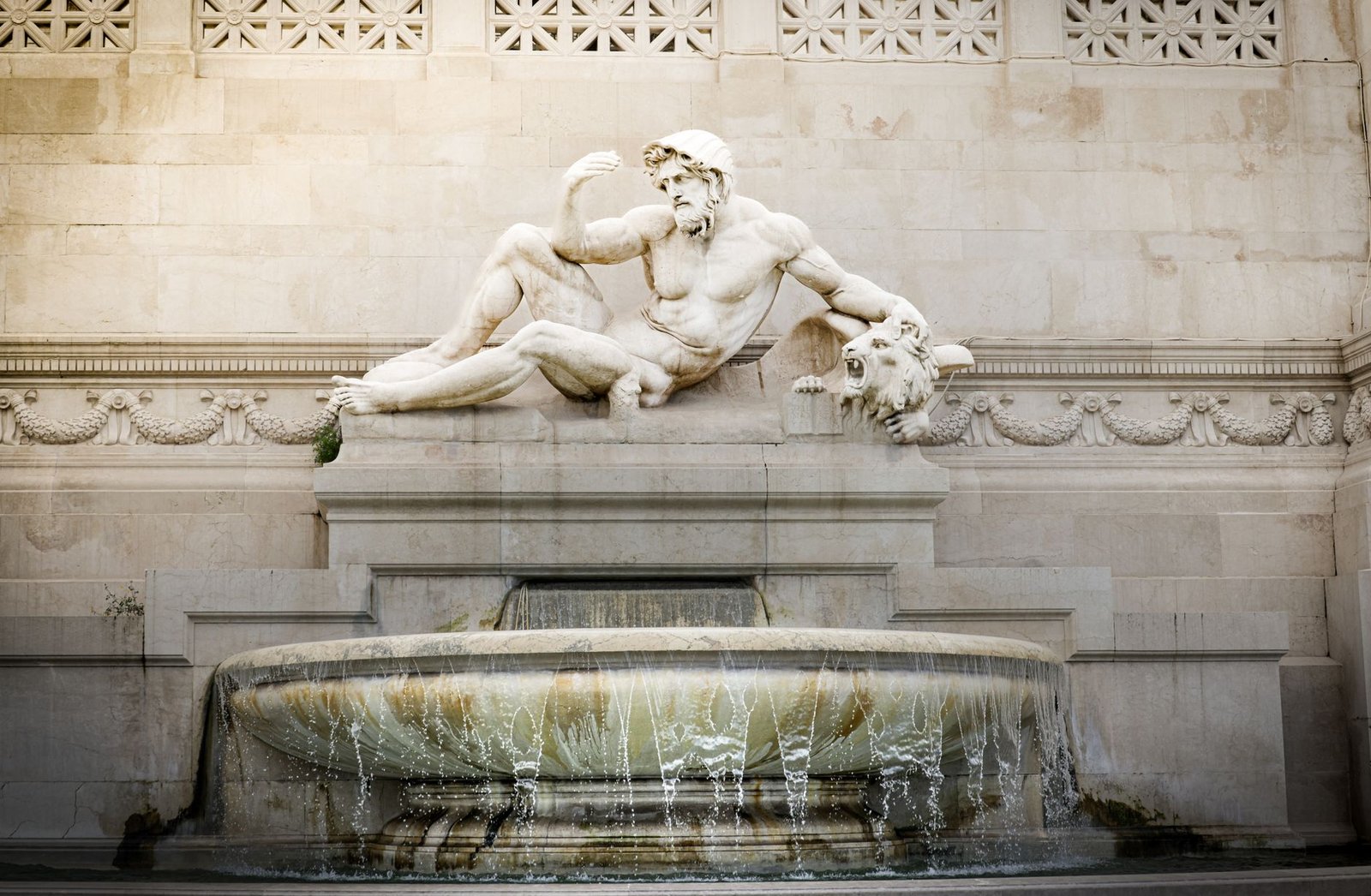
Niobe’s Tragedy: Greek Mythology and the Story of Niobe
Niobe’s tragedy tells of the Theban queen whose boastful claim to outshine Leto provokes Apollo and Artemis into killing her children, turning pride into unbearable grief. Central to Greek ideas of divine retribution and mortal limits, the myth endures as a powerful symbol of mourning, punishment, and the fragility of fortune.
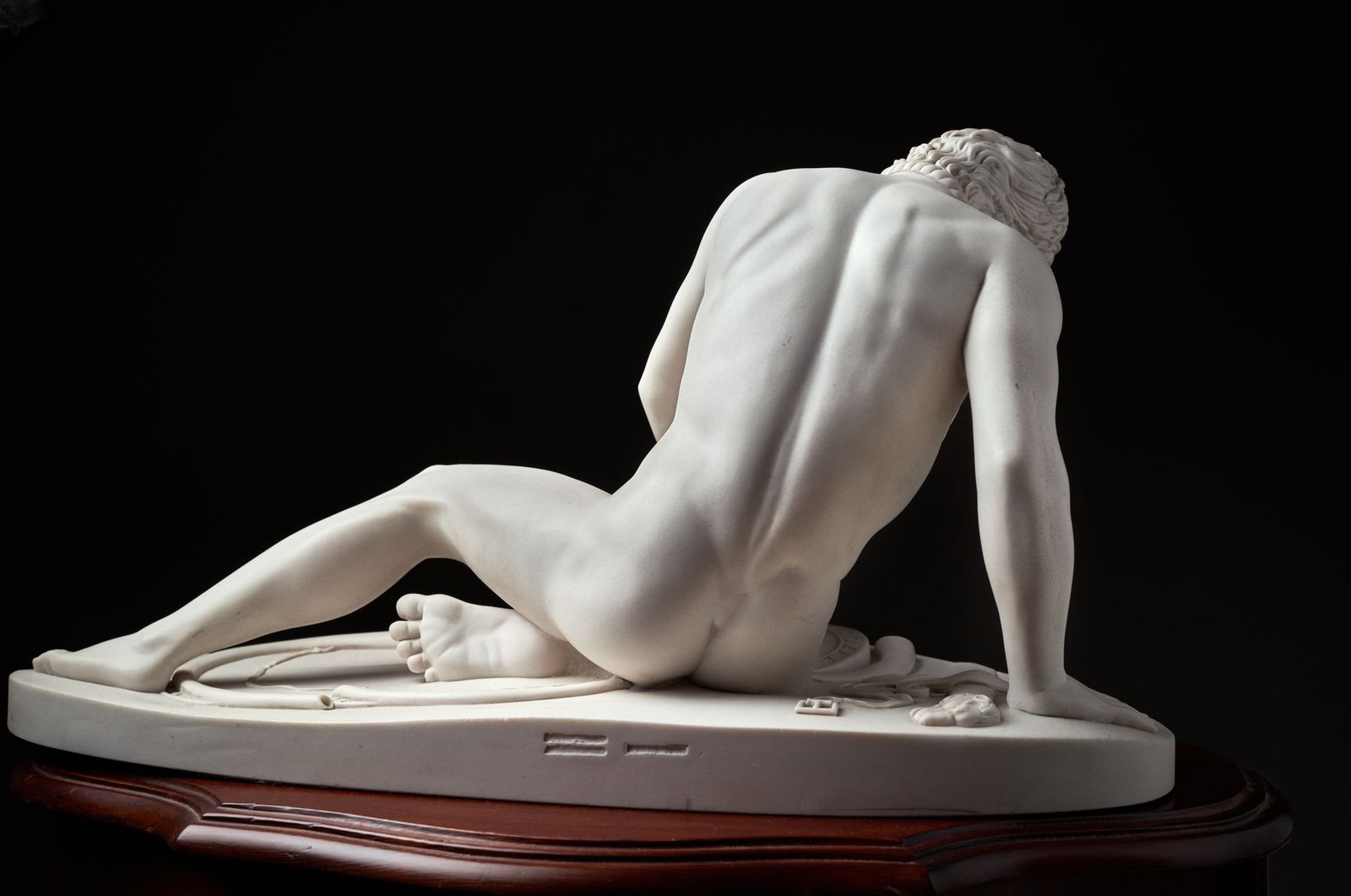
Sisyphus and His Eternal Punishment in Greek Mythology
Sisyphus and his eternal punishment have long symbolized the futility of repeated effort, drawing on the myth of a cunning Corinthian king condemned to roll a stone uphill forever. This article explores how his defiance, divine retribution, and fate in Hades shaped ancient Greek ideas about mortality, law, and the limits of human ingenuity.

Ixion’s Punishment in Greek Mythology Explained
Ixion’s punishment is a central episode in Greek mythology, telling how the king Ixion incurred Zeus’s wrath by violating hospitality and attempting to seduce Hera. Condemned to an eternal spinning wheel of fire, his fate became a lasting symbol of divine justice, hubris, and the severe consequences of sacred transgression.