Roman mythology
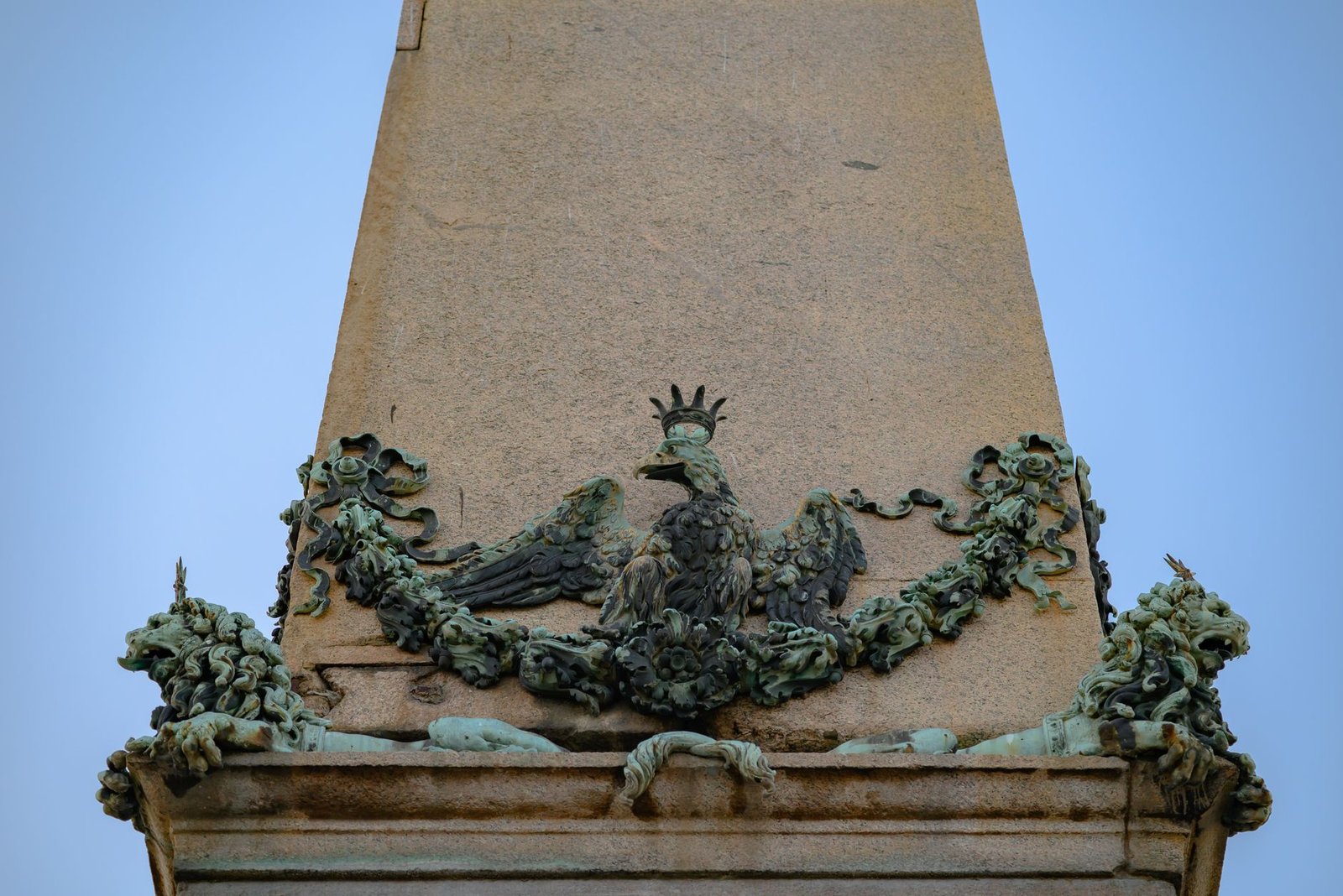
Aquila (Roman Eagle Standard): Roman Military Symbol
The **aquila**, or Roman eagle standard, was the sacred emblem of a legion, symbolizing honor, unity, and Rome’s divine authority. From its uncertain rise in the Marian reforms to its role as a prized battlefield object, its story reveals why losing—or recovering—an aquila could define a legion’s fate.

She-Wolf of Rome (Lupa Capitolina): History and Meaning
The She-Wolf of Rome, or Lupa Capitolina, is a powerful emblem of the city’s legendary origins, combining the myth of Romulus and Remus with a bronze image that has shaped Roman identity for centuries. Its debated dating, layered meanings, and enduring political and artistic influence reveal why this familiar figure continues to invite closer study.

Two Faces of Janus: Meaning, Symbolism, and Origins
Two Faces of Janus is a concise entry into the Roman god whose double gaze symbolized thresholds, beginnings, endings, and the passage between states. This excerpt explores his religious role, the likely connection of his name to doors and January, and the lasting influence of Janus as a sign of transition, duality, and time.

Key of Janus: Meaning, Symbolism, and History
The Key of Janus is a symbolic attribute of the Roman god of beginnings, transitions, and thresholds, expressing authority over access, protection, and the opening or closing of sacred and everyday spaces. Understanding this emblem leads into Janus’s wider significance in Roman religion, where gates, time, and passage reveal a deity central to moments of change.

Boundary Stone of Terminus: Definition, History, and Uses
The **Boundary Stone of Terminus** was the Roman marker of sacred limits, linking a simple stone set in the ground with the god who guarded property lines, civic order, and lawful ownership. Its meaning reaches beyond land division alone, revealing how Romans understood boundaries as both practical markers and divinely sanctioned protections.

Golden Bough: Meaning, Origin, and Cultural Significance
The Golden Bough is best known as the title of Sir James George Frazer’s landmark study, but its roots lie in Roman myth, where a sacred branch from Diana’s grove at Nemi was tied to kingship, sacrifice, and renewal. This excerpt traces how Virgil’s symbolic golden branch became a powerful lens for comparing ancient rituals, death, and sacred authority across cultures.
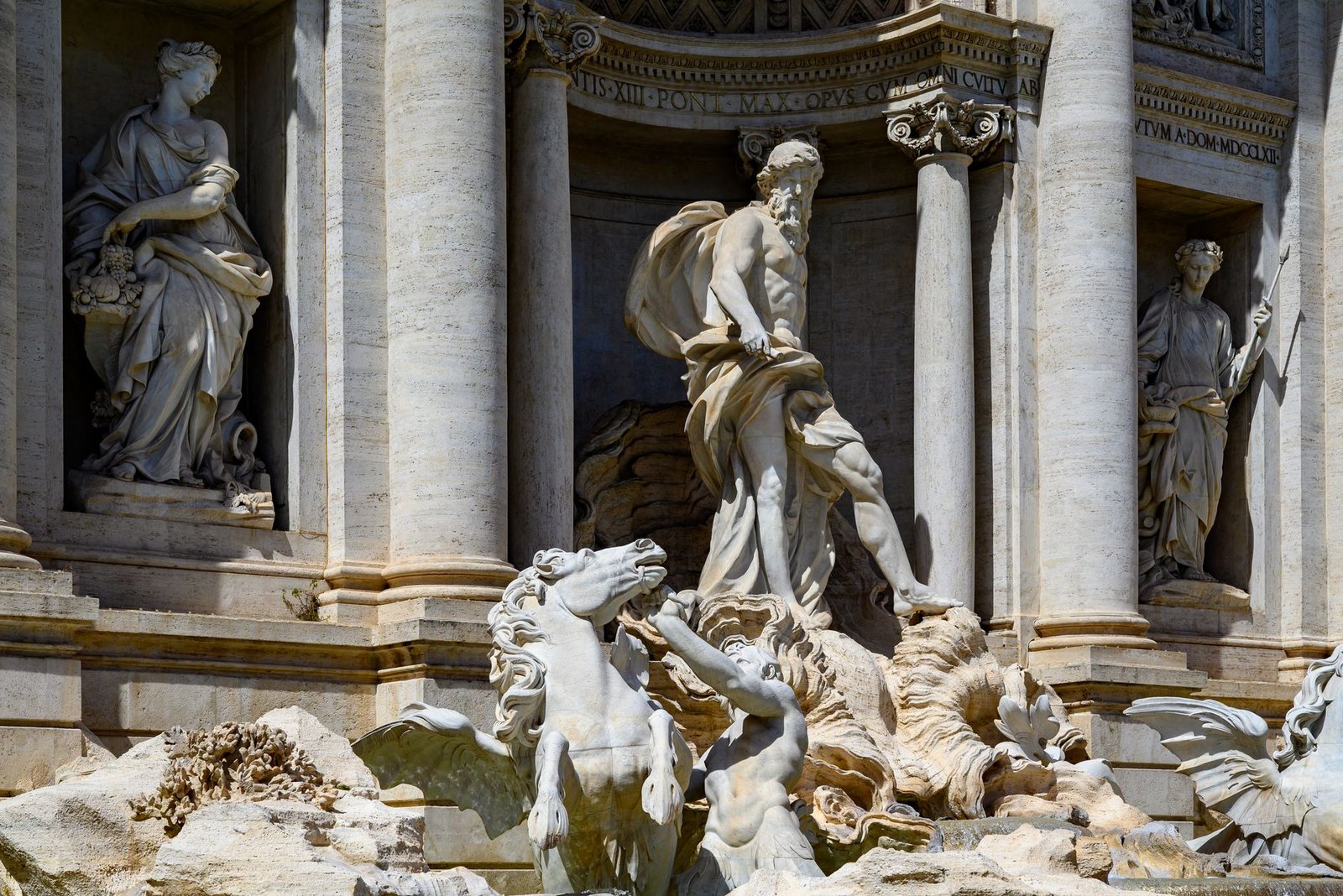
Lares and Penates: Roman Household Gods and Deities
Lares and Penates were central to ancient Roman religion, embodying the protective spirits of the home, its provisions, and, at times, the wider civic community. Though often mentioned together, these distinct divinities reveal how Romans understood domestic security, ancestral continuity, and the sacred life of everyday space.

Genius (Roman Guardian Spirit): Roman Mythology Explained
The Roman **genius** was a protective spirit or life-force believed to safeguard a person, household, place, or even an empire, linking identity with continuity and fertility. Exploring its role in domestic worship, civic religion, and imperial cult reveals why this distinctive Roman guardian spirit remained central to ancient religious thought.

Sacred Fire of Vesta: Ancient Roman Religious Tradition
The Sacred Fire of Vesta was the perpetual flame guarded in Rome’s temple of the goddess Vesta, where the Vestal Virgins maintained a living symbol of the city’s continuity, security, and divine favor. This article traces its ancient origins, religious meaning, and political importance, showing why its extinguishing was feared as an ominous sign and how it shaped Roman identity.

Spear of Mars: Definition, History, and Mythology
The Spear of Mars is not a single artifact but a powerful symbol of Roman martial authority, divine sanction, and the disciplined force of war. This article traces its origins in Roman religion and literature, explaining why the spear became an enduring emblem of Mars and a key motif in broader ancient mythology.