Roman mythology
Mucius Scaevola and the Burning Hand: Roman Legend
Mucius Scaevola and the Burning Hand recounts the legendary Roman nobleman who infiltrated the camp of Lars Porsenna, failed in his assassination attempt, and then proved his resolve by holding his right hand in fire without crying out. Blending history and moral exemplum, the story explains the origin of the name Scaevola and reveals why Romans celebrated it as a lasting symbol of courage, patriotism, and self-command.

Horatius at the Bridge: Roman Legend and Heroic Defense
Horatius at the Bridge recounts the celebrated defense of Rome’s Pons Sublicius, when Publius Horatius Cocles and two companions resisted Lars Porsena’s advancing Etruscan forces long enough for the Romans to destroy the crossing. Blending history and legend, the episode reveals how a single act of sacrifice became a durable Roman model of courage, civic duty, and patriotic memory.

Castor and Pollux at the Battle of Lake Regillus
Castor and Pollux at the Battle of Lake Regillus is a celebrated Roman tradition in which the Dioscuri are said to have appeared as mounted warriors, helping secure a crucial early Republic victory over the Latin League. Blending myth, civic memory, and religion, the story illuminates Roman beliefs about divine protection, cavalry valor, and the origins of the twins’ lasting public cult.
Ceres’s Search for Proserpina: Myth and Meaning
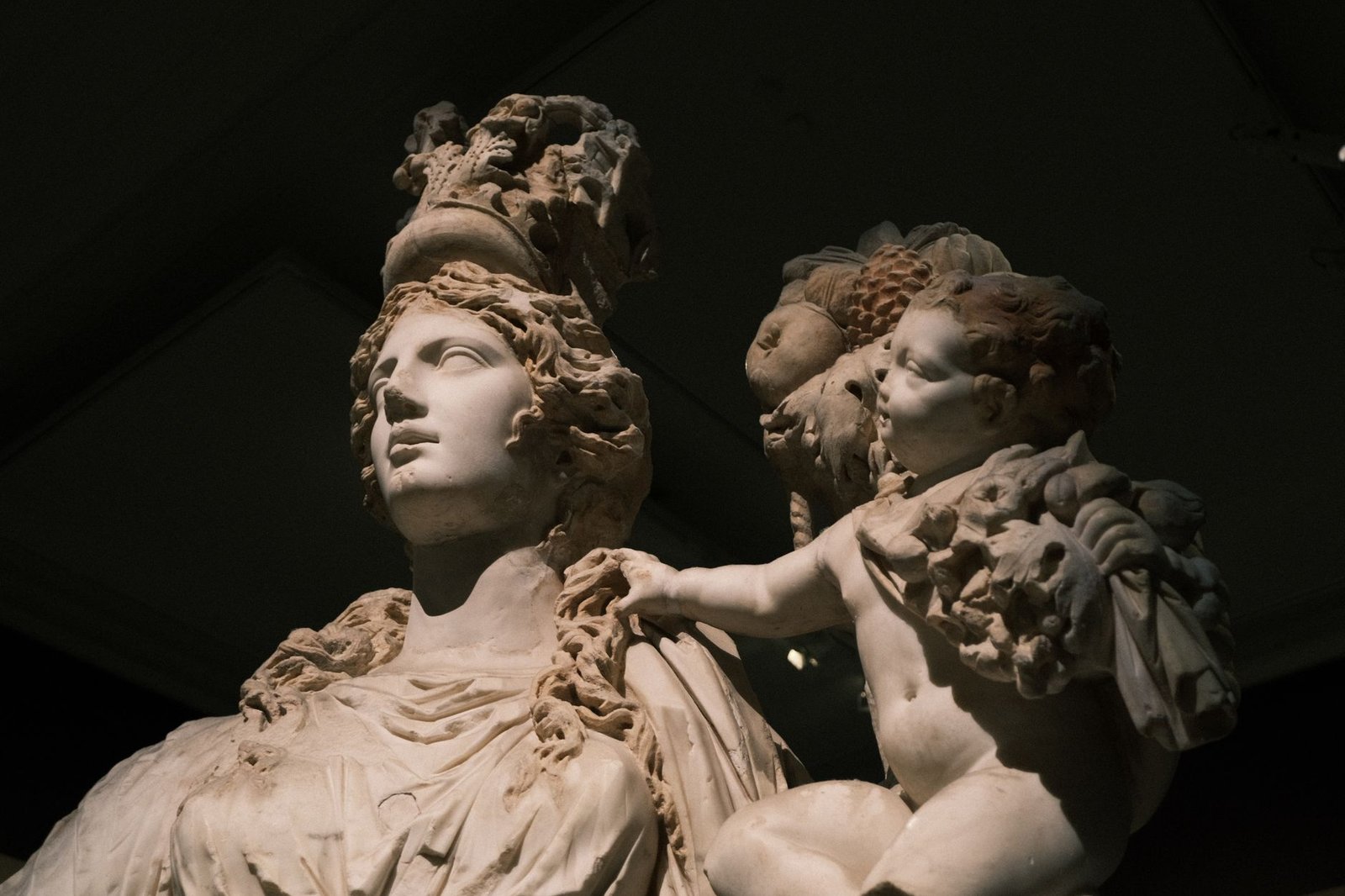
**Ceres’s Search for Proserpina** recounts the Roman goddess of grain’s desperate wanderings after her daughter is taken to the underworld by Pluto, a myth that links maternal grief with the cycle of the seasons. Drawing on Greek and Roman sources, the story reveals ancient ideas about fertility, divine power, and the balance between life, death, and renewal.
Pyramus and Thisbe: Summary, Myth, and Literary Origins
Pyramus and Thisbe are legendary lovers from Greco-Roman mythology whose forbidden romance ends in a fatal misunderstanding, making their story one of the most enduring tragedies in Western literature. Best known through Ovid’s *Metamorphoses*, the tale links family conflict, secrecy, and fate to the origin of the mulberry’s dark fruit and later inspired works such as *Romeo and Juliet*.
Apollo and Daphne: Myth, Summary, and Meaning
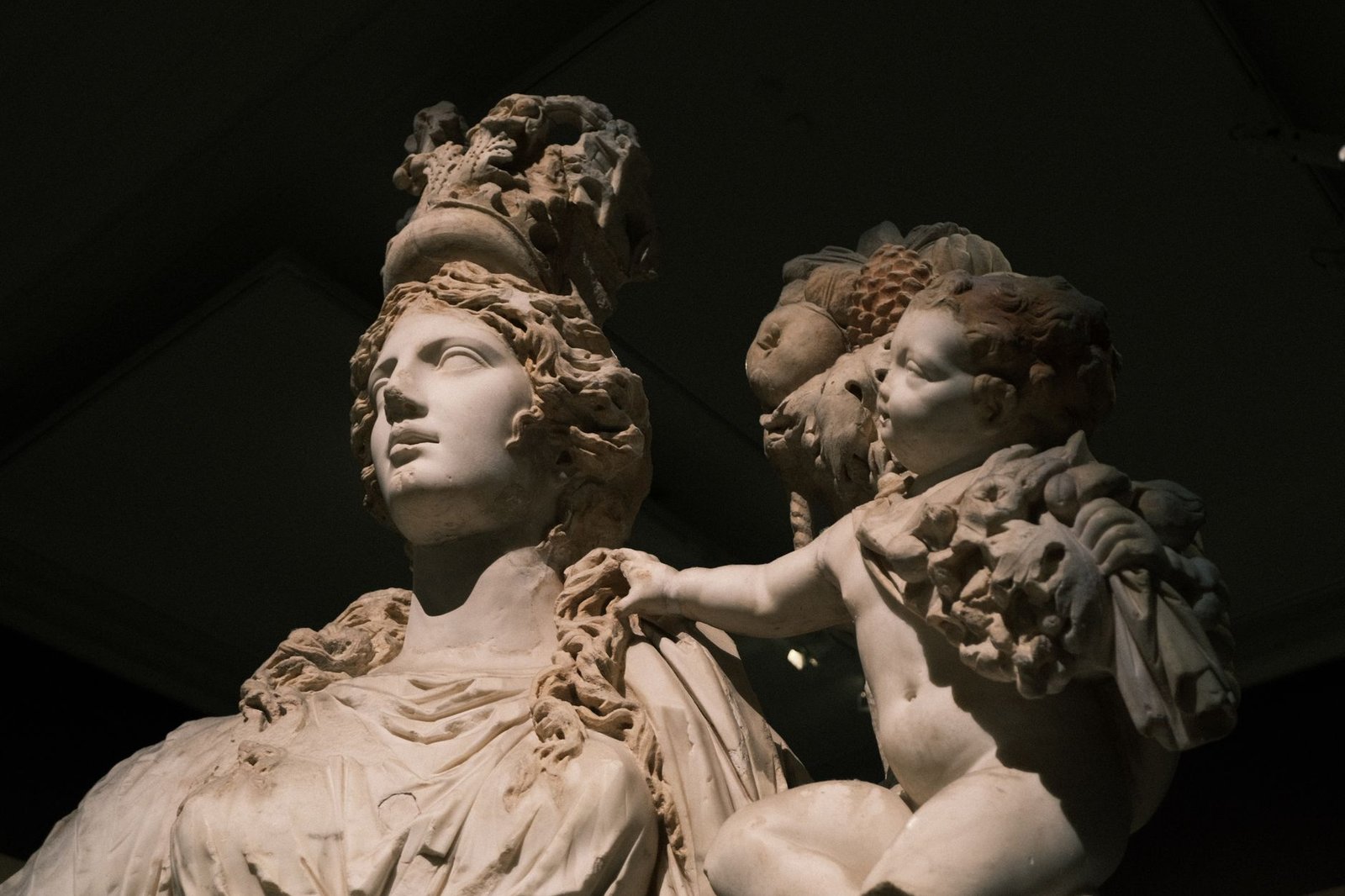
Apollo and Daphne is one of classical mythology’s most enduring tales, recounting how the nymph Daphne was transformed into a laurel tree to escape Apollo’s pursuit. Rooted in Ovid’s *Metamorphoses*, the myth explores desire, resistance, and metamorphosis while explaining why the laurel became sacred to Apollo and influential in later art and culture.
Romulus Apotheosis Into Quirinus: Roman Deification
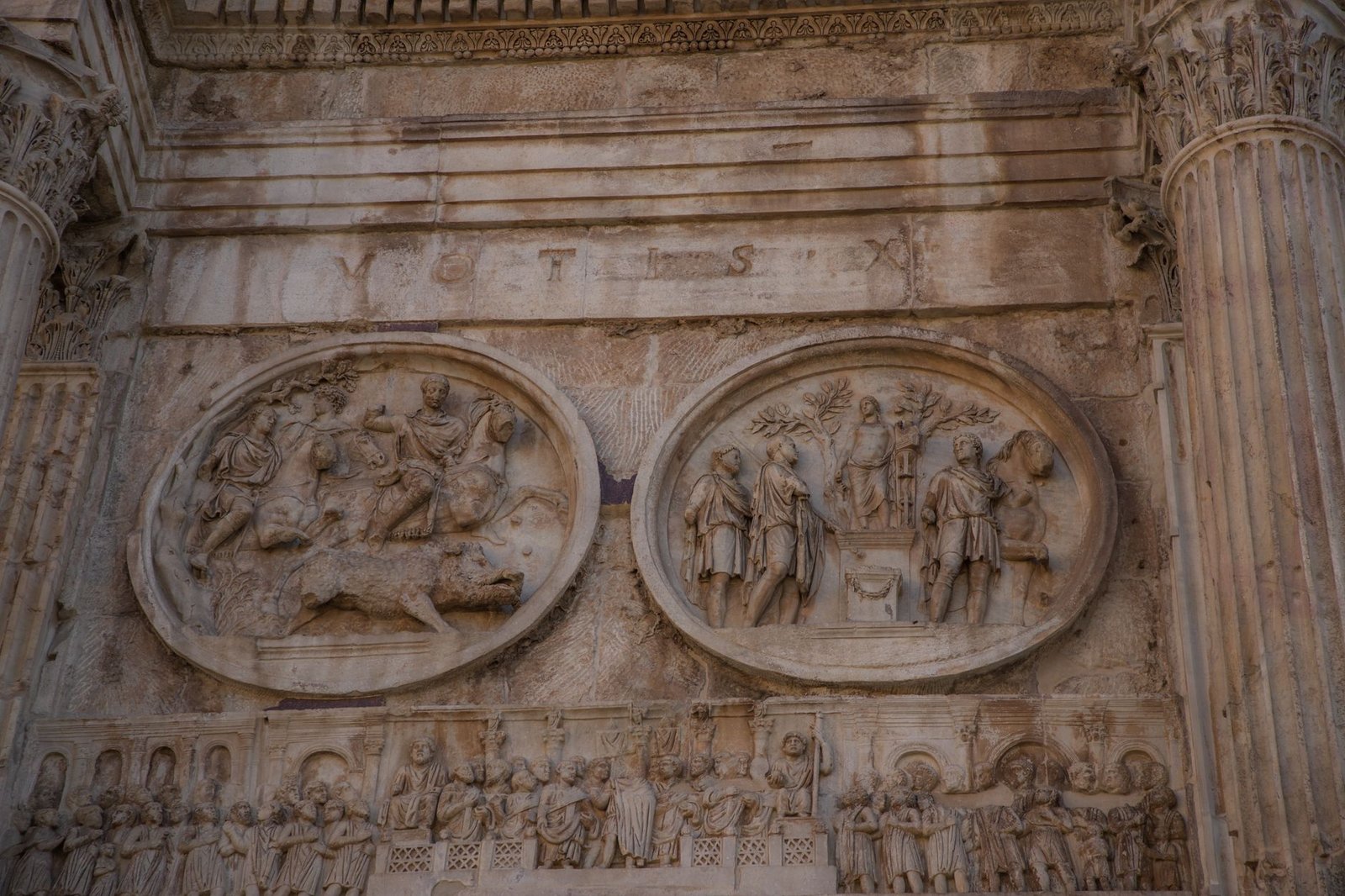
The **apotheosis of Romulus into Quirinus** is a central Roman myth linking the legendary founder of Rome to a god associated with civic identity, martial order, and the sacred life of the community. Exploring this tradition reveals how Romans fused kingship, religion, and political memory, while the shifting ancient accounts leave open questions about how the transformation was understood.

Founding of Rome: Myth or History Explained
The founding of Rome lies between myth and history, preserving the legendary tale of Romulus and Remus while also reflecting the real growth of Iron Age settlements along the Tiber. This article examines how Roman tradition, archaeology, and later historical writing shaped the enduring question of whether Rome began in 753 BCE or emerged gradually from earlier communities.

Why Rome Has Two Founding Myths: Aeneas and Romulus
Rome’s two founding myths, Aeneas and Romulus, reveal more than a contradiction: they preserve different ways Romans explained their origins, one reaching back to Troy and the wider Mediterranean, the other rooted in Italy and civic violence. This excerpt explores how both traditions shaped Roman identity, authority, and historical memory, and why neither ever fully displaced the other.
Aeneid vs. Iliad and Odyssey: Key Differences
The difference between the Aeneid and the Iliad/Odyssey lies not only in plot, but in purpose: Homer’s epics explore heroism, suffering, and return, while Virgil’s Aeneid recasts epic tradition to explain Rome’s destiny. Comparing their gods, heroes, and narrative aims reveals how Roman literature adapted Greek models into a work of political, cultural, and moral significance.