Roman mythology
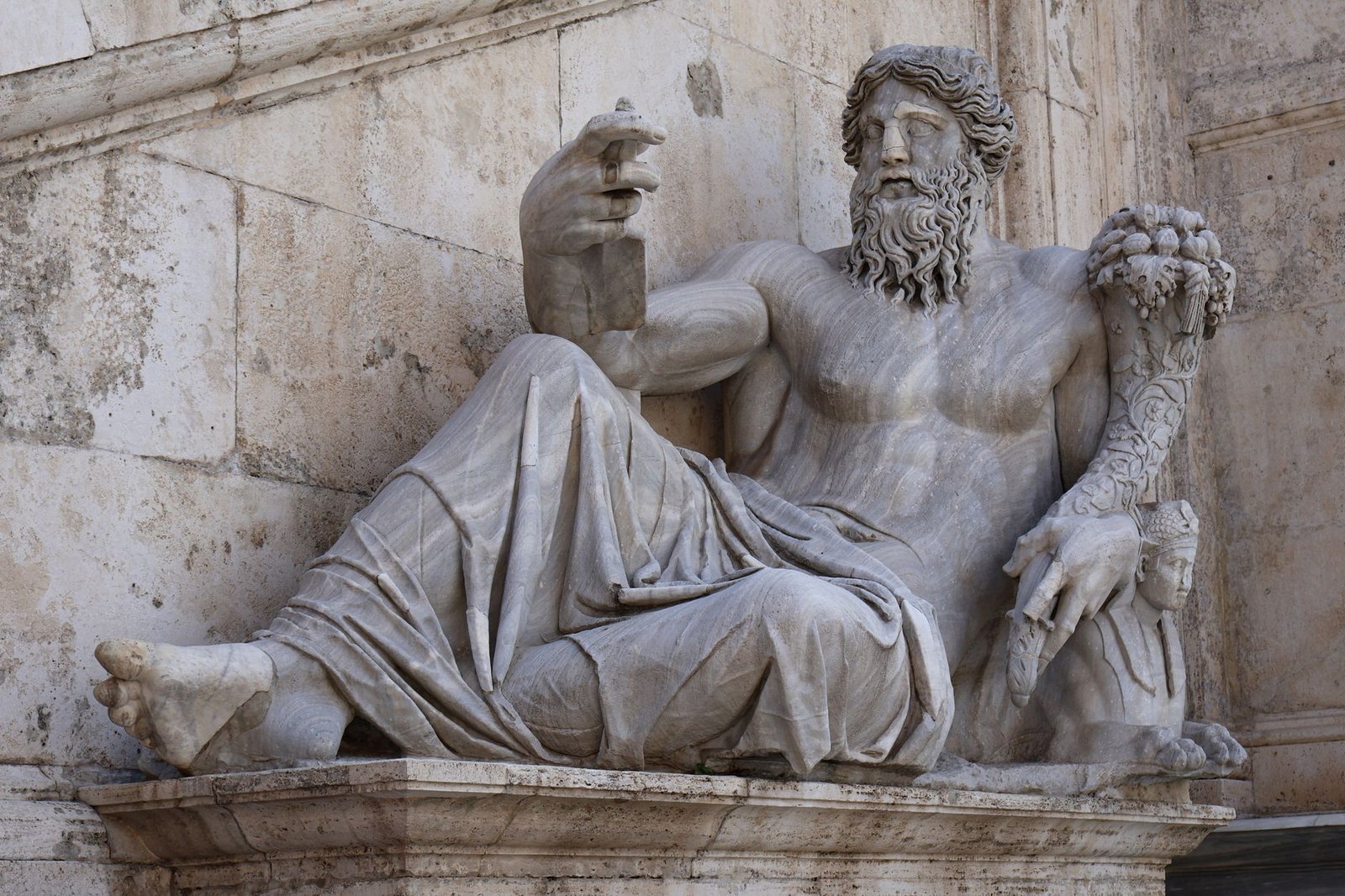
Silvanus: Roman God of Forests and Fields
Silvanus is the Roman god of woods, wild places, and rural boundaries, a protective presence invoked for forests, livestock, fields, and the people who depended on them. This excerpt explores his origins, local cults, and enduring role in Roman religion, showing how a practical woodland deity reveals ancient ideas about nature, property, and divine guardianship.
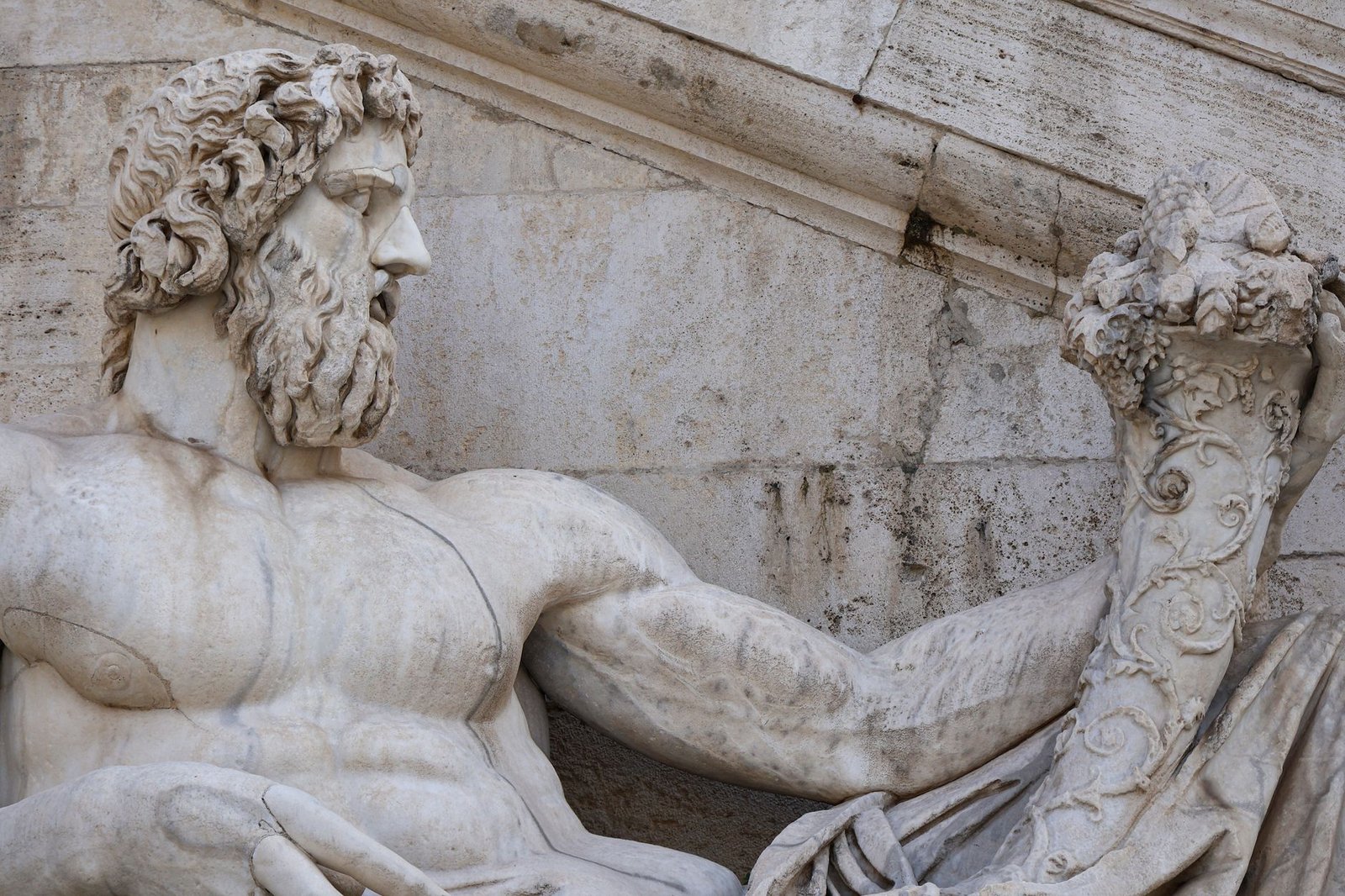
Robigus: Roman God of Rust and Wheat Disease
Robigus is a Roman deity linked to rust and crop blight, a force feared for the damage it could inflict on ripening grain and the stability of Rome’s food supply. Best known through the late-April festival of Robigalia, Robigus reveals how Roman religion addressed agricultural danger through ritual, blending protection, personification, and practical necessity in ways that still invite closer study.
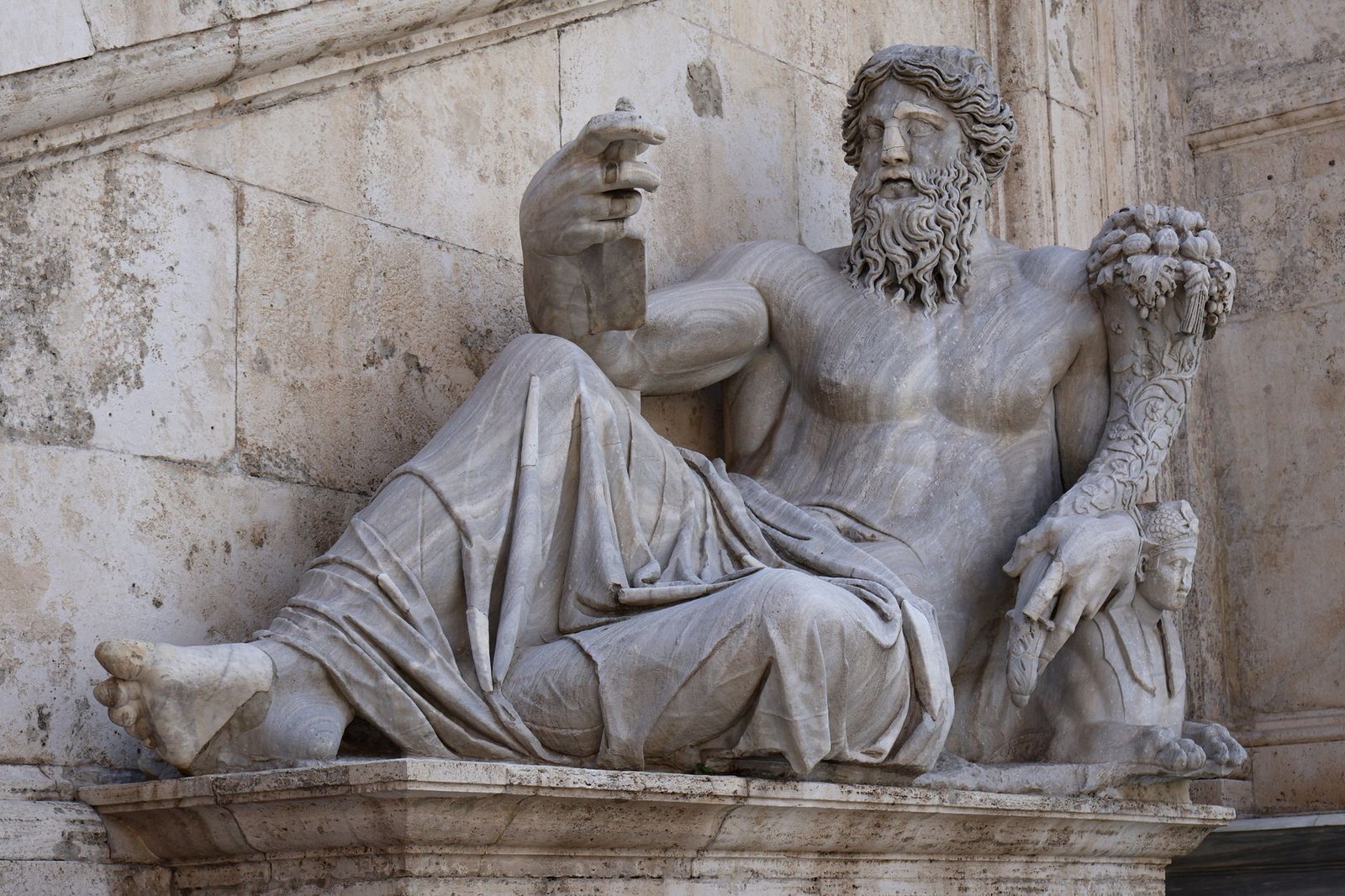
King of the Roman Gods: Jupiter in Roman Mythology
King of the Roman gods, Jupiter stood at the center of Roman religion as ruler of the sky, guardian of oaths, and protector of the state. This article traces his ancient origins, his role in law and power, and the lasting influence that made him one of Rome’s most enduring divine figures.

What Is a Roman Numen? Definition, Meaning, and History
A Roman numen is the active divine power or presence Romans believed could dwell in a god, place, object, or community, shaping religious life through ritual and efficacy rather than personal myth. Exploring the term reveals how Roman religion understood sacred authority, from Jupiter’s will to the numen of emperors and the Roman people.

Jupiter vs. Zeus: Key Differences and Similarities
The difference between Jupiter and Zeus lies not only in name, but in the distinct Greek and Roman traditions that shaped each god’s role, symbolism, and religious meaning. Exploring their origins, epithets, and cultural functions reveals why these sky fathers are closely related yet far from identical.

Cornucopia: Meaning, Symbolism, and Origins
The cornucopia, or horn of plenty, is a lasting symbol of abundance, fertility, and prosperity rooted in Greek and Roman myth. This article traces its ancient origins, evolving meanings, and enduring presence in art, festivals, and civic imagery, revealing why the cornucopia remains one of the most recognizable emblems of seasonal bounty.
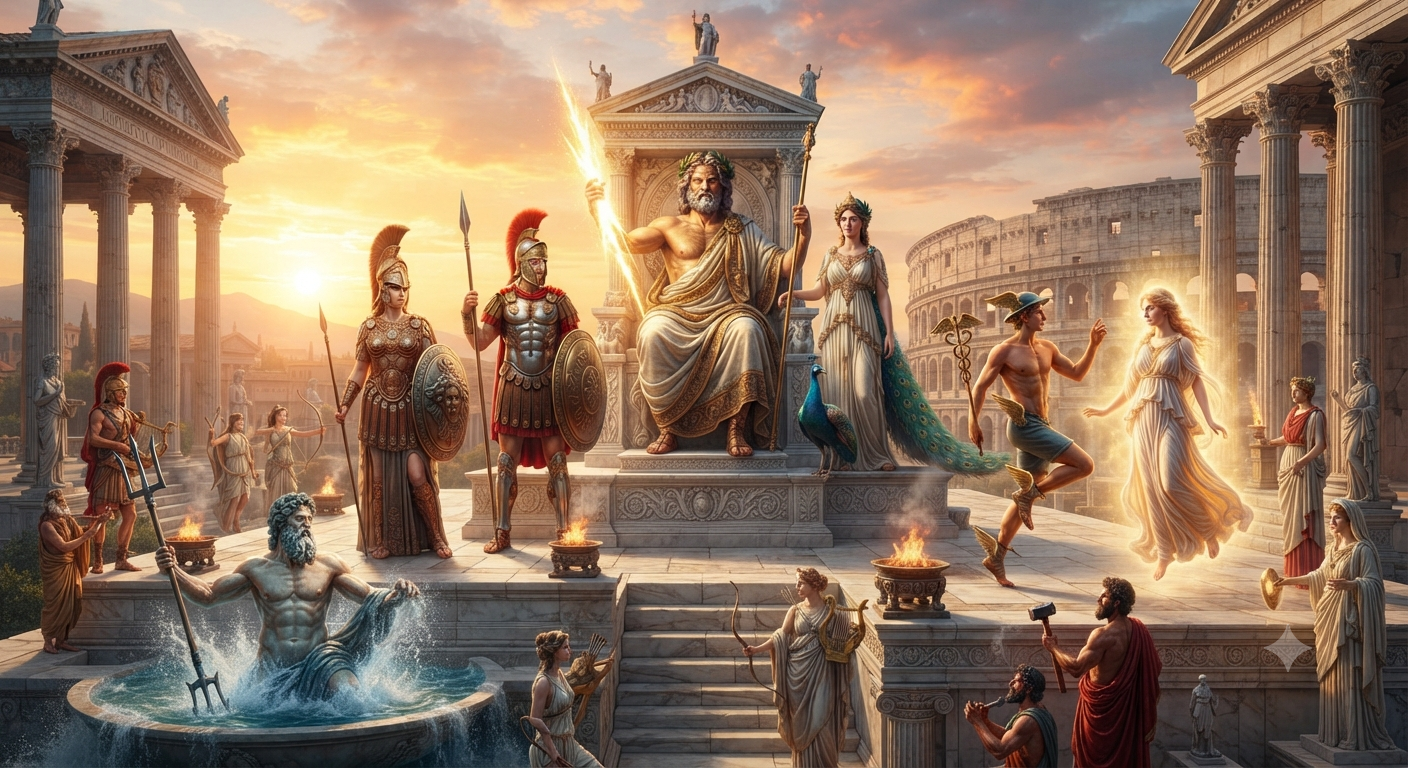
Roman Gods and Goddesses: The Complete Guide
Roman mythology is often introduced as simply Greek mythology with new names, but the truth is more layered. Rome absorbed ...
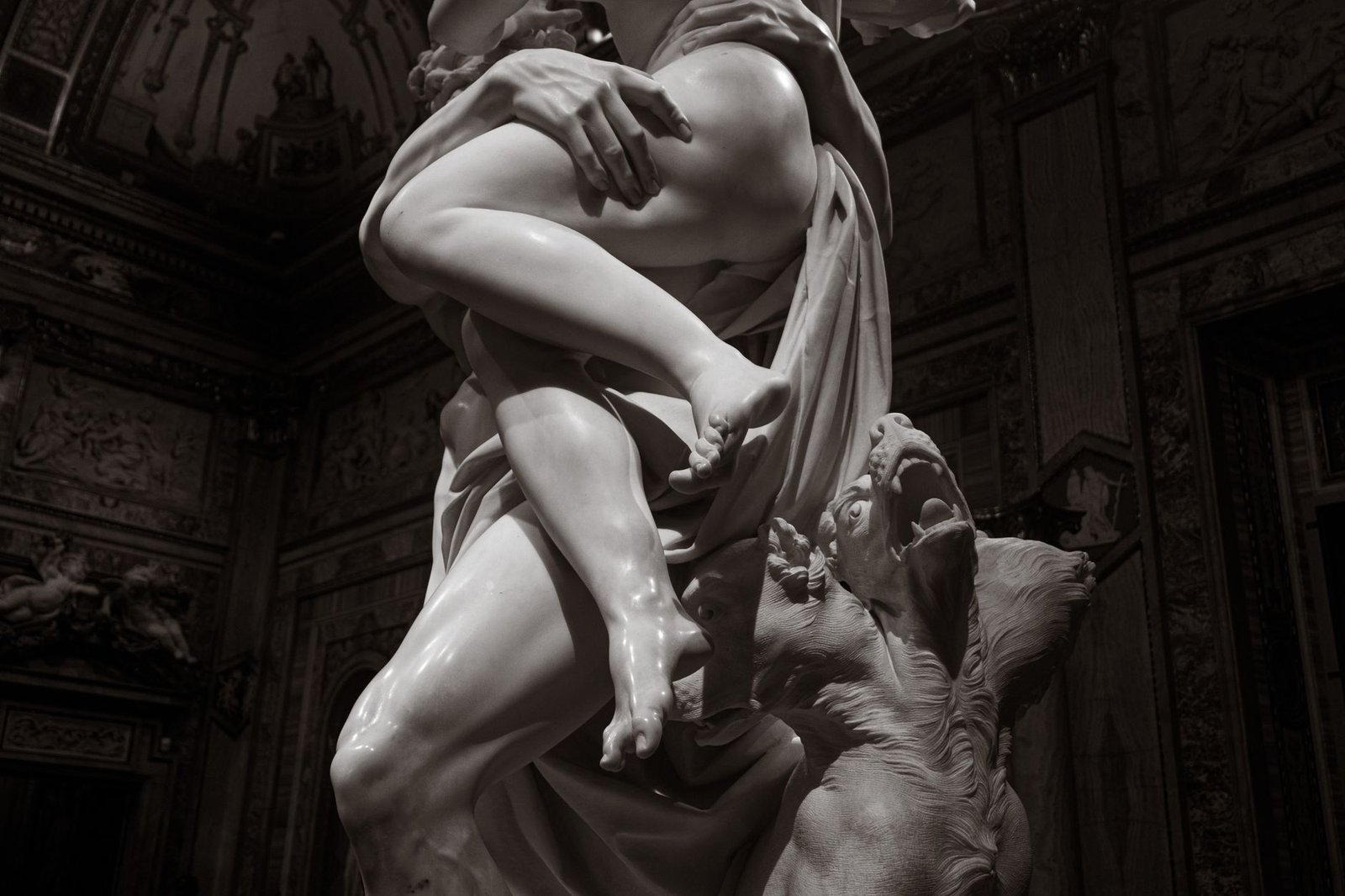
Hades vs Pluto: Key Differences in Greek Mythology
Hades and Pluto are often treated as the same underworld god, but their names reveal important differences between Greek and Roman mythology. Here’s how Hades and Pluto overlap, where they differ, and why the distinction matters.