Roman mythology
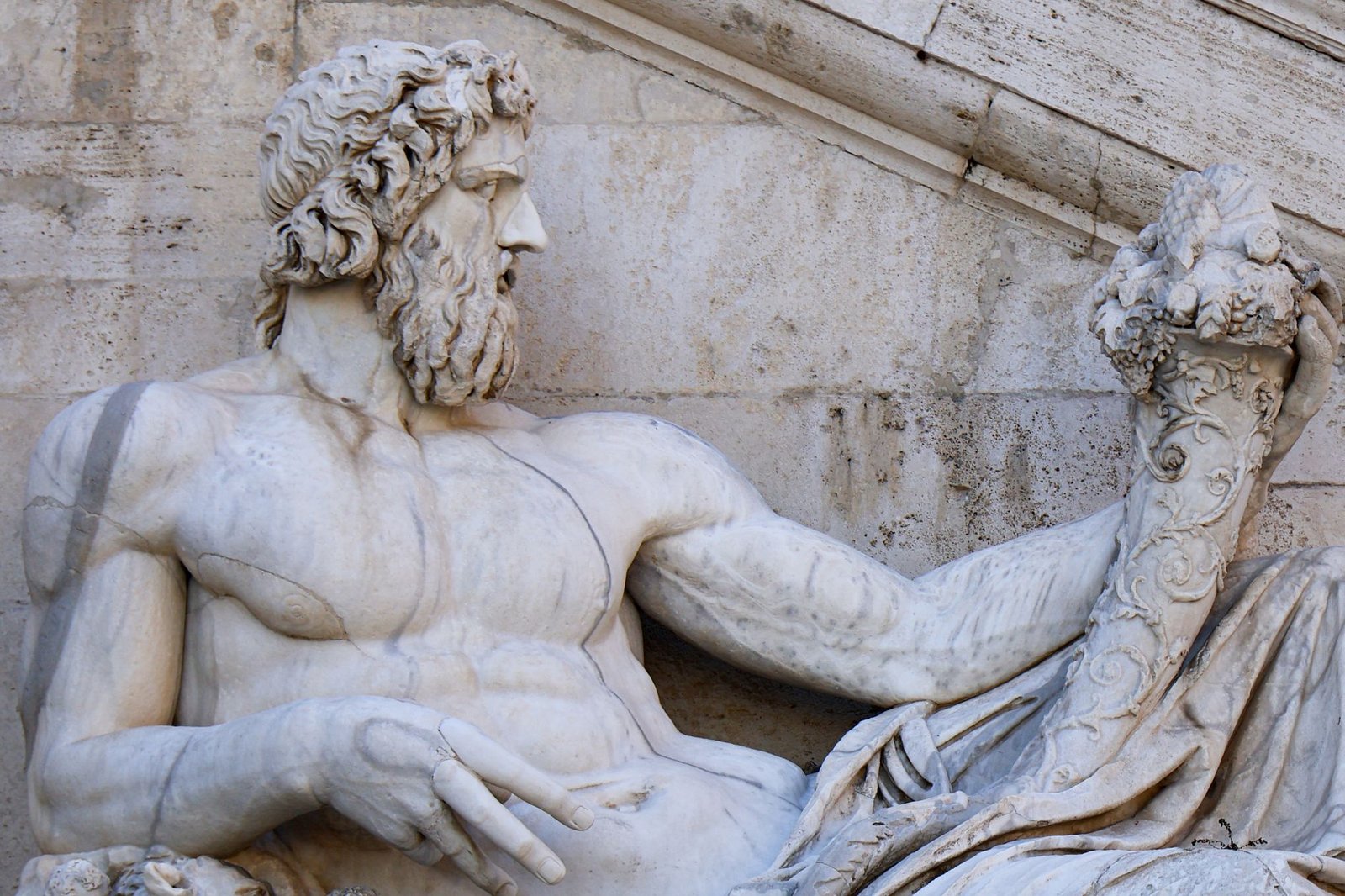
Vulcan: Roman God of Fire, Forge, and Volcanoes
Vulcan, the Roman god of fire, metalworking, and the forge, embodies both the destructive force of flames and the skilled craft that turns heat into tools, weapons, and art. This article traces his uncertain origins, his place in Roman religion and the Volcanalia festival, and his later identification with Hephaestus, revealing a deity central to ancient beliefs about danger and invention.
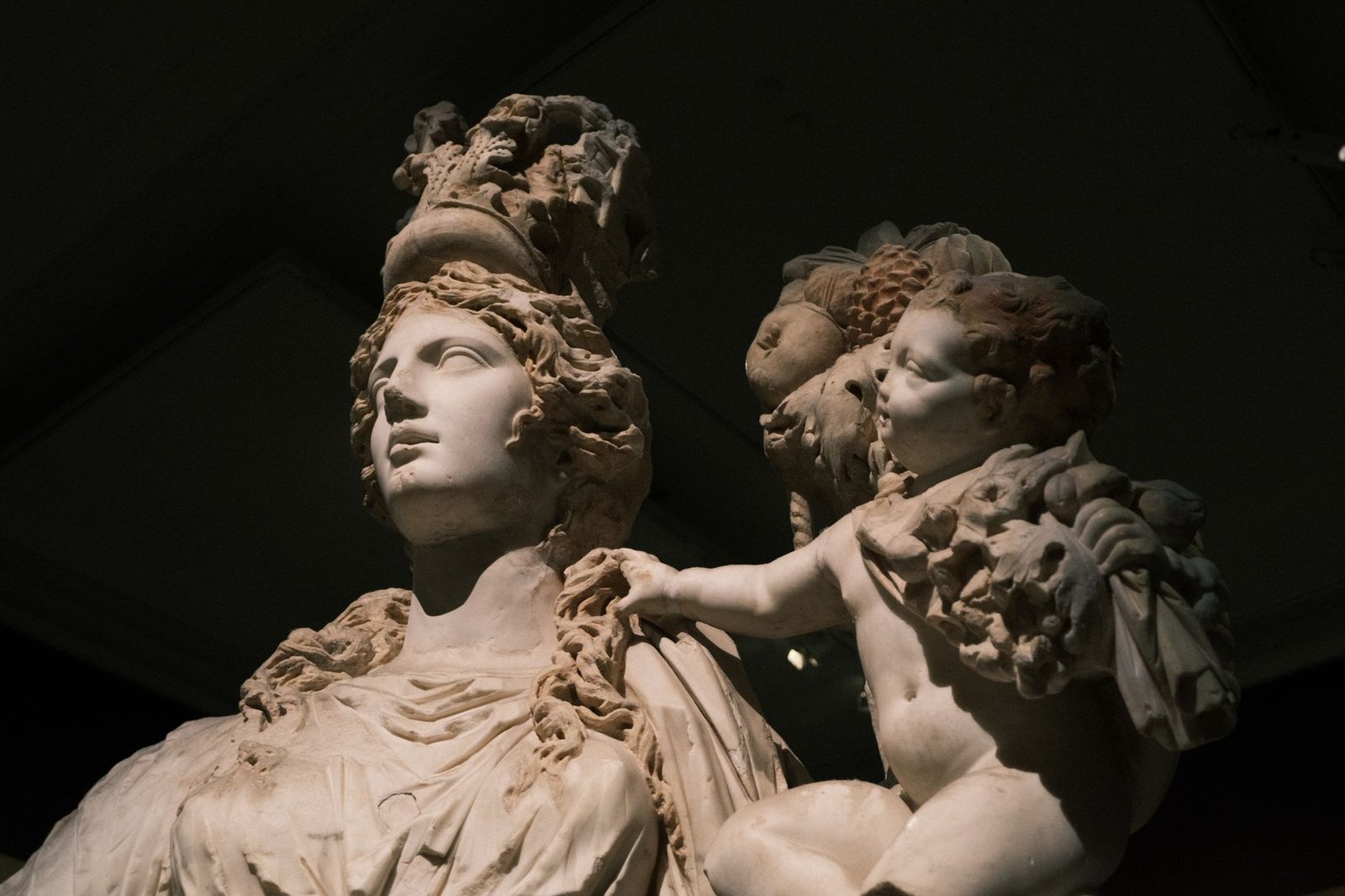
Bellona: Roman Goddess of War and Mythology
Bellona is the ancient Roman goddess of war, associated with battle, military fury, and the violent force that accompanied conquest in Roman religion and politics. Her name, linked to *bellum*, reflects a complex history of Italic tradition, cult practice, and later symbolism that reveals how Romans understood war itself.
Cupid: Mythology, Symbolism, and Cultural Significance
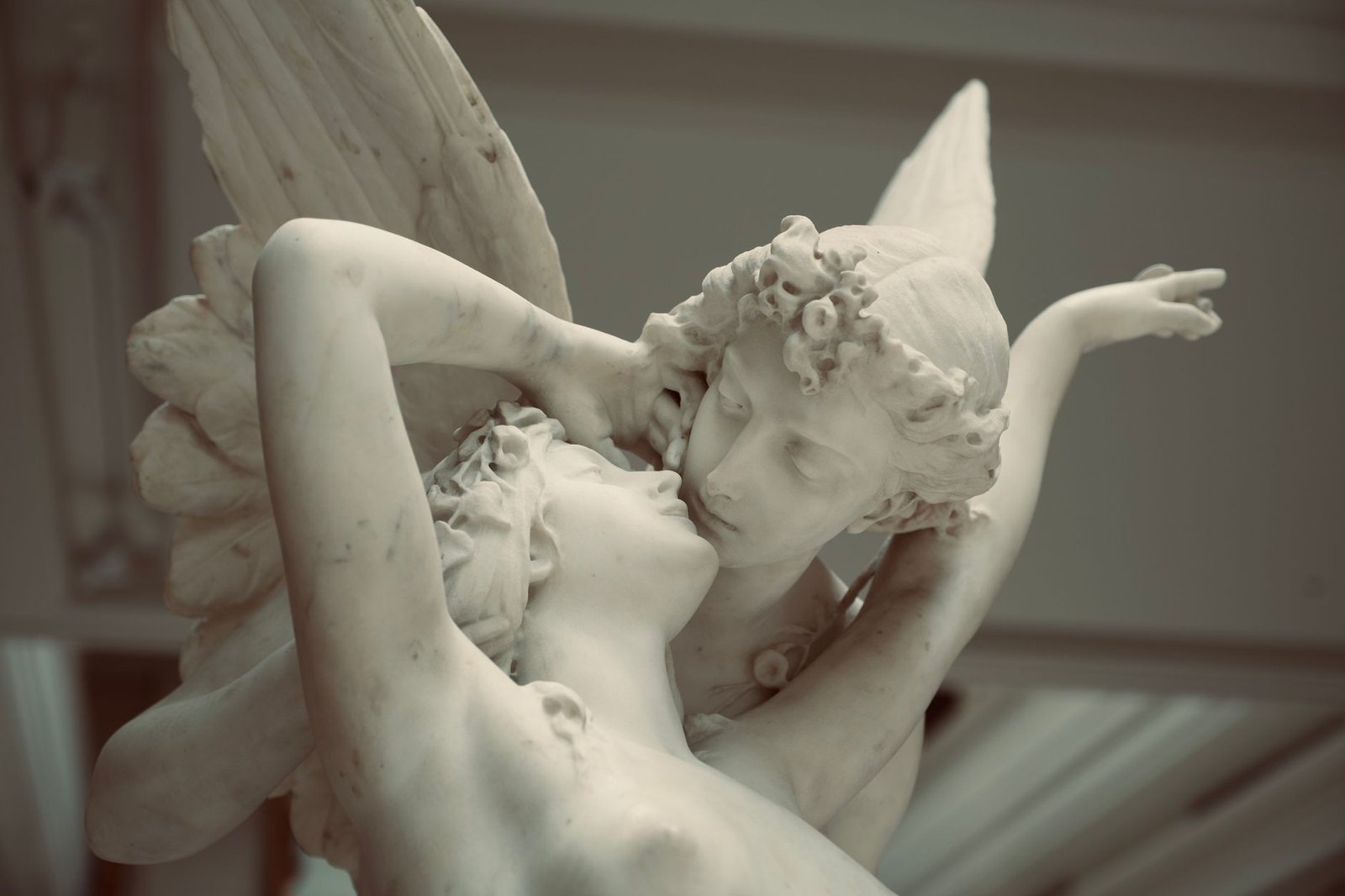
Cupid is one of the most enduring figures in Greco-Roman mythology, representing desire, affection, and the mysterious force of romantic attraction. From his origins as Eros and the Roman Cupido to the familiar winged archer of Valentine’s Day, his story reveals how ancient myth evolved into a lasting symbol of love.
Mercury (Roman God): Roman Mythology and God of Commerce
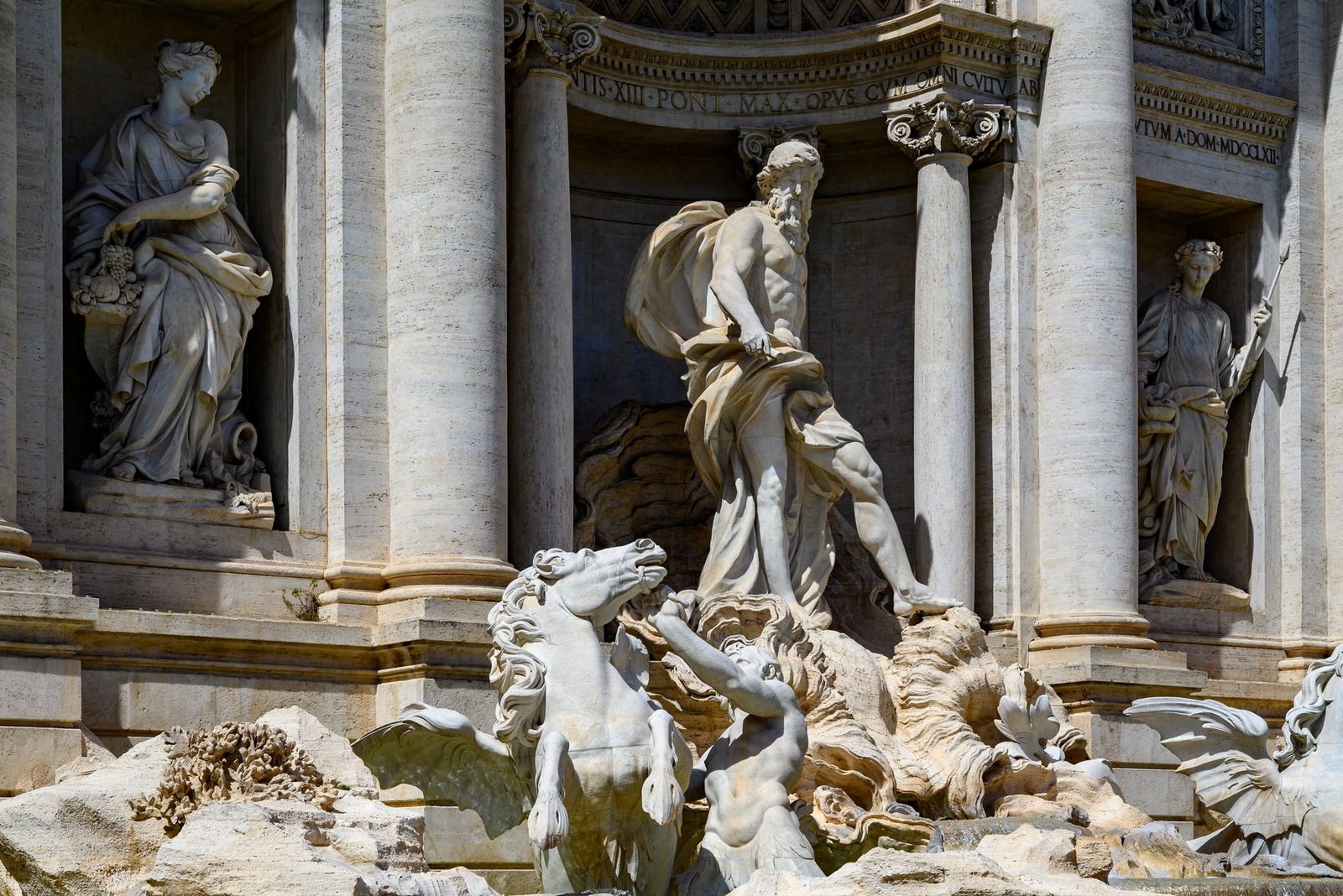
Mercury was one of the most important gods in the Roman pantheon, linked to trade, travel, eloquence, negotiation, and the swift exchange of goods and messages. Though often identified with Hermes, Mercury developed a distinctly Roman character shaped by commerce, civic life, and his enduring role as both divine messenger and guide across boundaries.
Ceres (Roman God): Roman Goddess of Agriculture and Grain
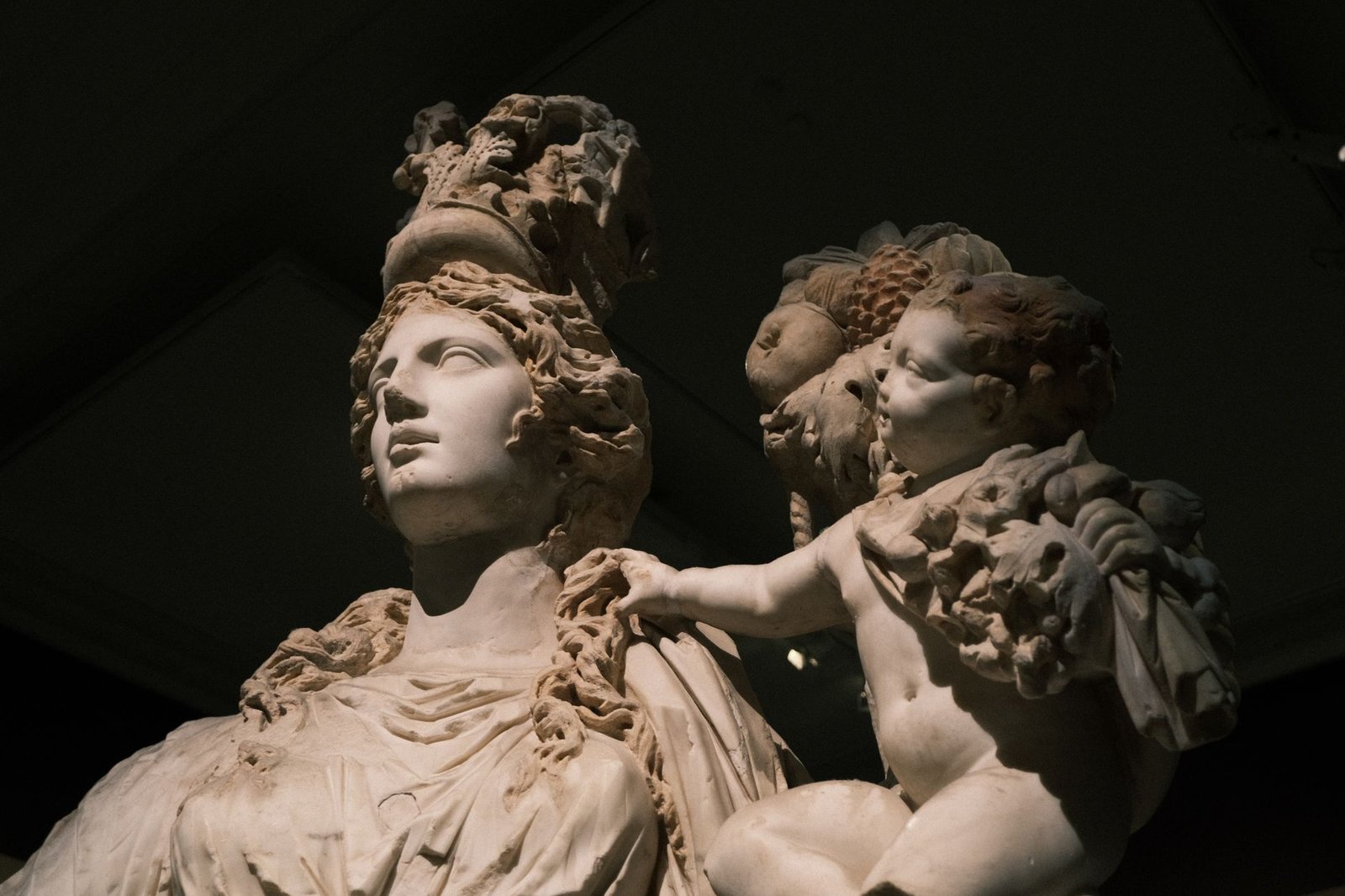
Ceres (Roman god) was the Roman goddess of agriculture, grain, fertility, and the earth’s productive cycle, central to a society shaped by farming and the harvest. Her cult also reflected social order, plebeian life, and Roman engagement with Greek Demeter, revealing how a practical deity became deeply woven into Roman identity and language.
Vesta: Roman Goddess of the Hearth and Home
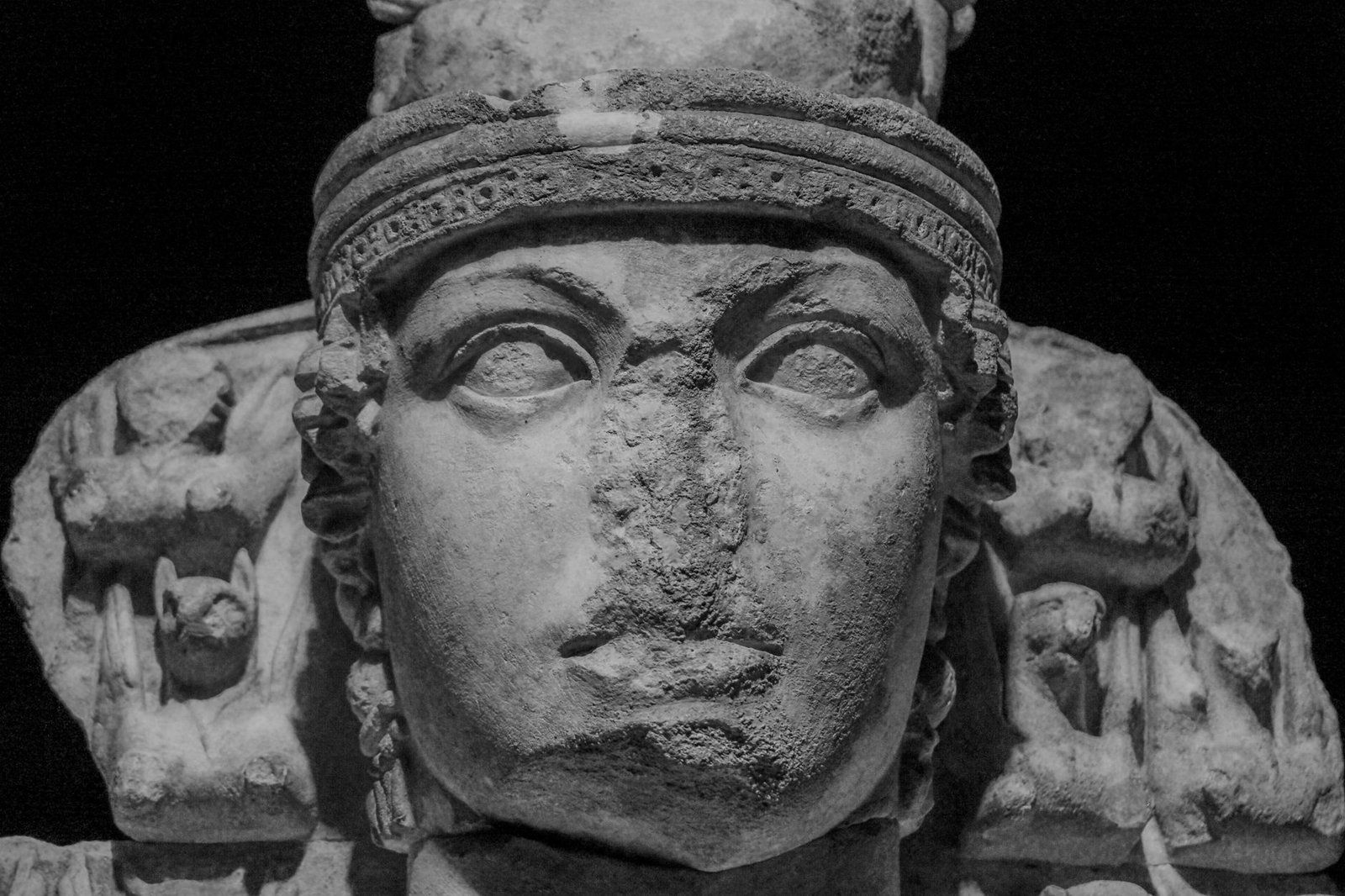
Vesta was the Roman goddess of the hearth, the home, and the sacred fire, embodying the continuity that linked domestic life with the stability of the state. This article explores her ancient cult, the revered Vestal Virgins, and the ways Vesta’s ritual presence shaped Roman religion, offering insight into a deity whose quiet significance reveals much about public and private piety in Rome.
Pomona: Meaning, History, and Cultural Significance
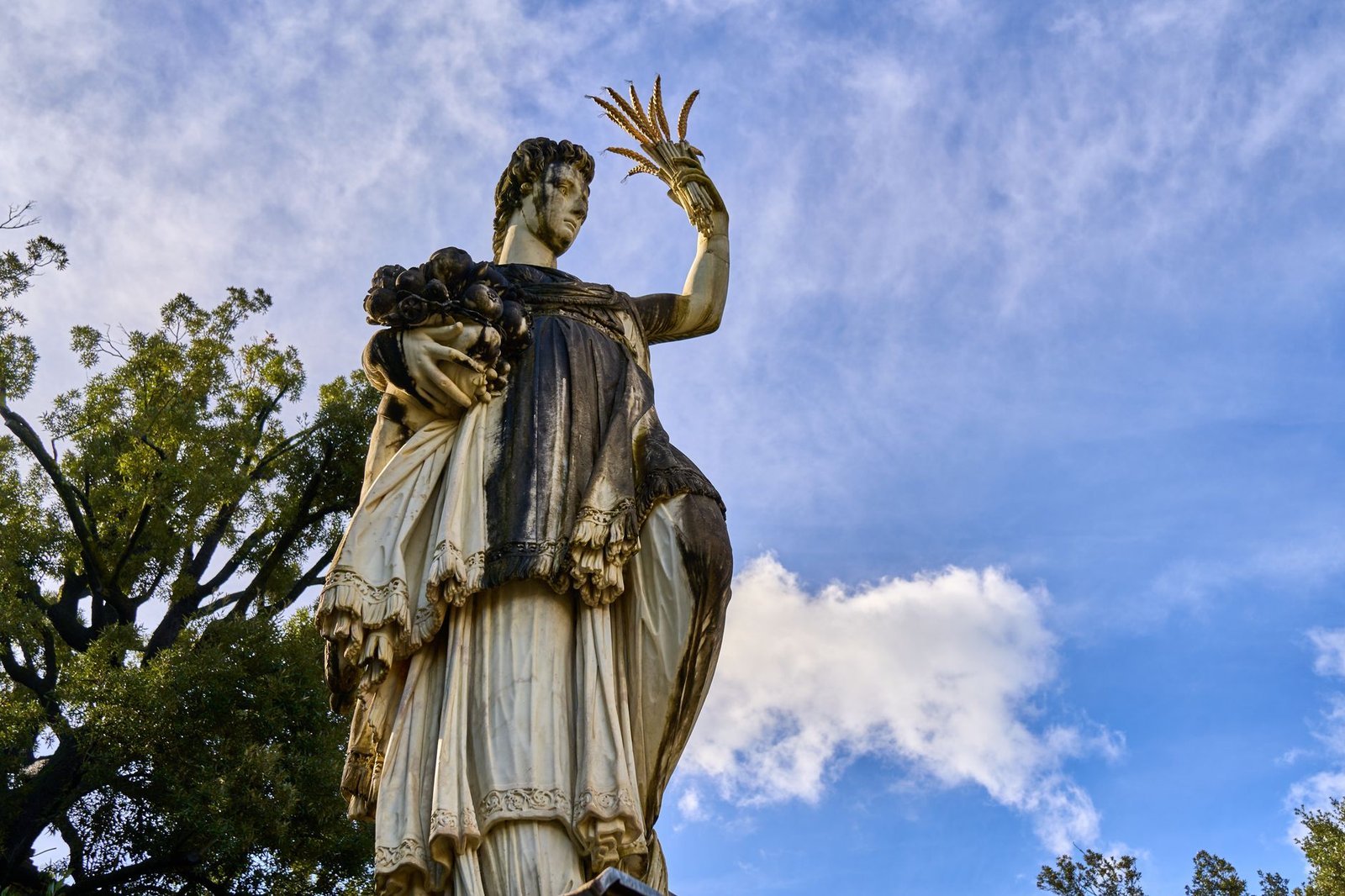
Pomona is the Roman goddess of fruit trees, orchards, and cultivated abundance, a divinity whose name comes from *pomum*, the Latin word for fruit. Though less prominent than the gods of war or empire, she reveals how Roman religion valued the careful transformation of nature into productive order, a theme made vivid in Ovid’s *Metamorphoses*.
Diana: History, Mythology, and Cultural Significance
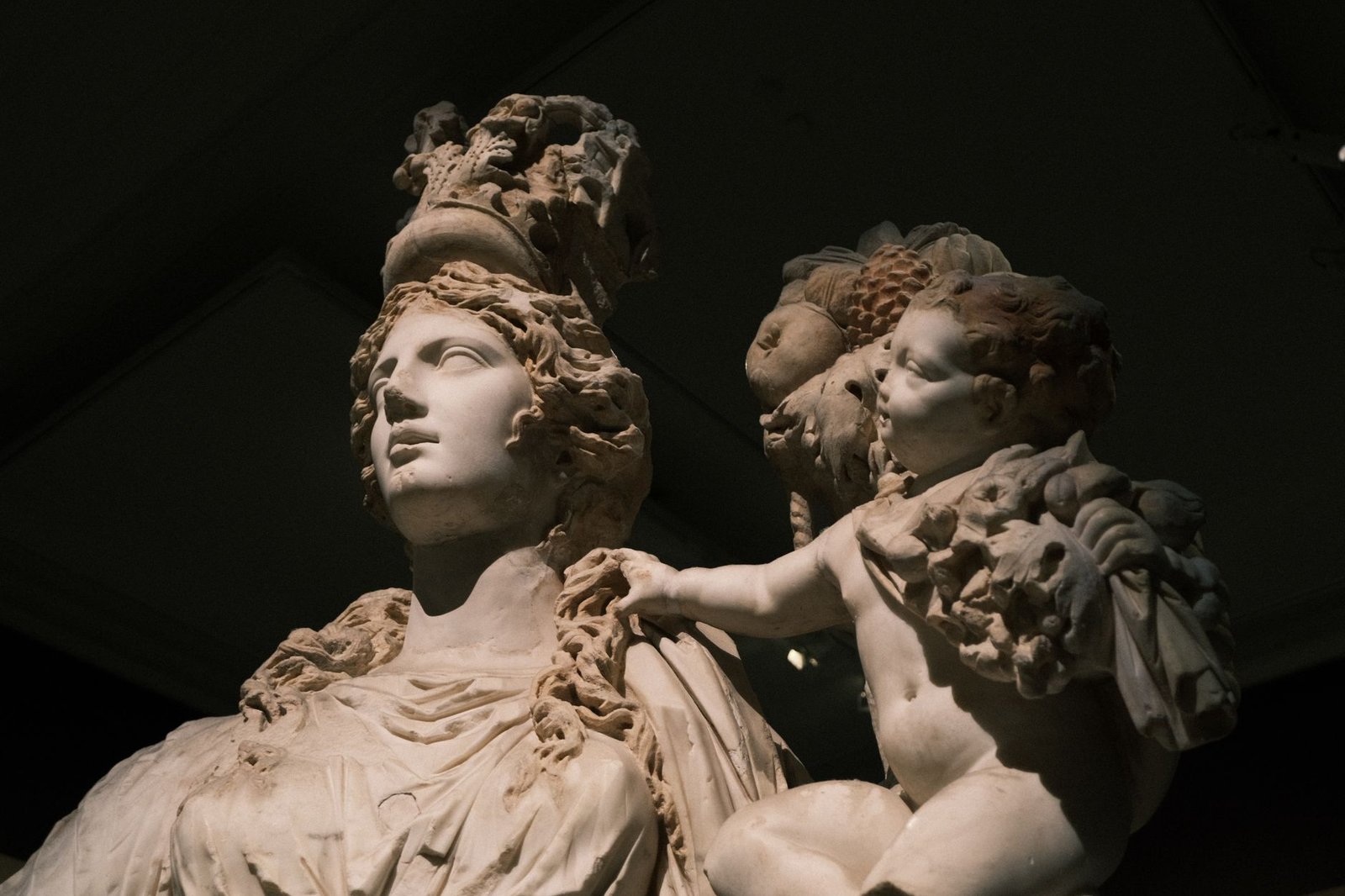
Diana is a central figure in Roman religion and mythology, associated with the moon, the hunt, wild nature, childbirth, and female independence. Blending ancient Italian traditions with Greek influence, her cult, symbolism, and enduring legacy reveal why Diana remains a compelling subject in classical and modern culture.
Luna: Meaning, Origin, and Cultural References
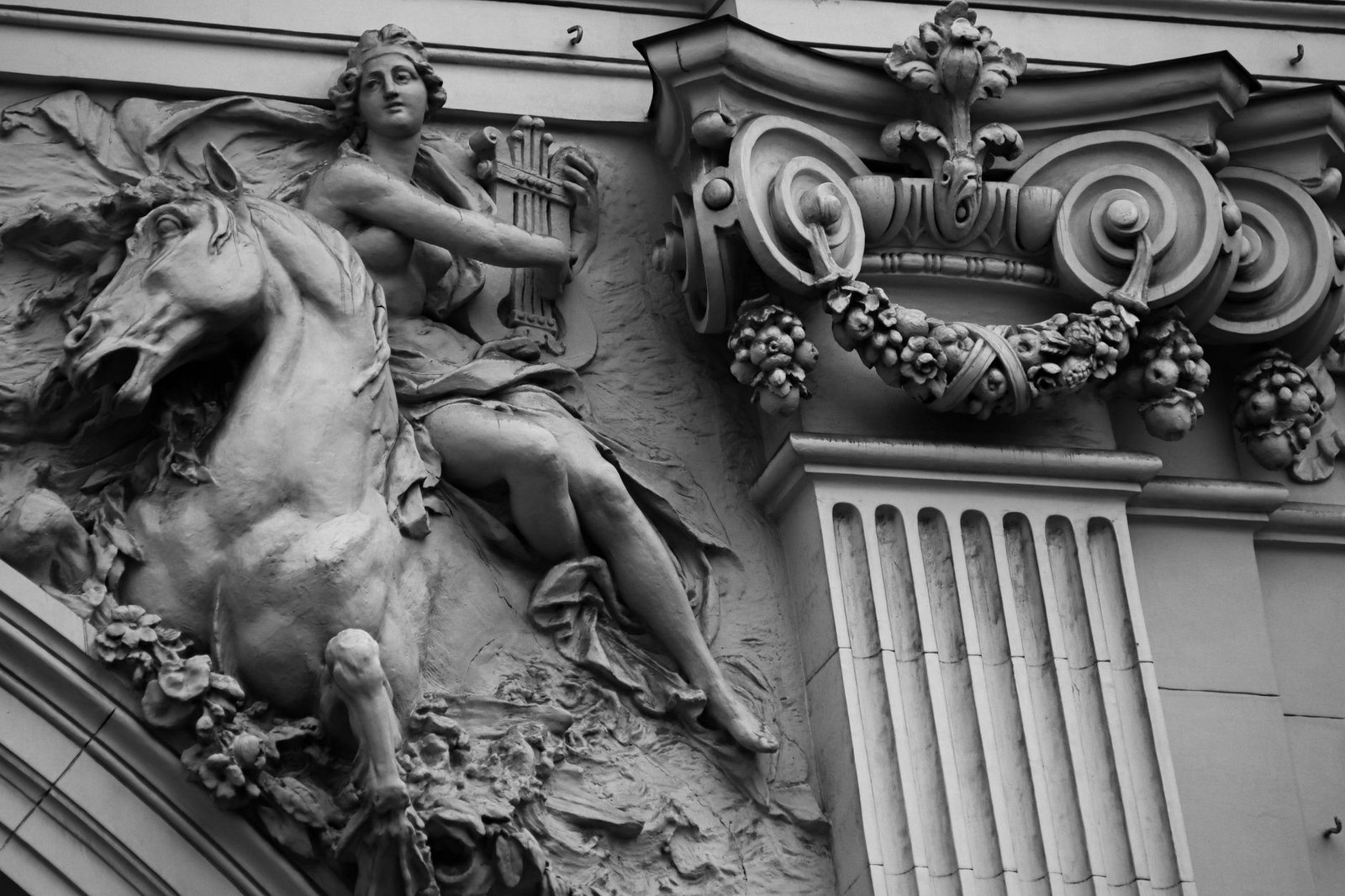
Luna, the Roman goddess of the Moon, embodied both the visible celestial body and the divine forces linked to time, fertility, night, and the changing cycles of nature. Her role in Roman religion, literature, and art reveals a distinct identity shaped by ritual practice and symbolism, inviting closer comparison with other moon deities across the ancient world.
Aurora: Definition, Causes, and Types Explained
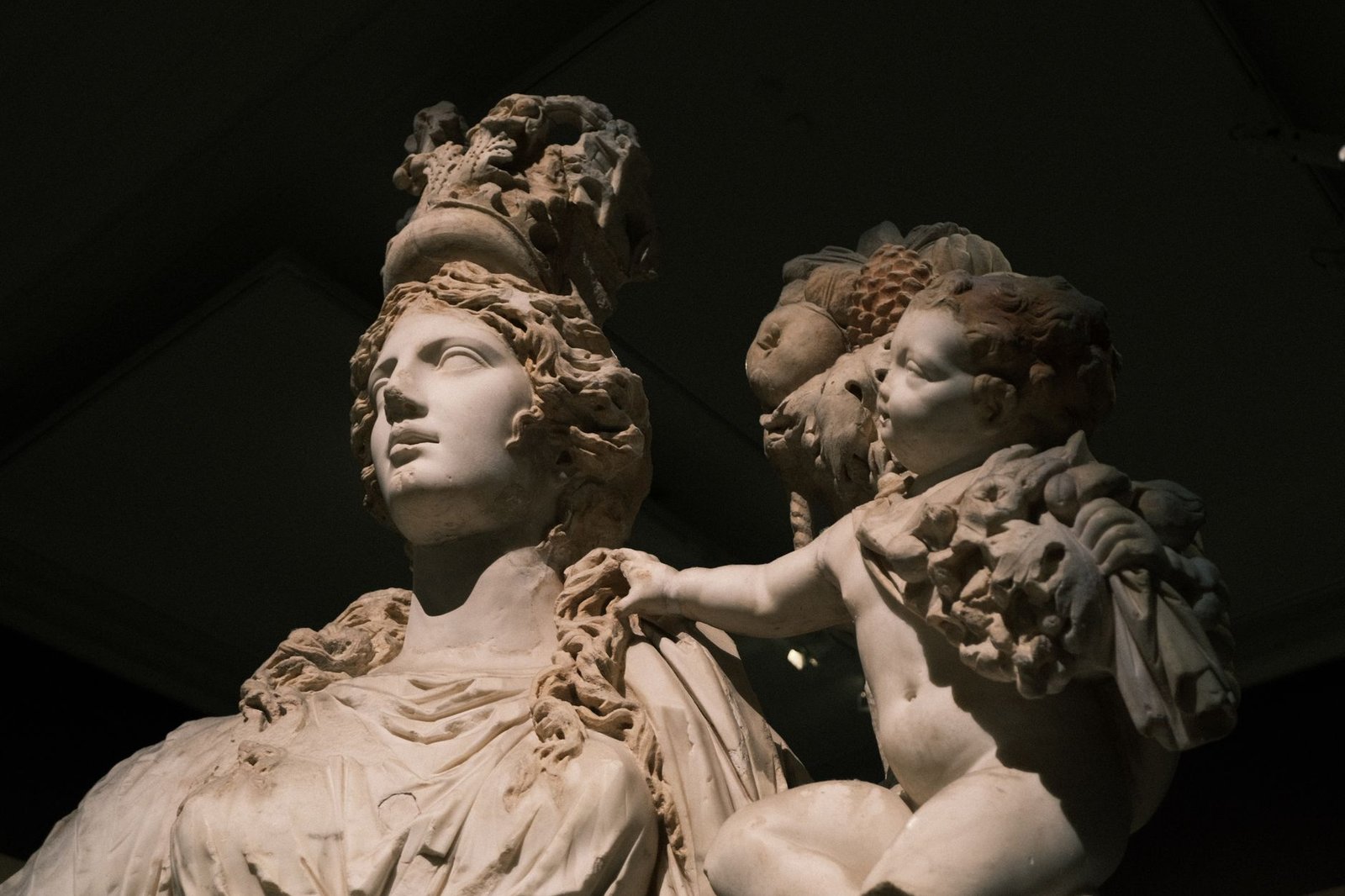
Aurora is the Roman goddess of dawn, the divine personification of the first light that ends night and announces the day. Rooted in ancient Indo-European tradition and mirrored by Greek Eos, she appears throughout classical poetry, art, and myth as a symbol of renewal—yet her story reveals far more than a simple morning image.