mythological symbols
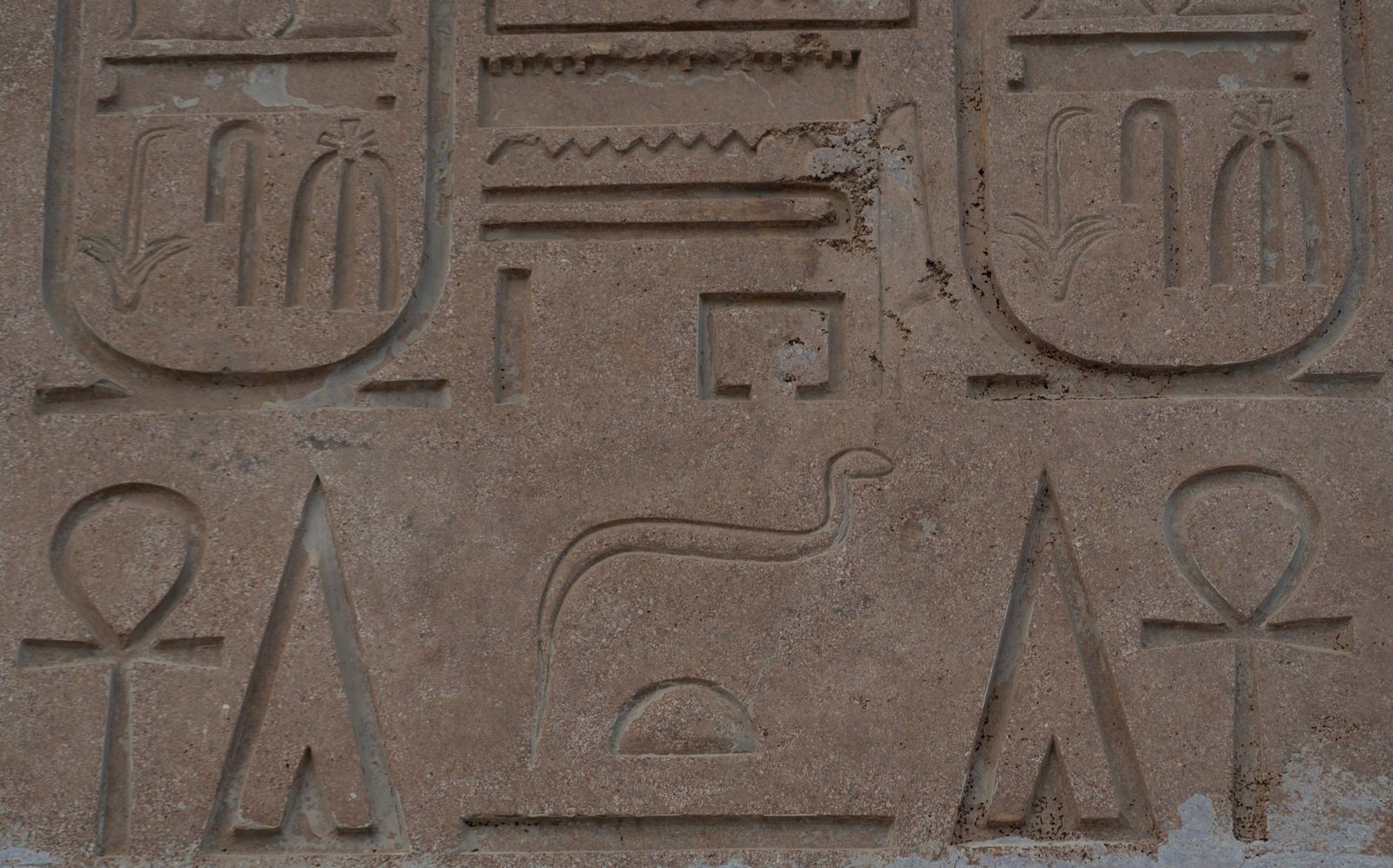
What Does the Ankh Mean in Egyptian Mythology?
The **ankh** is one of ancient Egypt’s most enduring symbols, and in Egyptian mythology it represents life, divine power, and the promise of existence beyond death. This article explores its religious meaning, its use in temple and tomb imagery, and the ways the “key of life” came to embody rebirth, authority, and immortality.
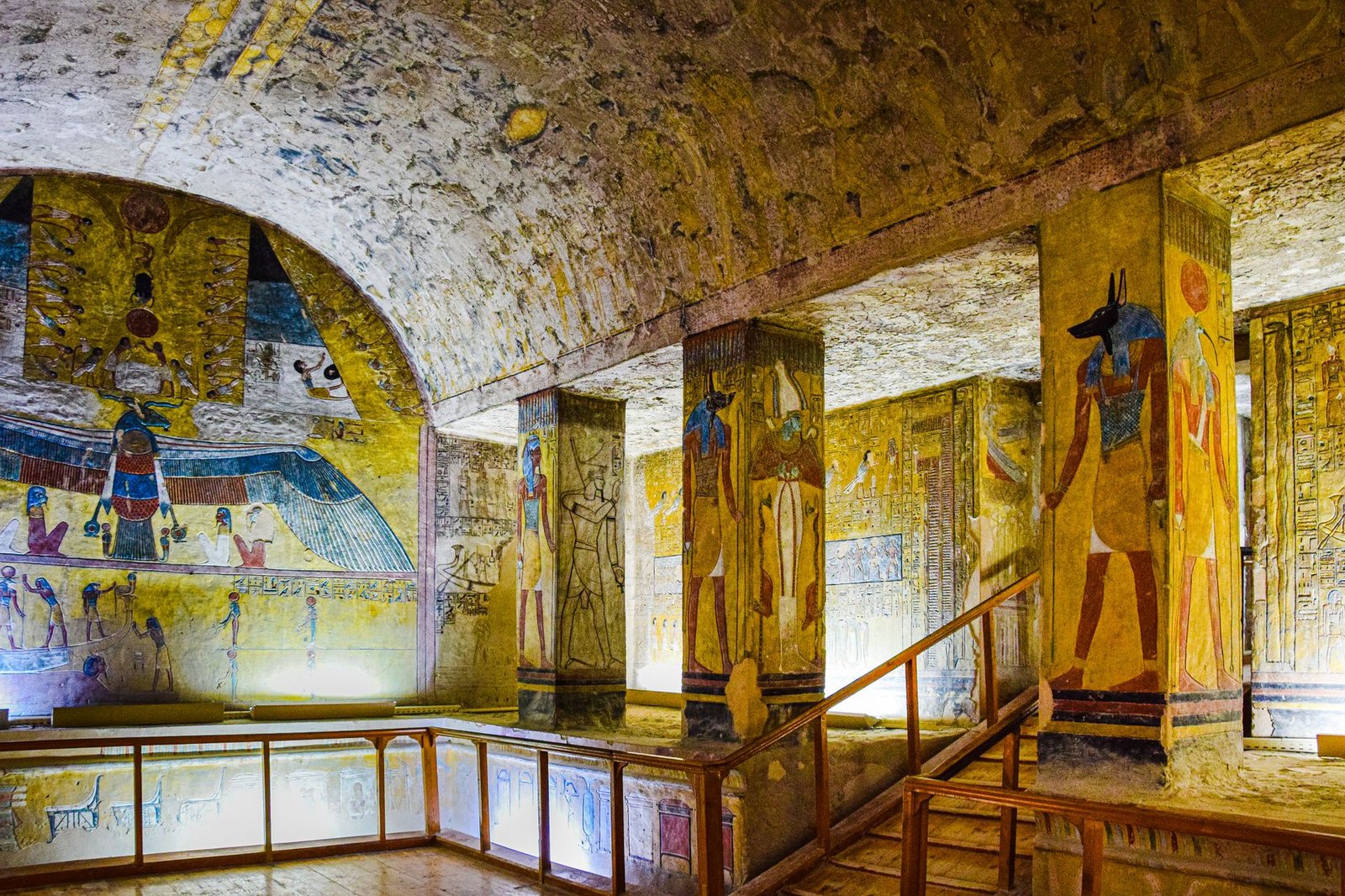
Eye of Horus in Egyptian Mythology: Meaning and Origins
The Eye of Horus in Egyptian mythology is a powerful symbol of healing, protection, royal authority, and restored wholeness, rooted in the story of Horus’s injured eye and its divine repair. Its long history in amulets, funerary art, and temple imagery reveals how a single emblem came to embody both personal wellbeing and cosmic order.
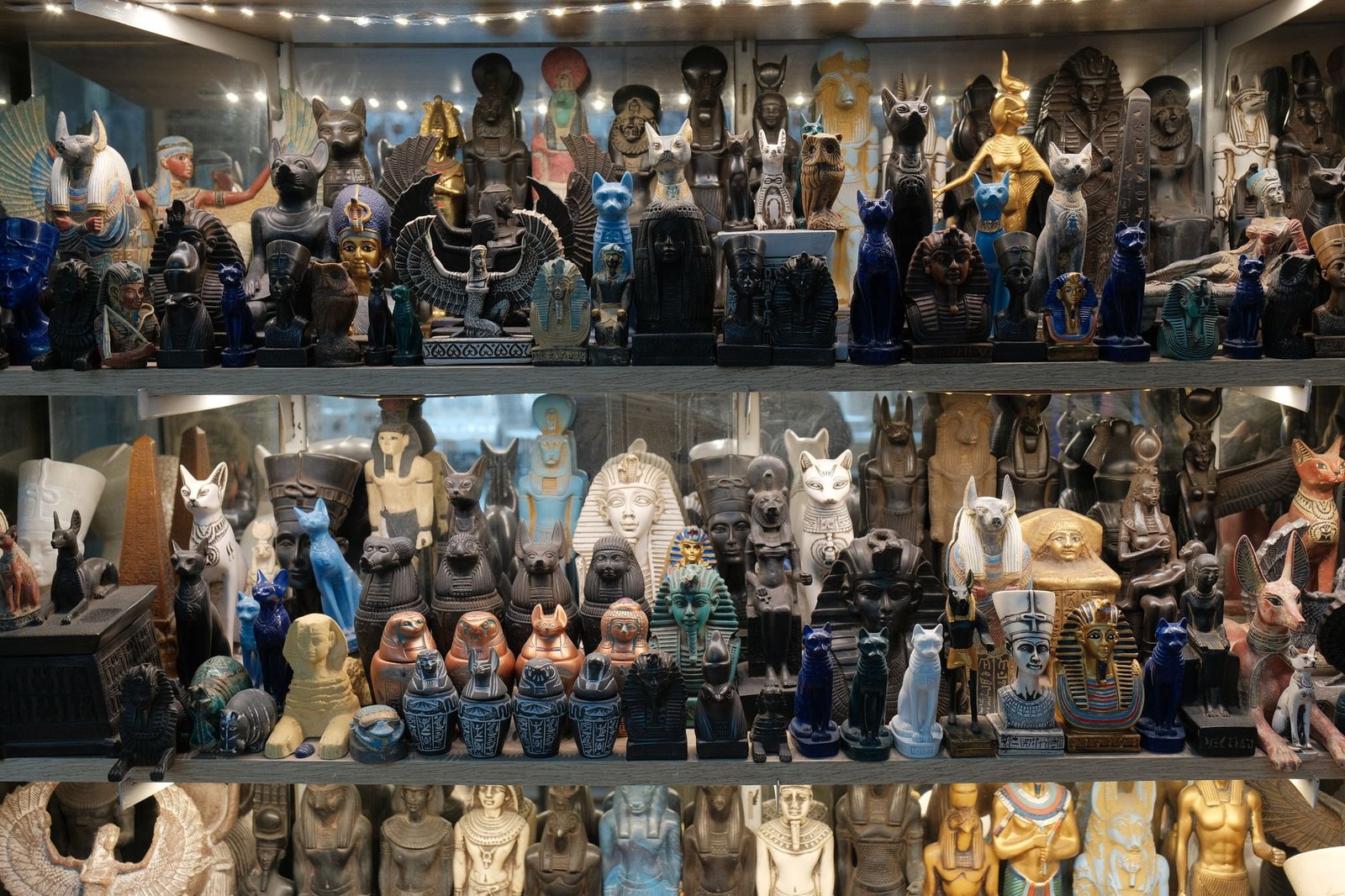
Eye of Horus vs. Eye of Ra: Key Differences Explained
The difference between the Eye of Horus and the Eye of Ra lies in their divine associations: one symbolizes Horus’s restored, protective power, while the other embodies Ra’s solar force and often its destructive aspect. Exploring their origins, meanings, and uses in ancient Egyptian belief reveals why these two sacred eyes are related, yet never interchangeable.
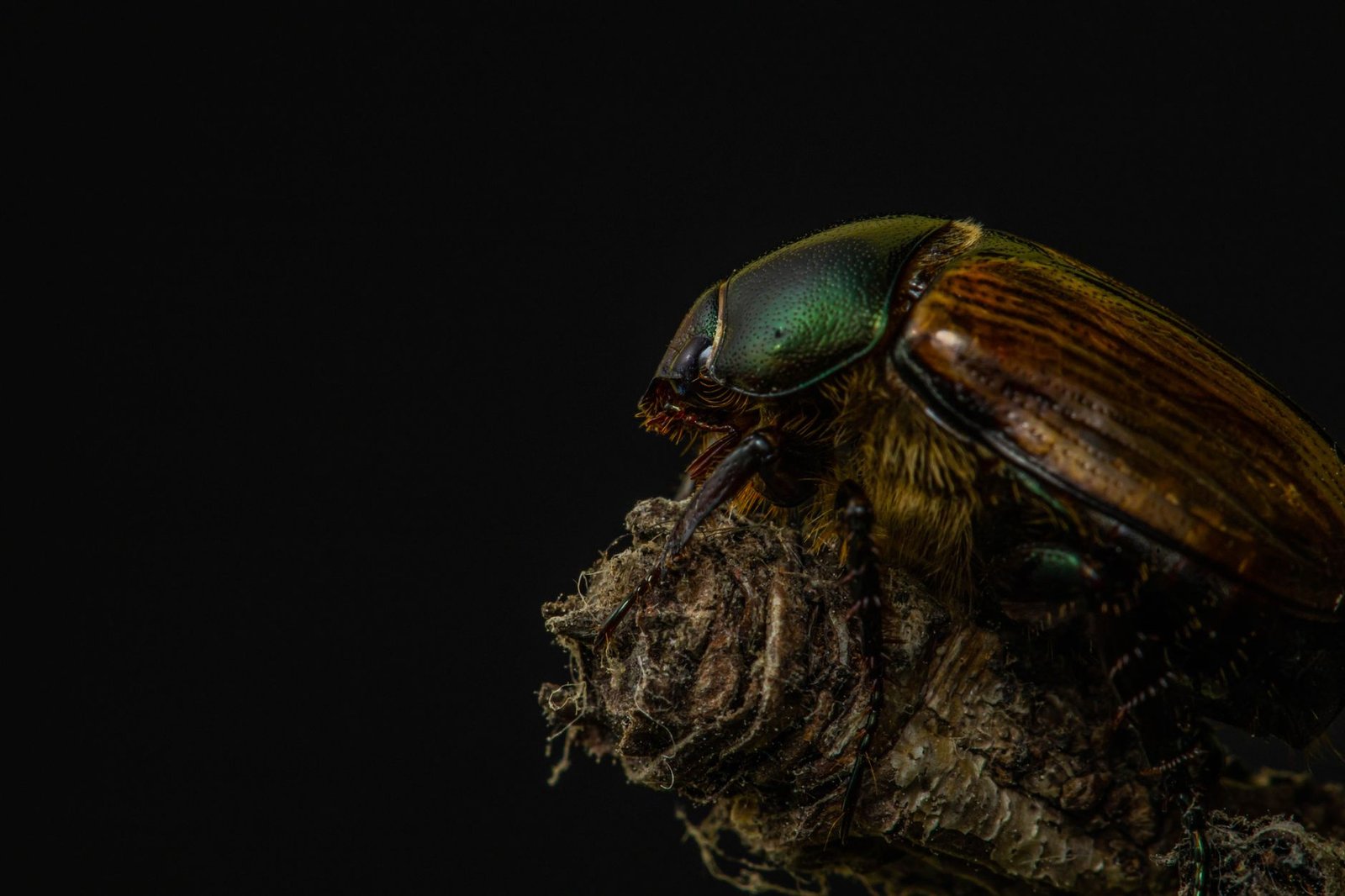
Scarab Beetle Symbolism in Egyptian Mythology Explained
In Egyptian mythology, the scarab beetle symbolizes rebirth, transformation, protection, and the daily renewal of the sun, especially through its link to the god Khepri. This excerpt explores how a simple creature became a powerful emblem of creation, the afterlife, and divine order, revealing why its image endured across temples, tombs, and amulets.
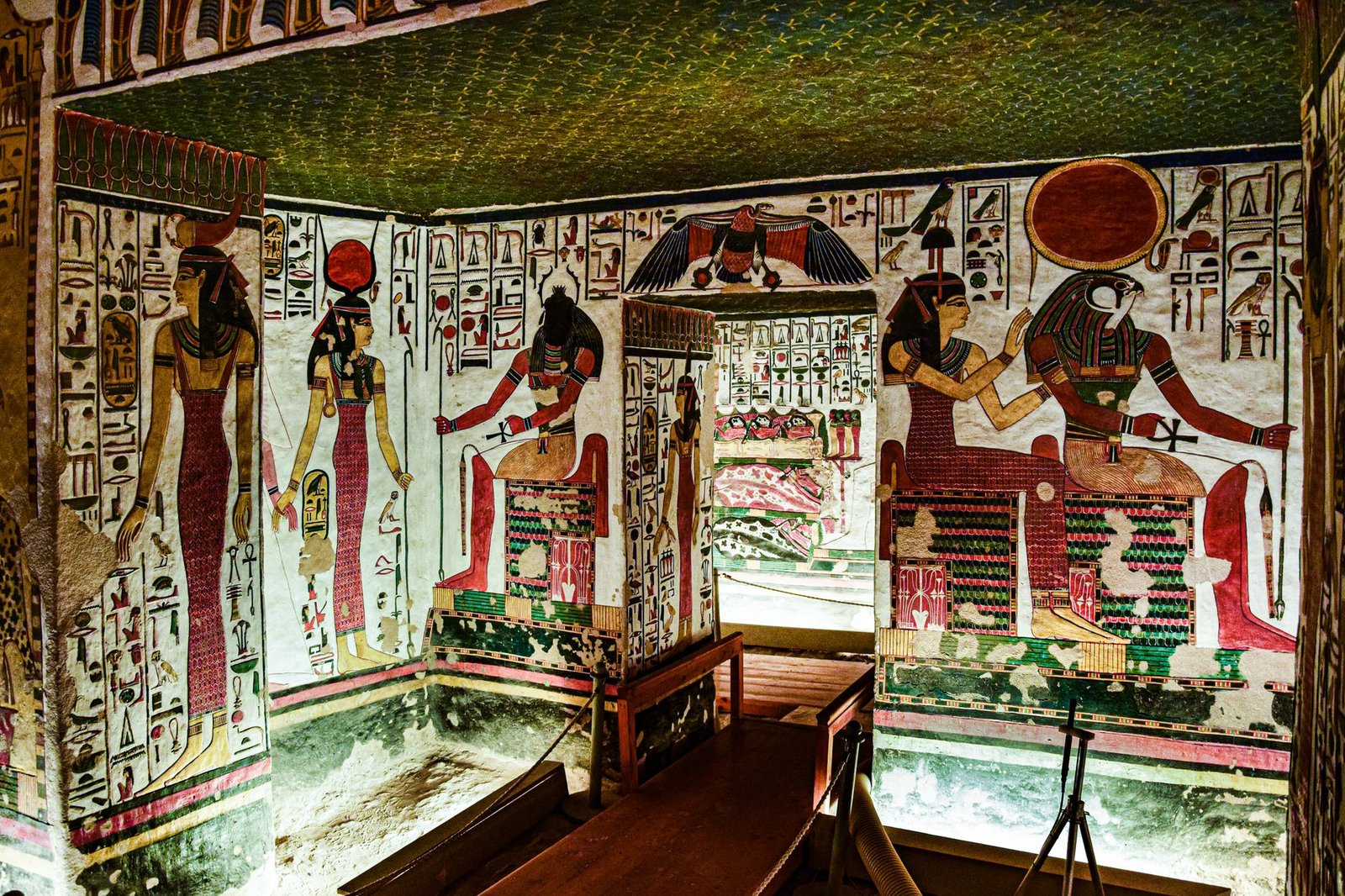
What Is the Shen Ring in Egyptian Mythology?
The shen ring in Egyptian mythology is a powerful symbol of eternity, protection, and completeness, recognized by its enclosed circular form. More than a decorative motif, it appears in royal and divine contexts, where its meaning reveals how ancient Egyptians linked visual symbols with sacred power and cosmic order.
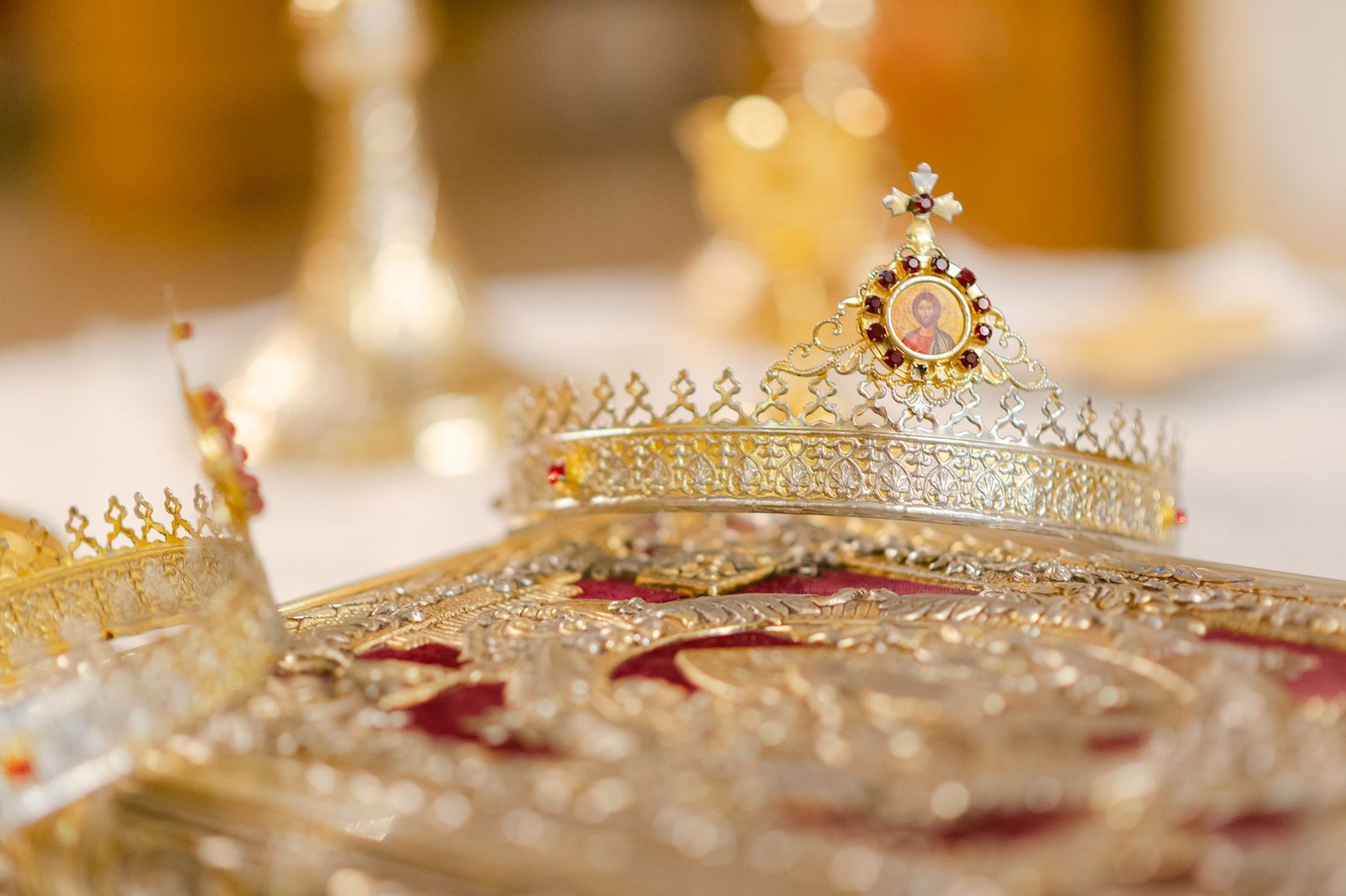
What Is the Atef Crown in Egyptian Mythology?
The Atef crown is a distinctive headdress in Egyptian mythology, most closely associated with Osiris and the themes of afterlife, kingship, and resurrection. This article explains its symbolic components, historical development, and appearance in temple and tomb art, revealing why it became such a powerful sign of divine authority and renewal.
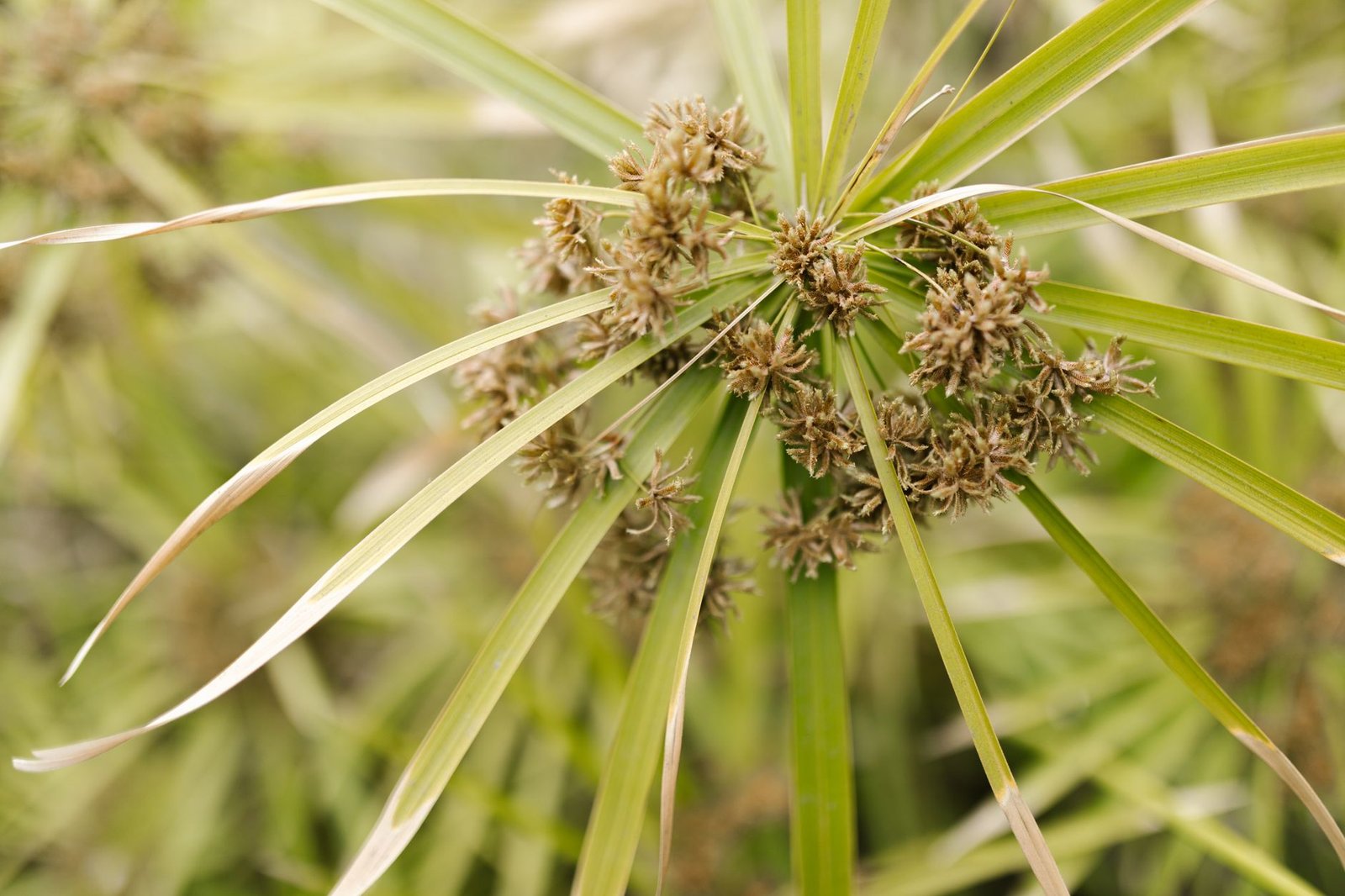
Papyrus Plant Symbolism in Egyptian Mythology Explained
The papyrus plant in Egyptian mythology symbolizes Lower Egypt, fertile marshlands, renewal, and the ordered world emerging from primordial waters, making it a powerful emblem of creation and rebirth. To understand what does the papyrus plant symbolize in Egyptian mythology, readers must consider its roles in religious art, kingship, and the balance between nature and cosmic order.
Tefnut in Egyptian Mythology: Goddess of Moisture and Rain
Who is Tefnut in Egyptian mythology? She is an ancient goddess of moisture, dew, and life-giving humidity, and a key figure in the Heliopolitan Ennead, where she helps explain creation, divine order, and the balance between air and water.
What Is the Ogdoad in Egyptian Mythology?
The Ogdoad in Egyptian mythology is a group of eight primordial deities who embodied the dark, watery, hidden state of the universe before creation. Rooted in the theology of Hermopolis, this complex concept reveals how ancient Egyptians explained the emergence of order, and why these deities remain central to understanding their cosmology.