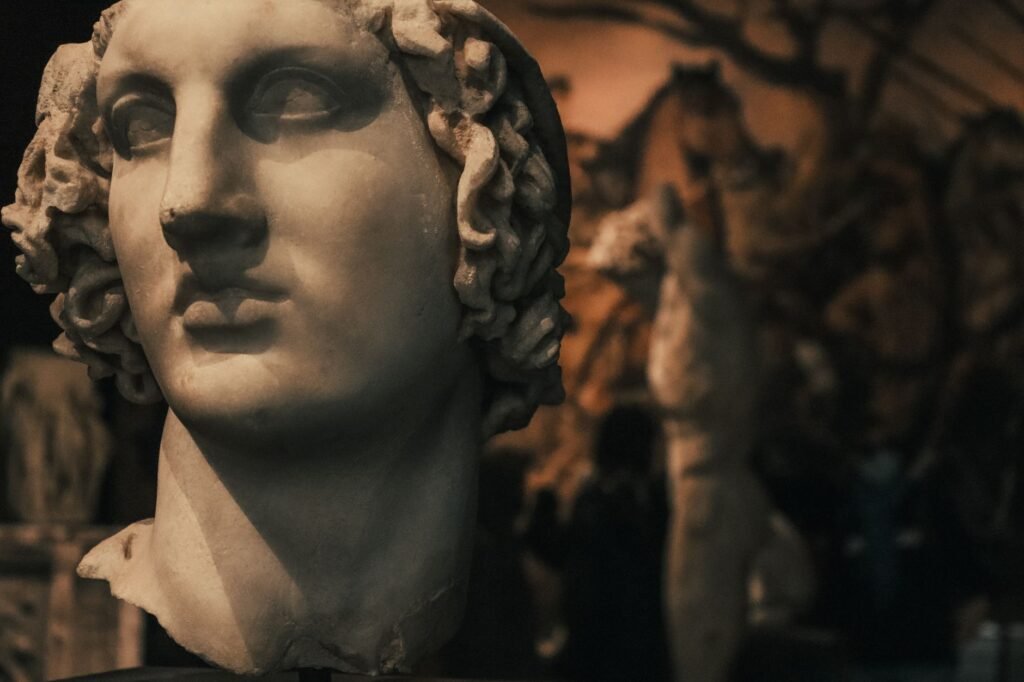
Who Is Hera in Greek Mythology?
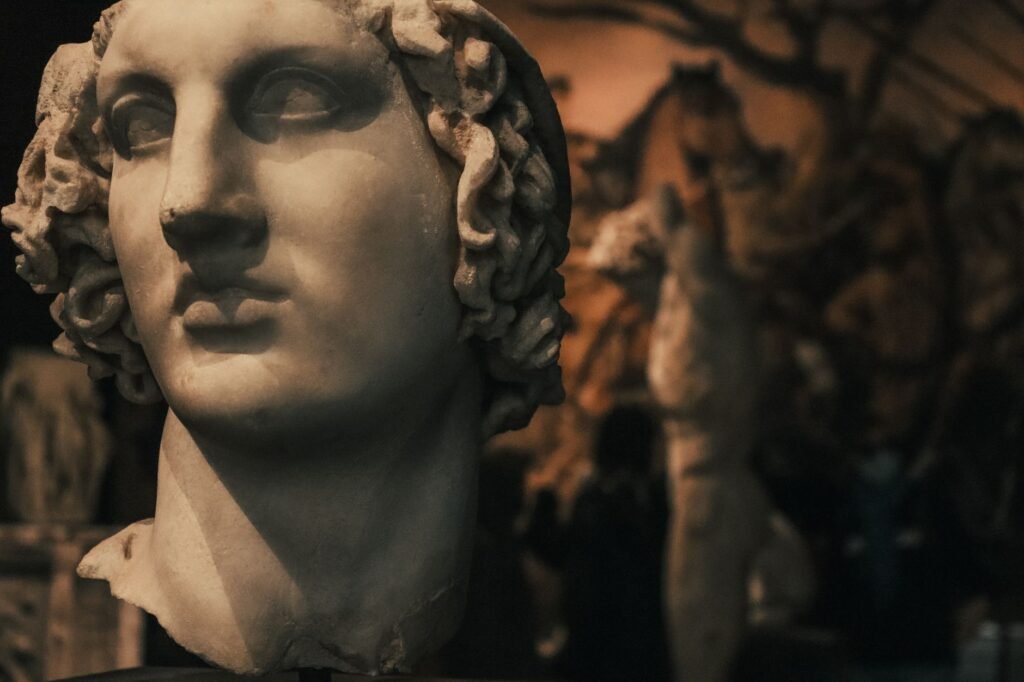
Hera is one of the most important and powerful goddesses in ancient Greek religion. If you have ever wondered who is Hera in Greek mythology, the simplest answer is that she is the queen of the gods, the wife of Zeus, and the goddess of marriage, women, childbirth, and family.
But Hera is far more complex than a symbolic figure of domestic life. In myths, she appears as majestic, protective, proud, jealous, and sometimes fearsome. Her stories reveal ancient Greek ideas about power, loyalty, marriage, and divine authority.
Hera’s Role as Queen of the Gods
Hera ruled from Mount Olympus alongside Zeus, the king of the gods. As queen, she held a position of great honor among the Olympian deities. She was often portrayed as regal and dignified, wearing a crown or diadem and carrying a scepter.
Her authority was not only tied to her marriage to Zeus. Hera had her own divine power and was worshipped widely throughout the Greek world. Temples dedicated to her were among the oldest and most significant religious sites in ancient Greece.
She was especially associated with:
- Marriage and lawful unions
- Women and wives
- Childbirth and motherhood
- Royal power and divine sovereignty
- Protection of family life
Although Zeus was often seen as the supreme ruler, Hera’s status as queen made her one of the most respected goddesses in Greek mythology.
Hera and Zeus
Hera is best known as the wife and sister of Zeus. According to Greek myth, both were children of the Titans Cronus and Rhea. After Zeus overthrew Cronus and established the rule of the Olympian gods, Hera became his queen.
Their marriage, however, was famously troubled. Zeus had many affairs with goddesses, mortal women, and nymphs. Hera’s anger at his unfaithfulness became a major theme in Greek mythology.
Rather than punishing Zeus directly, Hera often targeted his lovers or the children born from those relationships. These myths present Hera as jealous and vengeful, but they also reflect her role as guardian of marriage. To the Greeks, Hera represented the sacred bond of marriage, and Zeus’s betrayals were violations of that order.
Hera as Goddess of Marriage and Women
Hera’s most important divine responsibility was marriage. Ancient Greeks prayed to her for blessings on weddings, fertility, and family stability. Brides often honored Hera before or during marriage ceremonies, hoping for her protection and favor.
She was also connected to the stages of a woman’s life. As a goddess of women, Hera was invoked in matters of childbirth and motherhood, even though other goddesses, such as Artemis and Eileithyia, also had strong links to childbirth.
Hera’s role shows how marriage was central to Greek society. She embodied both the ideal of a faithful wife and the power of a woman who demanded respect within a divine household.
Symbols Associated with Hera
Like many Greek gods and goddesses, Hera had symbols that represented her character and influence.
The Peacock
The peacock is Hera’s most famous symbol. Its beautiful feathers, marked with eye-like patterns, were linked to a myth involving Argus, a many-eyed giant who served Hera. After Argus was killed, Hera honored him by placing his eyes on the tail of the peacock.
The Cow
The cow was another sacred animal of Hera. In ancient Greek poetry, she is sometimes described as “cow-eyed,” a phrase meant to suggest beauty, majesty, and calm power.
The Pomegranate
The pomegranate, often associated with fertility and marriage, was also connected with Hera. It symbolized abundance, life, and the bonds of family.
The Crown and Scepter
As queen of the gods, Hera was frequently shown with royal symbols such as a crown, veil, and scepter. These emphasized her dignity and high status among the Olympians.
Famous Myths About Hera
Hera appears in many well-known Greek myths. Her role is often dramatic, shaping the lives of heroes and gods alike.
Hera and Heracles
One of Hera’s most famous enemies was Heracles, known in Roman mythology as Hercules. Heracles was the son of Zeus and the mortal woman Alcmene. Because he was born from one of Zeus’s affairs, Hera hated him from infancy.
In one myth, she sent snakes to kill baby Heracles in his cradle, but the child strangled them with his bare hands. Later, Hera’s anger helped lead to the series of trials known as the Twelve Labors of Heracles.
Despite her hostility, Heracles eventually achieved divine status and was reconciled with Hera after his death.
Hera and Io
Io was a mortal woman loved by Zeus. To hide her from Hera, Zeus transformed Io into a cow. Hera, suspicious of Zeus, asked for the cow as a gift and placed Argus, the many-eyed giant, to guard her.
Zeus sent Hermes to rescue Io, and Hermes killed Argus. In grief and anger, Hera placed Argus’s eyes on the peacock’s tail. Io then wandered the earth, tormented by Hera, before eventually finding peace.
Hera and the Trojan War
Hera played a major role in the events surrounding the Trojan War. In the famous Judgment of Paris, Paris of Troy was asked to decide which goddess was the most beautiful: Hera, Athena, or Aphrodite.
Hera offered him power, but Paris chose Aphrodite, who promised him the love of Helen. Insulted by the decision, Hera became a fierce enemy of Troy and supported the Greeks during the war.
How Was Hera Worshipped?
Hera was worshipped throughout ancient Greece, but some places were especially important to her cult. The city of Argos considered her a major patron goddess. The Heraion of Argos was one of her most famous sanctuaries.
She was also worshipped on the island of Samos, where a great temple was built in her honor. Festivals dedicated to Hera often celebrated marriage, fertility, and civic unity.
Her worship shows that, despite her sometimes harsh portrayal in myths, Hera was deeply respected in religious life.
Why Hera Matters in Greek Mythology
Hera matters because she represents both divine majesty and the challenges of marriage, loyalty, and power. She is not simply “Zeus’s wife.” She is a queen, a protector of marriage, a goddess of women, and a force who demands honor.
Her myths can be difficult because they often show her anger and jealousy. Yet they also reveal the seriousness with which the Greeks viewed marriage vows and family order. Hera defended her domain fiercely, even when the king of the gods himself failed to respect it.
Conclusion
So, who is Hera in Greek mythology? She is the queen of Mount Olympus, the wife of Zeus, and the goddess of marriage, women, childbirth, and family. Her symbols include the peacock, cow, pomegranate, crown, and scepter.
Hera’s stories show her as powerful, proud, protective, and sometimes vengeful. She stands among the greatest figures of Greek mythology, not only because of her relationship with Zeus but because of her own authority as one of the most important Olympian goddesses.

Orin Vale has spent the better part of two decades tracing the threads that connect the world’s oldest stories — from the halls of Asgard to the banks of the Nile, from Olympus to the jungles of the Maya. What began as a childhood fascination with flood myths and trickster gods grew into years of independent study across comparative mythology and ancient religion, always chasing the same question: what did these stories mean to the people who first told them? Orin writes for readers who want more than trivia — the ones looking for the beliefs, fears, and truths that myths were built to carry.