ancient Greek religion
Charon: Definition, Mythology, and Significance
Charon, the grim ferryman of Greek mythology, carries souls across the boundary between the living world and the underworld, embodying passage, loss, and the finality of death. From ancient funerary beliefs to later literature and art, his enduring presence invites a closer look at how Greeks imagined the soul’s journey beyond life.
Lares and Penates: Roman Household Gods and Deities
Lares and Penates were central to ancient Roman religion, embodying the protective spirits of the home, its provisions, and, at times, the wider civic community. Though often mentioned together, these distinct divinities reveal how Romans understood domestic security, ancestral continuity, and the sacred life of everyday space.

Owl of Minerva: Meaning, Symbolism, and Philosophy
The Owl of Minerva is a lasting symbol of wisdom, careful judgment, and the reflective insight associated with Athena and her Roman counterpart, Minerva. From ancient Greek iconography to Hegel’s famous phrase, its history reveals how a simple bird became a profound metaphor for understanding that arrives only after events unfold.

Fasces vs SPQR: Meaning, History, and Roman Symbols
Fasces vs SPQR is a useful comparison for understanding how ancient Rome expressed power, legitimacy, and civic identity. The fasces signified coercive magistrate authority, while SPQR—Senatus Populusque Romanus—represented the Roman state itself, a distinction that becomes especially revealing in later political and artistic reuse.
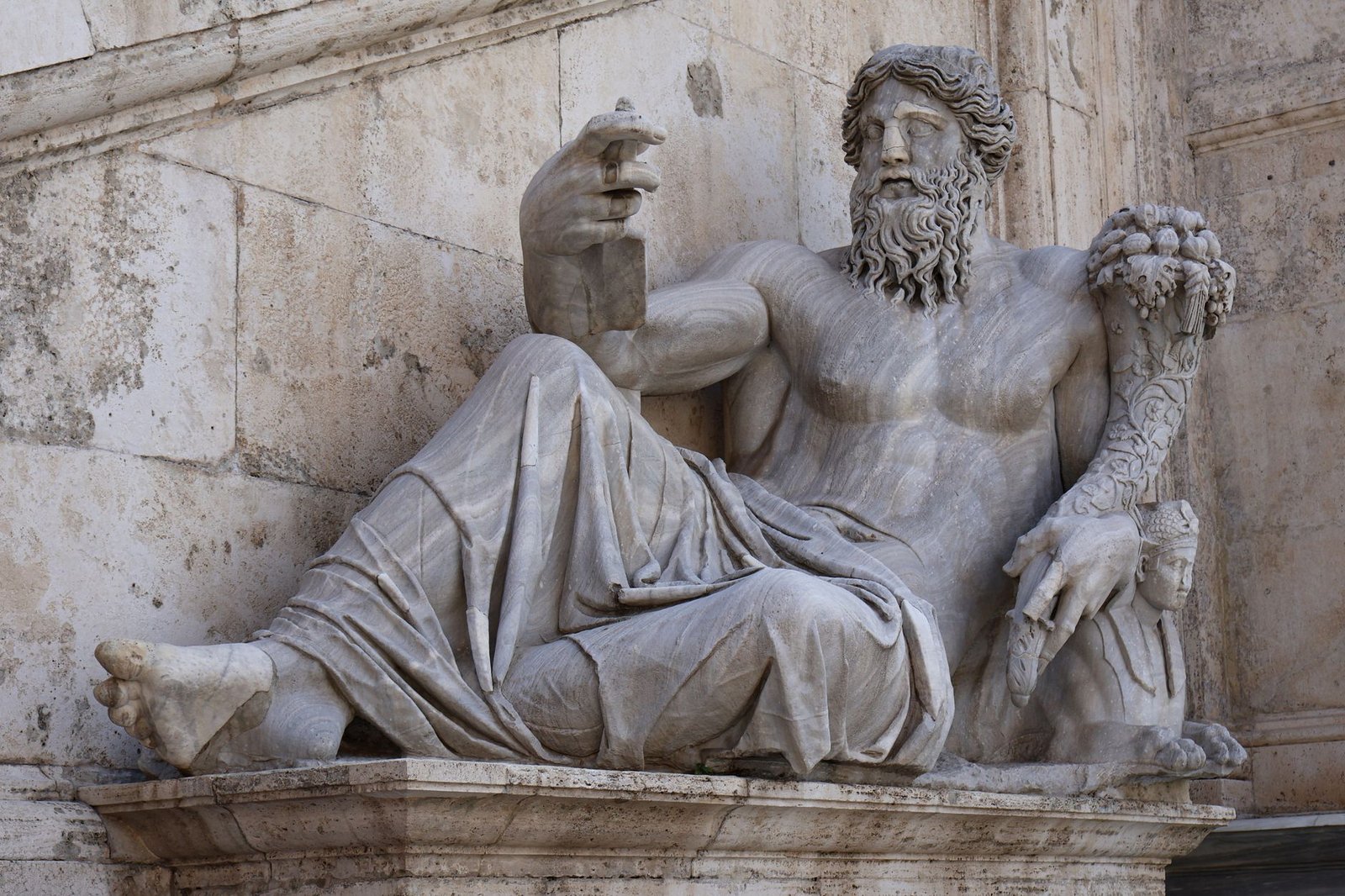
Jupiter: Roman God of Sky, Thunder, and Kingship
Jupiter, the chief god of ancient Rome, embodied sovereignty, law, oath-taking, and the protection of the state, while also ruling the sky, thunder, and lightning. Though often compared with Zeus, Jupiter emerged from an older Italic tradition, and his cult reveals how Roman religion linked divine authority with public order, military power, and the destiny of the city.
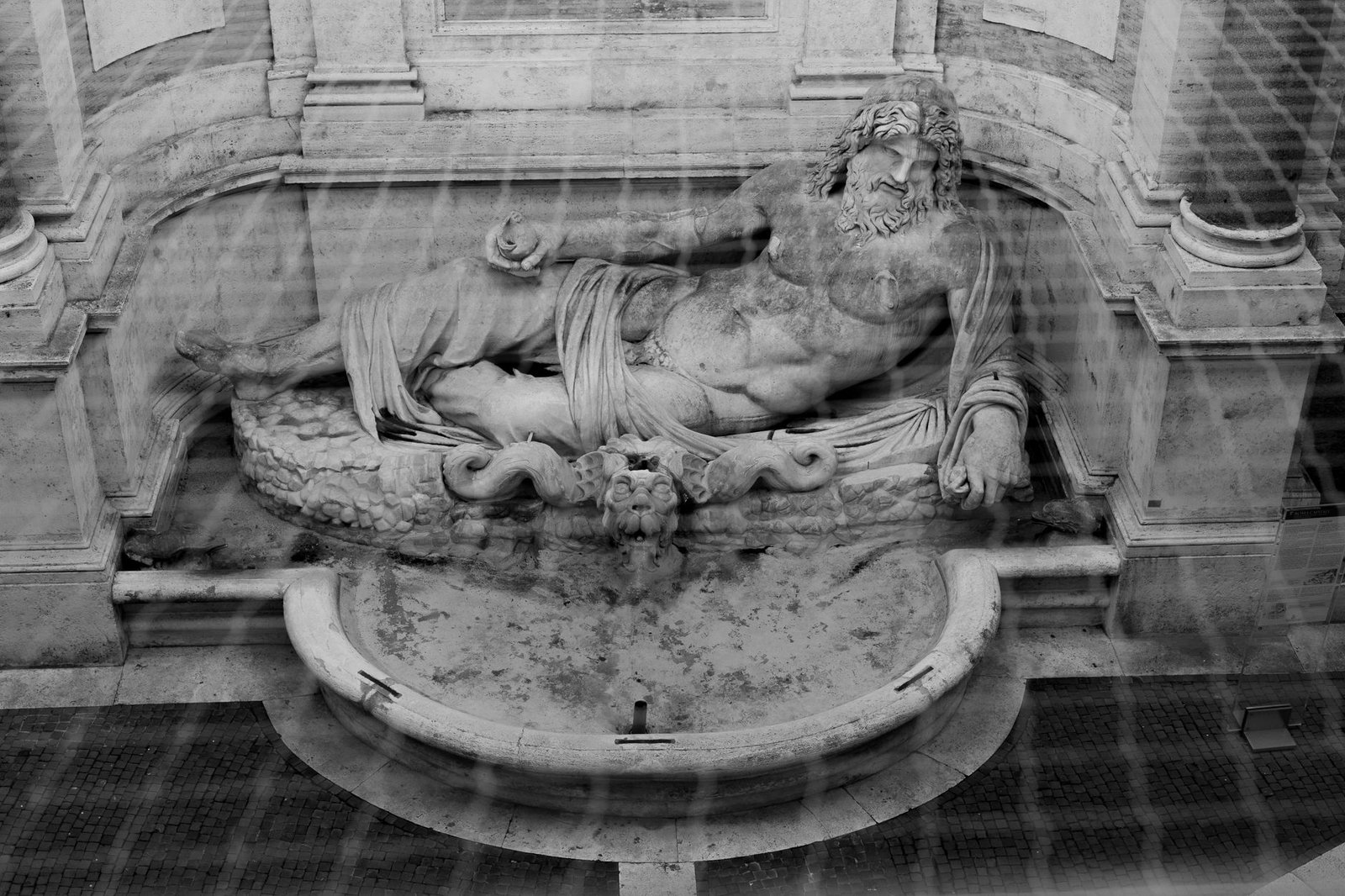
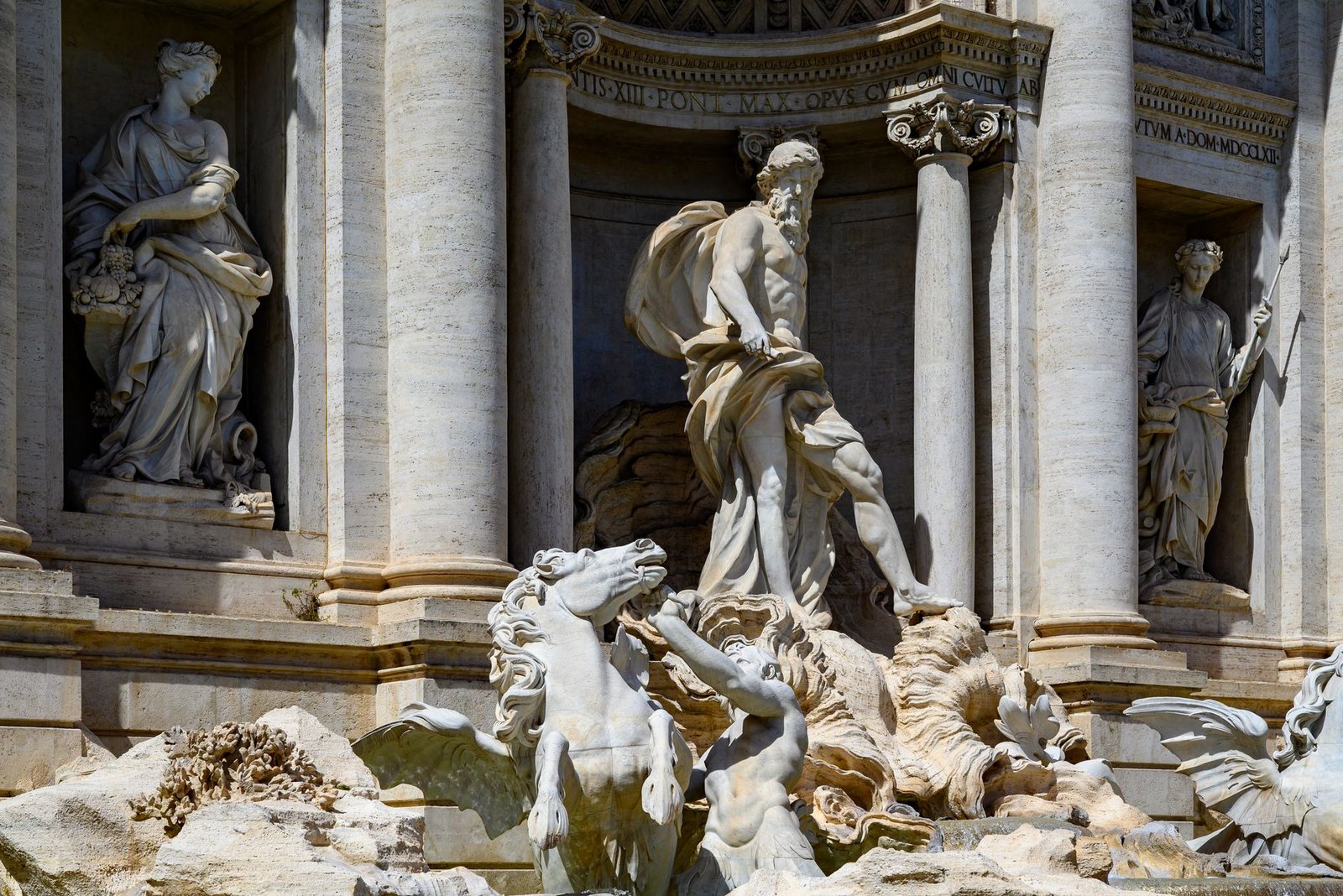
Neptune (Roman God): Roman God of the Sea and Water
Neptune (Roman god) was a major Roman deity of fresh waters, the sea, and horses, later identified with the Greek Poseidon. His history reveals a more complex origin than that of a simple sea god, linking him to springs, rivers, navigation, and the practical needs of Roman life.
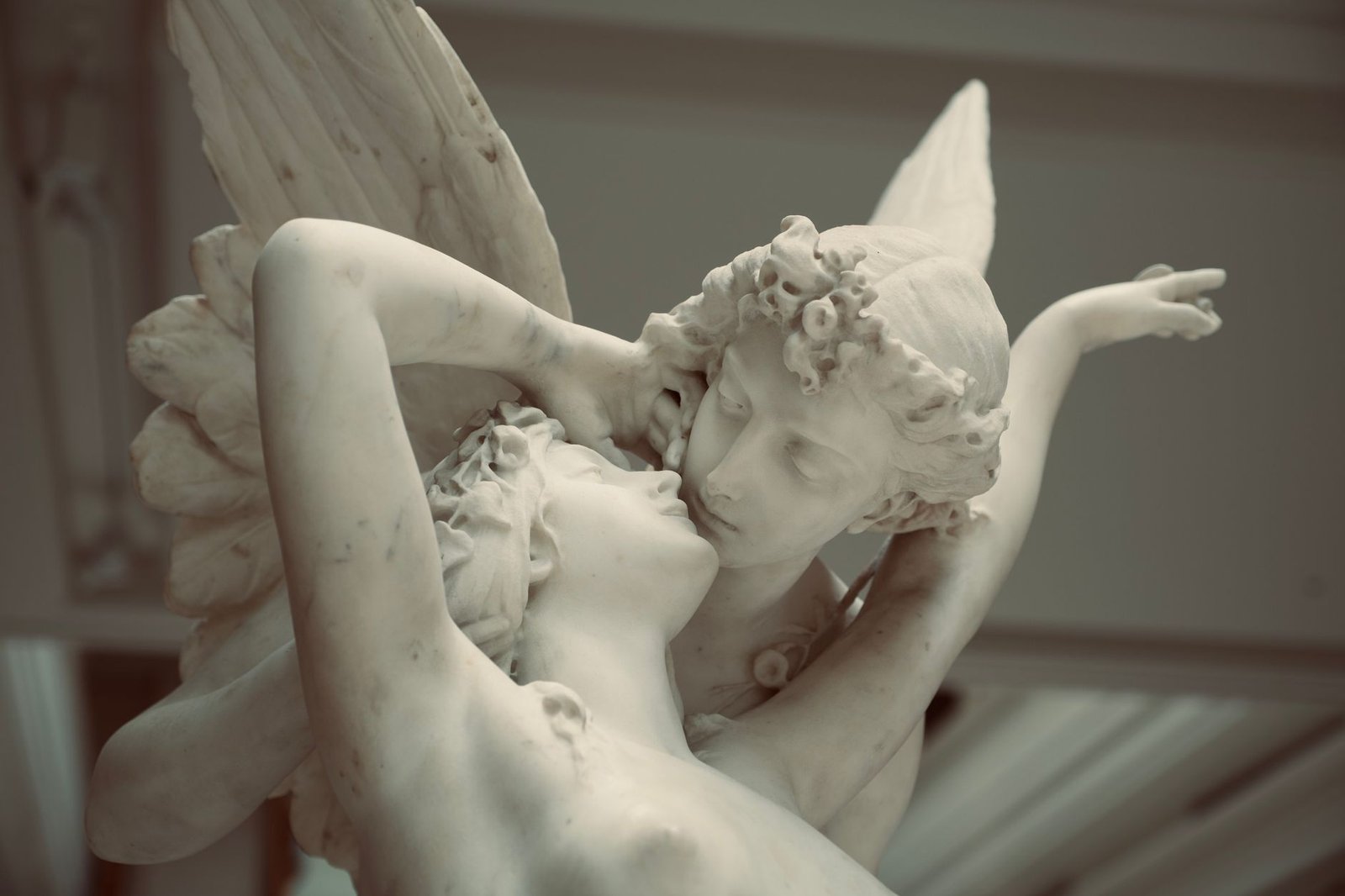
Psyche: Greek Goddess of the Soul and Mythology
Psyche is a central figure in Greek mythology and a lasting symbol of the soul, whose story of love, loss, and transformation has shaped Western literature, philosophy, and art. From her origin as the “breath of life” to her union with Eros and eventual immortality, the myth of Psyche reveals why her name remains important in both ancient tradition and modern thought.
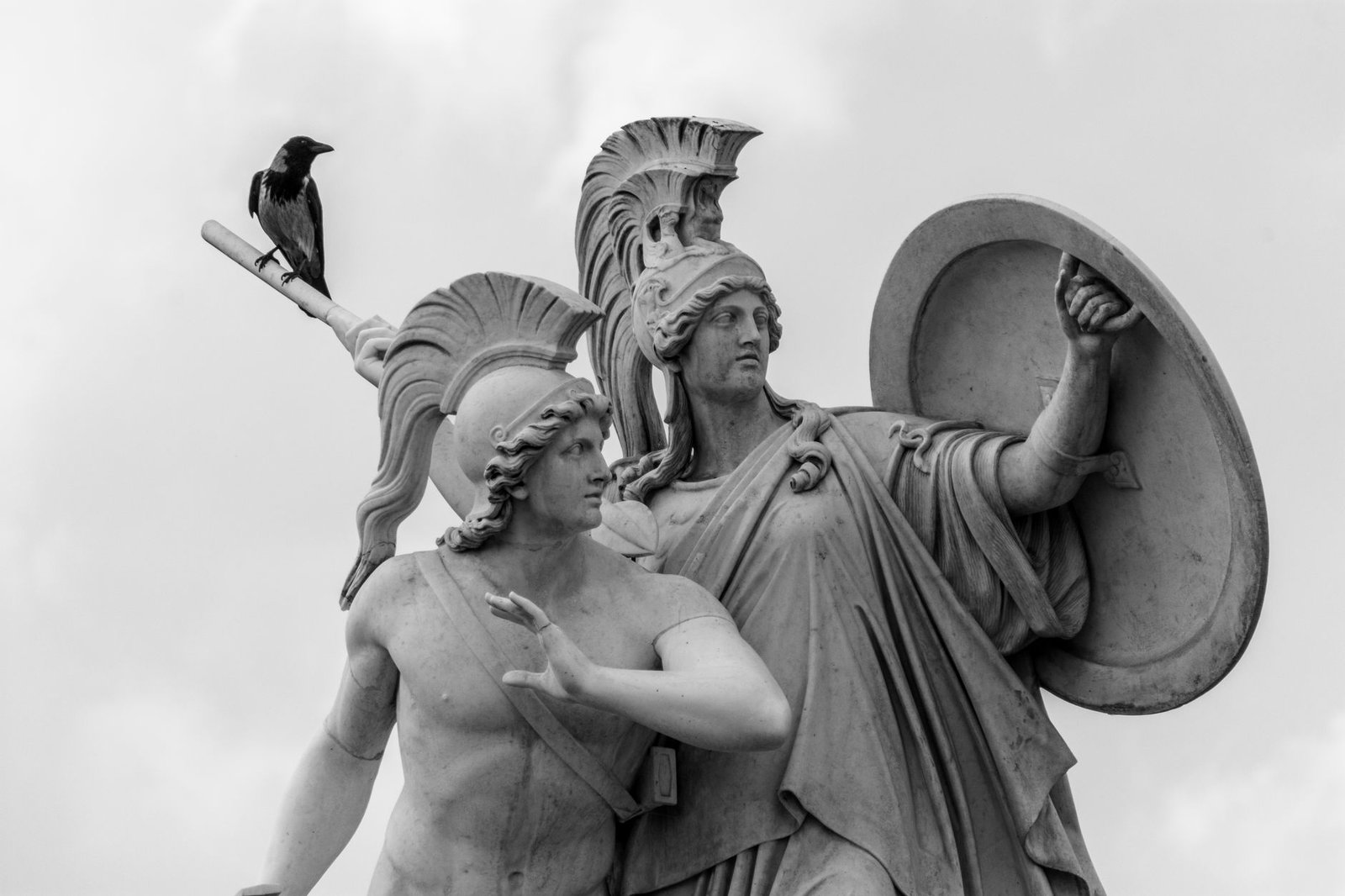
Apollo: Greek God of Music, Poetry, and Sun
Apollo is one of the most enduring figures in Greco-Roman mythology, revered as the god of prophecy, music, healing, and archery. His cult at Delphi and Delos, along with his complex role as both benefactor and punisher, reveals why Apollo remained a powerful symbol of order, harmony, and divine authority across ancient and later Western culture.
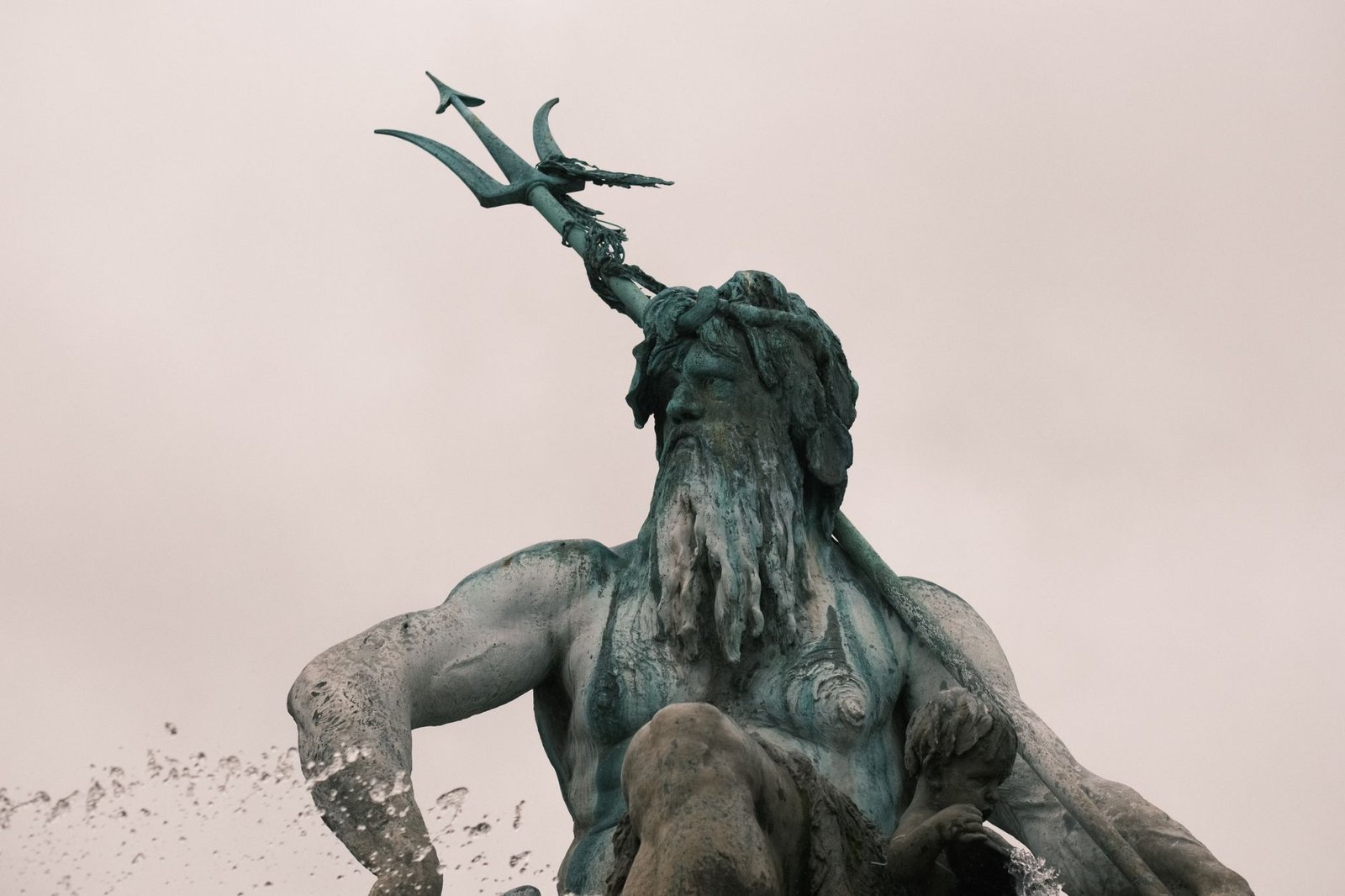
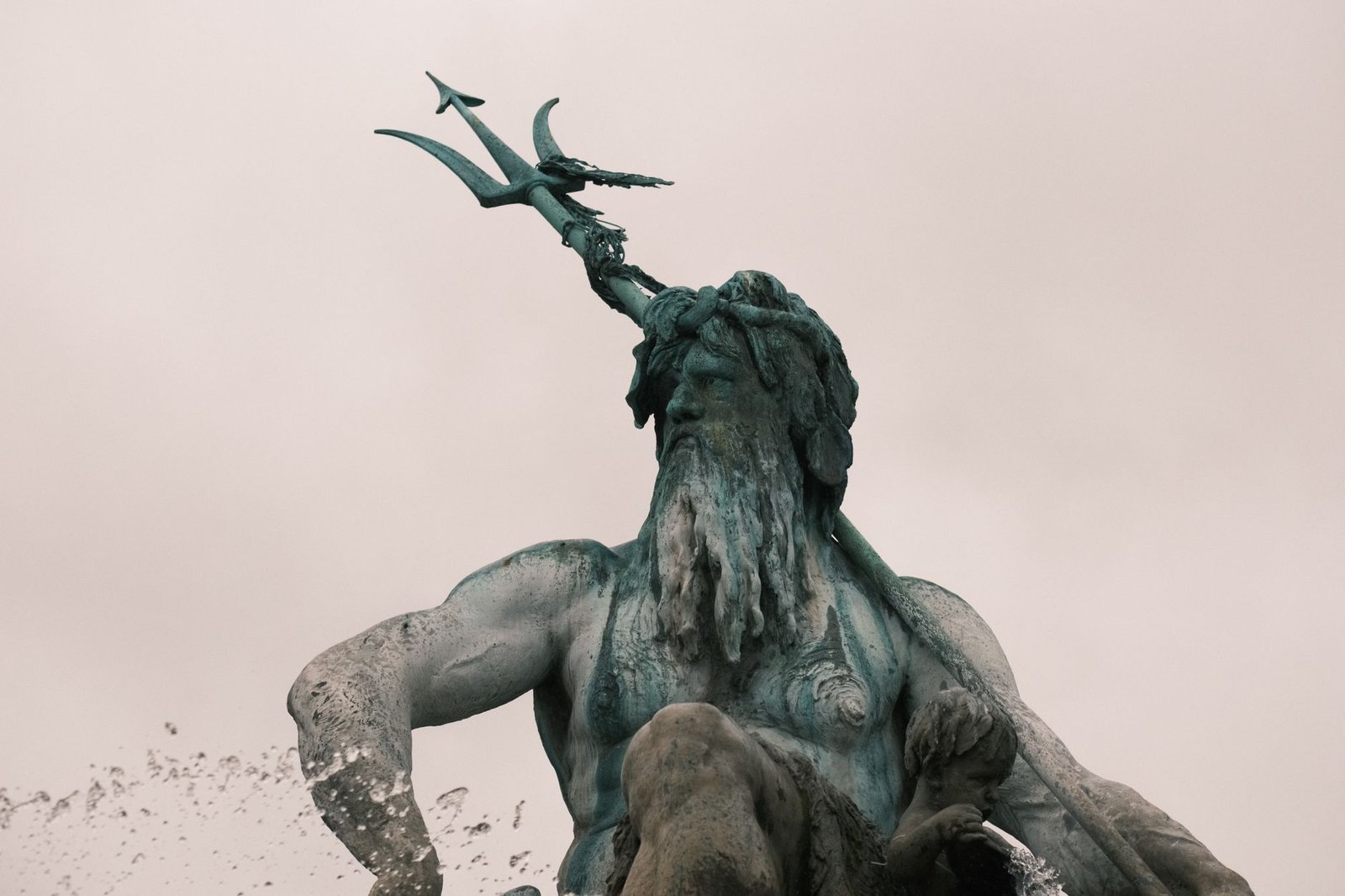
Poseidon’s Trident: Meaning, Origins, and Symbolism
Poseidons Trident is one of Greek mythology’s most enduring symbols, identifying the sea god as ruler of the oceans, earthquakes, and hidden marine forces. More than a weapon, it embodies divine authority and the unpredictable power of the deep, a legacy reflected in ancient art, literature, and modern culture.

Olive Branch: Meaning, Symbolism, and Historical Significance
The olive branch is a lasting symbol of peace, reconciliation, hope, and goodwill, rooted in the long cultural history of the Mediterranean olive tree. From Greek ritual and the story of Noah to Roman, Christian, and modern usage, its meaning reveals how a simple branch came to represent renewed harmony after conflict.