ancient Greek religion

Ariadne’s Thread: Meaning, Origin, and Symbolism
Ariadnes Thread is a lasting motif from Greek mythology, referring first to the thread Ariadne gives Theseus so he can escape the Labyrinth after defeating the Minotaur. In later European culture, it came to mean any clue, guiding principle, or method that helps readers, thinkers, or investigators find their way through complexity.
Herm Island: History, Geography, and Visitor Guide
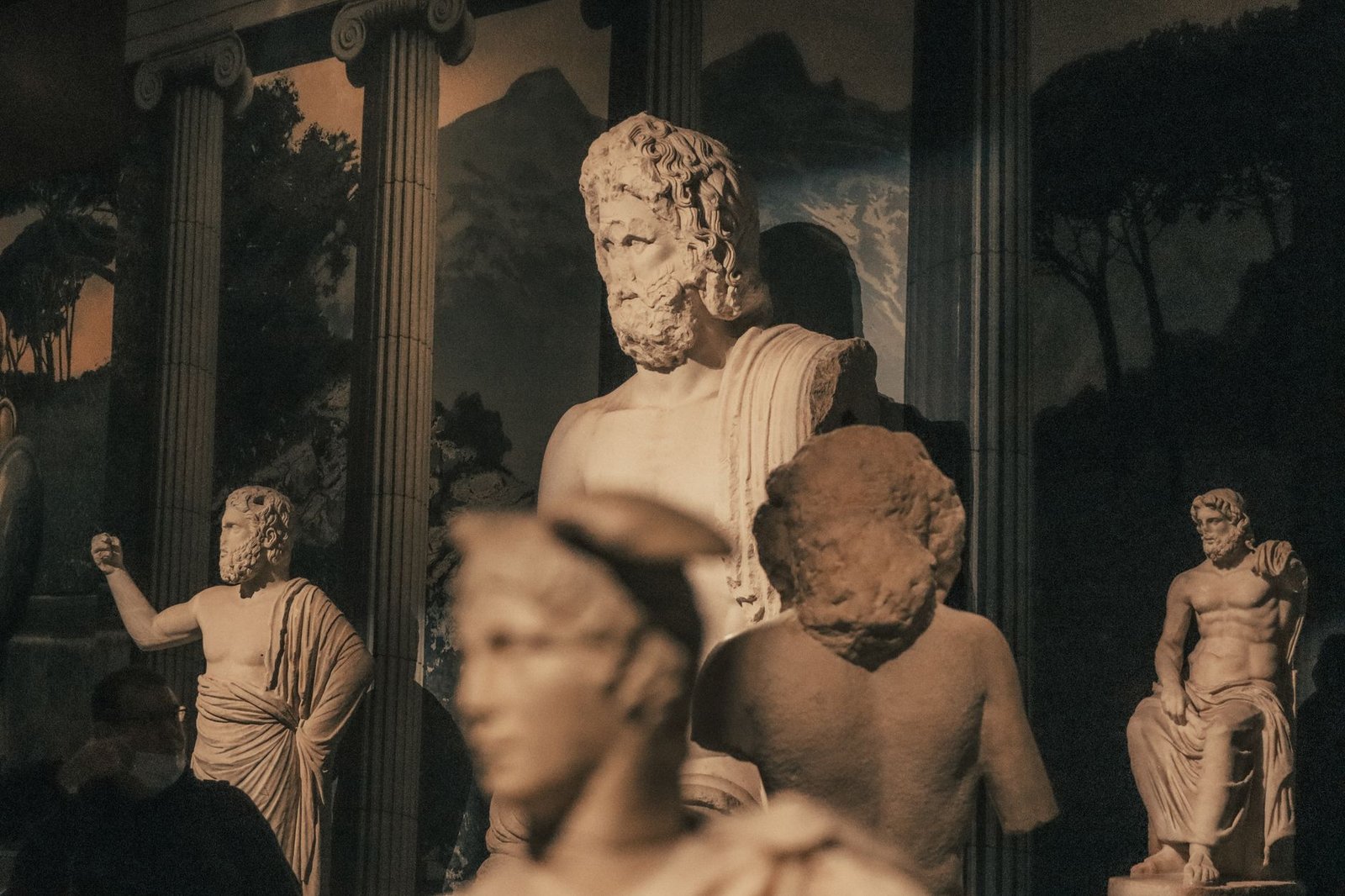
A herm was a distinctive stone boundary marker of the ancient Greek world, usually shaped as a squared pillar crowned by the head of Hermes and placed at roads, crossroads, and thresholds. Blending practical purpose with religious meaning, the herm reveals how Greeks understood travel, protection, and sacred space, and its later adaptations invite closer inspection.
Golden Apples of the Hesperides: Myth and Meaning
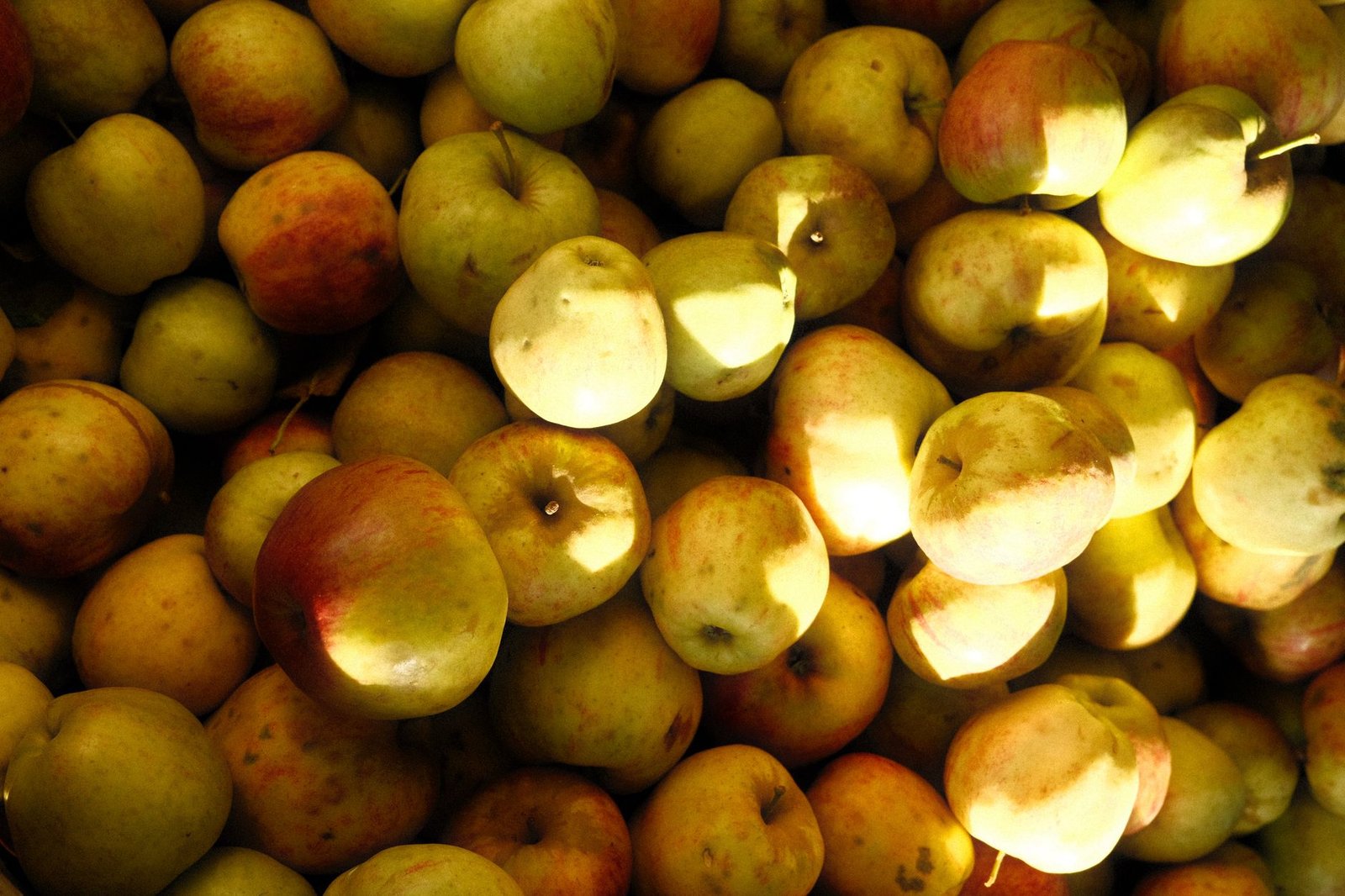
The Golden Apples of the Hesperides occupy a unique place in Greek mythology, standing at the crossroads of Heracles’ labors, divine guardianship, and the western edge of the world. Their shifting origins, elusive location, and symbolic association with immortality and desire have made them a lasting subject of literary and artistic interpretation.
Typhon: Greek Mythology’s Monster of Chaos
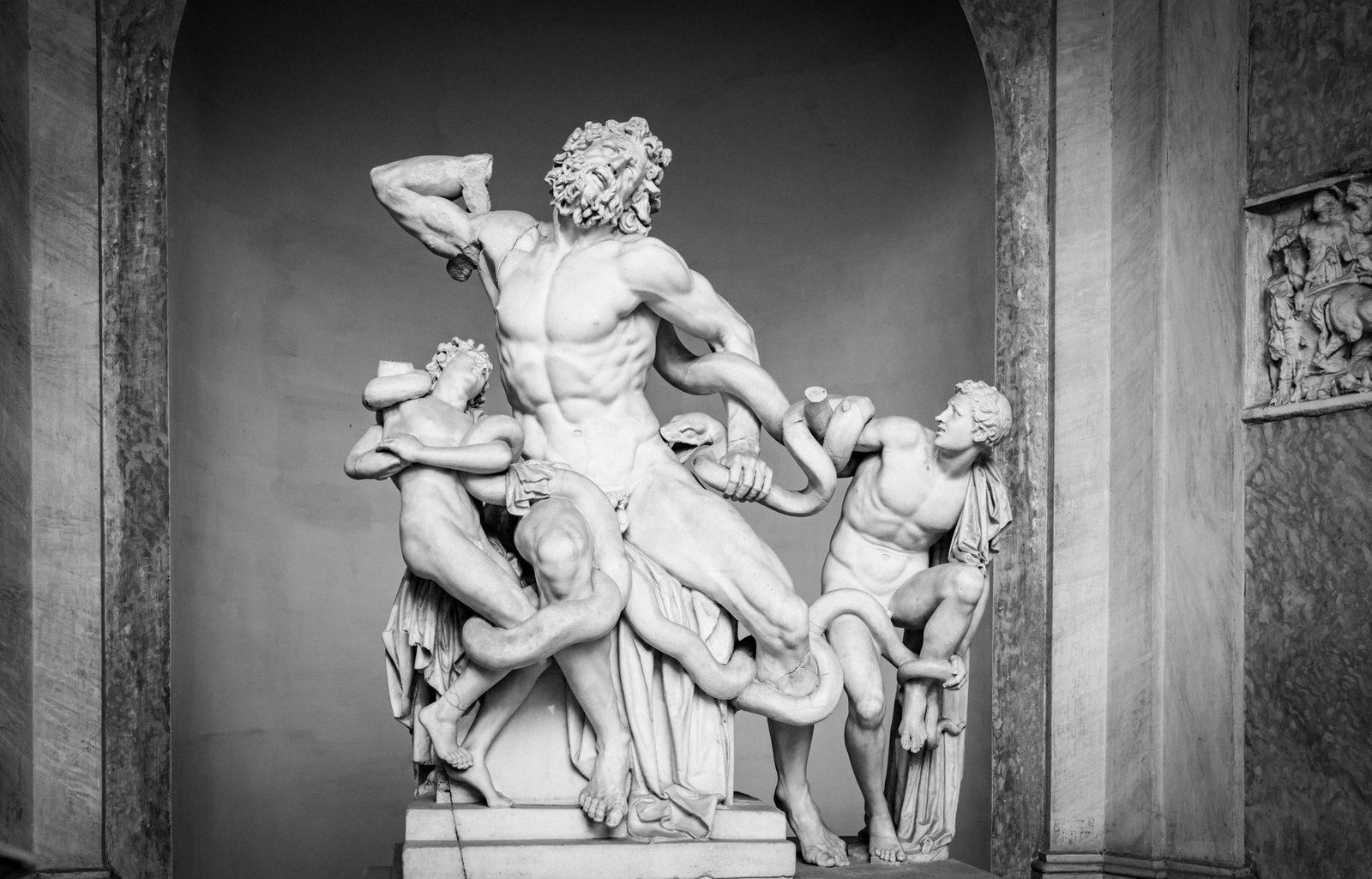
Typhon is a central figure in Greek mythology, remembered as a terrifying embodiment of chaos, fire, and rebellion against divine order. This excerpt traces his uncertain origins, shifting ancient descriptions, and lasting influence on later literature and art, revealing why Typhon remains one of antiquity’s most enduring monsters.
Echidna: Facts, Characteristics, and Habitat Guide
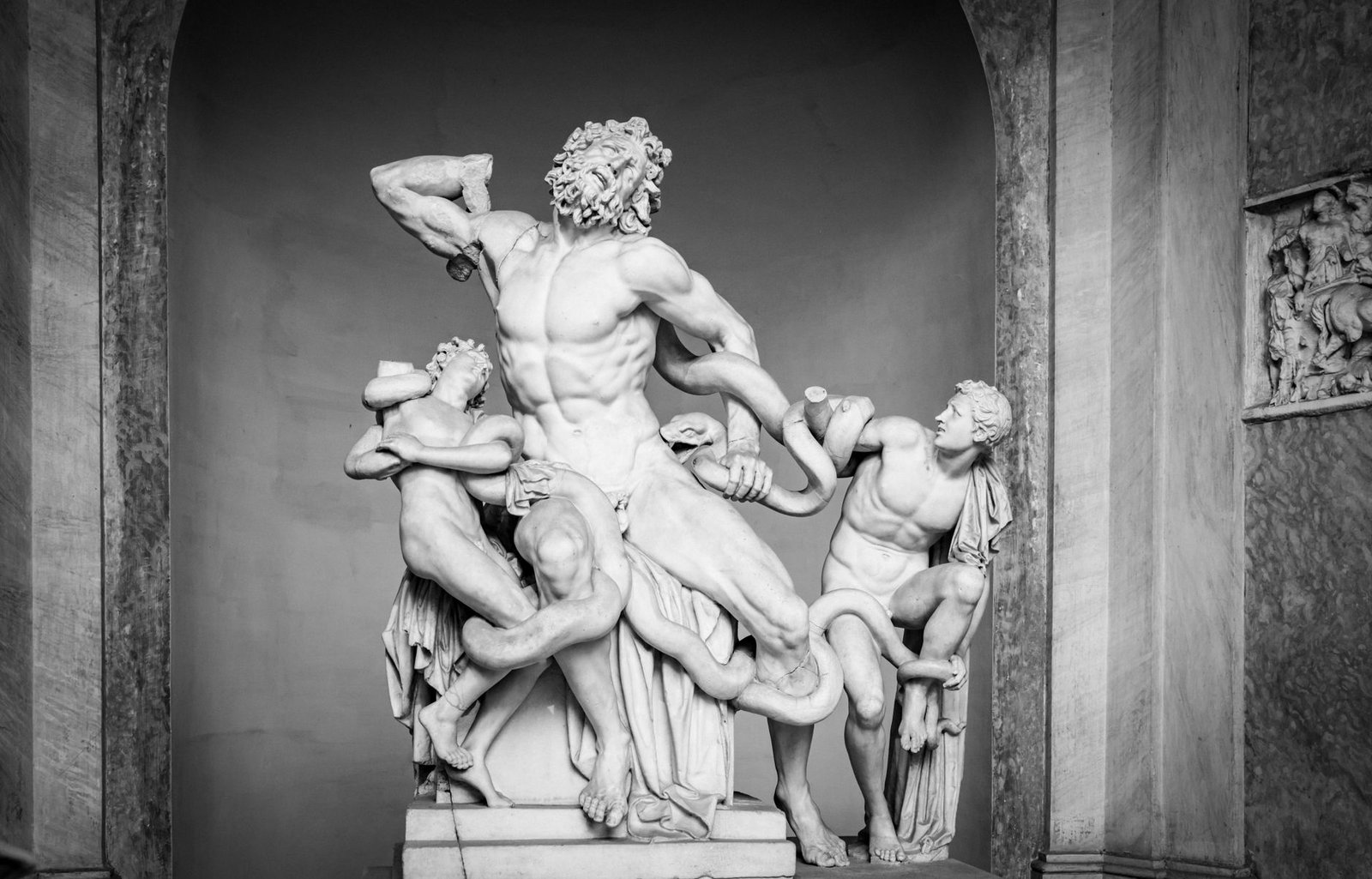
Echidna is a central figure in Greek mythology, a serpentine monster often called the “Mother of Monsters” because so many famous creatures trace their lineage to her. Part woman and part serpent, she embodies the boundary between beauty and terror, and her origins, meanings, and descendants reveal how deeply she shaped the mythic world of ancient Greece.

Lernaean Hydra: Greek Mythology’s Many-Headed Serpent
The Lernaean Hydra is a central figure in Greek mythology, remembered as a many-headed serpent of the marshes of Lerna and a formidable foe of Heracles. Its ability to regenerate heads has made it a lasting symbol of recurring, difficult-to-eradicate problems, while its ancient origins and varied depictions invite closer study.
Chimera: Definition, Mythology, and Symbolism
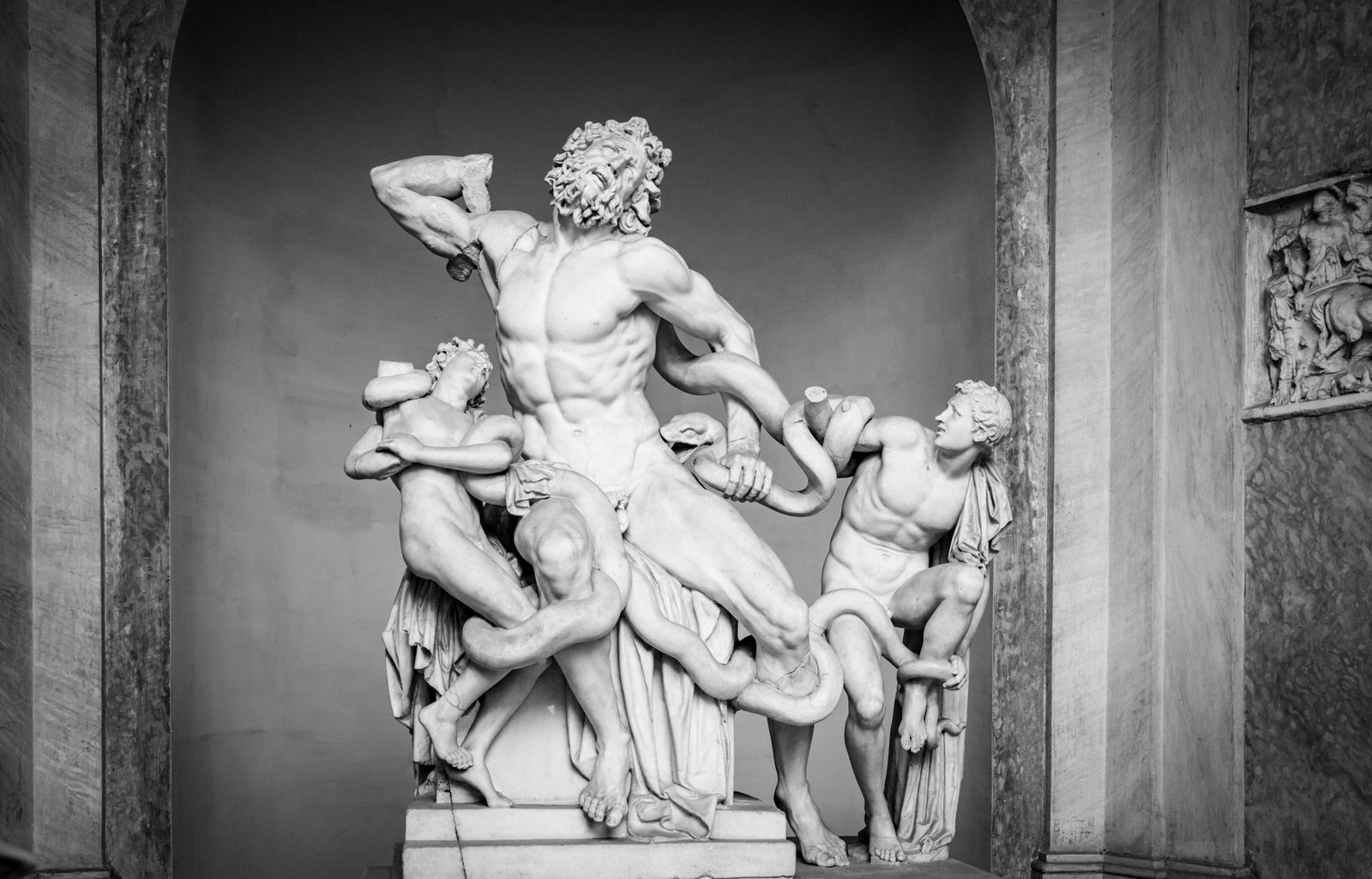
The Chimera is a celebrated figure in Greek mythology, a fire-breathing hybrid usually described as part lion, part goat, and part serpent. Beyond its terrifying appearance, the creature became a lasting symbol of unnatural mixture, shaping words, myths, and even scientific terminology in ways that reveal its enduring cultural reach.
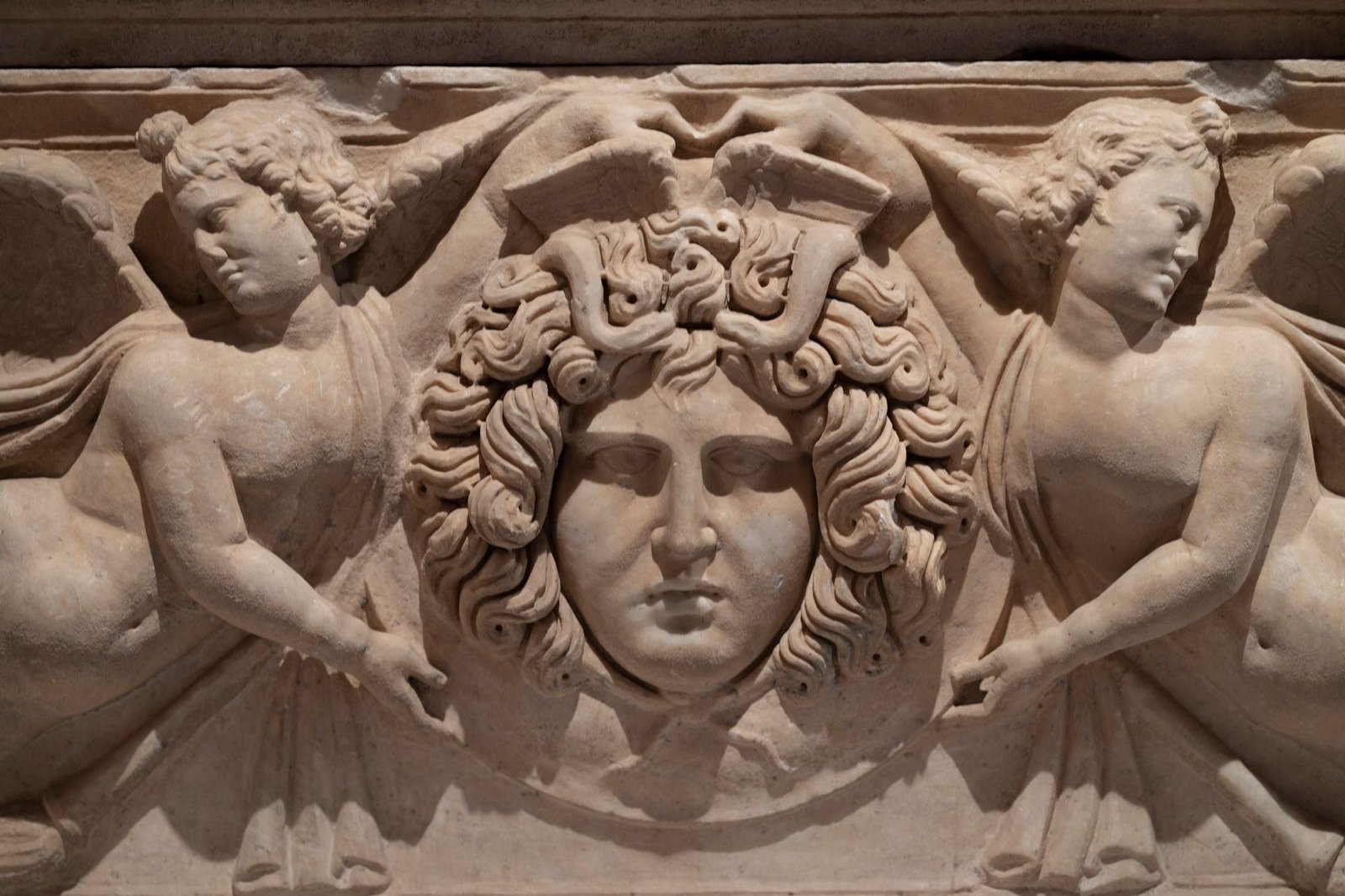
Medusa: Greek Mythology Gorgon and Legend
Medusa is one of the most enduring figures in Greek mythology, a Gorgon whose deadly gaze, complex origins, and shifting meanings have fascinated audiences for centuries. From ancient fears of monstrosity and sacred taboo to modern interpretations of beauty, victimhood, and power, her story reveals far more than a simple monster tale.

Sirens: Mythological Beings and Greek Legend
Sirens are enduring figures in Greek mythology, famed for their mesmerizing song and deadly lure in Homer’s *Odyssey*. This article traces their origins, changing imagery, and symbolic role in art and literature, revealing how sirens came to embody temptation, deception, and the hidden dangers of irresistible beauty.
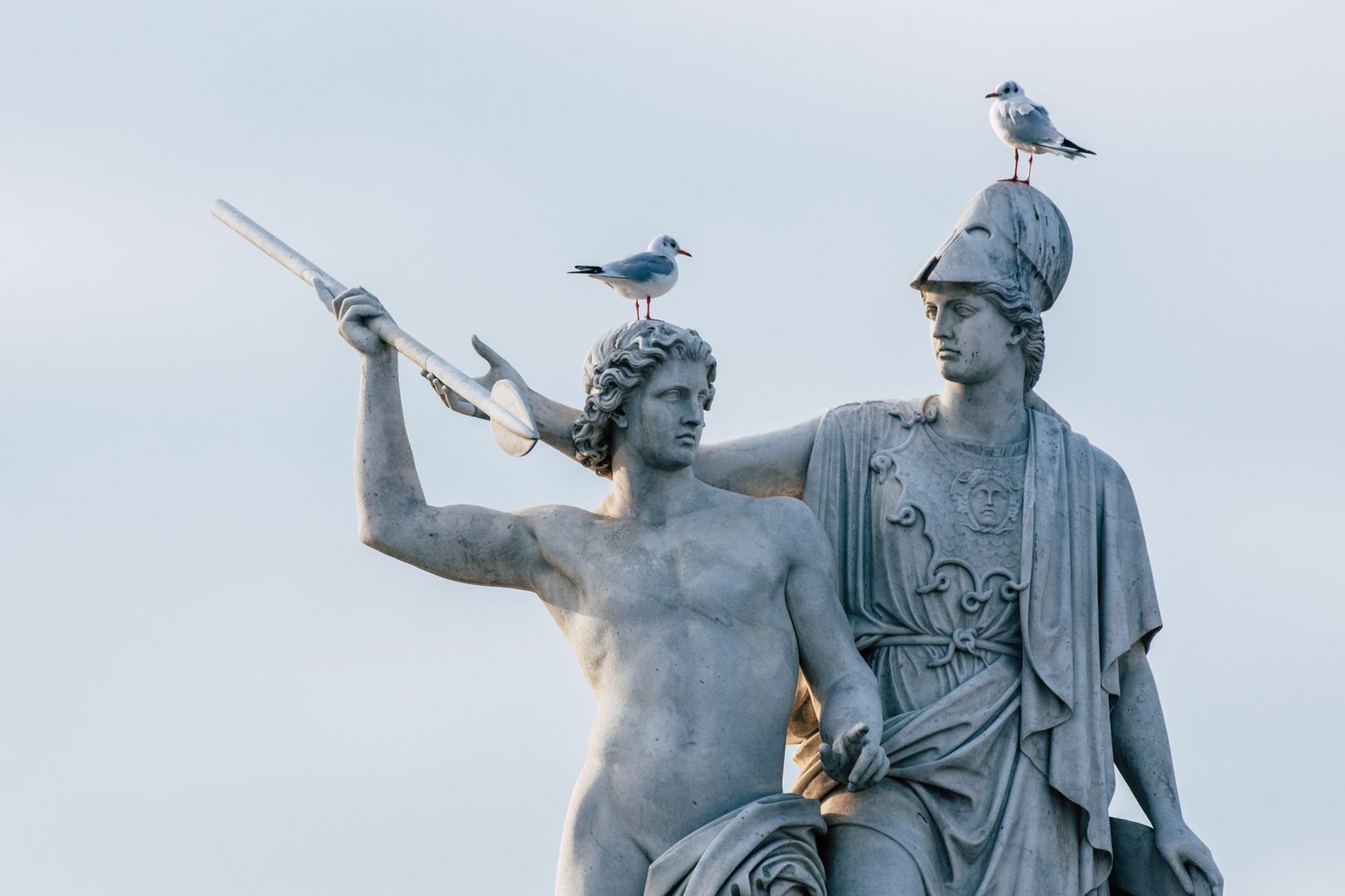
Stymphalian Birds: Greek Mythology and Heroic Legend
The Stymphalian Birds are among the most memorable monsters of Greek mythology, known from Heracles’ Twelve Labours as deadly creatures inhabiting the marshes of Lake Stymphalia in Arcadia. This article explores their name, origins, symbolic meaning, and enduring role as a vivid image of untamed nature awaiting the hero’s intervention.