ancient Greek religion
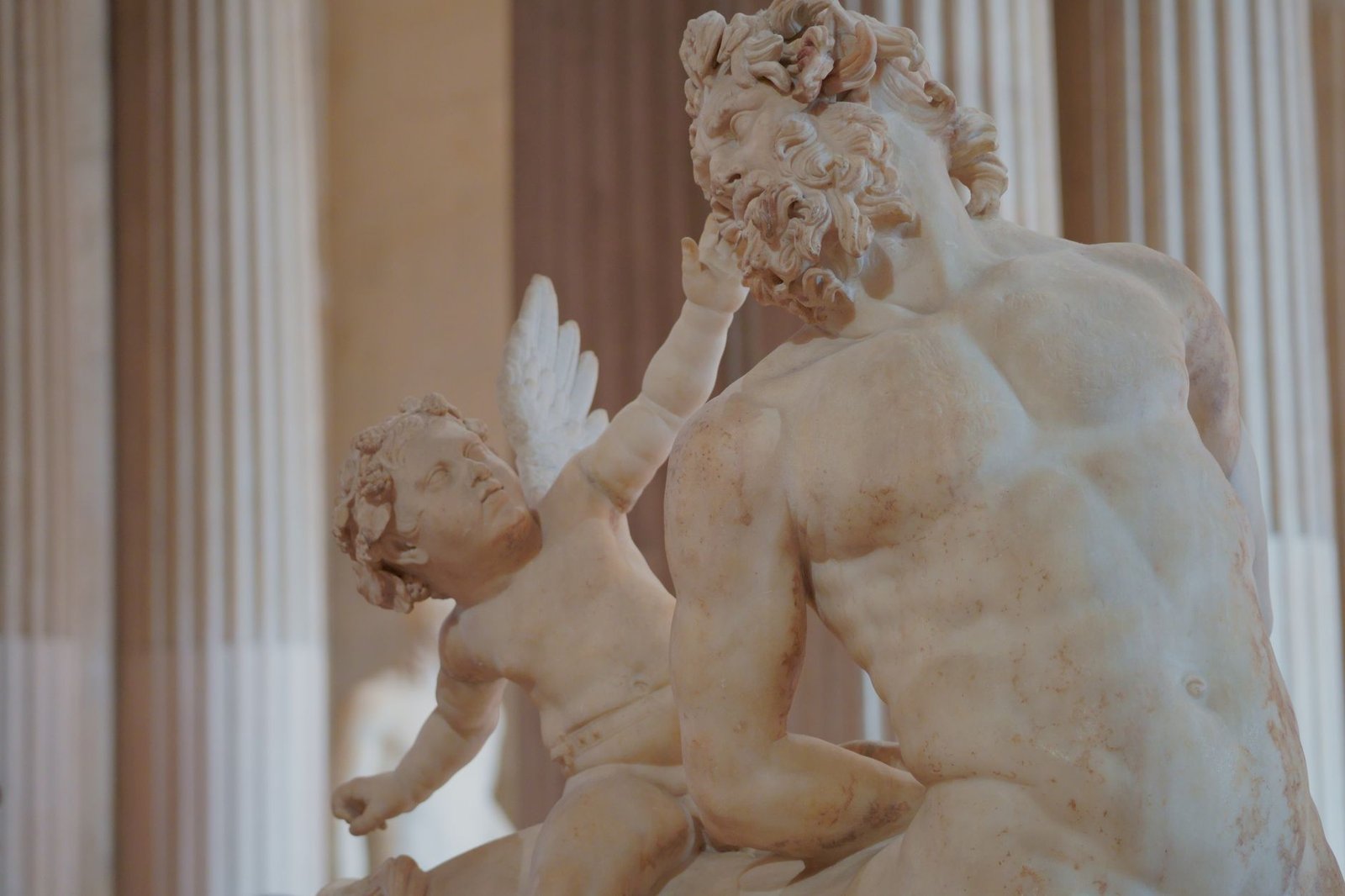
Centaurs: Mythology, Origins, and Cultural Significance
Centaurs are iconic figures in Greek mythology, depicted as beings with a human upper body and a horse’s lower body, and they embody a striking conflict between civilization and instinct. Appearing in epic, art, and later literature, centaurs range from savage mountain-dwellers to wise companions of heroes, making them a revealing lens through which to explore ancient ideas about self-control, nature, and society.
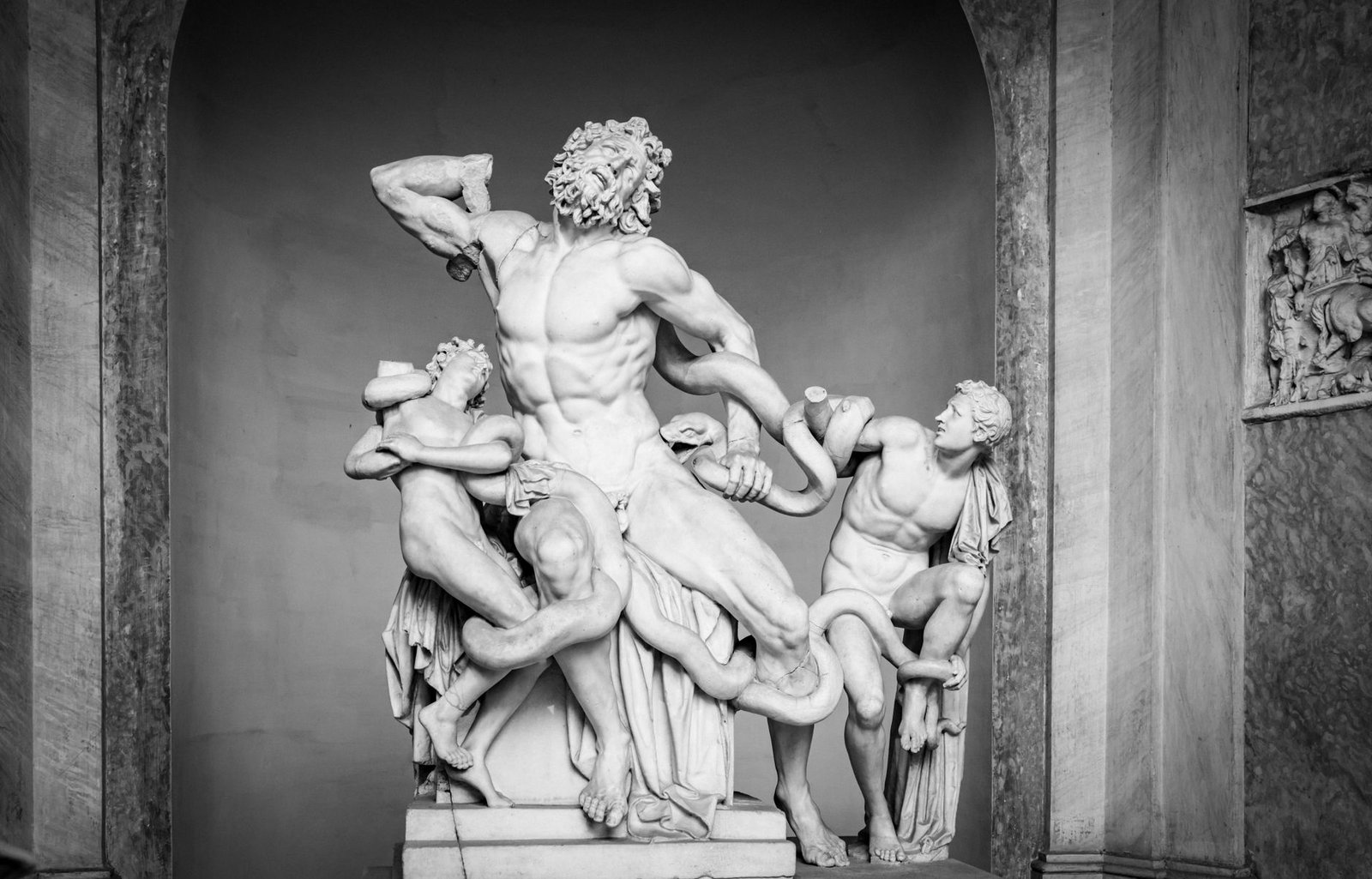
Cyclops: Greek Mythology One-Eyed Giant Explained
Cyclops are among the most striking figures in Greek mythology: one-eyed giants associated with immense strength, divine craftsmanship, and the uneasy boundary between civilization and wilderness. From Homer’s Polyphemus to the older traditions of thunderbolt-forging smiths, the Cyclops reveals how ancient Greeks imagined power, isolation, and the monstrous.
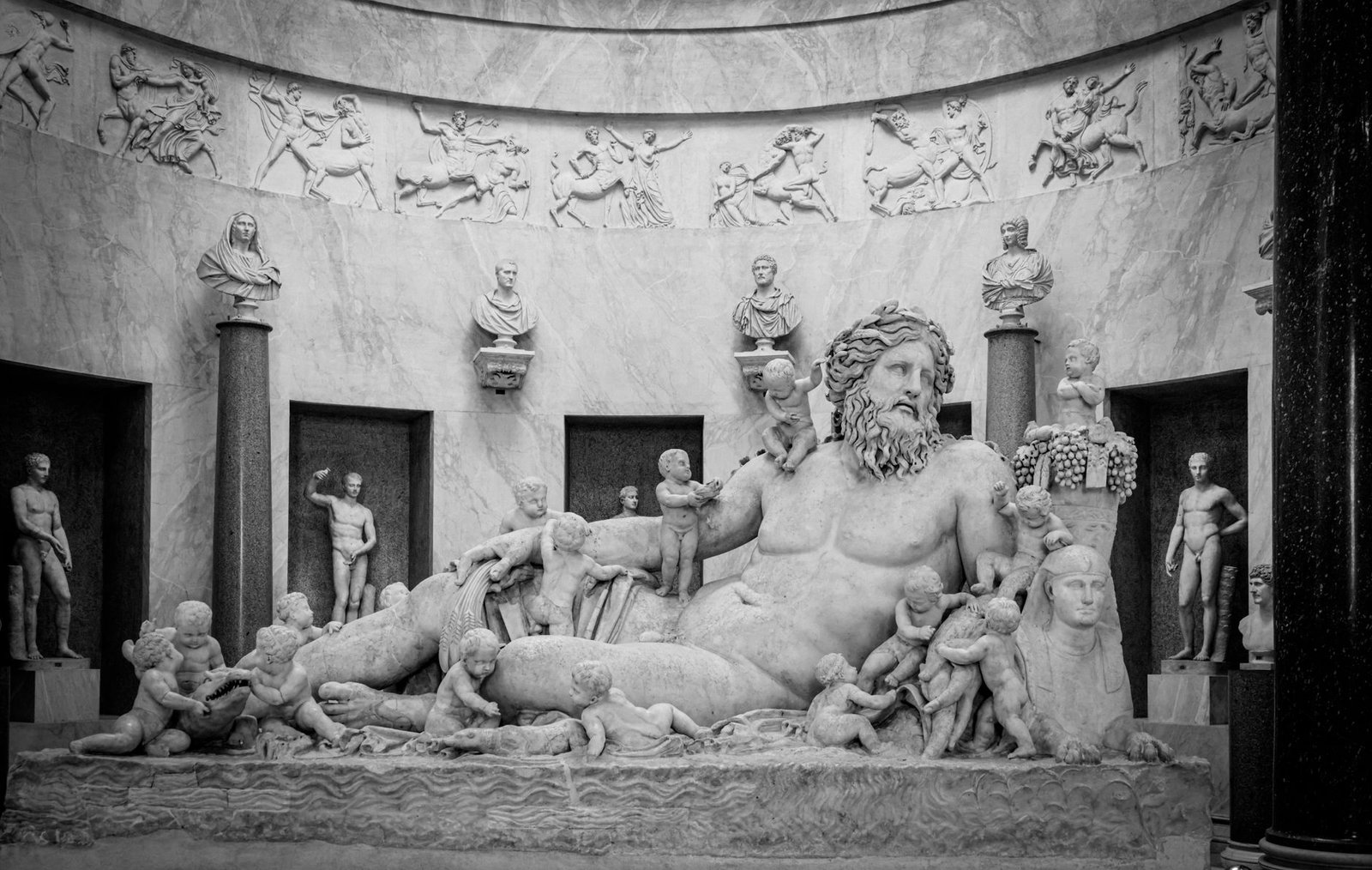
Greek Creation Myth: Origins, Gods, and the Cosmos
The Greek creation myth is the ancient body of stories that explains how the cosmos, gods, and human order emerged from primordial Chaos. Rooted in texts such as Hesiod’s *Theogony*, it reveals a world where creation means the shaping of order from uncertainty—and where later traditions still invite fresh interpretation.

Birth of Aphrodite from the Sea: Greek Mythology Explained
The **birth of Aphrodite from the sea** tells how the goddess of love and beauty emerged from sea foam after a primordial divine conflict, fully formed and radiant near Cyprus or Cythera. Blending myth, symbolism, and ancient religious ideas, the story reveals Aphrodite’s origins, her association with fertility and desire, and the enduring artistic fascination that continues to invite closer study.

Prometheus and the Theft of Fire: Greek Myth Explained
Prometheus and the theft of fire is a foundational Greek myth about a Titan who defied Zeus by giving fire to humanity, symbolizing knowledge, civilization, and the rise of human creativity. This excerpt explores the myth’s origins, its meaning in ancient thought, and the lasting cultural influence of a figure remembered as both benefactor and punished rebel.

The Myth of Pandora: Origins, Story, and Meaning
The myth of Pandora explains how suffering entered human life, yet it also leaves room for hope, making it one of the most enduring stories in Greek mythology. Its shifting ancient versions, from divine punishment to symbols of fertility and curiosity, reveal a figure far more complex than the familiar tale of the opened jar suggests.

Zeus and Ganymede: Greek Mythology Story and Meaning
Zeus and Ganymede is one of Greek mythology’s most enduring stories, centered on the abduction of a beautiful Trojan youth by Zeus, who brings him to Olympus as cupbearer to the gods. Beyond its dramatic narrative, the myth reveals ancient ideas about divine favor, immortality, royal compensation, and the cultural meaning of beauty—details that make its many versions especially intriguing.
Actaeon and Artemis: Greek Myth and Story
Actaeon and Artemis is a classic Greek myth about a hunter who intrudes on the goddess’s private bathing and is transformed into a stag, only to be killed by his own dogs. This brief but enduring story reveals ancient ideas about sacred boundaries, divine retribution, and the peril of seeing what should remain hidden, while inviting comparison with its many literary and artistic retellings.

Midas and the Golden Touch: Myth, Meaning, and Origin
Midas and the golden touch is a classic Greek myth about King Midas of Phrygia, who receives the power to turn everything he touches into gold, only to find that wealth can quickly become a burden. Exploring its ancient sources, symbolic meanings, and lasting influence, the story reveals why this tale still fascinates readers as a meditation on desire, power, and regret.

Arachne and Athena: Greek Mythology Story and Meaning
Arachne and Athena is a foundational Greek myth about a mortal weaver whose unmatched skill and pride provoke a contest with the goddess of wisdom and craft. Retold most famously by Ovid, the story explores artistic excellence, divine authority, and the perilous line between achievement and hubris, inviting deeper reflection on creativity and punishment.