ancient Greek religion

The Danaides’ Punishment in Greek Mythology Explained
The Danaides punishment is a classic Greek myth of eternal penance, in which the fifty daughters of Danaus are condemned in Hades to fill perforated jars with water, a labor doomed to fail. Beyond its striking image of futile effort, the story has shaped interpretations of divine justice, guilt, and the symbolic meaning of endless, meaningless work.

Echo and Narcissus: Greek Myth and Story Summary
Echo and Narcissus is a central episode in Greco-Roman mythology, best known from Ovid’s Metamorphoses, where two separate but intertwined tales explore unreturned desire, identity, and transformation. Echo, cursed to repeat the words of others, and Narcissus, condemned by self-obsession, became enduring symbols that continue to shape literature, art, and psychology.

Hyacinthus and Apollo: Myth, Story, and Meaning
**Hyacinthus and Apollo** is a central Greek myth of divine love, tragic accident, and transformation, in which Apollo’s beloved Spartan youth dies and is commemorated through the hyacinth flower. Examining its origins, symbolic meanings, and later adaptations reveals how ancient poets turned mourning and beauty into an enduring etiological tale.

Judgment of Paris: Greek Myth and Art History
The Judgment of Paris is a pivotal Greek myth in which Paris of Troy must choose the fairest goddess—Hera, Athena, or Aphrodite—after Eris’s golden apple sparks divine rivalry. His choice of Aphrodite, won by the promise of Helen, sets in motion the events that lead to the Trojan War and a lasting symbol of consequences shaped by desire and vanity.
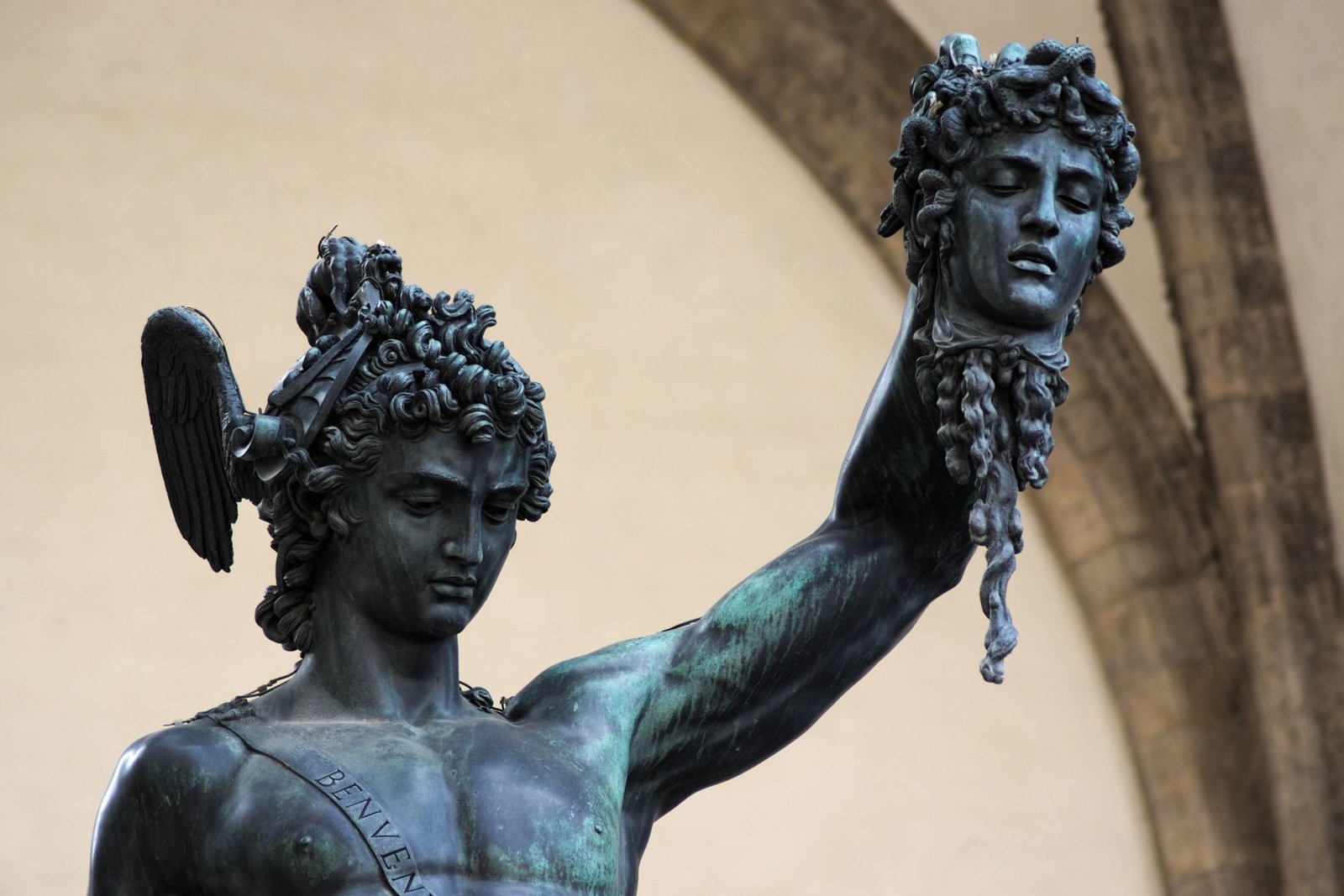
Perseus and Medusa: Greek Mythology Story and Meaning
Perseus and Medusa is a foundational Greek myth in which a divinely aided hero undertakes the perilous task of beheading the mortal Gorgon, Medusa, whose gaze turns living beings to stone. Across ancient and later retellings, the story explores heroism, danger, and the triumph of intelligence over force, inviting readers to trace its deeper meanings and enduring cultural influence.

Bellerophon and the Chimera: Greek Mythology Story
Bellerophon and the Chimera is a classic Greek myth of heroic triumph and tragic ambition, telling how a mortal hero, aided by the gods, confronted a fire-breathing hybrid that terrorized Lycia. Beyond its dramatic battle, the story reveals Greek ideas about piety, kingship, and the limits of human power, inviting closer attention to the hero’s rise and downfall.

Atalanta’s Race: Greek Mythology and the Golden Apples
Atalantas race is a celebrated episode in Greek mythology, in which the swift heroine challenges her suitors to defeat her in a footrace or face death. Blending athletic contest, marriage, and divine intervention, the story reveals why Atalanta became a lasting symbol of independence, speed, and the unpredictable force of fate.
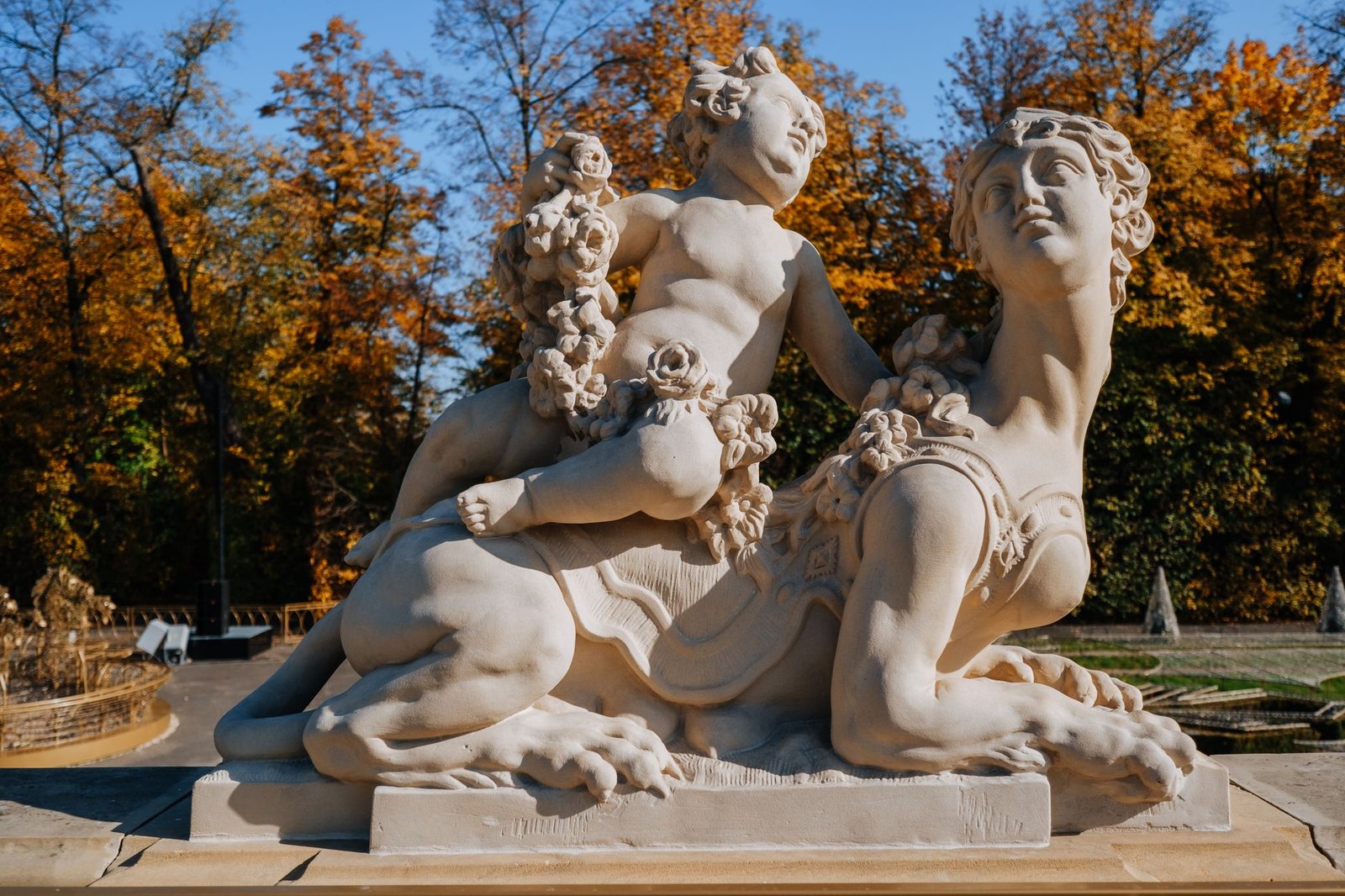
Oedipus and the Sphinx: Greek Myth and Story
Oedipus and the Sphinx is a defining episode in Greek mythology, uniting the Theban riddle, royal succession, and the tragic irony that follows Oedipus’s triumph. This article traces the myth’s literary sources, the symbolism of the Sphinx, and the larger themes of fate, identity, and human knowledge that made the story enduring.

Antigone and the Burial of Polynices: Greek Tragedy
Antigone and the burial of Polynices recount a decisive clash between family loyalty, divine obligation, and the authority of the state in the Theban cycle of Greek myth. Best known from Sophocles’ *Antigone*, the episode invites readers to consider why her defiance mattered, how Polynices became a symbol of contested honor, and why the story still resonates.

Odysseus and the Sirens: Meaning and Myth Explained
Odysseus and the Sirens is a classic episode from Homer’s *Odyssey* in which the hero confronts a song said to promise wisdom while concealing death. Its enduring significance lies in the tension between curiosity and survival, the discipline that saves Odysseus, and the wider cultural legacy that made the Sirens a lasting symbol of temptation.