Arachne and Athena
Introduction
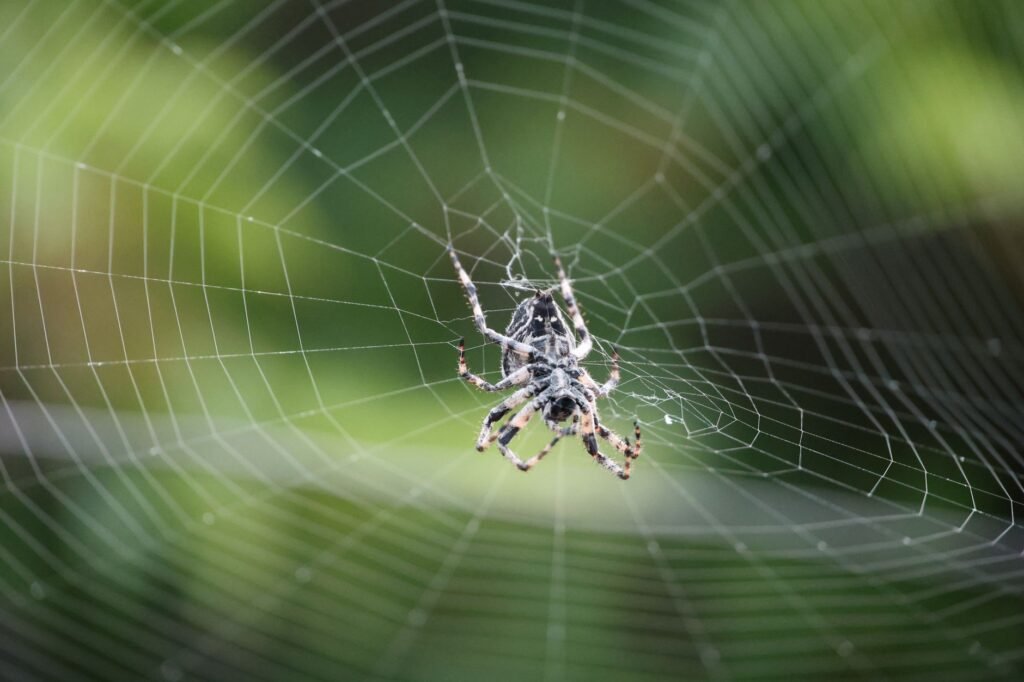
The story of Arachne and Athena is one of the best-known myths of Greek antiquity. It tells of a mortal woman, Arachne, whose extraordinary weaving skill brought her into conflict with Athena, the goddess of wisdom, craft, and strategic intelligence. At its core, the myth is about artistic excellence, pride, divine authority, and the dangerous boundary between human achievement and challenge to the gods.
The tale has endured because it is more than a simple moral lesson. It raises enduring questions about talent, competition, punishment, and the relationship between creators and patrons of the arts. In classical literature and later European culture, Arachne became a symbol of artistic ambition, while Athena represented both divine craftsmanship and the severe limits placed on mortal self-confidence.
Origin and Meaning
The name Arachne comes from the Ancient Greek word aráchnē (ἀράχνη), meaning “spider.” In later usage, the word also gave rise to terms in many modern languages, including “arachnid,” the biological class that includes spiders, scorpions, and related creatures.
The name Athena likely predates classical Greek and has an uncertain etymology. She was one of the major Olympian deities and was especially associated with intelligence, handicrafts, warfare, and civic order.
The myth of Arachne appears in several ancient sources, but its most famous surviving literary version is in Ovid’s Metamorphoses, written in the Roman period. Earlier Greek traditions also knew of weaving contests and of Athena’s expertise in crafts, though details vary. The story likely developed from broader mythic themes surrounding skill, hubris, and transformation.
Historical Context
In ancient Greece, weaving was not merely a domestic task. It was a highly valued and technically demanding craft, closely associated with female labor, household order, and social status. Elite women were expected to oversee textile production, and textiles themselves were important economic and cultural goods.
Athena occupied a special place in this world. She was the divine protector of crafts, including spinning and weaving, and was credited with teaching useful arts to humankind. At the same time, she represented discipline, moderation, and civilized order. A mortal who claimed superiority over Athena therefore challenged not only a goddess but the hierarchy that sustained Greek religious and social life.
The myth also reflects ancient attitudes toward hubris, a Greek concept often translated as arrogance or insolent overconfidence. In myth and literature, hubris frequently leads to catastrophe when mortals overstep their proper place.
The story was especially important in Roman literature because Ovid used it as part of a larger exploration of transformation. His version emphasizes both artistic rivalry and the theme of metamorphosis, turning Arachne into a spider after the confrontation.
Main Characteristics
Arachne and Athena are linked by contrast as much as by similarity.
Arachne
Arachne is depicted as:
- a mortal woman of exceptional weaving talent
- proud, independent, and unwilling to concede inferiority
- possibly of humble origin, though ancient sources differ
- the embodiment of human skill at its highest level
Her great talent is central to the myth. She is not punished for incompetence, but for claiming that her work surpasses that of a goddess.
Athena
Athena is portrayed as:
- goddess of wisdom, strategy, and crafts
- protector of cities, order, and skilled labor
- a divine patron of weaving and textile arts
- stern, authoritative, and sensitive to insult
Athena’s role in the story is complex. She is not merely jealous; she also acts as guardian of cosmic and social order. In many versions, she first appears in disguise to test Arachne before revealing herself.
The contest
The weaving contest itself is the heart of the myth. Both figures create tapestries of extraordinary beauty and technical precision. Their works are not only decorative but also symbolic, each expressing a worldview. Athena’s weaving often represents divine authority and order. Arachne’s work, in Ovid, depicts the misconduct of the gods and exposes their flaws.
Family and Genealogy
The myth of Arachne is unusual because it does not focus on genealogy in the same way as many Greek legends.
Arachne
Ancient sources disagree about Arachne’s family background:
- In some accounts, she is the daughter of a dyer or cloth worker.
- In others, she is presented as a simple mortal from Colophon in Lydia.
- Her family details are not central to the myth and vary by source.
What matters is her identity as a mortal artisan, not a heroic lineage.
Athena
Athena has a more defined divine genealogy:
- She is usually described as the daughter of Zeus.
- Her mother is often named as Metis, though Athena’s birth is extraordinary in myth.
- She has no husband or children in the usual mythological tradition.
Athena’s lack of family in the conventional sense reinforces her role as a virgin goddess and independent force.
Symbols
The symbols associated with Arachne and Athena are closely tied to weaving and intelligence.
| Figure | Symbol | Meaning |
|---|---|---|
| Arachne | Spider, loom, web | Artistic skill, transformation, human creativity |
| Athena | Owl, olive tree, spear, helmet, loom | Wisdom, peace, craft, war, civic order |
Arachne’s symbols
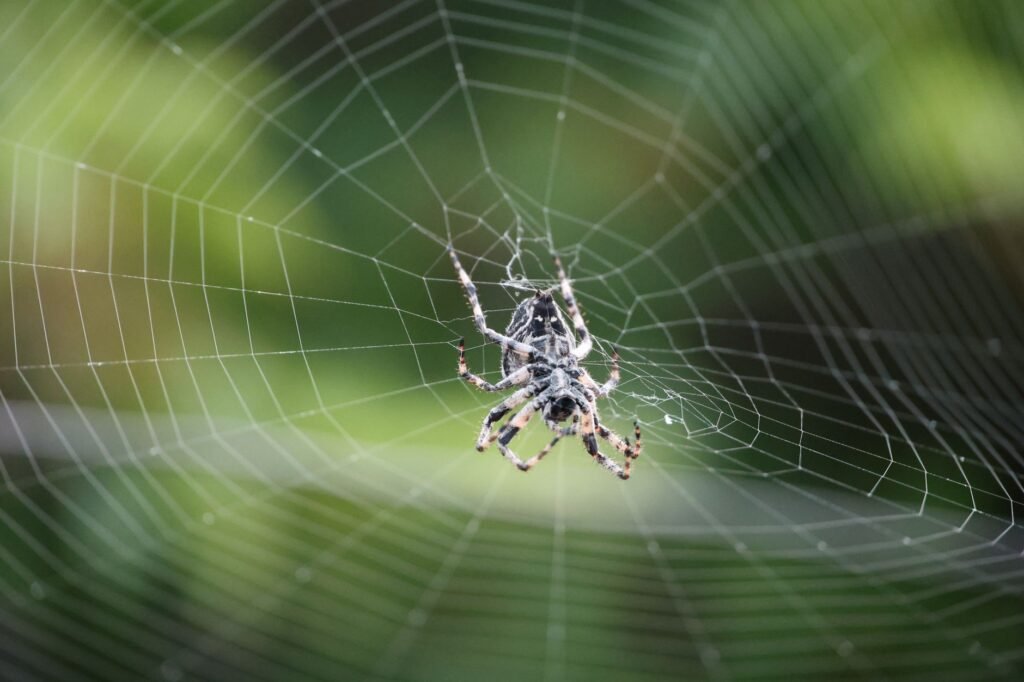
The spider is the most enduring symbol of Arachne. After her transformation, the spider’s web becomes a natural emblem of:
- precision
- labor
- intricate design
- the consequences of pride
The loom and shuttle also belong to her symbolic world, representing textile artistry and technical mastery.
Athena’s symbols
Athena’s most famous symbols include:
- the owl, sign of wisdom and watchfulness
- the olive tree, symbol of peace and prosperity
- the helmet and spear, representing military strategy
- the aegis, a protective and fearsome divine emblem
- the loom, associated with skilled craftsmanship
In the Arachne myth, the loom is especially important because it is a shared instrument of creation and competition.
Sacred Animals
Arachne and Athena are not linked equally to sacred animals, but Athena’s associations are clear.
Athena’s animals
The most important sacred animal of Athena is the owl, especially the little owl, which became a symbol of wisdom in classical culture. Other animals associated with Athena include:
- the snake, linked to protection and ancient earth powers
- the horse in some local traditions
- the rooster in later artistic and symbolic traditions
These animals reflect her role as a goddess of alertness, knowledge, and defense.
Arachne’s animal
Arachne’s sacred animal is the spider, though this is a symbol created by her metamorphosis rather than a traditional cult animal in the same way Athena’s owl is. The spider symbolizes:
- patience
- delicacy
- creative construction
- entrapment and vulnerability
Sacred Plants
The plant most strongly associated with Athena is the olive tree.
Olive tree
Athena’s gift of the olive tree to Athens was one of her defining myths. The plant symbolizes:
- peace
- nourishment
- prosperity
- civilization
- practical benefit
Although not directly part of the Arachne story, the olive tree belongs to Athena’s broader identity and helps explain her connection to useful arts and civic life.
Arachne and plants
No specific sacred plant is strongly associated with Arachne in the ancient tradition. Later artistic interpretations may place her in natural or domestic settings, but the myth itself focuses on textile imagery rather than botany.
Sacred Places
The Arachne and Athena myth is not tied to one single sanctuary, but several places are important in the broader tradition.
Athens
Athena was most famously honored in Athens, the city named after her. The Parthenon and the Acropolis were central to her cult. Although the Arachne myth is not set in Athens in all sources, the city is essential to understanding Athena’s religious prominence.
Lydia and Colophon
Some ancient traditions connect Arachne to Colophon in Lydia. This is significant because Lydia was known in antiquity for wealth, luxury, and textile production. Such associations make Arachne’s weaving expertise culturally plausible.
The weaving chamber
The contest often takes place in a domestic or semi-divine weaving space rather than a temple. This setting is meaningful because it transforms an everyday craft into a mythic confrontation.
Powers and Attributes
The myth does not present Arachne as a goddess with supernatural powers, but as a mortal whose ability rivals the divine in a limited domain.
Arachne’s attributes
Arachne’s defining attributes are:
- unmatched weaving skill
- precision and beauty of design
- confidence bordering on arrogance
- mortal vulnerability
- later metamorphosis into a spider
Her “power” is artistic mastery. In mythic terms, this is enough to provoke divine attention.
Athena’s attributes
Athena’s powers and domains include:
- wisdom and practical intelligence
- strategy in war
- protection of cities
- crafts and skilled labor
- guidance in lawful and ordered conduct
In the Arachne story, Athena’s authority extends over weaving, which makes the competition especially significant.
Main Myths
The best-known myth involving Arachne and Athena is their weaving contest.
The contest
According to the most famous version, Arachne is a mortal weaver of exceptional talent. Her skill becomes so celebrated that she claims superiority over Athena. The goddess, sometimes disguised as an old woman, warns her to show humility. Arachne refuses to retract her boast and challenges Athena directly.
Athena then reveals herself and accepts the contest. Both produce magnificent tapestries.
Athena’s tapestry
Athena’s weaving often portrays:
- the gods in majesty
- scenes affirming divine order
- the punishment of mortals who defy the gods
- examples reinforcing obedience and reverence
Her tapestry expresses authority, structure, and the legitimacy of the Olympian order.
Arachne’s tapestry
In Ovid’s version, Arachne’s work depicts:
- episodes of divine deception
- the gods’ transformations and disguises
- abuses of power, especially sexual deception
- a critique of divine misconduct
Her tapestry is technically flawless and thematically daring. In literary terms, it is striking because it exposes the moral ambiguity of the gods.
The outcome
The contest is not decided by technical skill alone. Athena admits that Arachne’s work is excellent, but is enraged by its subject matter and by the mortal’s refusal to show humility. In Ovid’s telling, Athena tears the tapestry apart and strikes Arachne. Overwhelmed by shame and grief, Arachne hangs herself. Athena then transforms her into a spider, condemning her descendants to weave forever.
Different ancient traditions are not equally detailed, and the precise sequence of events may vary. However, the core pattern remains the same: a mortal challenges divine authority, excels at the craft, and is transformed into a new form.
Relationship with Other Mythological Figures
Athena and Zeus
Athena is closely tied to Zeus, her father and the highest Olympian god. Her authority in the myth depends partly on her status as a major deity and defender of divine order.
Arachne and mortals
Arachne is often presented as a representative of human artistic achievement. She stands for the talented mortal who exceeds social expectation but fails to maintain reverence toward the gods.
Athena and other craftsmen
Athena had broader associations with artisans, craftsmen, and skilled laborers. Her relationship with Arachne is therefore not simply antagonistic. The myth can be read as an extreme version of a more general patronage relationship between goddess and craftsperson.
The gods in Arachne’s tapestry
In Ovid’s account, Arachne’s work implicates several gods and goddesses in acts of deception. This creates an indirect relationship between Arachne and the wider Olympian pantheon, since her weaving publicly reveals divine behavior.
Worship and Cult
There is no evidence of a cult of Arachne in the same sense as a goddess’s formal worship. She is a mythic figure, not a widely attested deity.
Athena’s cult
Athena, by contrast, was one of the most important deities in Greek religion. Her worship included:
- sacrifices
- festivals such as the Panathenaia in Athens
- offerings of woven garments, especially the peplos
- dedications by craftsmen, citizens, and city-states
Her cult reinforced the values shown in the myth: intelligence, skill, civic identity, and reverence for divine authority.
Craft and religion
Weaving had religious significance in Greece, particularly in relation to goddesses and temple ritual. Textile offerings to deities were common, and the making of sacred cloth could be a major civic and religious event. The Arachne myth therefore taps into real cultural practices surrounding textiles and devotion.
Ancient Sources
Several ancient authors mention or adapt the story, though Ovid provides the fullest surviving version.
Major sources
- Ovid, Metamorphoses: the most detailed and influential account of the weaving contest and Arachne’s transformation
- Apollodorus: preserves mythographic traditions relevant to Athena and divine genealogy, though not always the full Arachne narrative
- Pausanias: valuable for Greek religious and cultural context, especially regarding Athena’s worship and local traditions
- Hyginus: offers mythological summaries and variant traditions
- Virgil and later Roman authors: indirectly reflect the cultural prestige of weaving, art, and divine patronage
Source variation
Ancient accounts differ in:
- Arachne’s homeland
- whether Athena appears disguised first
- the exact content of each tapestry
- the details of Arachne’s punishment
Because of these differences, modern retellings often merge several traditions into one coherent narrative.
Roman Equivalent
Athena’s Roman equivalent is Minerva. Minerva inherited many of Athena’s core functions:
- wisdom
- handicrafts
- strategic warfare
- protection of cities and artisans
The Arachne myth is especially prominent in Roman literature because Ovid reworked it in Latin, emphasizing the dramatic transformation and moral tension. In Roman culture, Minerva held an honored place among the Capitoline deities and was linked to education and craftsmanship.
Arachne herself has no direct Roman counterpart, though she became a lasting literary emblem of the gifted but punished artist.
Influence on Modern Culture
The myth of Arachne and Athena has had a broad cultural afterlife.
Literature
Writers have used Arachne as a symbol of:
- artistic pride
- female creativity
- resistance to authority
- the danger of challenging divine or political power
The myth appears in poetry, fiction, essays, and retellings of classical myth for modern readers.
Visual art
Artists have frequently depicted:
- the weaving contest
- Athena revealing herself
- Arachne’s transformation into a spider
- woven tapestries showing mythological scenes
The story has been attractive to painters because it combines drama, costume, craft, and metamorphosis.
Theater and opera
Dramatic adaptations often emphasize the emotional conflict between mortal genius and divine power. The myth’s structure lends itself to stage interpretation because the contest is intimate, symbolic, and visually rich.
Modern symbolism
Arachne is often invoked as a figure of:
- female artistry
- the risks of ambition
- creative defiance
- the hidden labor behind art
Athena, meanwhile, remains a symbol of intelligence, discipline, and strategic thought.
Popular culture
The myth appears in:
- fantasy literature
- video games
- comic books
- educational media
- web-based adaptations of Greek myths
The spider imagery of Arachne also connects her to broader modern narratives about transformation and entanglement.
Curiosities
- The word arachnid derives from Arachne’s name.
- Ovid’s version is the most famous, but not necessarily the earliest Greek version.
- Arachne’s tapestry is unusual because it portrays the gods critically rather than reverently.
- The story is one of the clearest myths linking artistic talent with metamorphosis.
- Athena is one of the few major goddesses strongly associated with both warfare and weaving.
- In modern interpretations, Arachne is sometimes viewed as a symbol of artistic freedom rather than mere insolence.
- The spider’s web has made Arachne a lasting emblem of intricate design in literature and art.
Frequently Asked Questions
Who were Arachne and Athena?
Arachne was a mortal weaver in Greek myth, and Athena was the goddess of wisdom, strategy, and crafts. Their story centers on a weaving contest that ended in Arachne’s transformation into a spider.
Why did Athena punish Arachne?
In the most famous account, Arachne not only claimed to be better than Athena but also depicted the gods’ misdeeds in her tapestry. Athena punished her for both arrogance and disrespect toward divine authority.
What does Arachne symbolize?
Arachne symbolizes extraordinary artistic skill, creative independence, and the consequences of hubris. She is also the mythic origin of spiders in some traditions.
What does Athena symbolize in this myth?
Athena symbolizes wisdom, craftsmanship, discipline, and the authority of the gods. In the story, she represents the proper order that Arachne challenges.
Is Arachne a goddess?
No. Arachne is a mortal woman in the myth, although her skill is so great that she rivals a goddess in weaving.
What is the main lesson of the myth?
The myth is often read as a warning against arrogance and disrespect toward the gods. However, it can also be interpreted as a reflection on artistic excellence and the tension between human creativity and power.
Which ancient author tells the story best?
Ovid gives the fullest and most influential version in the Metamorphoses. Other sources preserve related traditions, but his account is the one most widely known today.
Conclusion
The myth of Arachne and Athena remains significant because it combines craftsmanship, divine authority, and the dangers of pride in a single, memorable narrative. Arachne embodies the brilliance and vulnerability of human creativity, while Athena represents wisdom, order, and the limits of mortal ambition. Their contest has endured for centuries because it speaks to universal themes: excellence, competition, punishment, and the price of challenging power.
As a result, Arachne and Athena continue to occupy an important place in the study of Greek and Roman mythology, classical literature, and the history of artistic symbolism.

Orin Vale has spent the better part of two decades tracing the threads that connect the world’s oldest stories — from the halls of Asgard to the banks of the Nile, from Olympus to the jungles of the Maya. What began as a childhood fascination with flood myths and trickster gods grew into years of independent study across comparative mythology and ancient religion, always chasing the same question: what did these stories mean to the people who first told them? Orin writes for readers who want more than trivia — the ones looking for the beliefs, fears, and truths that myths were built to carry.