Athena

Aegis: Meaning, History, and Symbolism
The aegis is a defining symbol of Greek mythology, most closely linked to Zeus and Athena as a divine shield, cloak, or breastplate that inspires awe, fear, and protection. Its shifting descriptions in ancient sources reveal a complex history, while its later use in English continues to evoke authority, guardianship, and power.

Athena’s Owl: Symbolism, Mythology, and Meaning
Athenas Owl is one of the most recognizable animal symbols in ancient Greek culture, closely linked with Athena, goddess of wisdom, strategy, and civic order. Appearing in art, coinage, and civic imagery, the little owl embodied watchfulness and judgment, while also revealing how Greeks blended myth, religion, and public identity.

Golden Apple of Discord: Meaning, Myth, and Origins
The Golden Apple of Discord is a pivotal symbol in Greek mythology, introduced when Eris cast it among the gods at the wedding of Peleus and Thetis, igniting the Judgment of Paris. Its story links divine rivalry, contested beauty, and the chain of events that culminated in the Trojan War, while also giving language a lasting metaphor for any source of bitter dispute.
Palladium: Properties, Uses, and Chemical Characteristics
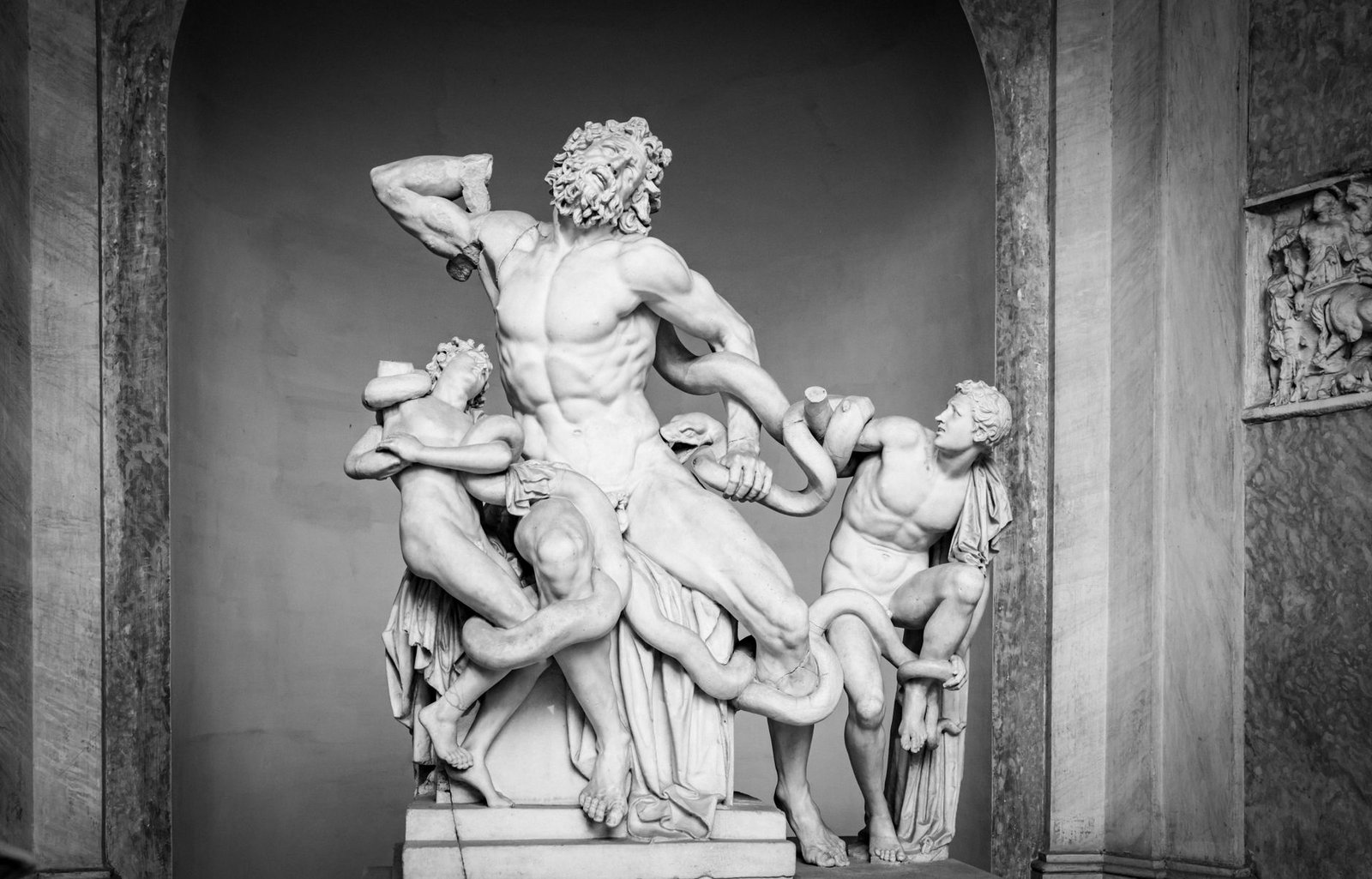
Palladium is the legendary sacred image of Athena, famed in Greek myth as the guardian of cities and a token of divine protection. From Troy to Rome, its story reveals how religion, kingship, and civic identity could merge into a symbol of legitimacy whose meaning still invites closer study.

Nectar and Ambrosia: Meaning, Origins, and Mythology
Nectar and ambrosia are among the most enduring symbols of Greek mythology, representing the food and drink reserved for the gods and the sharp divide between mortal and divine life. Their shifting meanings in ancient sources, along with their rich literary associations with immortality, luxury, and sacred privilege, reveal why these terms continue to fascinate readers.

Arachne and Athena: Greek Mythology Story and Meaning
Arachne and Athena is a foundational Greek myth about a mortal weaver whose unmatched skill and pride provoke a contest with the goddess of wisdom and craft. Retold most famously by Ovid, the story explores artistic excellence, divine authority, and the perilous line between achievement and hubris, inviting deeper reflection on creativity and punishment.

Judgment of Paris: Greek Myth and Art History
The Judgment of Paris is a pivotal Greek myth in which Paris of Troy must choose the fairest goddess—Hera, Athena, or Aphrodite—after Eris’s golden apple sparks divine rivalry. His choice of Aphrodite, won by the promise of Helen, sets in motion the events that lead to the Trojan War and a lasting symbol of consequences shaped by desire and vanity.
Perseus and Medusa: Greek Mythology Story and Meaning
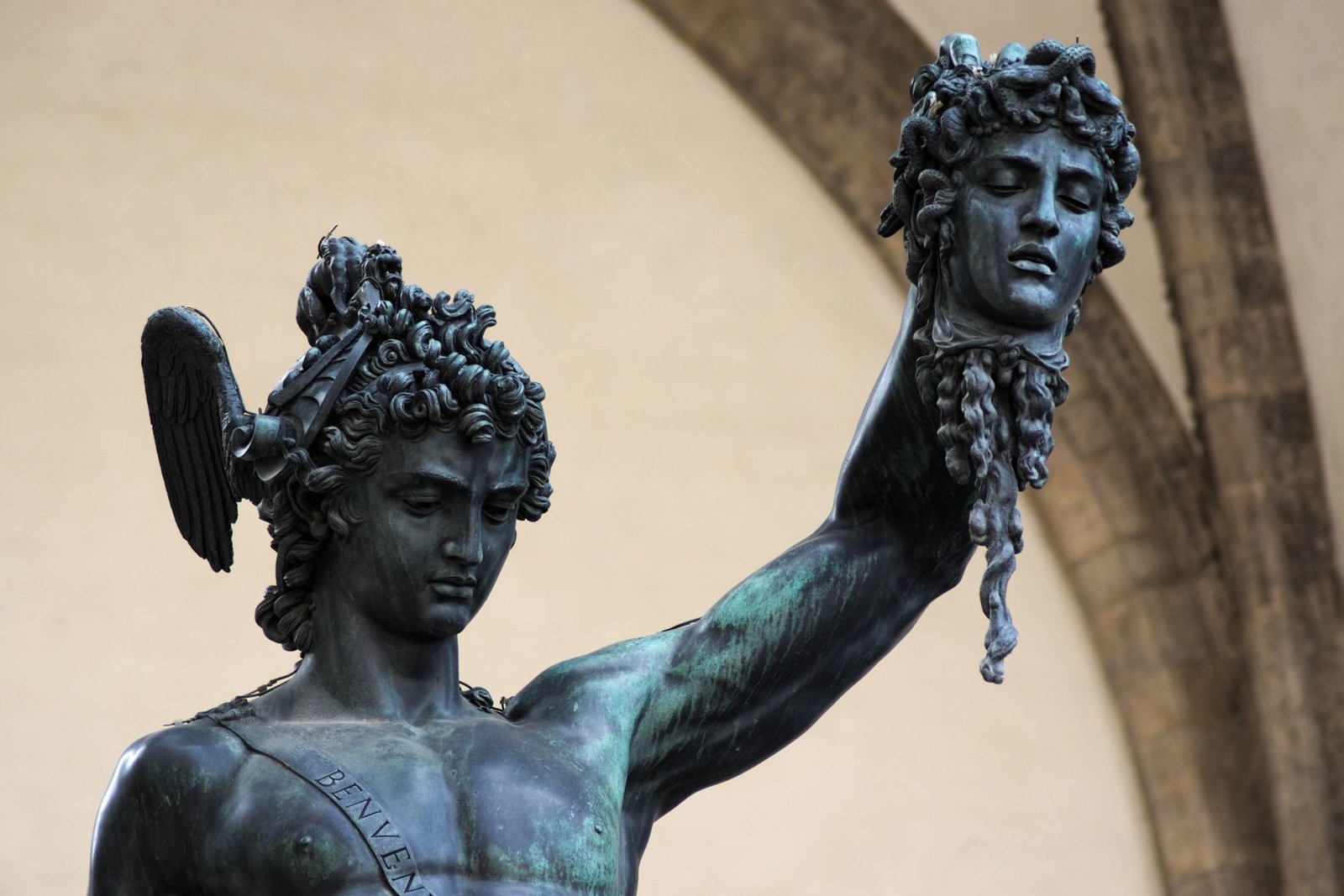
Perseus and Medusa is a foundational Greek myth in which a divinely aided hero undertakes the perilous task of beheading the mortal Gorgon, Medusa, whose gaze turns living beings to stone. Across ancient and later retellings, the story explores heroism, danger, and the triumph of intelligence over force, inviting readers to trace its deeper meanings and enduring cultural influence.

Athena and Poseidon Contest for Athens Mythology Explained
The contest between Athena and Poseidon for Athens is a foundational Greek myth in which two Olympian gods vie to become the city’s patron by offering rival gifts. Its story of Athena’s olive tree, civic identity, and divine rivalry reveals how Athenians explained their name, values, and relationship to both land and sea.
Greek Myths and Legends: The Complete Guide
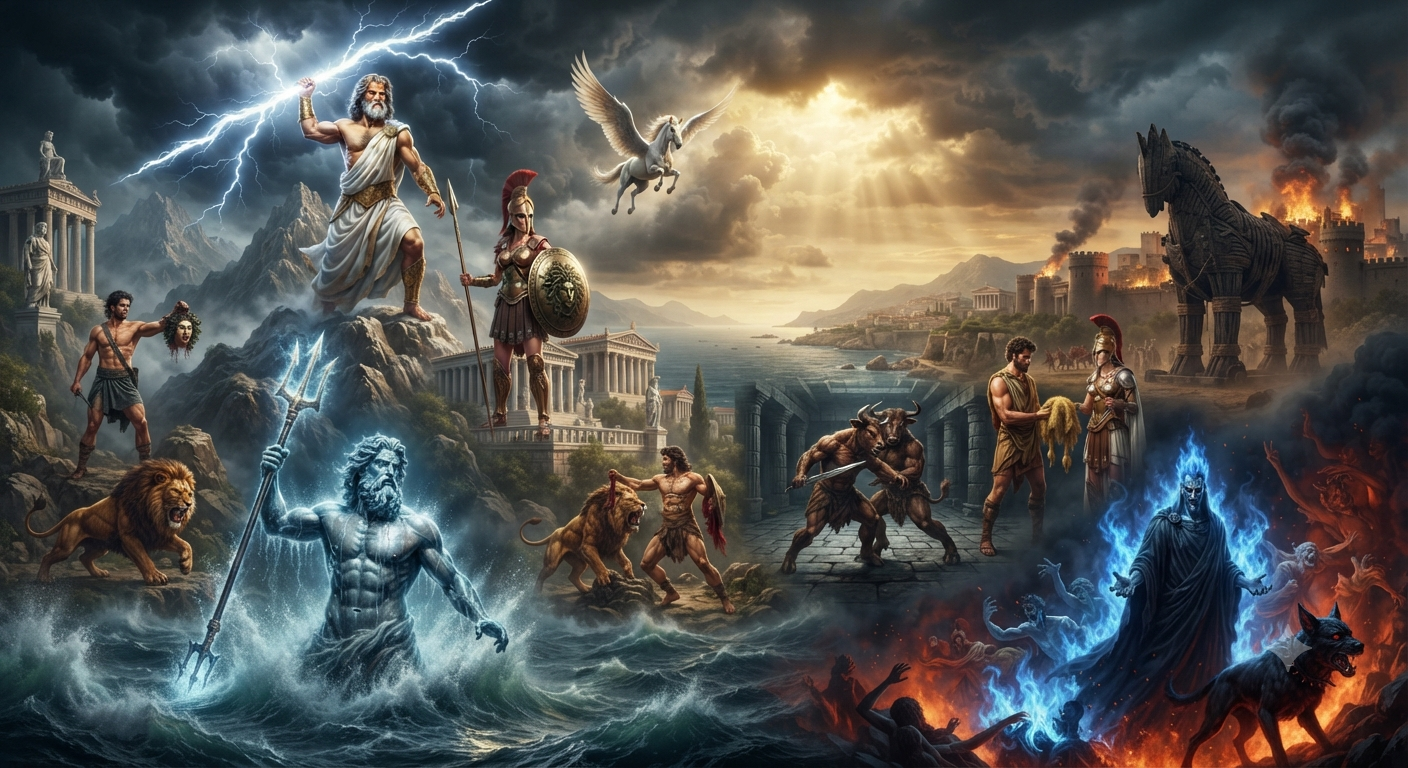
Greek mythology is built not only from its gods and monsters but from the stories that connect them — tales ...