ancient Greek religion
Athena’s Owl: Symbolism, Mythology, and Meaning
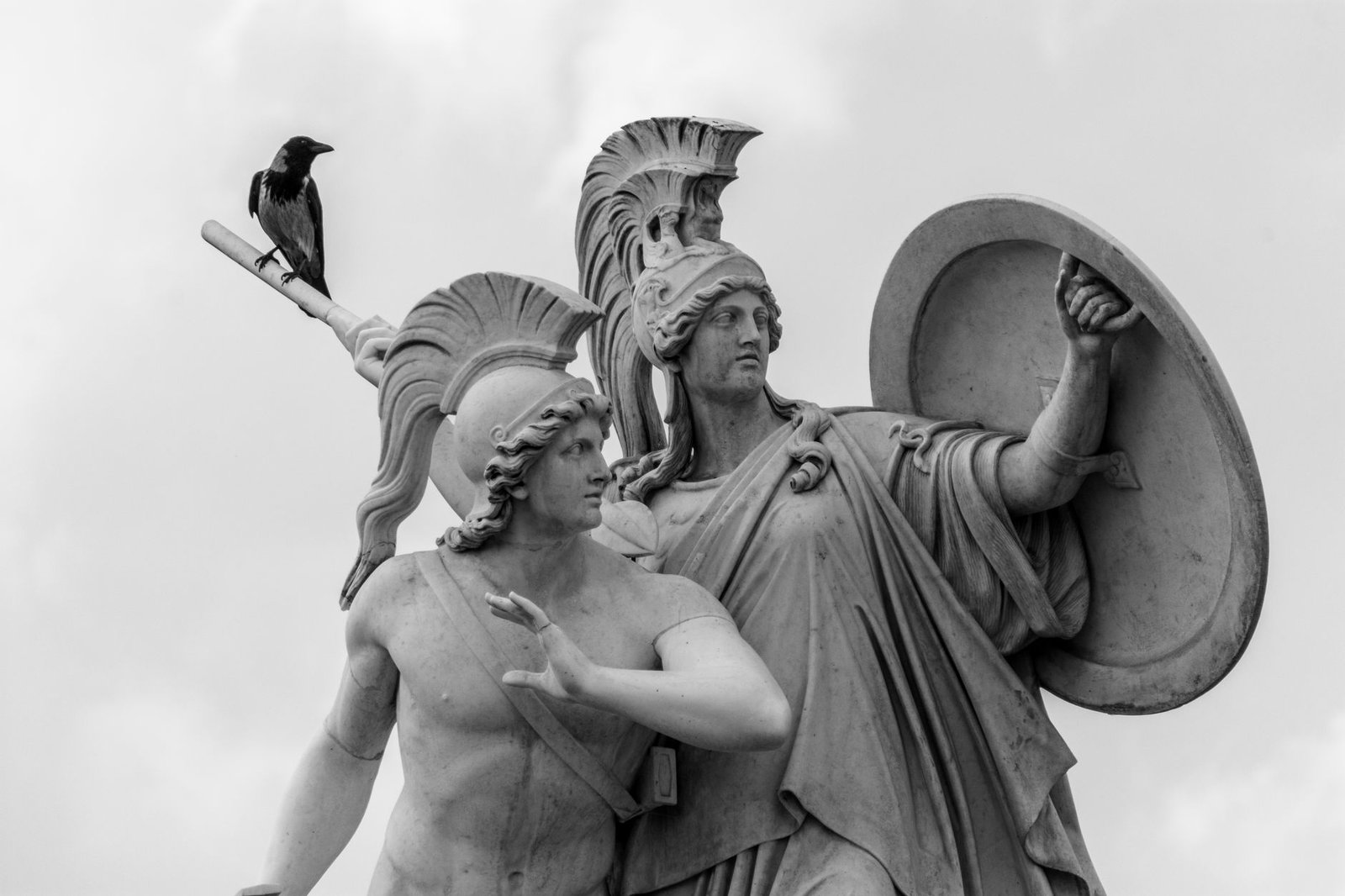
Athenas Owl is one of the most recognizable animal symbols in ancient Greek culture, closely linked with Athena, goddess of wisdom, strategy, and civic order. Appearing in art, coinage, and civic imagery, the little owl embodied watchfulness and judgment, while also revealing how Greeks blended myth, religion, and public identity.

Zeus’s Eagle: Symbolism, Mythology, and Meaning
Zeuss Eagle stands at the center of Greek myth as a sacred emblem of the king of the gods, embodying sovereignty, speed, and divine authority. Tracing its origins, meanings, and enduring political symbolism reveals how this powerful bird came to represent not only Zeus’s will, but also the wider language of kingship in the ancient world.

Golden Fleece: Meaning, Myth, and Greek Legend
The Golden Fleece is one of Greek mythology’s most enduring symbols: the golden wool of a divine ram and the prize at the heart of Jason and the Argonauts. Associated with kingship, legitimacy, and perilous quests, it has inspired centuries of interpretation, from ancient epic to modern scholarship.
Hermes’s Winged Sandals: Meaning, Myth, and History
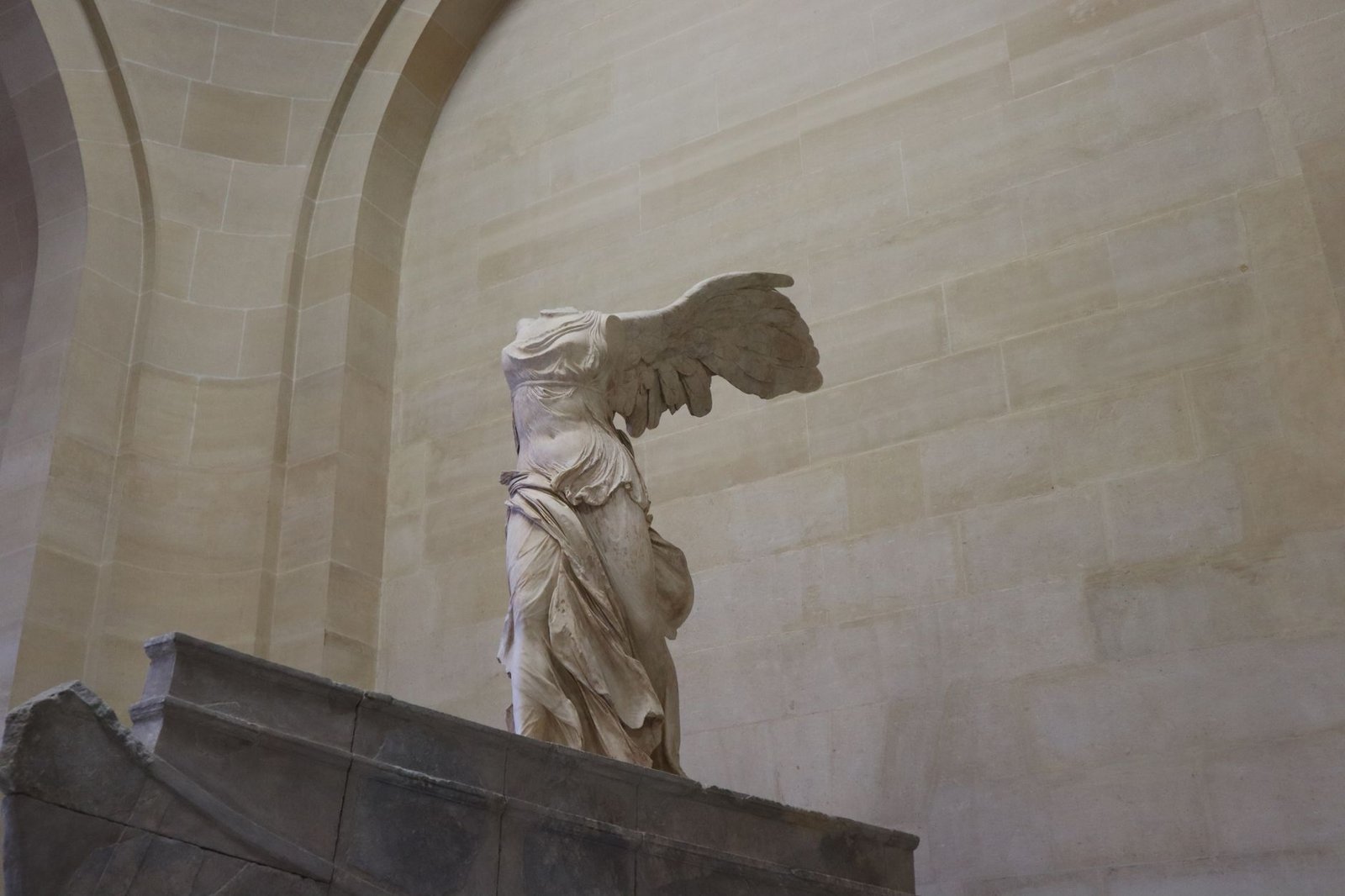
Hermes’s Winged Sandals are among the most enduring symbols of Greek mythology, embodying the god’s unmatched speed, mobility, and role as divine messenger. This article examines their literary origins, shifting descriptions in ancient sources, and the symbolism that turned them into a lasting emblem of rapid communication and boundary-crossing.

Helm of Darkness: Mythology, Origins, and Meaning
The Helm of Darkness is a legendary Greek mythic object best known as Hades’s invisibility helmet, a symbol of concealment, underworld power, and the boundary between the seen and unseen. Its shifting names, forms, and uses across ancient sources reveal a richer story of divine gifts, stealth, and hidden authority than its popular image suggests.

Golden Apple of Discord: Meaning, Myth, and Origins
The Golden Apple of Discord is a pivotal symbol in Greek mythology, introduced when Eris cast it among the gods at the wedding of Peleus and Thetis, igniting the Judgment of Paris. Its story links divine rivalry, contested beauty, and the chain of events that culminated in the Trojan War, while also giving language a lasting metaphor for any source of bitter dispute.

Omphalos: Meaning, Symbolism, and Cultural Significance
The omphalos was a sacred Greek marker of the world’s center, most famously preserved at Delphi, where it symbolized Apollo’s authority and the meeting point of divine and human realms. Its history reveals how myth, ritual, and sacred geography shaped ancient ideas of place, power, and cosmological order.

Delphi Tripod: Ancient Greek Oracle Symbol and Artifact
The Delphi Tripod was a sacred three-legged object central to the sanctuary of Apollo at Delphi, where it symbolized prophecy, divine authority, and the ritual setting of the Oracle. Exploring its origins, religious meaning, and appearances in myth and art reveals how a practical vessel stand became one of the most enduring emblems of ancient Greek religion.

Thyrsus: Definition, Origins, and Symbolism
The thyrsus is a ritual staff from ancient Greek religion, usually topped with a pine cone and often adorned with ivy or vine leaves, most closely associated with Dionysus. Appearing in myth, literature, and art, it symbolizes ecstatic worship, divine power, and the tension between civic order and ritual abandon, inviting closer study of its cultural significance.
Girdle of Aphrodite: Meaning, Myth, and Symbolism
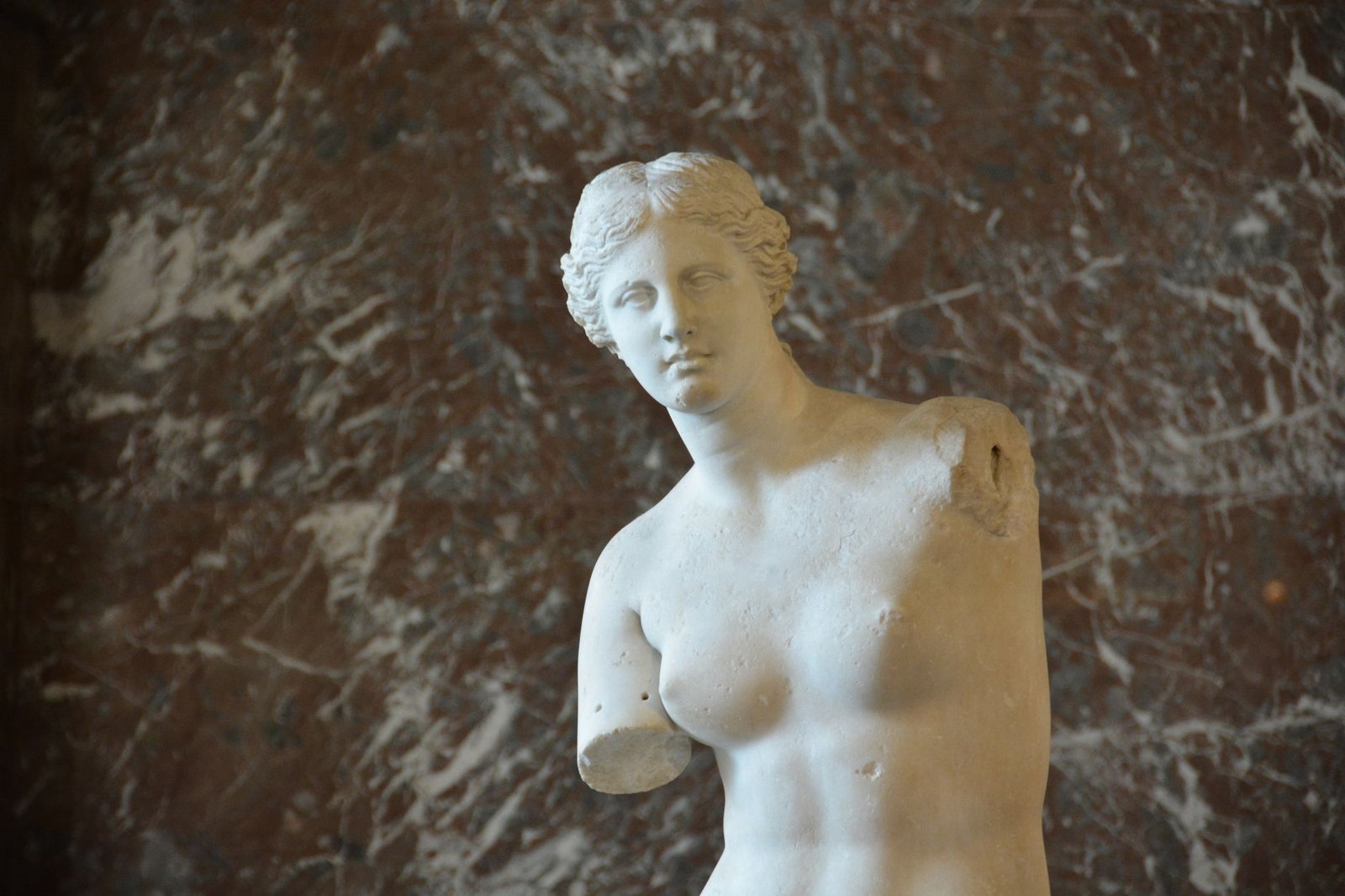
The Girdle of Aphrodite, also called the Cestus or Kestos Himas, is a celebrated object in Greek mythology, an enchanted belt said to confer irresistible charm, beauty, and desire. Best known from the *Iliad*, where Hera borrows it to influence Zeus, it embodies Aphrodite’s power over love and seduction while leaving much of its origin and symbolism open to interpretation.