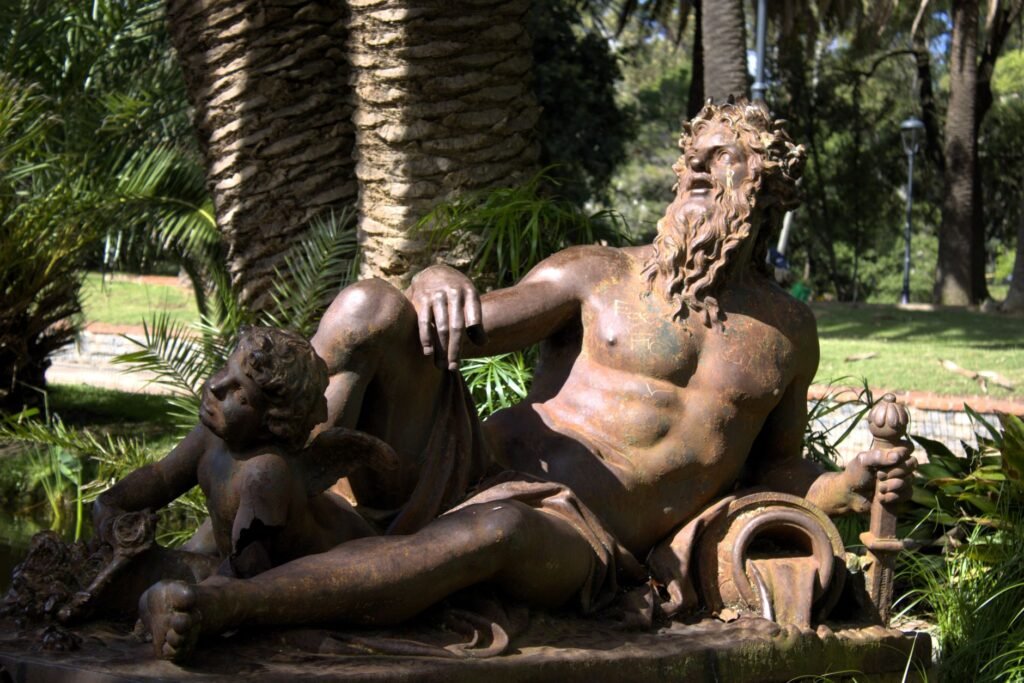
Who Is Zeus in Greek Mythology?
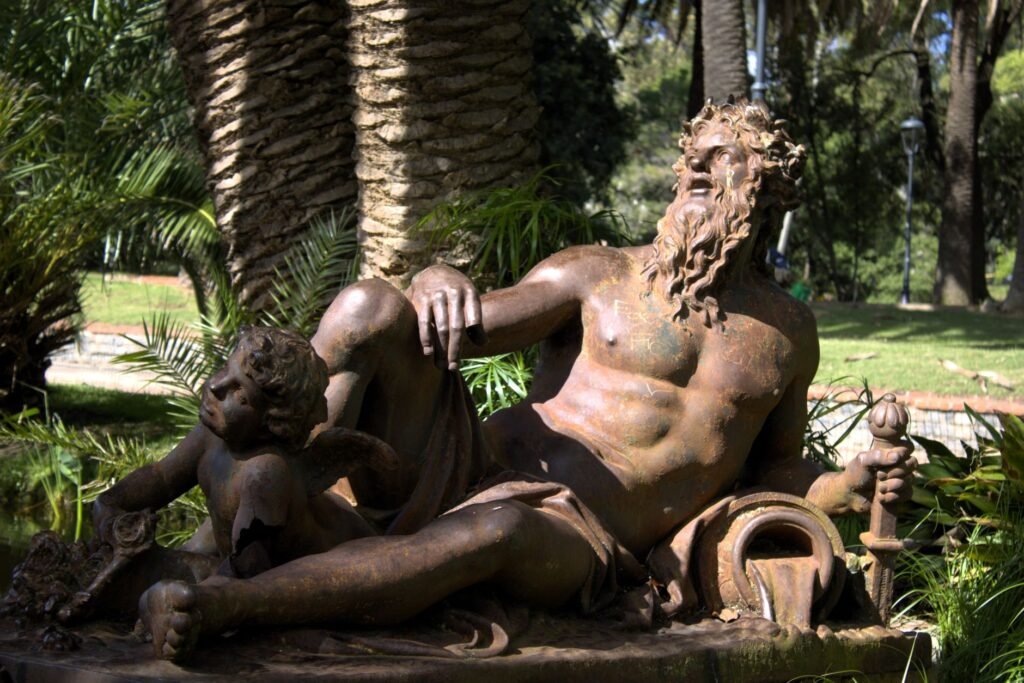
Zeus is one of the most famous figures in ancient mythology and the supreme god of the Greek pantheon. If you have ever wondered who is Zeus in Greek mythology, the simplest answer is that he is the king of the gods, ruler of the sky, and lord of thunder and lightning. From his throne on Mount Olympus, Zeus governed gods and mortals alike, enforcing order, justice, and divine authority.
Yet Zeus was more than a powerful sky god. He was also a complex figure: wise and protective in some stories, unpredictable and passionate in others. His myths reveal how the ancient Greeks understood power, leadership, fate, family, and the relationship between humans and the divine.
Zeus’s Origins and Family
Zeus was the son of the Titans Cronus and Rhea. According to myth, Cronus feared a prophecy that one of his children would overthrow him, just as he had overthrown his own father, Uranus. To prevent this fate, Cronus swallowed each of his children as soon as they were born.
Rhea, desperate to save her youngest child, hid Zeus on the island of Crete. She gave Cronus a stone wrapped in blankets, which he swallowed, believing it was the baby. Zeus grew up in secret until he was strong enough to challenge his father.
When Zeus came of age, he forced Cronus to release his swallowed siblings:
- Hestia
- Demeter
- Hera
- Hades
- Poseidon
Together, Zeus and his siblings fought the Titans in a great war known as the Titanomachy. After their victory, Zeus and his brothers divided the world. Zeus received the sky, Poseidon ruled the sea, and Hades became lord of the underworld.
King of the Olympian Gods
Zeus became ruler of Mount Olympus, the home of the major Greek gods. As king, he held authority over both divine and human affairs. His decisions could affect the course of wars, the fate of heroes, and the prosperity of entire cities.
The Olympian gods looked to Zeus as their leader, though they did not always obey him without question. Like many Greek myths, stories about Olympus often show conflict, jealousy, rivalry, and negotiation among the gods.
Zeus’s rule was symbolized by several powerful objects and creatures, including:
- The thunderbolt, his most famous weapon
- The eagle, his sacred bird
- The oak tree, often associated with his worship
- The scepter, a sign of kingship and authority
His thunderbolt was said to have been forged by the Cyclopes, mighty beings who helped Zeus during the war against the Titans.
Zeus as God of the Sky and Thunder
Zeus was closely connected to the sky, weather, storms, and lightning. Ancient Greeks believed that thunder and lightning were signs of his presence or anger. A sudden storm could be interpreted as a divine message, a warning, or an expression of Zeus’s power.
As a sky god, Zeus was not only feared but also respected. Rain was essential for crops and survival, so Zeus could be seen as a provider as well as a punisher. His control over weather connected him to fertility, abundance, and the natural order.
This made Zeus important not only in grand myths but also in everyday religious life. Farmers, rulers, travelers, and families might honor him for protection, justice, or favorable conditions.
Zeus and Justice
Although Zeus is often remembered for his thunderbolts and dramatic love affairs, he was also associated with justice and moral order. He was believed to watch over oaths, hospitality, kingship, and law.
One of his important roles was as protector of guests and strangers. In ancient Greek culture, hospitality was a sacred duty. Zeus was sometimes called Zeus Xenios, meaning Zeus as guardian of strangers and guests. To mistreat a visitor could be seen as an offense against the god himself.
Zeus also punished arrogance, cruelty, and disrespect toward the gods. Many myths warn against hubris, or excessive pride. Those who challenged divine authority or violated sacred customs often faced severe consequences.
Zeus’s Relationships and Children
Zeus was married to Hera, queen of the gods and goddess of marriage. Their relationship is one of the most famous and turbulent in Greek mythology. While Hera represented marriage and family, Zeus was known for many affairs with goddesses and mortal women.
These relationships produced numerous gods, demigods, and heroes. Some of Zeus’s most famous children include:
- Athena, goddess of wisdom and warfare
- Apollo, god of music, prophecy, and healing
- Artemis, goddess of the hunt and the moon
- Hermes, messenger of the gods
- Persephone, queen of the underworld
- Dionysus, god of wine and celebration
- Heracles, one of the greatest Greek heroes
- Perseus, slayer of Medusa
Many heroic myths begin with Zeus as the father of a mortal-born child. These heroes often inherit extraordinary strength, courage, or destiny, but they also face great suffering and danger.
Famous Myths About Zeus
Zeus appears in many of the best-known stories from Greek mythology. Some myths focus on his rise to power, while others show his role in shaping the lives of gods and humans.
The Titanomachy
The Titanomachy was the great war between the younger gods, led by Zeus, and the older Titans, led by Cronus. Zeus’s victory established the Olympian order and marked a new age in the cosmos.
Prometheus and the Gift of Fire
In the myth of Prometheus, Zeus punished the Titan Prometheus for giving fire to humanity. Prometheus was chained to a rock, where an eagle ate his liver each day. This myth explores themes of rebellion, suffering, and the cost of helping humankind.
Zeus and Europa
In one famous story, Zeus transformed himself into a beautiful white bull to approach Europa, a Phoenician princess. He carried her across the sea to Crete, where she became an important figure in Greek myth. The continent of Europe is traditionally linked to her name.
The Trojan War
Zeus also plays a major role in the myths surrounding the Trojan War. Though he tries to maintain a degree of balance, he influences events and weighs the fates of heroes. His authority looms over the entire conflict.
How Was Zeus Worshipped?
Zeus was worshipped throughout the Greek world. Temples, altars, festivals, and sacrifices were dedicated to him. One of the most important centers of his worship was Olympia, where the ancient Olympic Games were held in his honor.
Another major sanctuary was at Dodona, where priests interpreted the rustling of oak leaves as messages from Zeus. This oracle was one of the oldest in Greece.
Worship of Zeus varied by region, and he had many titles reflecting different aspects of his power. He could be honored as a protector of cities, guardian of oaths, bringer of rain, or ruler of the household.
Why Zeus Still Matters Today
Zeus remains a central figure in modern discussions of mythology, literature, art, and popular culture. His image as the thunder-wielding king of the gods has inspired countless paintings, poems, novels, films, and games.
Understanding who is Zeus in Greek mythology helps explain many ancient stories and symbols. He represents supreme authority, cosmic order, and divine power, but also the flaws and contradictions that make Greek gods so fascinating.
Zeus was not portrayed as perfect. He could be generous, wise, and protective, but also impulsive, jealous, and unfair. This complexity is part of why he continues to capture the imagination. In Zeus, the ancient Greeks created a god who ruled the heavens while reflecting the passions and struggles of human life.

Orin Vale has spent the better part of two decades tracing the threads that connect the world’s oldest stories — from the halls of Asgard to the banks of the Nile, from Olympus to the jungles of the Maya. What began as a childhood fascination with flood myths and trickster gods grew into years of independent study across comparative mythology and ancient religion, always chasing the same question: what did these stories mean to the people who first told them? Orin writes for readers who want more than trivia — the ones looking for the beliefs, fears, and truths that myths were built to carry.