Introduction
The papyrus plant is one of the most recognizable symbols of ancient Egypt, and in Egyptian mythology it carried meanings far beyond its practical use as a writing material. In religious art and sacred landscape symbolism, papyrus often represented the life of Lower Egypt, fertility, renewal, the marshlands of creation, and the ordered world emerging from primordial waters. Together with the lotus and the reed, it formed part of the visual language through which the Egyptians expressed cosmic balance, kingship, and rebirth.
When people ask what does the papyrus plant symbolize in Egyptian mythology, the answer is not singular. Its meaning varied by context, period, and artistic setting. In some traditions it stood for the north and the Nile Delta; in others it was associated with regeneration, abundance, and the primeval swamp from which creation arose. Because Egyptian symbolism was layered and highly context-dependent, papyrus should be understood as both a botanical plant and a sacred emblem within a broader mythological system.
Origin and Meaning
The modern English word papyrus comes from the Greek papyros, which referred to both the plant and the paper-like writing surface made from it. The ancient Egyptians used several terms for papyrus, though the exact linguistic history is complex and varies across periods and texts. As with many ancient Egyptian words, meanings were often tied to function and imagery rather than abstract dictionary definitions.
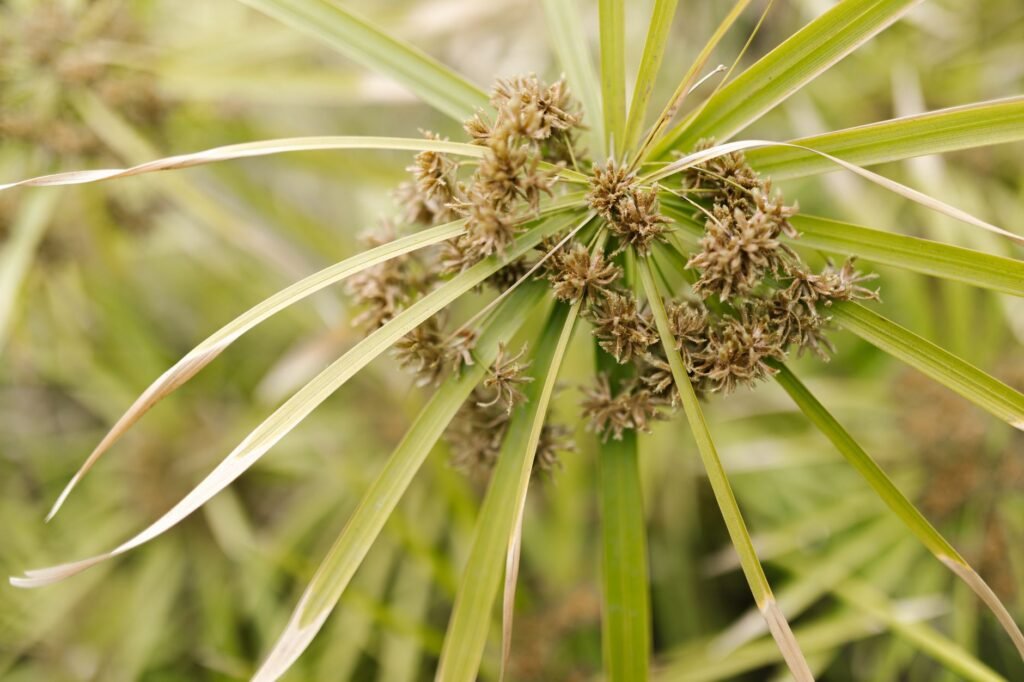
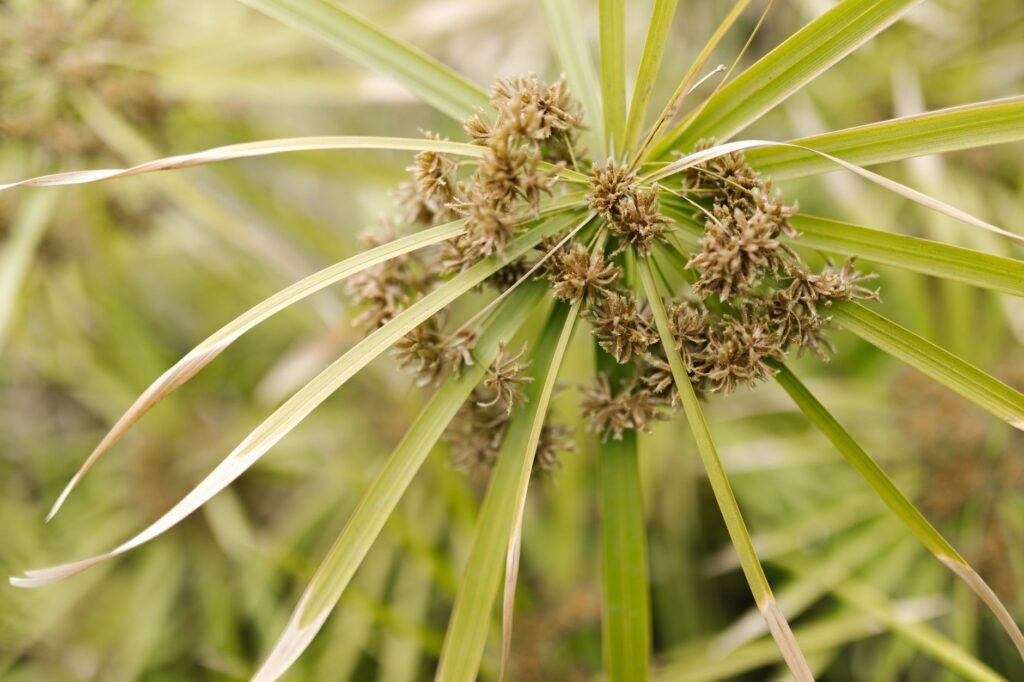
Historically, papyrus grew abundantly in the Nile Delta and marshy wetlands of Lower Egypt. Because of this geographic association, it became a natural emblem of the north. In Egyptian visual culture, its tall stalks, umbrella-like flower heads, and dense marsh growth gave it a distinctive appearance that made it useful in architecture, decorative motifs, and symbolic scenes.
In mythology, the plant’s origin in the marsh carried deep significance. The Egyptian world view frequently imagined creation emerging from a watery, undifferentiated state. Wetlands, reeds, and papyrus thickets could therefore symbolize the first land, the beginnings of life, and the transition from chaos to order.
Historical Context
Papyrus was not only symbolic; it was central to Egyptian civilization.
Practical importance
It was used for:
- writing and record-keeping
- boat building and cordage
- mats, baskets, sandals, and shelters
- ritual and decorative objects
This practical value reinforced its sacred status. In many ancient cultures, objects that were useful in everyday life could also become religious symbols. In Egypt, papyrus was especially powerful because it linked human society to the ecology of the Nile.
Religious and political context
Ancient Egypt was traditionally divided into Upper Egypt in the south and Lower Egypt in the north. Papyrus became one of the key signs of Lower Egypt, while the lotus was often associated with Upper Egypt. This dual symbolism appeared in royal iconography, temple decoration, and state ideology.
The unification of the Two Lands was a major theme in kingship. Papyrus therefore contributed to political symbolism as well as religious meaning. The plant was not merely a floral ornament; it was part of the visual expression of Egypt itself.
Mythic landscape
The Egyptian marsh was not only a physical environment but also a sacred one. Marshes were imagined as places of birth, concealment, and transformation. Several deities were linked with marsh or papyrus imagery, especially in scenes of childhood, protection, or rebirth.
Main Characteristics
Papyrus symbolism in Egyptian mythology is shaped by the plant’s visible features and ecological role.
Identifying features
The papyrus plant is characterized by:
- tall triangular stems
- umbrella-shaped clusters at the top
- growth in shallow water
- thick marsh colonies
- strong but flexible stalks
These features contributed to its symbolic associations:
| Feature of the plant | Symbolic meaning |
|---|---|
| Grows in water | Life emerging from the primordial waters |
| Tall, upright stems | Vital force, stability, growth |
| Dense marsh habitat | Fertility and abundance |
| Strong stalks | Endurance and usefulness |
| Association with the delta | Lower Egypt and the north |
Symbolic qualities
In Egyptian thought, papyrus often signified:
- renewal
- fertility
- youth
- natural abundance
- the marshland of creation
- Lower Egypt
- supporting life and order
It could also function as a sign of protection or a sacred space when depicted in groups of plants surrounding gods or the deceased.
Family and Genealogy
As a plant symbol, papyrus does not have a genealogy in the way a deity would. However, in mythic and artistic contexts it belongs to a symbolic family of marsh and river vegetation.
Related symbolic counterparts
Papyrus is often paired with:
- the lotus, especially in the symbolism of Upper Egypt
- reeds and reeds of the marsh
- the Nile waters
- marsh birds and aquatic life
In royal and temple imagery, papyrus and lotus sometimes appear together in scenes of unification. This pairing created a symbolic “family” of complementary plants representing the dual structure of Egypt.
Mythic associations with deities
Papyrus is connected indirectly to several gods and goddesses:
- Horus, particularly in childhood and protection scenes
- Isis, through marshes and concealment narratives
- Hathor, in fertility and renewal symbolism
- Osiris, through rebirth and vegetative renewal themes
- Wadjet, the cobra goddess of Lower Egypt, whose domain included the papyrus-rich north
These are not genealogical relationships, but symbolic and ritual associations rooted in landscape and myth.
Symbols
Papyrus symbolism appears in many forms across ancient Egyptian art and religion.
Major symbolic meanings
The plant commonly represented:
- Lower Egypt
- the marshes of creation
- rebirth and regeneration
- prosperity and abundance
- the flowering of life
- royal legitimacy and territorial unity
Common visual forms
Papyrus was depicted as:
- a single stalk
- a cluster of stalks
- bundled columns in architecture
- marsh thickets around divine figures
- decorative patterns on tomb and temple walls
Color symbolism
Papyrus imagery often used:
- green, linked to life, growth, and freshness
- blue-green tones, associated with vegetation and vitality
- natural reed colors, emphasizing realism and sacred ecology
In Egyptian symbolic language, green was especially important because it suggested growth, health, and renewal.
Sacred Animals
Papyrus is a plant symbol, not an animal deity. However, many sacred animals appear in papyrus marsh imagery because the marsh itself was a symbolic zone of life and creation.
Animals commonly associated with papyrus marsh scenes
- Hippopotamus: linked to marshes, fertility, and at times danger
- Crocodile: associated with water, power, and liminal spaces
- Herons and ibises: birds of the wetland, often connected with sacred knowledge or ritual landscapes
- Frogs: symbols of fertility and sudden renewal
- Geese and ducks: marsh birds associated with abundance and hunting scenes
- Serpents: protectors or dangerous beings in reed beds
Symbolic significance
These animals helped define papyrus marshes as zones where life was plentiful but also where divine power was active and unpredictable. The marsh was a threshold between order and wilderness, making it ideal for myths of concealment, birth, and protection.
Sacred Plants
Papyrus is one of the most important sacred plants in Egyptian culture.
Papyrus in relation to other sacred plants
| Plant | Main association |
|---|---|
| Papyrus | Lower Egypt, marshes, creation, renewal |
| Lotus | Upper Egypt, rebirth, solar emergence |
| Willow or persea in some contexts | Sacred trees, offerings, and divine presence |
| Date palm | Fertility, sustenance, time |
| Sycamore | Protection, nourishment, goddess imagery |
Importance of papyrus among sacred plants
Papyrus was especially significant because it was both practical and symbolic. Its use in writing made it a carrier of sacred words, royal decrees, administrative records, and funerary texts. In this sense, papyrus was not only an emblem of life but also a medium through which civilization itself was preserved.
In mythic terms, the plant belongs to the watery zone from which the ordered world emerged. This makes papyrus one of the clearest botanical symbols of creation in Egyptian religion.
Sacred Places
Papyrus symbolism is closely tied to the geography of the Nile and the marshlands of the north.
Key places and landscapes
- The Nile Delta: the primary region associated with papyrus and Lower Egypt
- Marshes and lagoons: sacred liminal landscapes linked with birth and protection
- Temple gardens and decorative sanctuaries: stylized papyrus motifs were common in sacred architecture
- Tomb chapels: papyrus scenes could evoke rebirth and blessed abundance in the afterlife
Temple and architectural use
Papyrus forms were used in Egyptian columns and capitals, where architecture itself echoed the plant world. Such designs made the temple a symbolic model of the cosmos, with the building recalling the primordial marsh in which creation began.
Mythic geography
The papyrus marsh could also appear as a hidden refuge, especially in stories involving vulnerable divine figures. This is one reason marsh imagery is so prominent in mythological scenes involving protection and secrecy.
Powers and Attributes
Papyrus does not possess powers in the personal sense, since it is not a deity. Nevertheless, in symbolic and religious terms it carried several attributes.
Core domains of meaning
- life and growth
- fertility and abundance
- rebirth and regeneration
- territorial identity
- protection through sacred landscape
- writing and preservation of knowledge
Ritual and symbolic function
Papyrus could represent:
- the living force of the delta
- the ordered natural world
- the ability of civilization to record and transmit memory
- the regenerative power of water and vegetation
In funerary contexts, these meanings contributed to hopes for renewed life after death. In political contexts, they reinforced the king’s role as ruler of the Two Lands.
Main Myths
There is no single “papyrus myth” in the way there are myths about Osiris or Isis. Instead, papyrus appears in several recurring mythic patterns.
1. Creation from the primordial marsh
Egyptian cosmology often describes the world emerging from the primeval waters. Wetlands, reeds, and papyrus thickets could symbolize the first stabilized environment from which life took shape. In this sense, papyrus stands for the transition from chaos to ordered creation.
2. The hidden child in the marsh
One of the most important mythic settings involving papyrus is the marsh where a divine child may be concealed and protected. In stories associated with Horus, the papyrus thickets of the Delta help form a hidden refuge. The marsh becomes a space of vulnerability turned into safety.
3. Reblooming and renewal
Papyrus also participates in the broader Egyptian cycle of death and rebirth. Although the plant is not central to Osirian myth in the same way as grain or vegetation more generally, it belongs to the life-renewing natural order that supports afterlife beliefs.
4. Unification of the Two Lands
Papyrus, paired with the lotus, appears in scenes expressing the unity of Upper and Lower Egypt. This symbolic pairing is one of the most enduring images in Egyptian royal ideology.
Relationship with Other Mythological Figures
Papyrus is not a deity, but it is closely connected to many divine figures through symbolism.
Horus
Horus is sometimes linked with marsh imagery because his childhood and concealment are associated with the Delta. Papyrus thickets represent protection, hidden life, and the vulnerability of divine infancy.
Isis
Isis is connected with marshland settings in myths of concealment, search, and magical protection. Papyrus marshes help define the sacred landscape in which divine motherhood and safeguarding occur.
Osiris
Osiris is a god of death, rebirth, and vegetative renewal. Papyrus participates in the same symbolic field of life emerging from water and returning to life through sacred order.
Wadjet
Wadjet, the cobra goddess associated with Lower Egypt, shares the papyrus region as part of the Delta’s sacred identity. Papyrus imagery can therefore reinforce regional and political meaning tied to her domain.
The king
The pharaoh is perhaps the most important figure linked to papyrus symbolism. As ruler of the Two Lands, the king mediated between north and south, chaos and order, growth and stability. Papyrus in royal scenes often reinforces his sovereignty over Lower Egypt.
Worship and Cult
Papyrus was not worshipped as a god, but it played a role in ritual, temple art, and religious practice.
Ritual uses
Papyrus was used for:
- writing sacred and administrative texts
- creating ritual objects and offerings
- decorating temples and tombs
- representing sacred landscapes in religious art
Offerings and sacred display
Papyrus motifs appeared in offerings to gods and in temple reliefs. Because vegetation symbolized life, fresh papyrus could function as an appropriate ritual material in contexts where renewal and divine favor were sought.
Festival and ceremonial context
Specific papyrus-only festivals are not widely attested in the same way as major state festivals, but the plant appears throughout religious ceremonial life because it was embedded in the iconography of worship, kingship, and funerary preparation.
Ancient Sources
The symbolism of papyrus is best understood through Egyptian visual culture and texts rather than Greek literary authors alone.
Important source categories
- Temple reliefs and wall paintings
- Tomb decoration
- Royal iconography
- Funerary papyri
- Cosmological and hymnic texts
Classical authors
Greek and Roman writers did mention Egyptian customs and plants, but they are not always the best source for papyrus symbolism. Authors such as:
- Herodotus
- Diodorus Siculus
- Strabo
- Pliny the Elder
describe aspects of Egypt’s geography, economy, and natural resources, including papyrus and its uses. However, their accounts must be read cautiously because they were often observing Egypt from the outside and sometimes simplified local beliefs.
Egyptian evidence
The most reliable evidence for symbolism comes from:
- surviving temple art showing papyrus and lotus motifs
- ceremonial scenes of unification
- burial objects and funerary decoration
- inscriptions that link vegetation to renewal and sacred geography
Roman Equivalent
There is no direct Roman equivalent to the papyrus plant’s Egyptian symbolic role. The Romans knew papyrus mainly as a writing material and an exotic product of Egypt.
Roman reception
In Roman culture, papyrus was valued for practical use, but it did not carry the same dense mythological associations. Roman art occasionally adopted Egyptian motifs, especially after Egypt became part of the Roman Empire, but the plant did not become a central Roman religious symbol.
Closest parallels
If one seeks a broad Roman comparison, papyrus can be loosely compared with plants that symbolized fertility, abundance, or sacred landscape in Roman religion. However, the Egyptian papyrus had a distinctly local and mythological identity that was not fully transferred into Roman tradition.
Influence on Modern Culture
Papyrus remains one of the most visible symbols of ancient Egypt in modern culture.
In art and design
Papyrus motifs appear in:
- museum displays
- decorative borders
- Egypt-inspired architecture
- educational illustrations
- logo design and branding
In literature and film
Ancient Egyptian imagery in books and films often includes papyrus reeds to evoke authenticity, mystery, or antiquity. The plant is frequently used as a visual shorthand for the Nile, the temple marsh, or ancient writing.
In games and popular media
Video games, documentaries, and fantasy media often use papyrus as part of the visual environment of ancient Egypt. It appears in background scenery, scroll imagery, and temple settings.
In scholarship and tourism
Papyrus is still an important symbol in Egyptology and cultural heritage. It helps communicate the connection between ecology, writing, and religious symbolism in ancient Egypt.
Curiosities
- Papyrus is one of the few ancient symbols that combined everyday utility and sacred meaning so completely.
- The plant was tied not only to religion but also to the invention and preservation of writing.
- Papyrus and lotus together formed a visual shorthand for the unity of Egypt.
- In some temple and tomb scenes, papyrus marshes do not represent a literal place but a mythic state of being, a fertile threshold between worlds.
- The same plant that symbolized life and renewal also produced the material on which many Egyptian sacred texts were written.
- Papyrus columns in architecture often imitate the form of bundled plants, showing how nature influenced sacred building design.
- Because papyrus thrives in wetlands, it became a natural symbol of the Nile’s life-giving power.
- The plant’s associations changed over time but remained rooted in its link to Lower Egypt and the marshlands.
Frequently Asked Questions
1. What does the papyrus plant symbolize in Egyptian mythology?
It commonly symbolizes Lower Egypt, fertility, renewal, abundance, and the marshes of creation. It is also linked to the ordered world emerging from the primordial waters.
2. Is papyrus a religious symbol or just a useful plant?
It is both. Papyrus was highly practical in ancient Egypt, but its practical importance helped make it a powerful religious and political symbol as well.
3. Why is papyrus associated with Lower Egypt?
Because it grew abundantly in the Nile Delta, the region historically identified as Lower Egypt. This made it a natural emblem of the north.
4. How is papyrus different from the lotus in Egyptian symbolism?
Papyrus is usually associated with Lower Egypt and marshlands, while the lotus is more often linked with Upper Egypt and rebirth imagery. Together they symbolize the unity of the Two Lands.
5. Did the Egyptians worship papyrus as a god?
No. Papyrus was not a deity. It was a sacred plant symbol used in art, ritual, and political iconography.
6. What role does papyrus play in creation myths?
Papyrus can represent the primeval marsh from which life and order emerged. It belongs to the symbolic landscape of creation from water and vegetation.
7. Why is papyrus important in tomb art?
In funerary contexts, papyrus could suggest rebirth, vitality, and the blessed abundance of the afterlife. It helped create an image of eternal renewal.
8. Is papyrus still important today?
Yes, as a cultural and historical symbol. It remains one of the best-known emblems of ancient Egypt and a major topic in archaeology, art history, and Egyptology.
Conclusion
The papyrus plant symbolizes much more than a marsh reed in Egyptian mythology. It represents the life of the Nile Delta, the fertility of the land, the marshes of creation, and the renewal that lies at the heart of Egyptian religious thought. Its association with Lower Egypt gave it political significance, while its place in sacred landscapes made it a powerful mythological symbol.
Because papyrus was both a living plant and the source of a major writing material, it occupied a unique position in Egyptian culture. It connected nature, kingship, religion, and memory. For this reason, the papyrus plant remains one of the clearest and most enduring symbols of ancient Egyptian civilization and mythology.

Orin Vale has spent the better part of two decades tracing the threads that connect the world’s oldest stories — from the halls of Asgard to the banks of the Nile, from Olympus to the jungles of the Maya. What began as a childhood fascination with flood myths and trickster gods grew into years of independent study across comparative mythology and ancient religion, always chasing the same question: what did these stories mean to the people who first told them? Orin writes for readers who want more than trivia — the ones looking for the beliefs, fears, and truths that myths were built to carry.