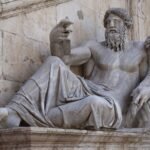
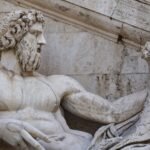
Nile Delta

What Is the Red Crown of Egypt in Egyptian Mythology
The red crown of Egypt, known as the Deshret, was the emblem of Lower Egypt and a powerful sign of kingship, sovereignty, and the unity of the Two Lands. Rooted in ancient ideas of the “red land,” it carries layered meanings of authority, desert power, and divine rule, inviting closer study of its place in Egyptian mythology and royal symbolism.
What Is the Double Crown of Egypt in Egyptian Mythology
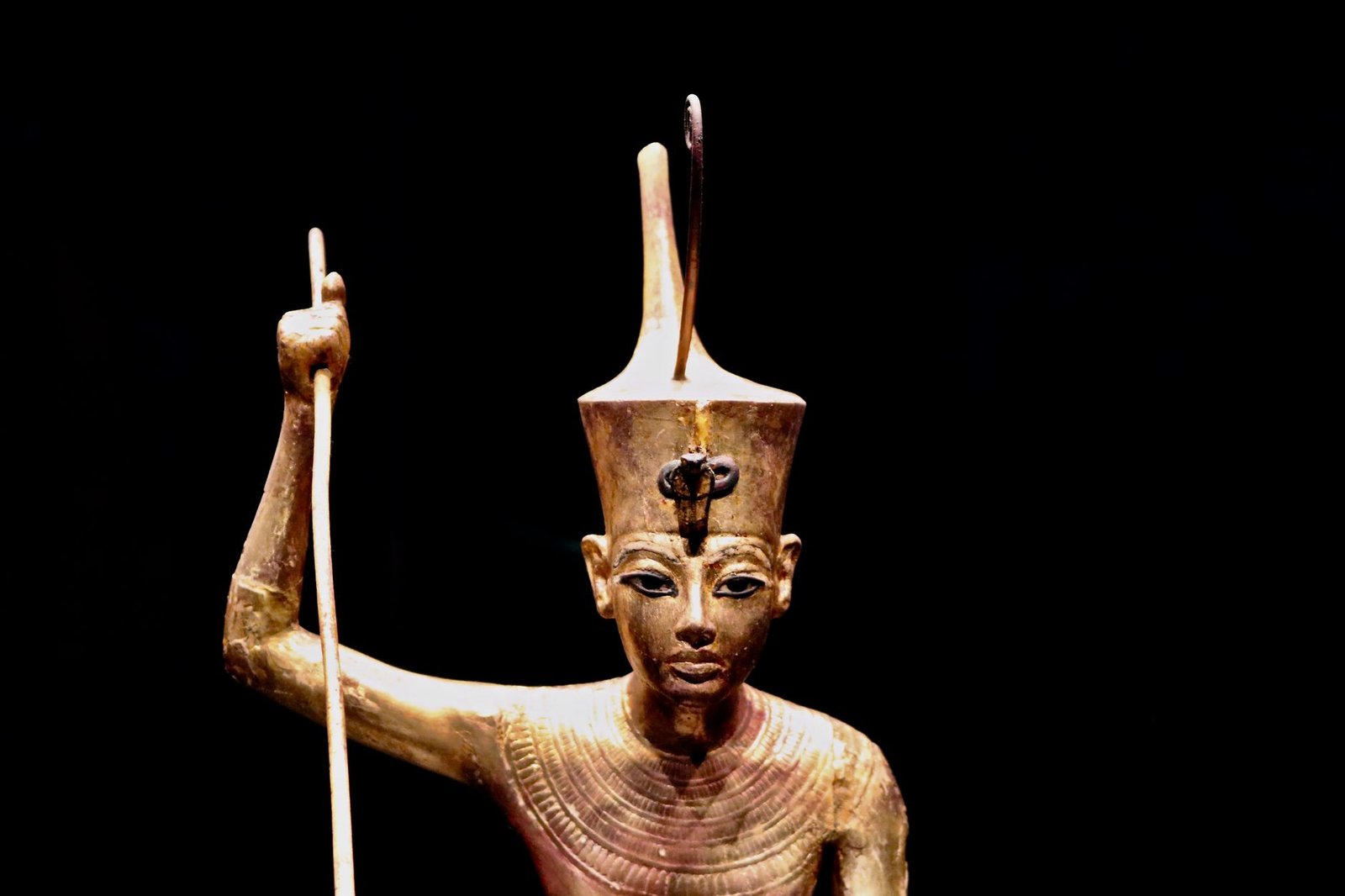
The **double crown of Egypt** was the emblem of pharaonic rule over Upper and Lower Egypt, combining the white and red crowns into a single sign of unity, authority, and cosmic balance. In Egyptian mythology, it also reflected the king’s sacred duty to preserve *ma’at*—yet its deeper origins and symbolism reveal far more than a royal headdress.
Papyrus Plant Symbolism in Egyptian Mythology Explained
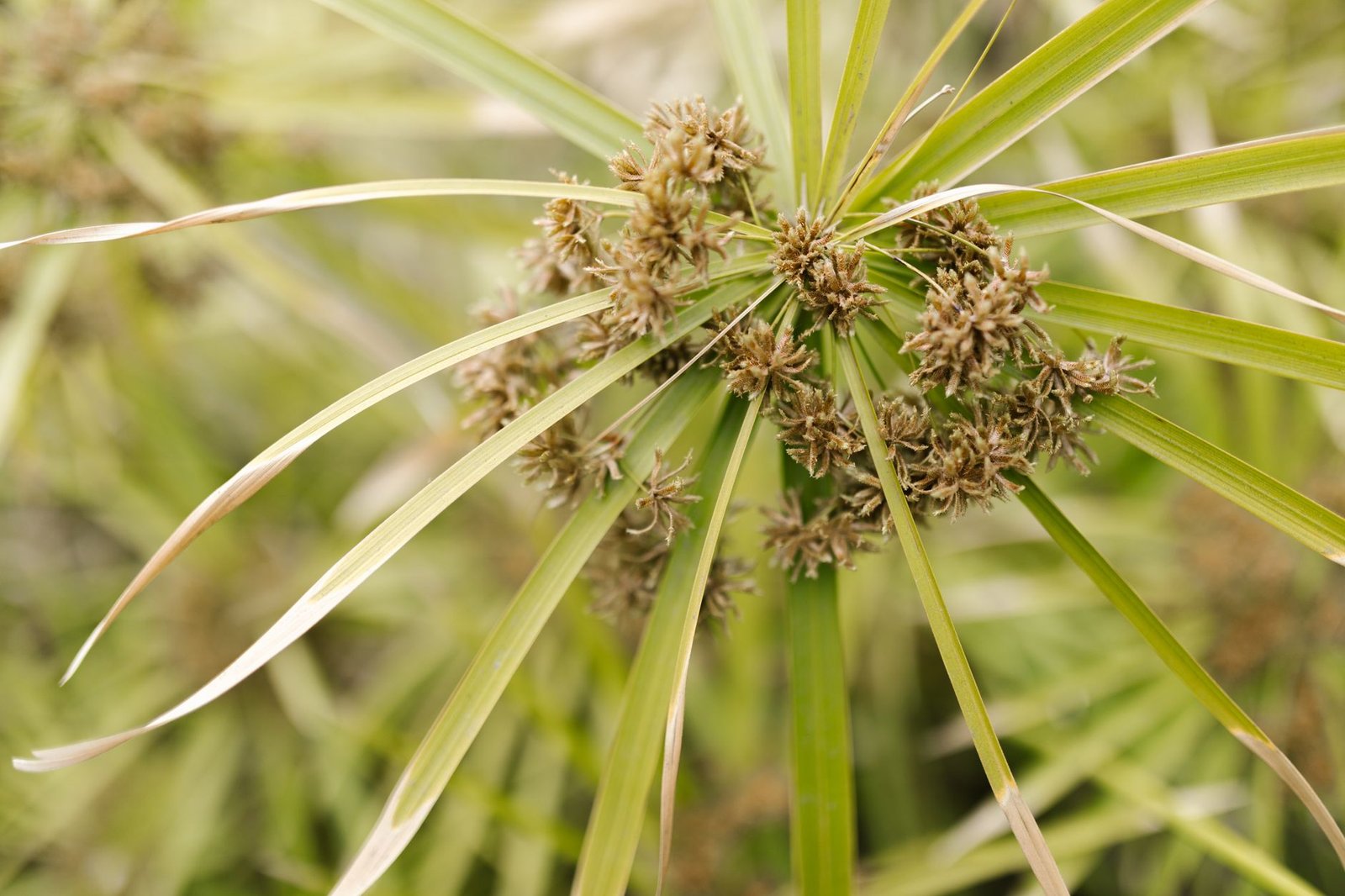
The papyrus plant in Egyptian mythology symbolizes Lower Egypt, fertile marshlands, renewal, and the ordered world emerging from primordial waters, making it a powerful emblem of creation and rebirth. To understand what does the papyrus plant symbolize in Egyptian mythology, readers must consider its roles in religious art, kingship, and the balance between nature and cosmic order.
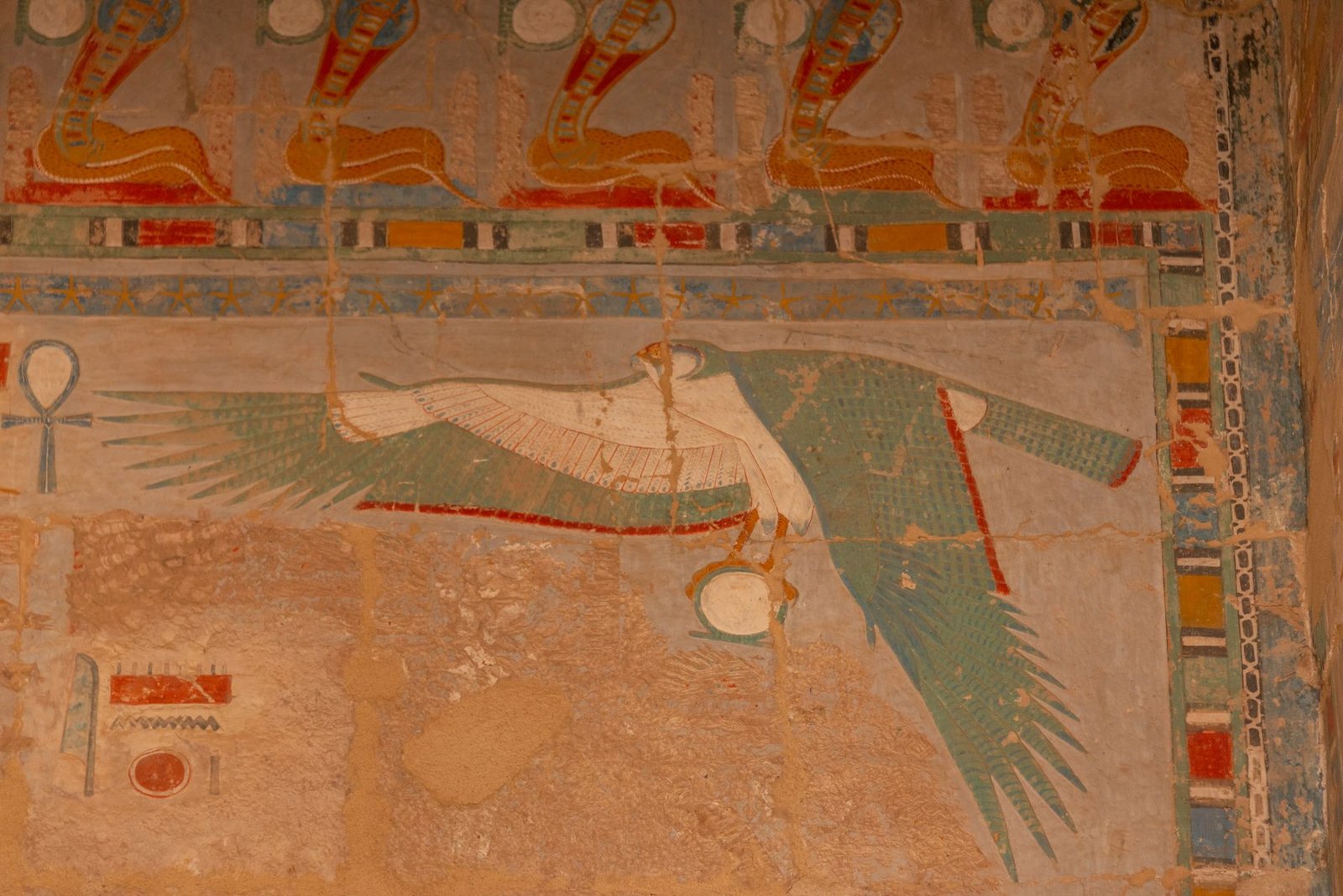
Who Is Wadjet in Egyptian Mythology? Meaning and Role
Wadjet is a major goddess in Egyptian mythology, revered as a cobra deity of protection, kingship, and the Nile Delta, and prominently shown as the uraeus on the pharaoh’s brow. Her cult, linked to Buto and the unification of the Two Lands, reveals how a local guardian became a lasting emblem of divine authority and royal power.
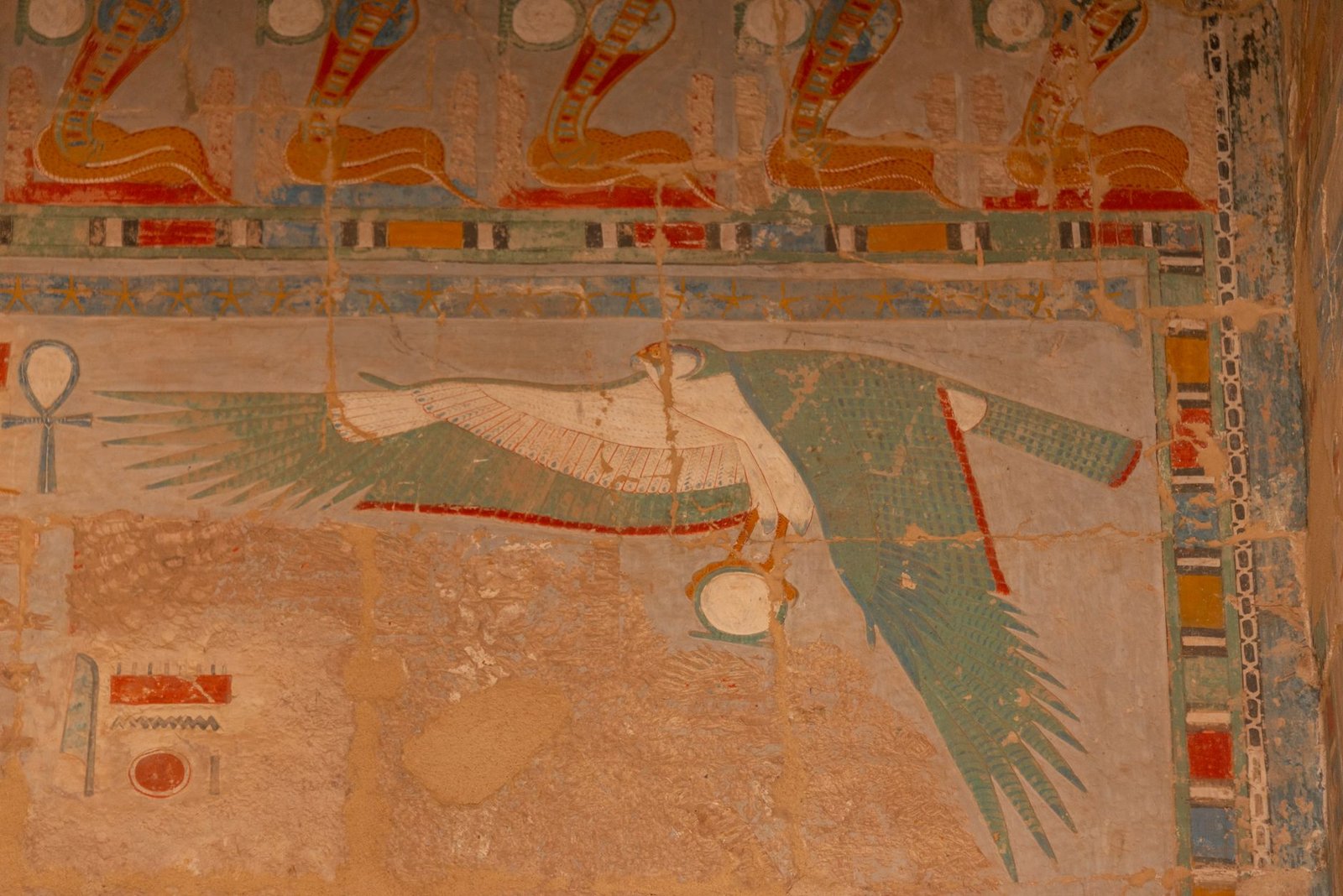
Who Is Neith in Egyptian Mythology? A Guide
Neith in Egyptian mythology is one of the oldest and most complex goddesses, blending roles as creator, warrior, weaver, and guardian across millennia of worship. This overview traces her shifting symbolism, major cult center at Sais, and the meanings ancient Egyptians and later Greek writers drew from her enduring presence.