ancient Egyptian religion
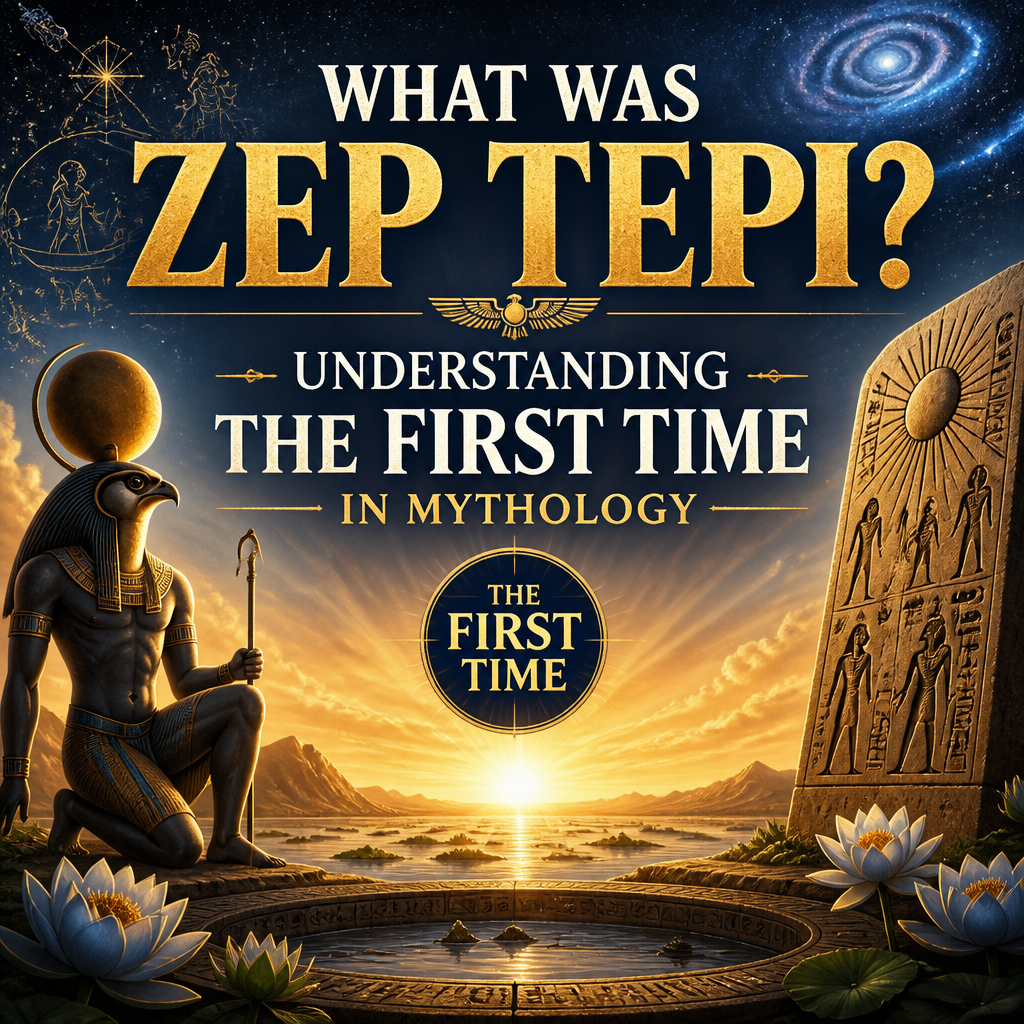
What Was Zep Tepi? Understanding The First Time in Mythology
Zep Tepi, meaning “the first time,” reveals how ancient Egyptians imagined creation as the moment divine order rose from chaos. This sacred beginning shaped their myths, rituals, kingship, and understanding of the universe.
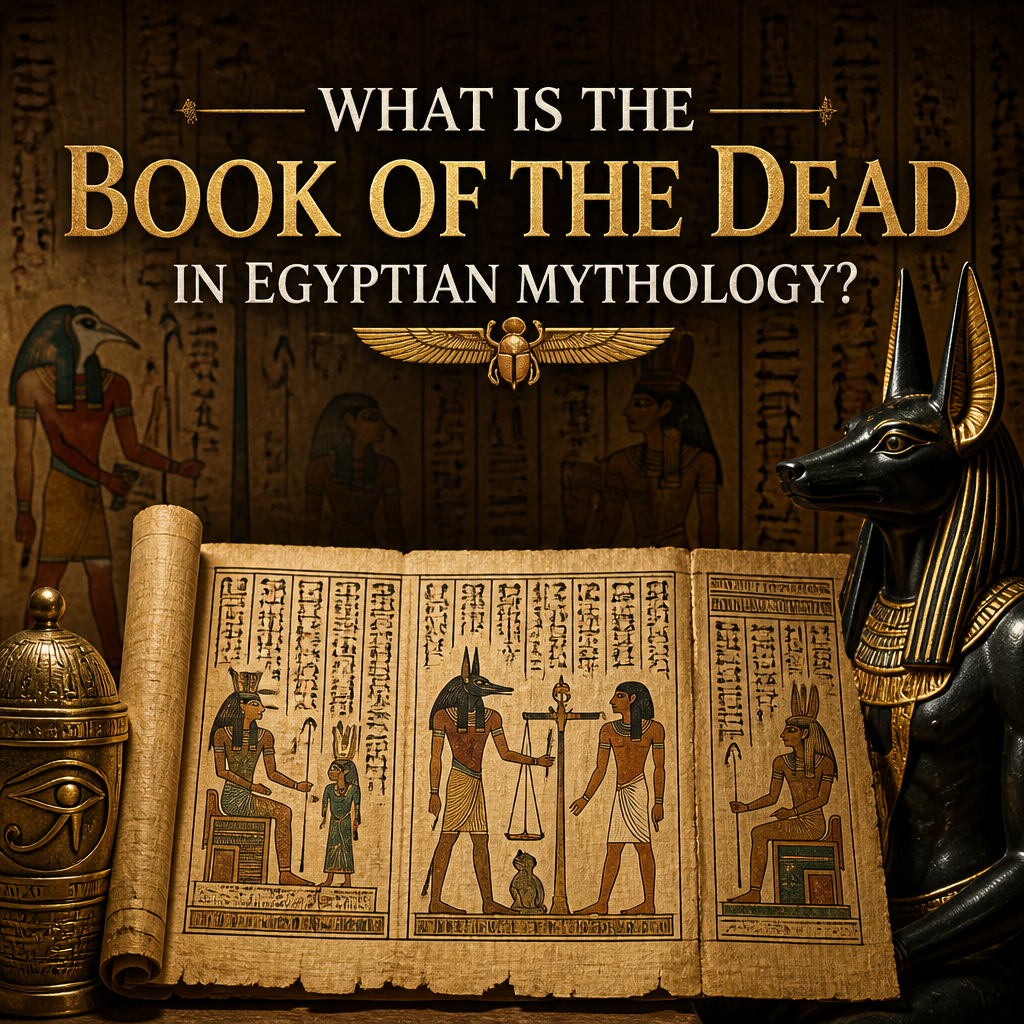
What Is the Book of the Dead in Egyptian Mythology?
The Book of the Dead was an ancient Egyptian guide to the afterlife, filled with spells and prayers to help the soul face challenges and reach eternal peace. Far from being a dark or scary text, it reflected Egypt’s hopeful belief in rebirth and life beyond death.
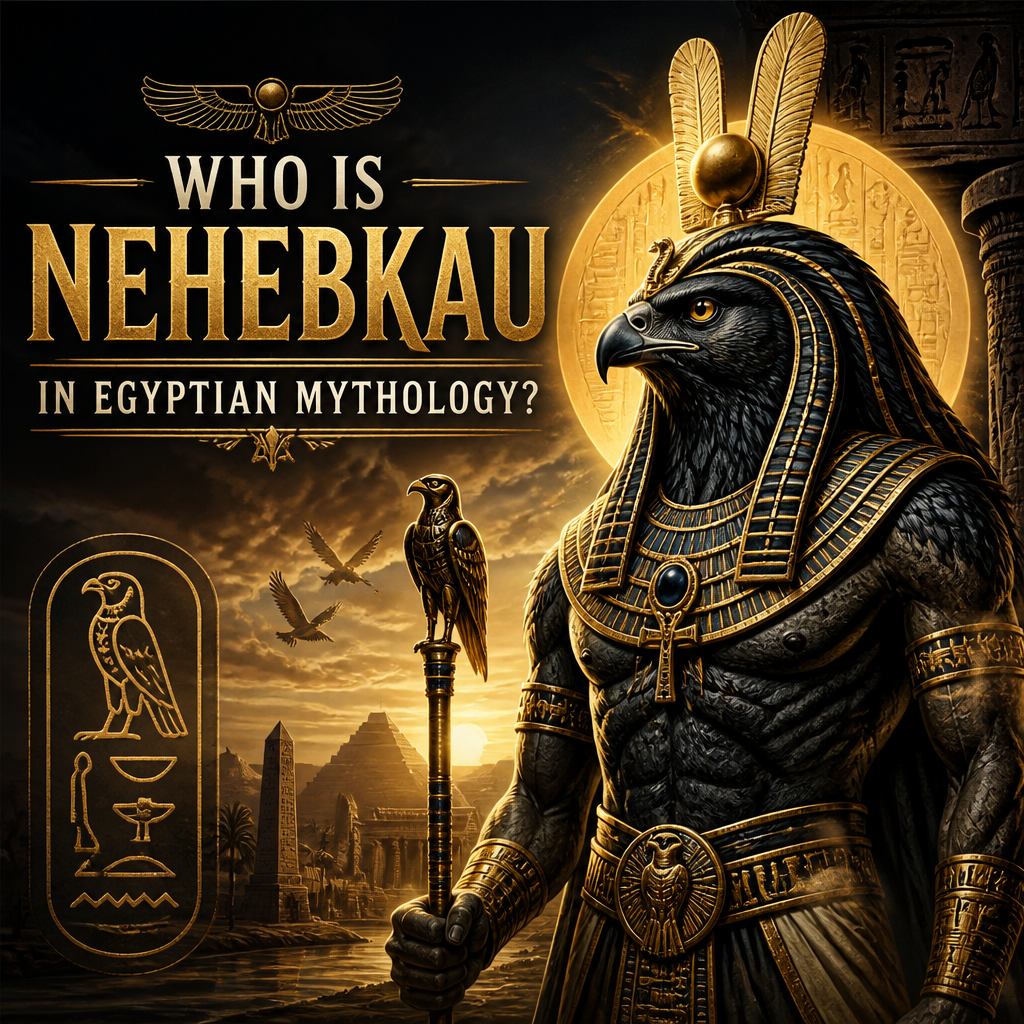
Who Is Nehebkau in Egyptian Mythology?
Nehebkau in Egyptian mythology is a mysterious serpent god linked to protection, the afterlife, and the spiritual power of the ka. His story reveals how ancient Egyptians saw snakes as both sacred guardians and powerful forces of transformation.
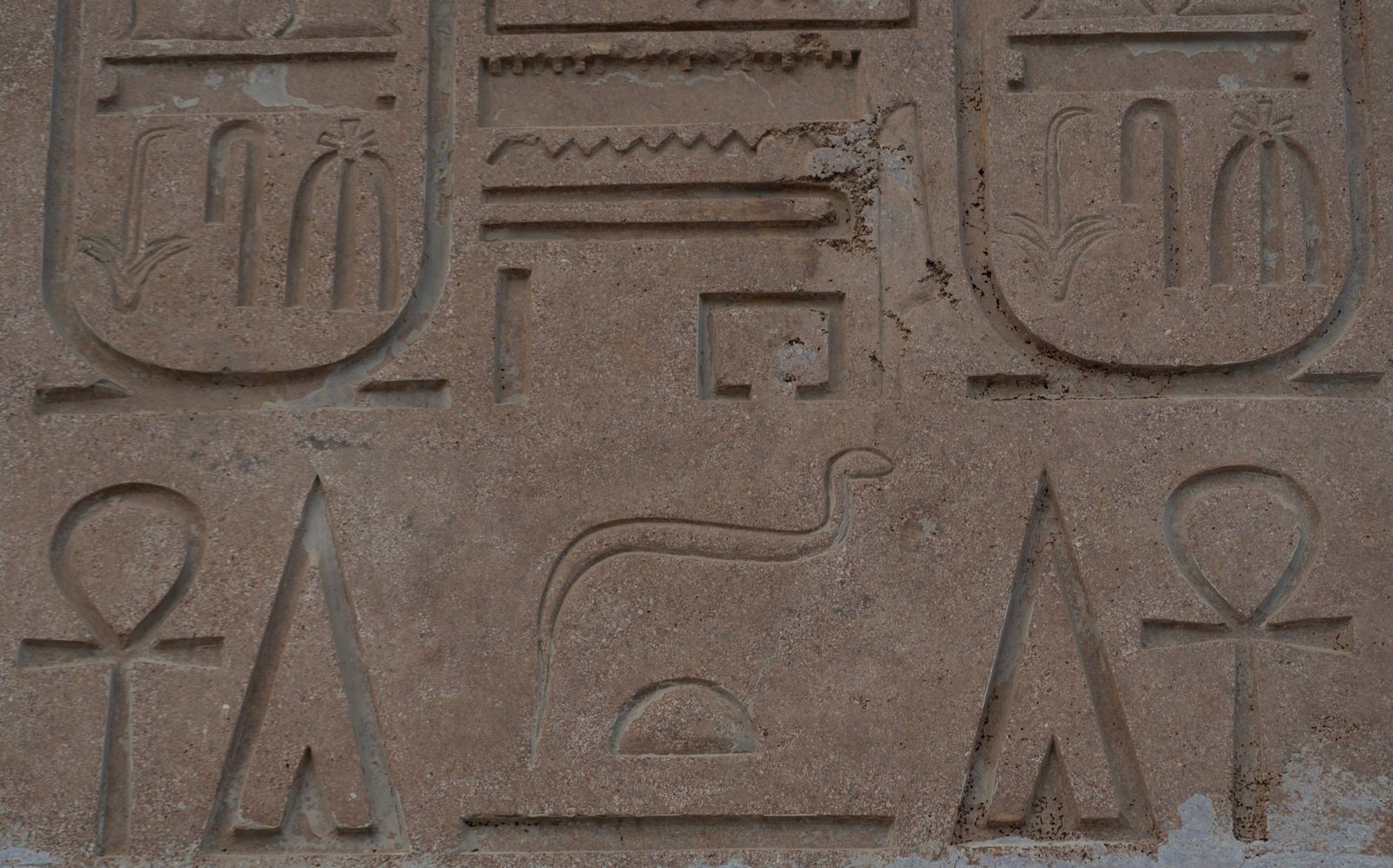
What Does the Ankh Mean in Egyptian Mythology?
The **ankh** is one of ancient Egypt’s most enduring symbols, and in Egyptian mythology it represents life, divine power, and the promise of existence beyond death. This article explores its religious meaning, its use in temple and tomb imagery, and the ways the “key of life” came to embody rebirth, authority, and immortality.
Eye of Horus vs. Eye of Ra: Key Differences Explained
The difference between the Eye of Horus and the Eye of Ra lies in their divine associations: one symbolizes Horus’s restored, protective power, while the other embodies Ra’s solar force and often its destructive aspect. Exploring their origins, meanings, and uses in ancient Egyptian belief reveals why these two sacred eyes are related, yet never interchangeable.
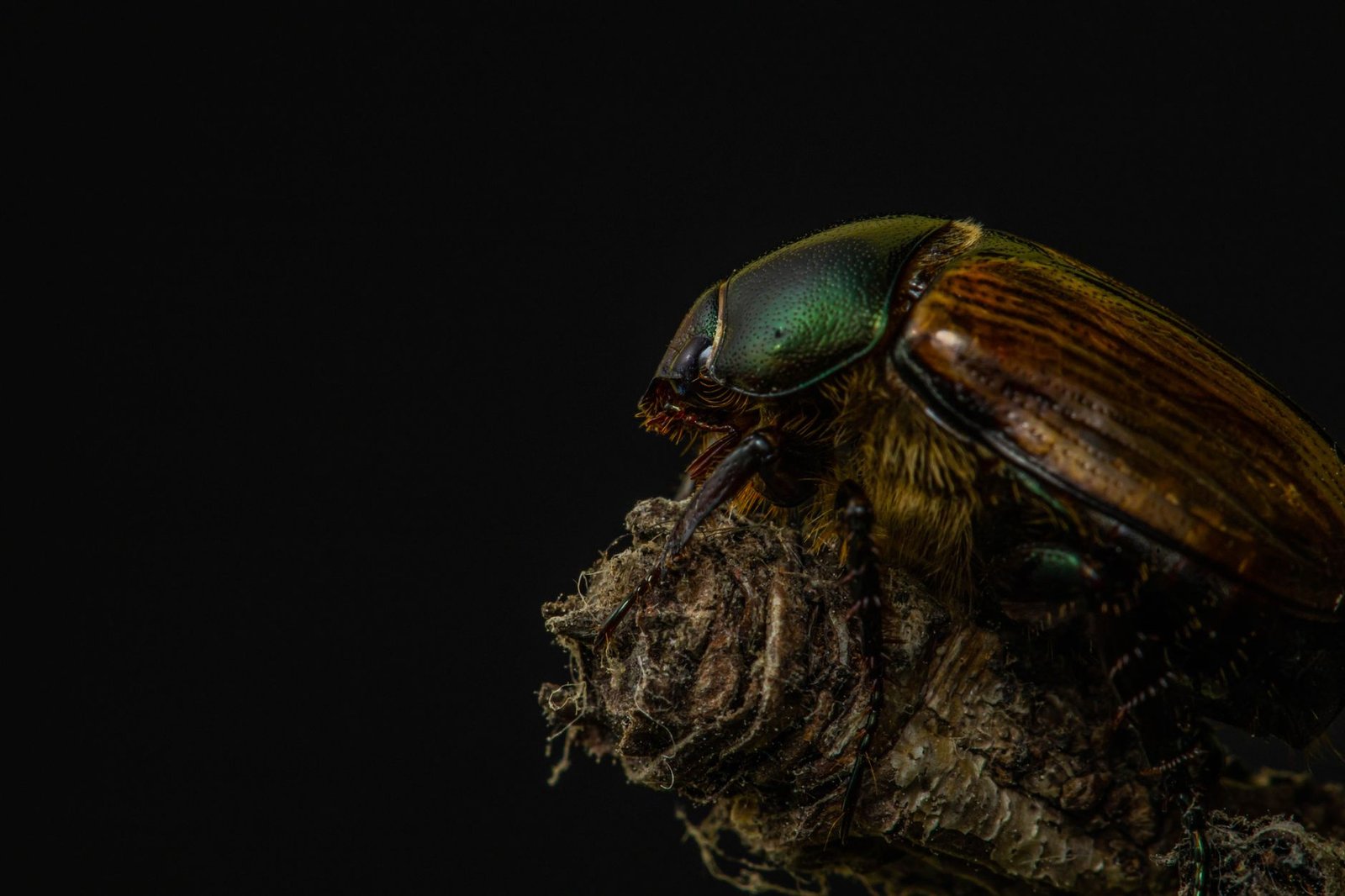
Scarab Beetle Symbolism in Egyptian Mythology Explained
In Egyptian mythology, the scarab beetle symbolizes rebirth, transformation, protection, and the daily renewal of the sun, especially through its link to the god Khepri. This excerpt explores how a simple creature became a powerful emblem of creation, the afterlife, and divine order, revealing why its image endured across temples, tombs, and amulets.
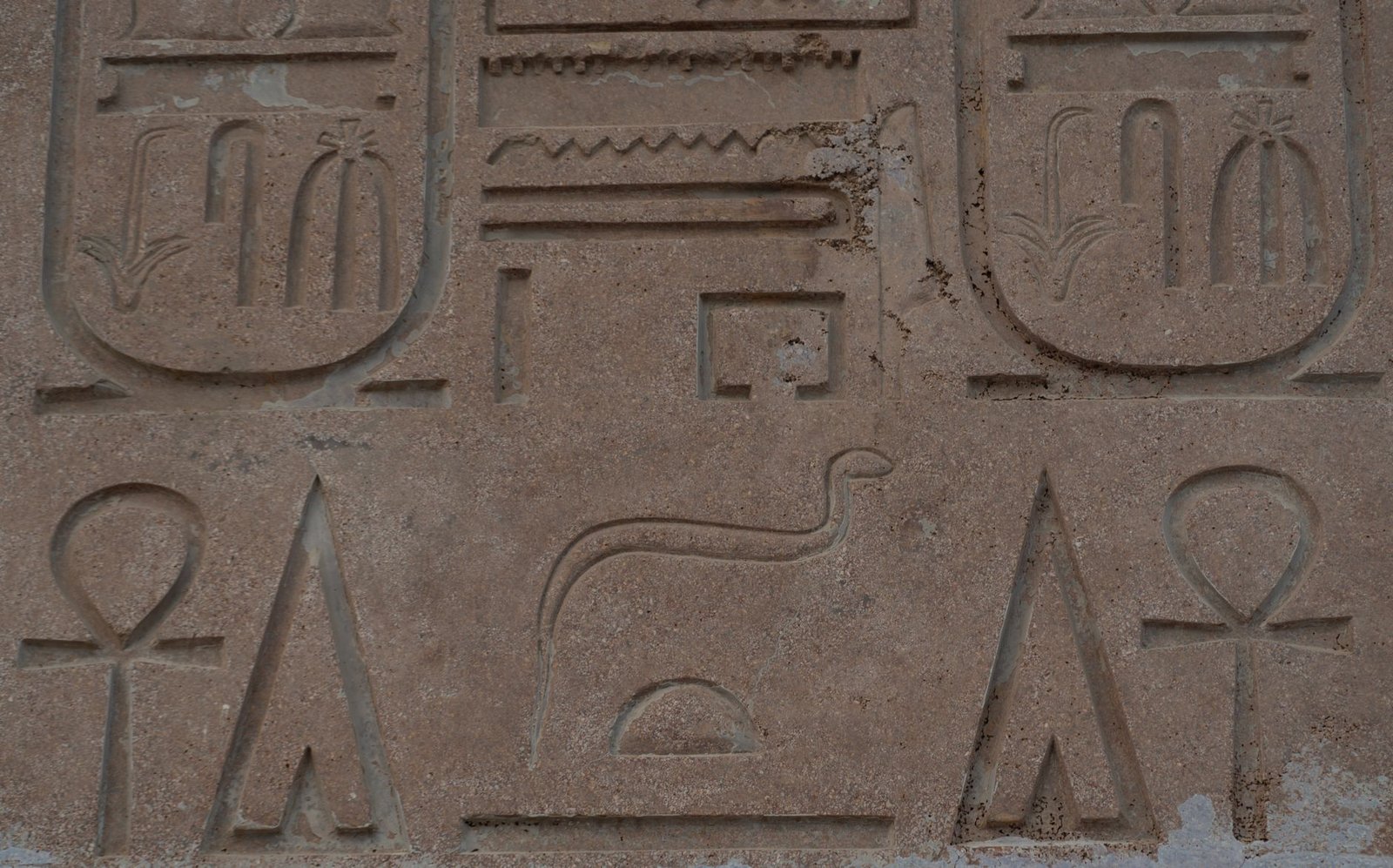
What Do the Crook and Flail Symbolize in Egyptian Mythology?
The crook and flail symbolize what do the crook and flail symbolize in Egyptian mythology: a balanced ideal of kingship in which the ruler protects, guides, and sustains the people while also enforcing order and fertility. Most closely associated with Osiris and royal iconography, these emblems reveal how Egyptian authority fused pastoral care with divine power.
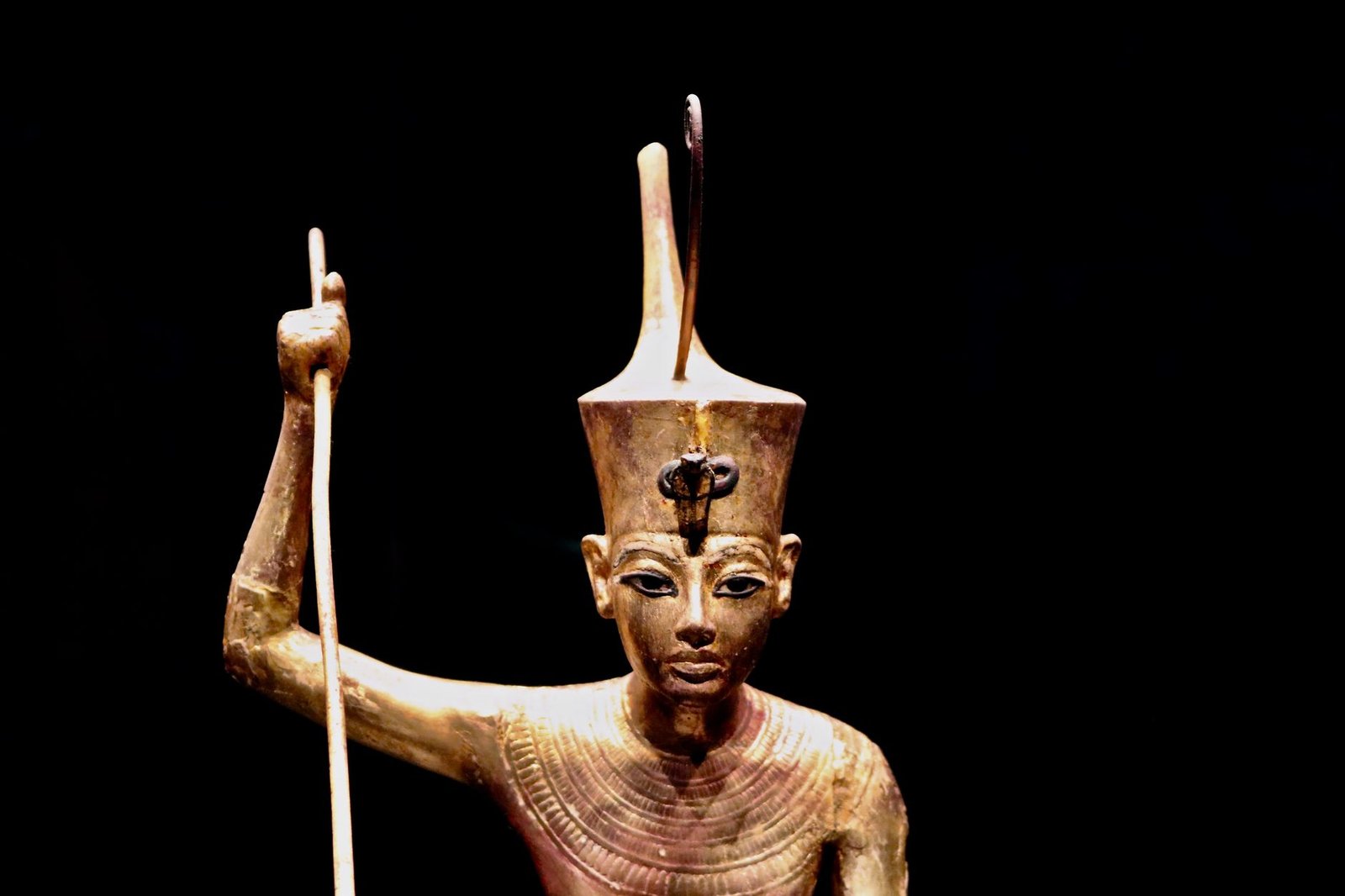
What Is the White Crown of Egypt in Egyptian Mythology
The white crown of Egypt, or hedjet, was the ancient emblem of Upper Egypt and a potent symbol of kingship, divine authority, and sacred protection in Egyptian mythology. Its role in royal iconography, religious scenes, and the later double crown reveals how Egyptians linked political power with cosmic order and unification.

What Is the Red Crown of Egypt in Egyptian Mythology
The red crown of Egypt, known as the Deshret, was the emblem of Lower Egypt and a powerful sign of kingship, sovereignty, and the unity of the Two Lands. Rooted in ancient ideas of the “red land,” it carries layered meanings of authority, desert power, and divine rule, inviting closer study of its place in Egyptian mythology and royal symbolism.
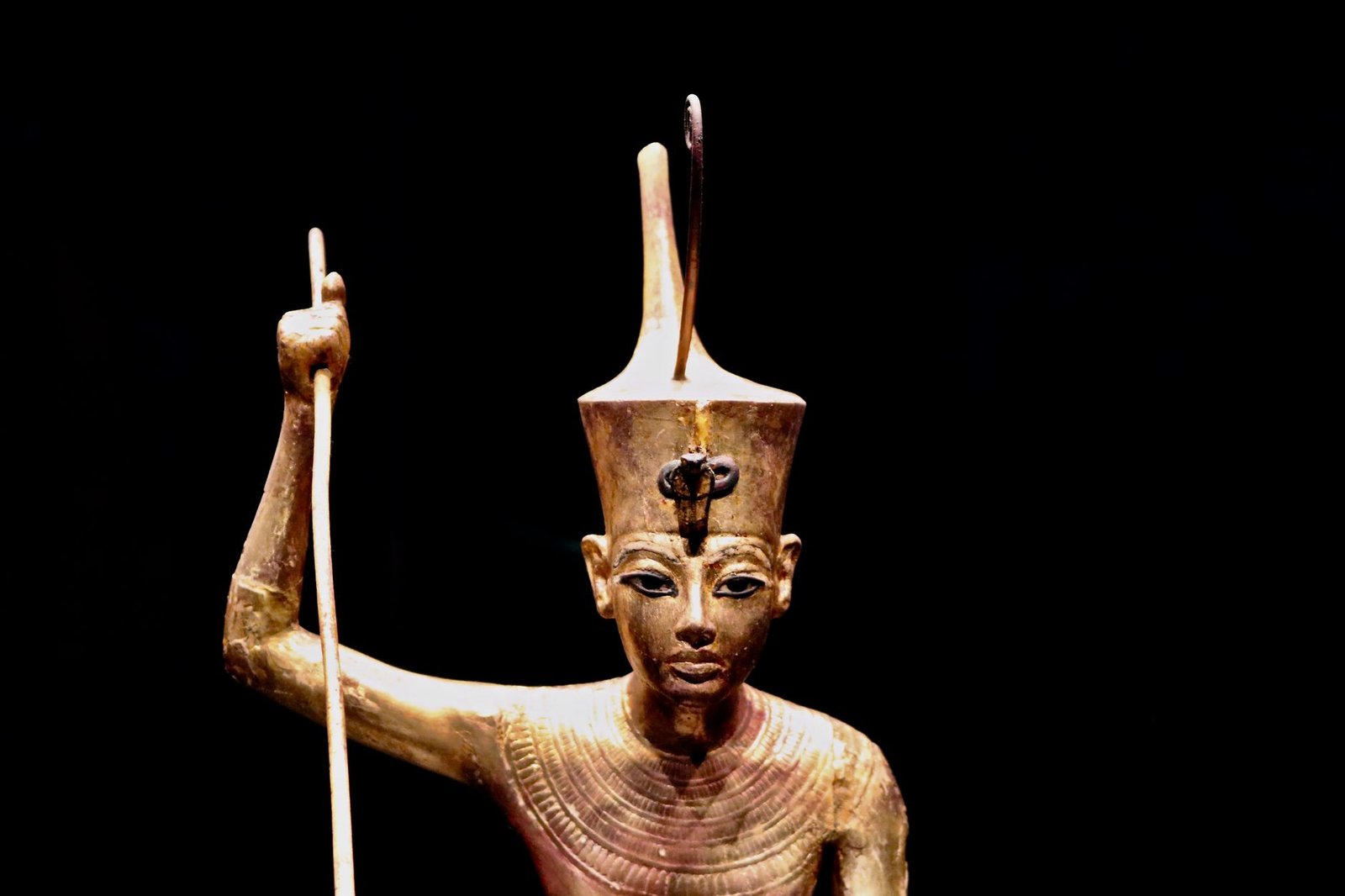
What Is the Double Crown of Egypt in Egyptian Mythology
The **double crown of Egypt** was the emblem of pharaonic rule over Upper and Lower Egypt, combining the white and red crowns into a single sign of unity, authority, and cosmic balance. In Egyptian mythology, it also reflected the king’s sacred duty to preserve *ma’at*—yet its deeper origins and symbolism reveal far more than a royal headdress.