ancient Egyptian religion
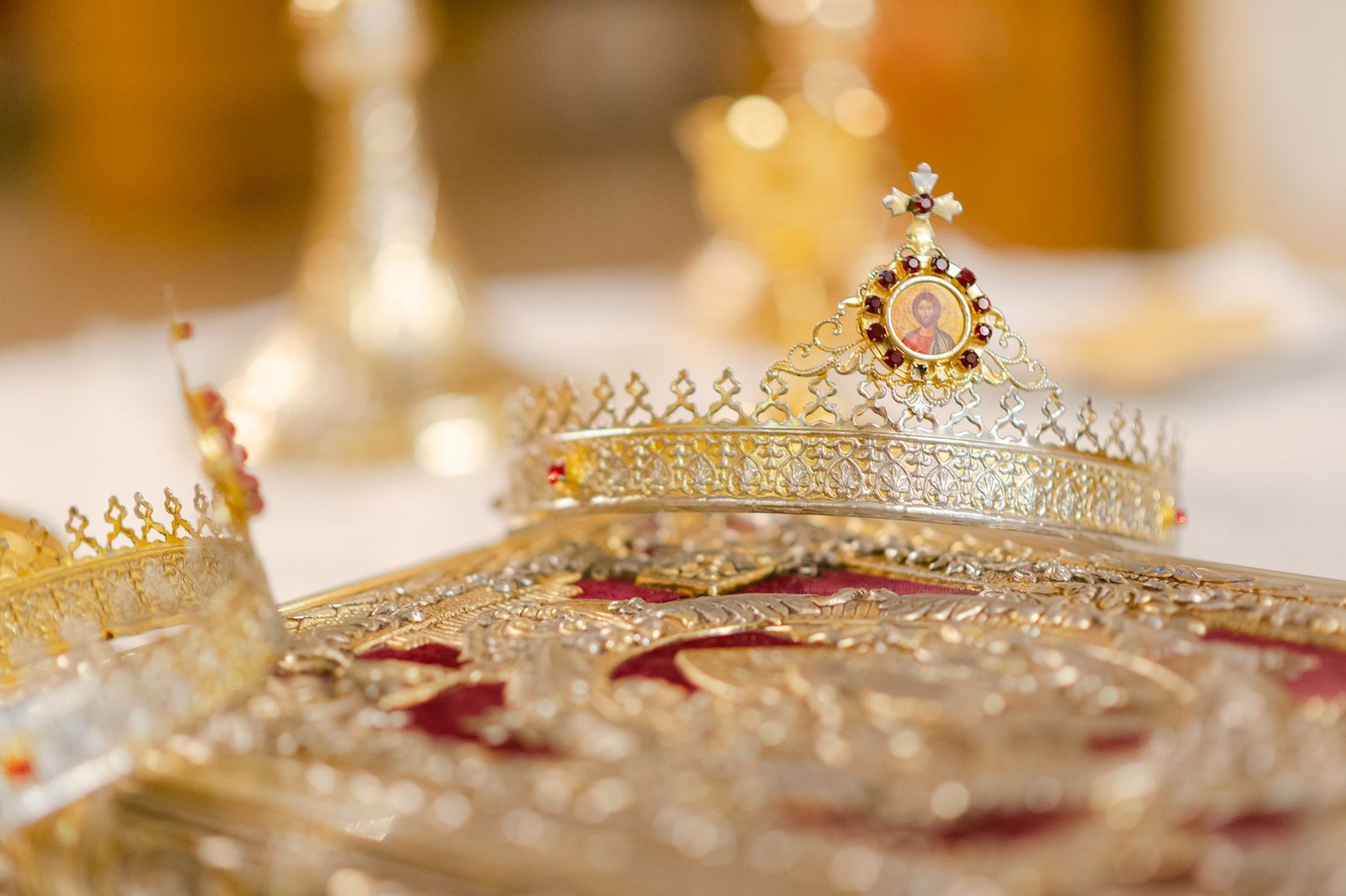
What Is the Atef Crown in Egyptian Mythology?
The Atef crown is a distinctive headdress in Egyptian mythology, most closely associated with Osiris and the themes of afterlife, kingship, and resurrection. This article explains its symbolic components, historical development, and appearance in temple and tomb art, revealing why it became such a powerful sign of divine authority and renewal.
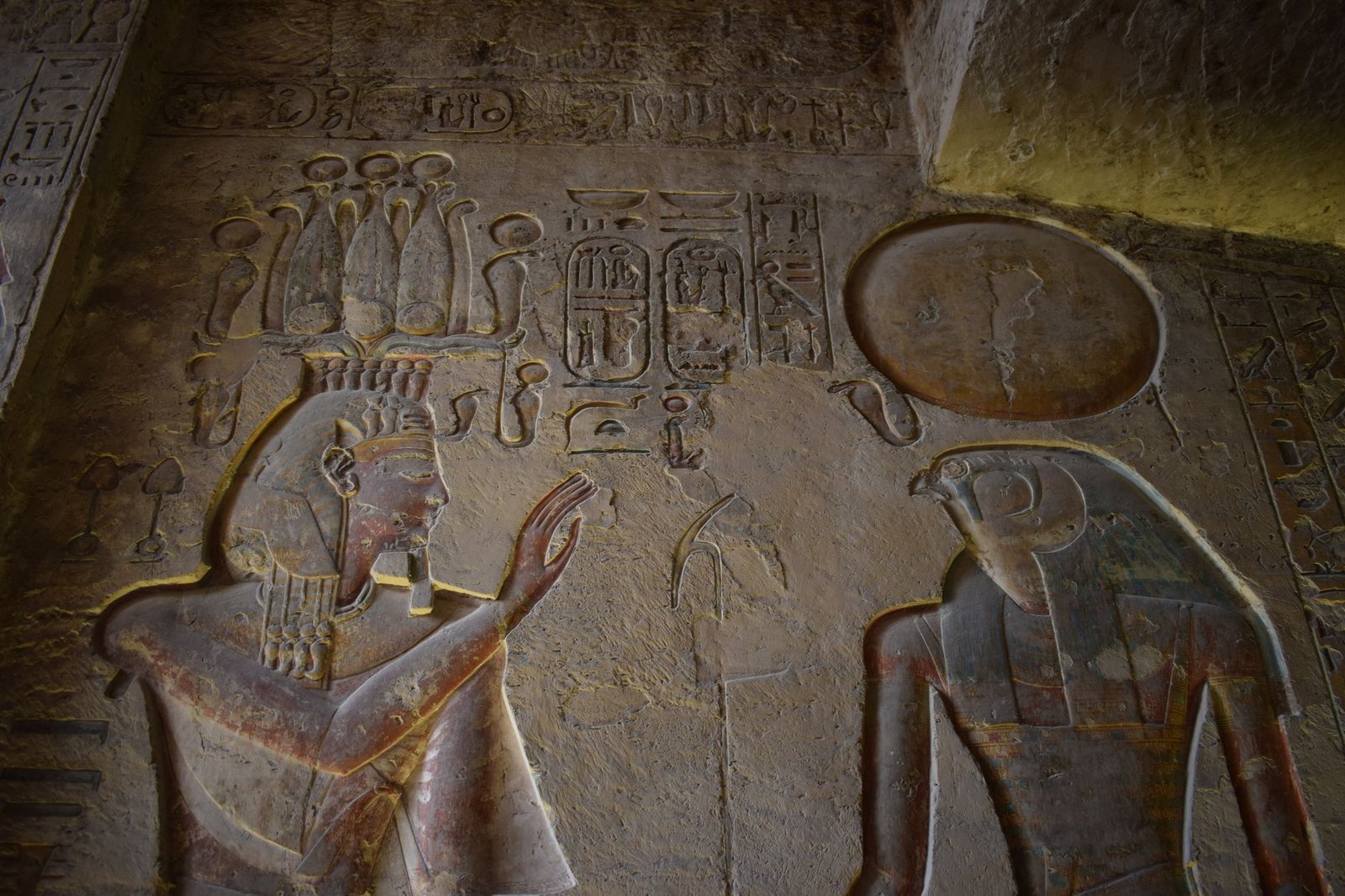
What Is the Uraeus in Egyptian Mythology?
The uraeus in Egyptian mythology is the rearing cobra emblem associated with divine authority, royal protection, and the power to repel enemies, most often linked to the goddess Wadjet and the pharaoh’s crown. Its long history in art and ritual reveals how one small image came to express legitimacy, sacred power, and the close bond between rulers and the gods.
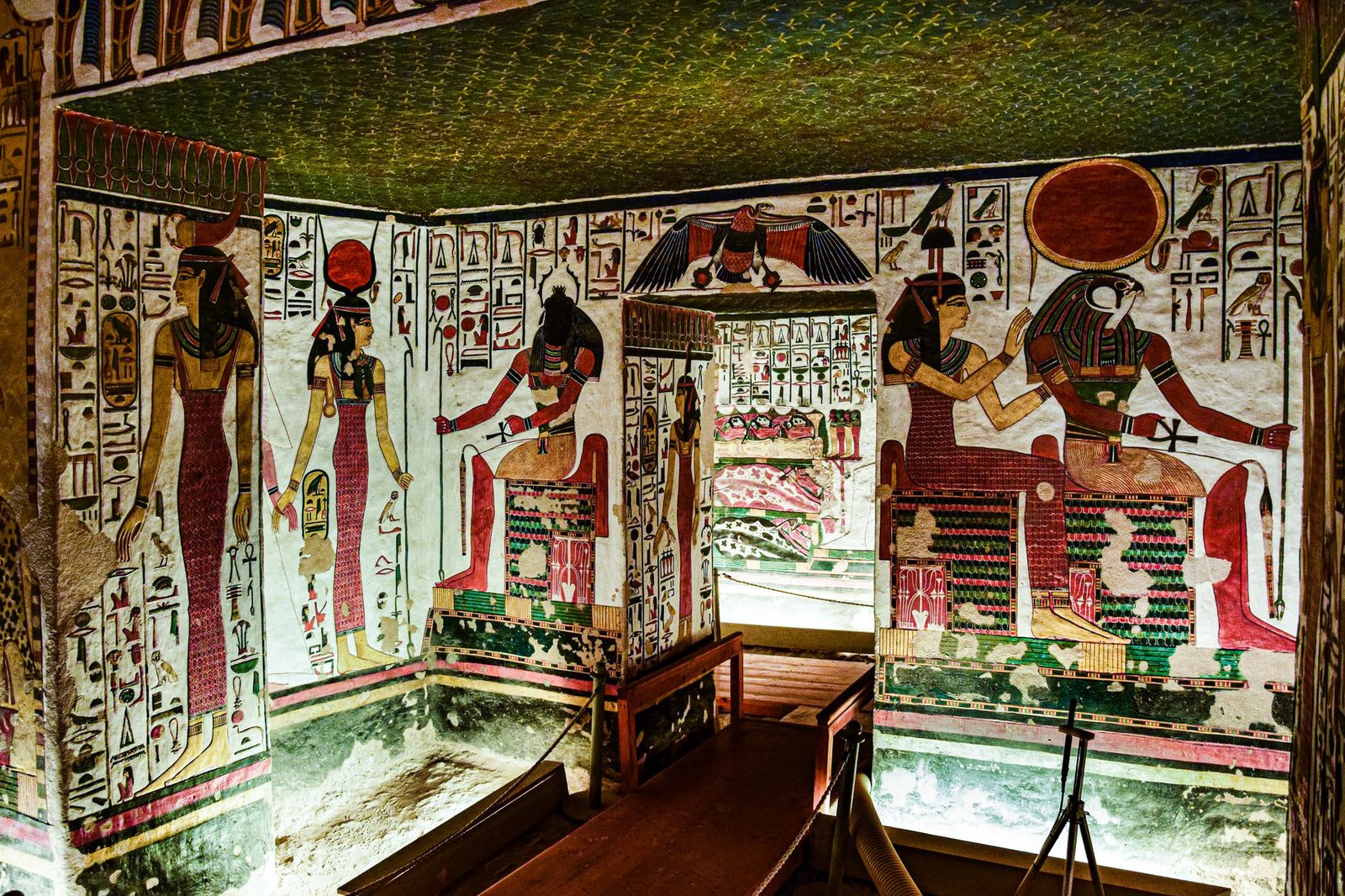
What Is the Djed Pillar in Egyptian Mythology?
The **Djed pillar** is a central symbol in Egyptian mythology, closely linked to Osiris and the ideas of stability, endurance, and renewal. This brief overview explores its uncertain origins, ritual uses, and deeper meaning in funerary belief, revealing why the emblem remained vital to ancient Egyptian religious life.

What Does the Was Scepter Symbolize in Egyptian Mythology?
The **was scepter** is a central emblem in Egyptian mythology, symbolizing power, dominion, divine authority, and the ordered rule that sustains both kingship and the cosmos. Found in the hands of gods, pharaohs, and priests, it raises deeper questions about how ancient Egyptians linked legitimacy, strength, and sacred authority.
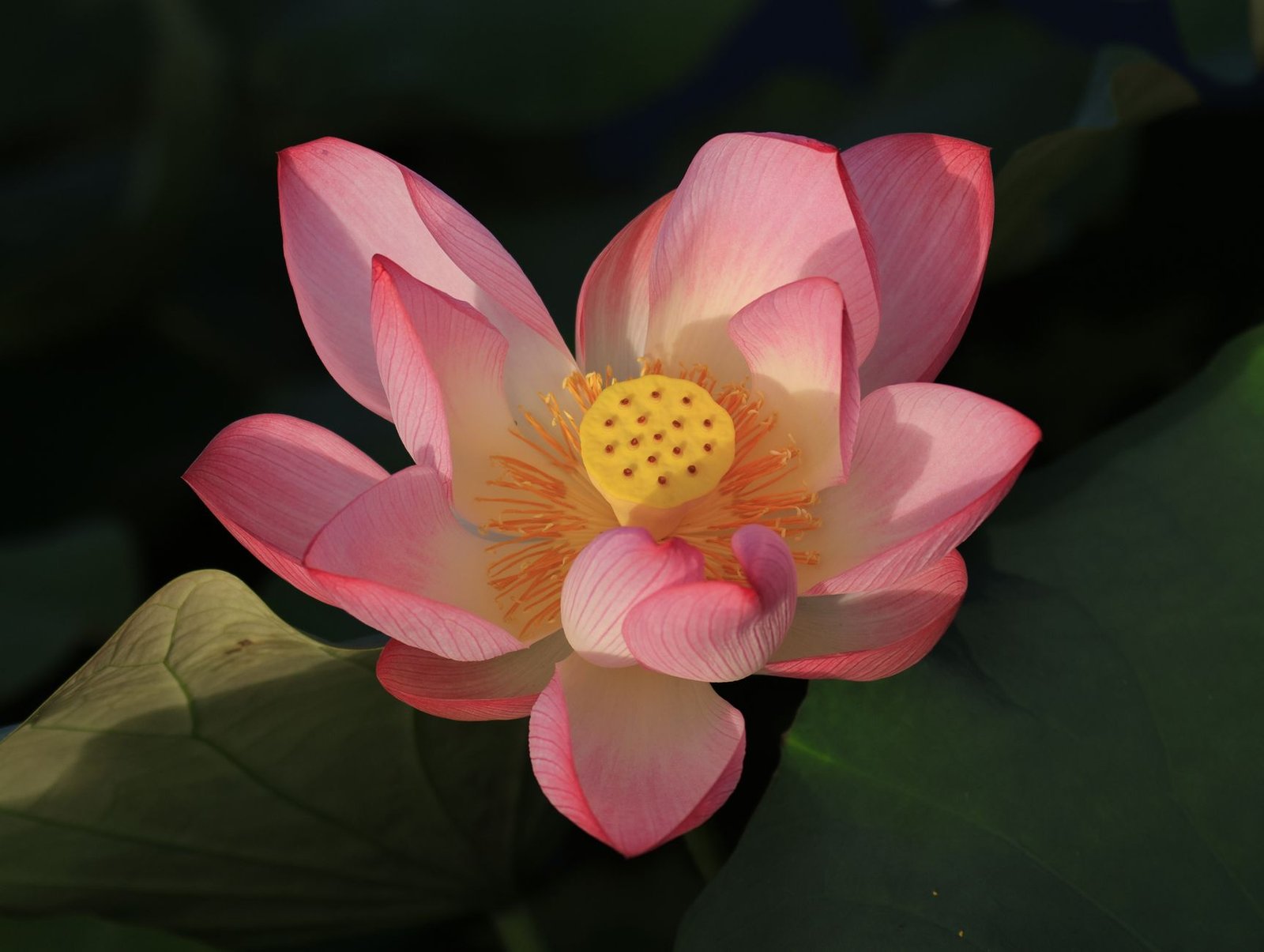
Lotus Flower Symbolism in Egyptian Mythology Explained
In Egyptian mythology, the lotus flower symbolizes creation, rebirth, the sun, purity, and the renewal of life, its daily opening and closing making it a potent image of cosmic order. To understand what does the lotus flower symbolize in Egyptian mythology, one must trace its role from the primeval waters of chaos to temple art, funerary rites, and royal imagery.
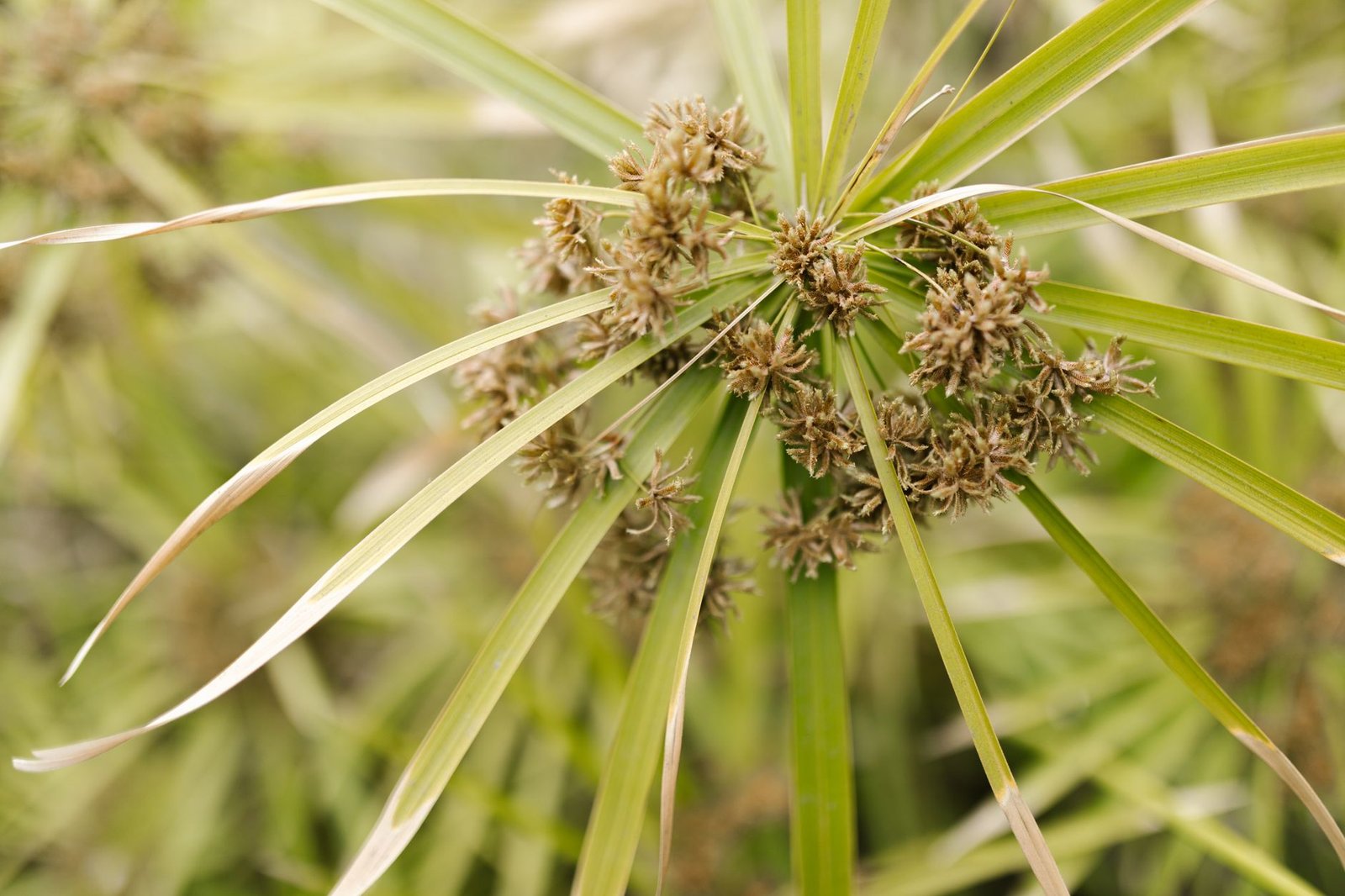
Papyrus Plant Symbolism in Egyptian Mythology Explained
The papyrus plant in Egyptian mythology symbolizes Lower Egypt, fertile marshlands, renewal, and the ordered world emerging from primordial waters, making it a powerful emblem of creation and rebirth. To understand what does the papyrus plant symbolize in Egyptian mythology, readers must consider its roles in religious art, kingship, and the balance between nature and cosmic order.
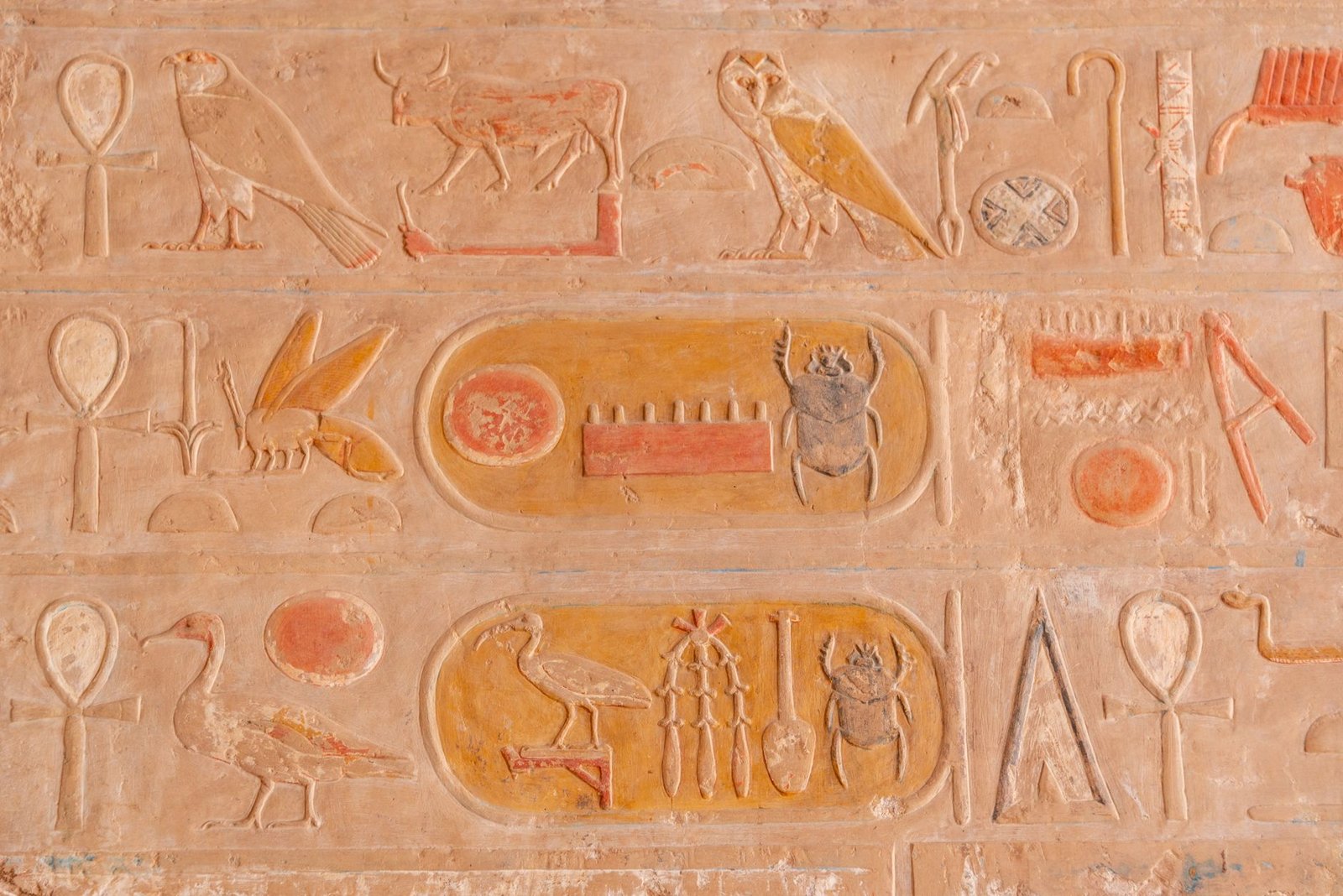
What Does the Sedge Plant Symbolize in Egyptian Mythology?
In Egyptian mythology, the sedge plant symbolizes Upper Egypt, kingship, and the king’s rightful authority, appearing most famously beside the bee in the emblem of unified rule. This article explores how such a simple plant became a powerful sign of political legitimacy, order, and the sacred geography of ancient Egypt.

Winged Sun Disk in Egyptian Mythology: Meaning and Symbolism
The winged sun disk is a major symbol in Egyptian mythology, combining the solar disk, outspread wings, and often protective serpents to express divine power, kingship, and cosmic order. Closely associated with Horus and Ra, it appears across temples, monuments, and sacred objects, revealing how one image could carry layered religious meaning.
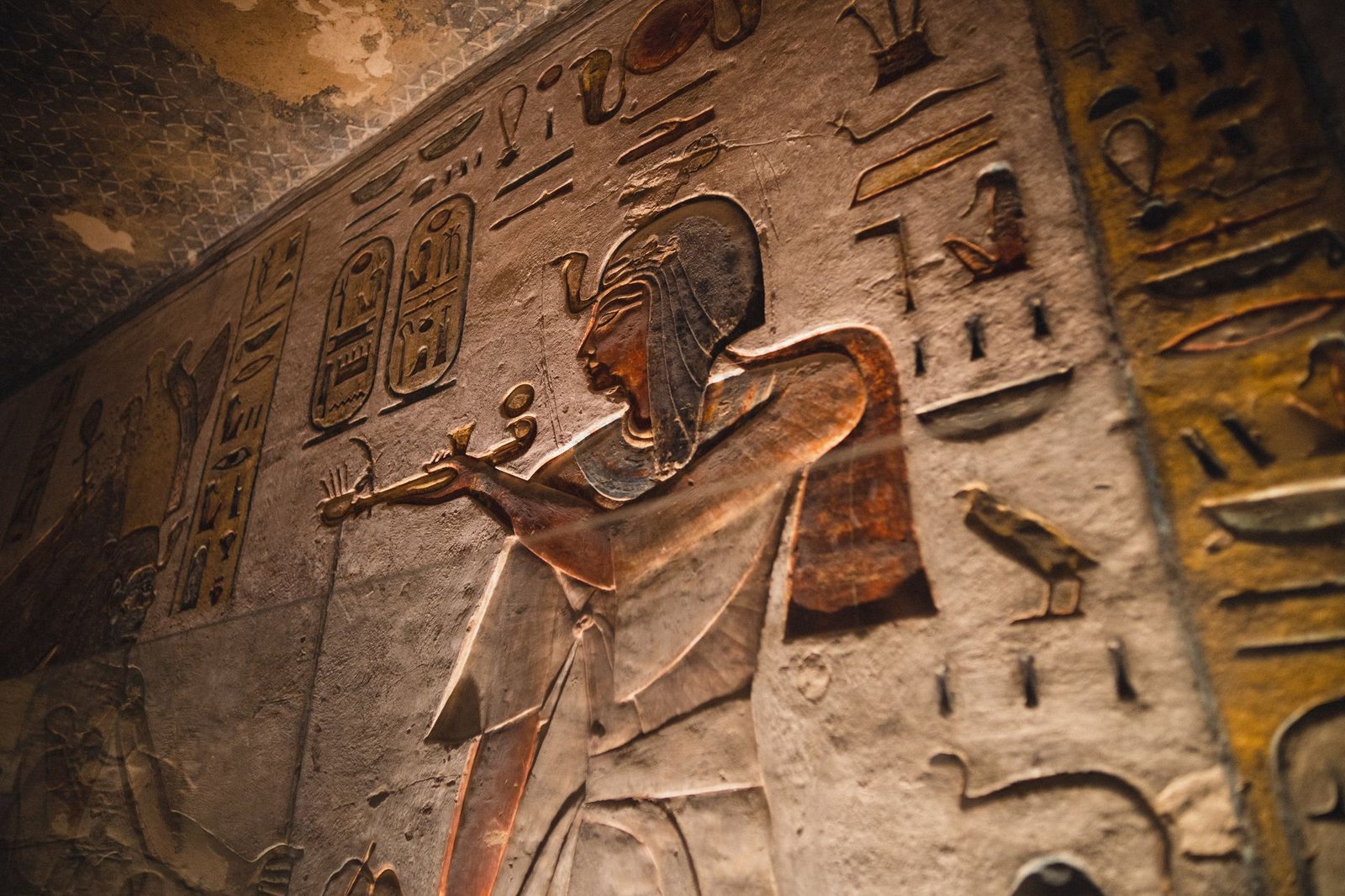
What Is the Ba in Egyptian Mythology? Definition and Meaning
The ba in Egyptian mythology was a vital aspect of identity, often translated as “soul” but better understood as a mobile force that linked a person to life, death, and the afterlife. Its role in funerary texts, temple belief, and ancient symbolism reveals a far more complex view of the self than modern readers might expect.
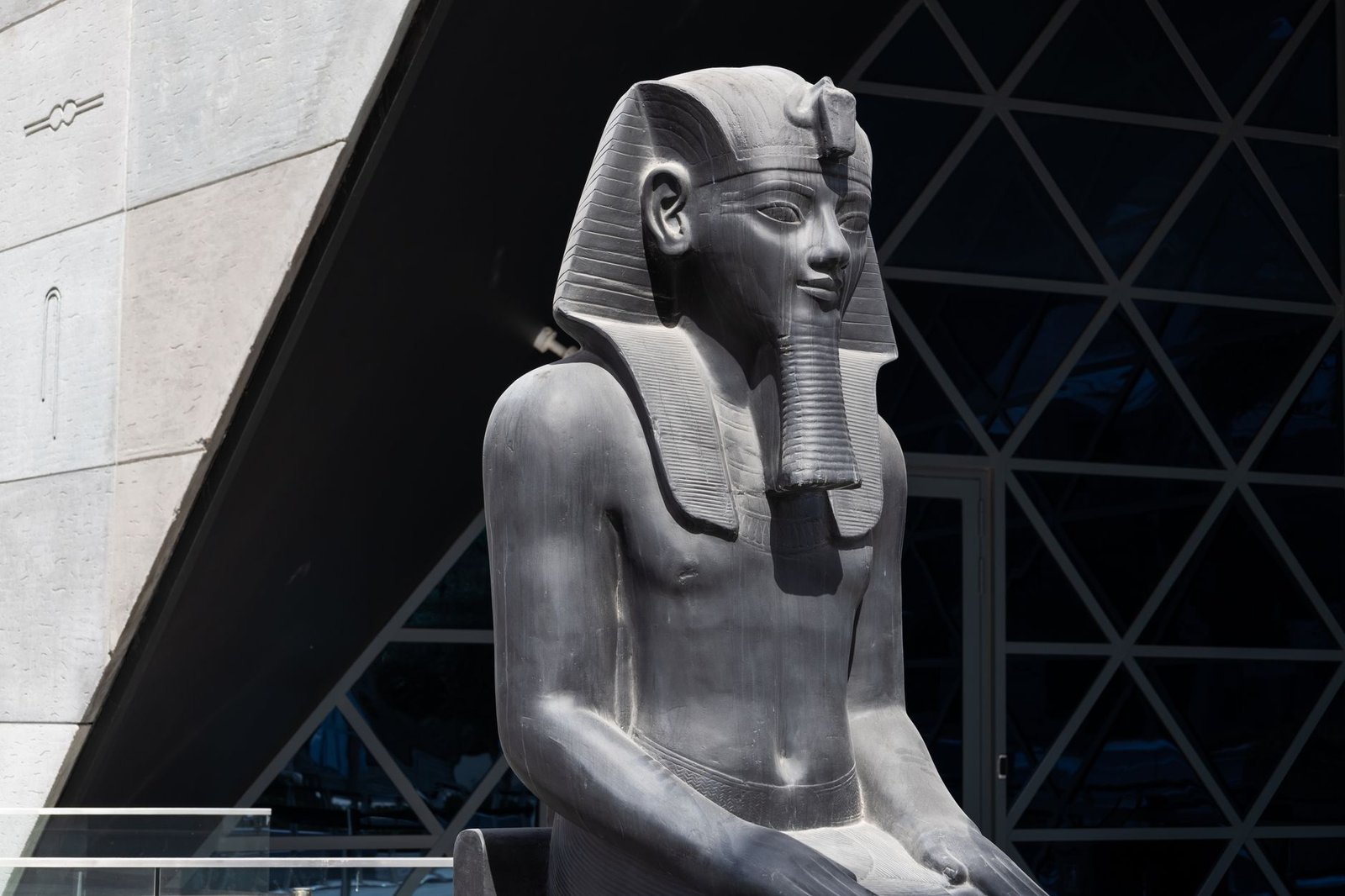
What Is the Ka in Egyptian Mythology?
In Egyptian mythology, the ka was the vital force or spiritual double that gave a person life and endured after death, making it central to ideas of identity, offerings, and the afterlife. Exploring the ka reveals how ancient Egyptians understood human beings as complex spiritual wholes and why funerary ritual mattered so deeply.