What Does the Lotus Flower Symbolize in Egyptian Mythology?
Introduction
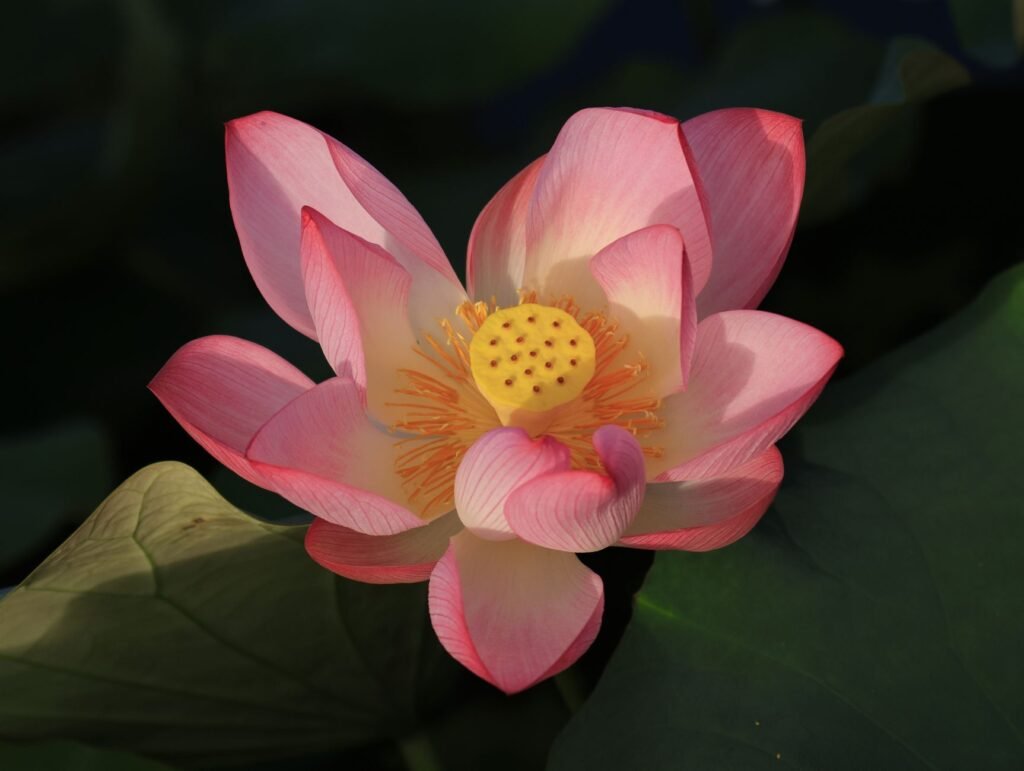
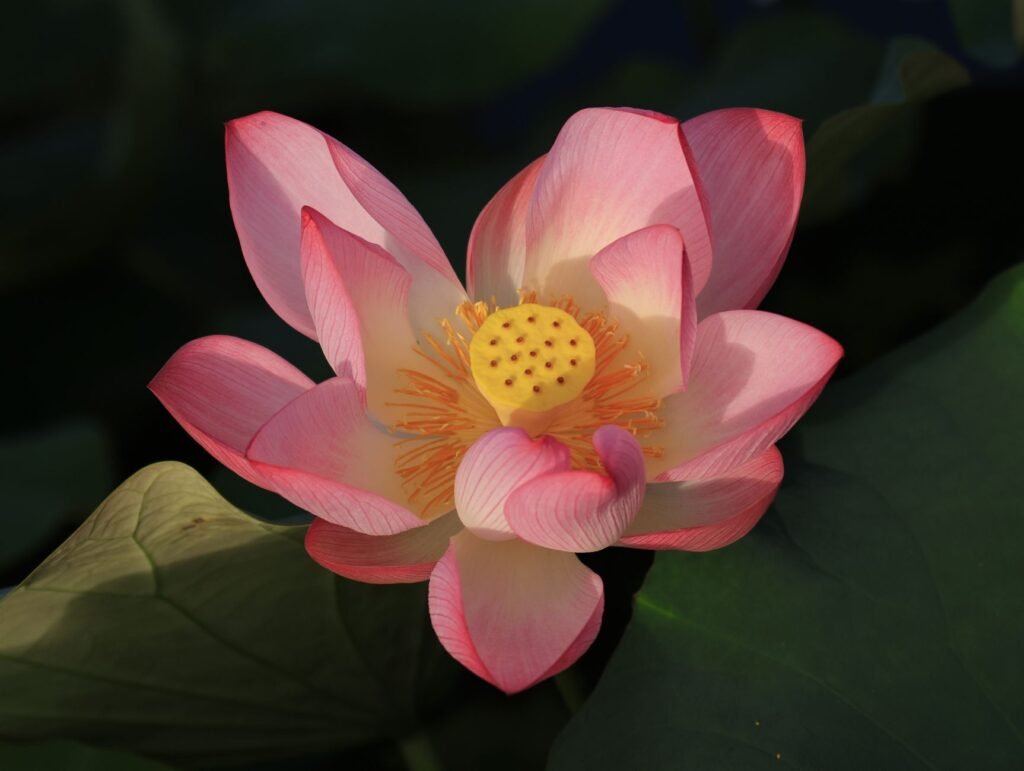
The lotus flower is one of the most enduring symbols of ancient Egypt. In Egyptian mythology, it was associated with creation, rebirth, the sun, purity, and the cyclical renewal of life. Because the flower opens in daylight and closes at night, ancient Egyptians saw in it a powerful image of cosmic order and regeneration. It appeared in religious texts, temple art, funerary objects, and royal iconography, making it a central emblem in both mythology and daily life.
When people ask what does the lotus flower symbolize in Egyptian mythology, the answer is not a single idea but a network of meanings. The lotus could represent the primeval mound emerging from the waters of chaos, the birth of the sun god, the promise of resurrection, and the harmony of Upper and Lower Egypt. Different species of Egyptian lotus were used symbolically, and some meanings varied by region and period.
Origin and Meaning
The modern English word lotus comes through Greek and Latin usage from older terms applied broadly to water plants. In ancient Egypt, however, the flower was not understood through a single universal label in the modern sense. Egyptian art and texts distinguished between different flowering plants, especially the blue lotus (Nymphaea caerulea) and the white lotus (Nymphaea lotus), both of which were important in symbolism.
The historical origin of lotus symbolism in Egypt is very old. Archaeological and artistic evidence shows lotus motifs from the Predynastic and Early Dynastic periods, and the symbolism continued for millennia. In religious thought, the flower’s daily opening and closing made it an ideal image for:
- rebirth after darkness
- solar renewal
- emergence from the waters of Nun, the primordial ocean
- the continuity of life after death
Because of these associations, the lotus became one of the most recognizable sacred plants in Egyptian culture.
Historical Context
Egyptian religion was deeply shaped by the Nile environment. Seasonal flooding deposited rich silt, created fertile land, and then receded, leaving the impression of life emerging from water. The lotus, a water plant that rises from muddy conditions and blooms into striking beauty, fit naturally into this worldview.
The symbolic importance of the lotus developed within several overlapping contexts:
- Cosmology: The flower evoked the first emergence of land and life from the watery chaos before creation.
- Solar theology: Its opening at sunrise linked it to the sun god Ra and to daily renewal.
- Funerary belief: The plant suggested resurrection and the soul’s rebirth in the afterlife.
- Royal ideology: Lotus imagery signaled legitimate rule, divine favor, and the unification of the realm.
Lotus motifs appear in temple decoration, tomb paintings, jewelry, pottery, papyrus scrolls, and stone carving. The plant was not merely decorative; it was part of a religious language that Egyptians used to express order, life, and transcendence.
Main Characteristics
The lotus in Egyptian mythology is identified less by botanical precision than by symbolic behavior and visual appearance. The plant’s most important characteristics include its ability to bloom beautifully on the water, its daily cycle of opening and closing, and its association with perfume, color, and regeneration.
Key symbolic traits
- Emergence from water: A sign of creation and the first dawn.
- Daily cycle: Opening with sunlight and closing at night symbolized the sun’s journey.
- Fragrance and beauty: These qualities linked the lotus to divine presence and ritual purity.
- Renewal: The plant suggested resurrection and the persistence of life.
- Sacred centrality: The lotus often appears as a throne, altar, offering, or birth platform in mythological scenes.
Common symbolic interpretations
| Feature of the lotus | Mythological meaning |
|---|---|
| Blooms on water | Creation from primordial chaos |
| Opens in daylight | Solar awakening, life, illumination |
| Closes at night | Death, rest, hidden renewal |
| Emerges from mud | Purity arising from disorder |
| Bright color and fragrance | Divinity, beauty, sacredness |
Family and Genealogy
The lotus is not a deity in the strict genealogical sense, so it does not have parents, spouses, or children in the way gods do. However, in mythological imagery it can be linked to divine “birth” narratives.
In several creation traditions, the lotus is connected to the birth of the sun god. One important motif describes a lotus rising from the primeval waters and opening to reveal a divine child or the solar disc. In some versions, the god Nefertum is linked closely to the lotus, especially the blue lotus. Nefertum was associated with fragrance, beauty, and healing, and is often shown with a lotus on his head or emerging from a lotus flower.
Myths of divine association
- Ra and the lotus: The sun emerges from the lotus, or the lotus bears the solar child.
- Nefertum and the lotus: The god is closely identified with the flower’s beauty and scent.
- Creation imagery: The lotus may stand in for the first divine emergence before the structured world exists.
Because Egyptian mythological traditions were never fully standardized, these relationships differ across texts, regions, and periods.
Symbols
The lotus carried multiple sacred meanings in ancient Egypt. It was often used alongside other symbols to express complex ideas about kingship, creation, and the afterlife.
Main symbolic associations
- The sun: Especially Ra, solar rebirth, and daylight.
- Creation: The first act of emergence from the waters of Nun.
- Purity: Rising from mud yet blooming clean and radiant.
- Resurrection: Life after death and the renewal of the soul.
- Upper Egypt: In some artistic conventions, the lotus was associated with the south and with the unification of the land.
Related objects and visual forms
- Lotus buds and blossoms in temple and tomb reliefs
- Lotus columns in architecture, whose capitals imitate the flower
- Lotus garlands in funerary and ceremonial contexts
- Lotus thrones or lotus pedestals in divine and royal imagery
In Egyptian iconography, the lotus frequently appears with the papyrus, another important plant. Together they could symbolize the duality and balance of Egypt’s lands and the unity of the kingdom.
Sacred Animals
The lotus itself is a plant, not an animal, but it appears in symbolic relationships with sacred animals in Egyptian mythology.
Associated animals and their meanings
- Scarabs: Linked to the sun’s renewal and self-creation. Scarabs sometimes appear in contexts that also involve lotus imagery.
- Frogs: Associated with fertility, water, and rebirth; they share the lotus’s connection to life emerging from the watery realm.
- Geese and waterbirds: Often shown in marsh or aquatic settings where lotus plants grow, reinforcing fertility and abundance.
- Serpents: In some cosmological scenes, serpentine powers of chaos are contrasted with the ordered emergence of life symbolized by the lotus.
- Baboons: Linked to dawn and solar worship; they may complement lotus imagery in scenes of sunrise.
These associations are indirect rather than exclusive. No single sacred animal belongs uniquely to the lotus, but several creatures reinforce the same themes of emergence, fertility, and renewal.
Sacred Plants
The lotus was one of the most important sacred plants in Egypt, but it was not alone. It belonged to a wider botanical symbolism that included papyrus, sycamore fig, date palm, and mandrake.
Related sacred plants
| Plant | Symbolic importance |
|---|---|
| Lotus | Creation, sun, rebirth, purity |
| Papyrus | Lower Egypt, life, writing, fertility |
| Sycamore fig | Nourishment, protection, access to the divine |
| Date palm | Time, abundance, longevity |
| Mandrake and other fragrant plants | Ritual, healing, sensuality |
The lotus may be the most visually iconic of these plants. In many surviving artworks, the flower is held by gods, offered to the deceased, or used as a throne-like motif. Its sacred status was reinforced by scent, appearance, and seasonal behavior.
Sacred Places
The lotus was not tied to only one temple or city, but it appears in major religious centers across Egypt. Its presence in architecture and ritual art suggests broad sacred relevance.
Important locations associated with lotus symbolism
- Heliopolis: A major center of solar theology, where the lotus was especially fitting as a symbol of the sun’s birth.
- Thebes: Temple and tomb art from Thebes frequently use lotus motifs in religious and funerary settings.
- Memphis: Important for creation theology and divine craftsmanship, where floral symbolism could express renewal and order.
- Abydos: A major funerary and cultic center, where the lotus’s resurrection meaning was highly appropriate.
- Nile marshes: The natural environment itself, especially the delta and river margins, provided the landscape from which lotus symbolism drew its power.
Temples often used lotus columns and floral decoration to create a symbolic sacred landscape. In this way, architecture itself became an image of divine emergence.
Powers and Attributes
The lotus does not possess powers in the way a god does, but it embodies and communicates divine forces. Its attributes are essentially symbolic powers.
Main domains of influence
- Creation: Representing the first appearance of life.
- Renewal: Associated with daily and seasonal cycles.
- Resurrection: Connected to funerary beliefs and eternal life.
- Solar energy: Tied to the sun’s movement and rebirth.
- Purity and divine order: Suggesting harmony rising from chaos.
What the lotus “does” mythologically
- Marks the moment of creation
- Reveals divine light
- Supports images of birth and rebirth
- Bridges the worlds of water, earth, and sky
- Expresses the transformation of death into continued existence
The lotus is therefore both a plant and a visual theology. It gives form to abstract ideas central to Egyptian religion.
Main Myths
Several myths and theological themes explain the lotus’s importance.
The lotus and creation
A common creation idea describes a lotus rising from the primordial waters of Nun. When the flower opens, it reveals the sun god or the first divine being. This image makes the lotus a symbol of the world’s beginning.
The lotus and the sun
Because the flower opens in the morning and closes at night, it became a natural emblem of the sun’s daily cycle. Egyptians interpreted this behavior as a sign that life, light, and order are constantly renewed.
The lotus and rebirth
In funerary contexts, the lotus is often linked to resurrection. The deceased may be shown emerging from a lotus or holding one as a sign of renewed life in the afterworld. This does not mean the flower alone guaranteed salvation; rather, it participated in a larger system of beliefs about transformation after death.
The lotus and divine birth
Some later traditions, especially those connected with solar theology, imagine a divine child appearing from the lotus. The details differ among sources, but the theme is consistent: life arises from the sacred flower.
Relationship with Other Mythological Figures
The lotus is deeply connected to several important Egyptian deities and concepts.
Ra
Ra, the sun god, is the strongest divine association. The lotus’s opening at dawn mirrors the sun’s emergence. In some artistic and literary traditions, the sun god or a solar child arises from the lotus.
Nefertum
Nefertum is perhaps the deity most closely linked to the lotus. He is associated with fragrance, healing, beauty, and the first light of creation. He is often represented with lotus imagery or as emerging from a flower.
Atum
Atum, the creator god in Heliopolitan theology, is connected with creation from the primeval waters. Lotus symbolism aligns with his role in self-generation and cosmic beginnings, though the exact association varies across sources.
Osiris
Osiris is the chief god of resurrection and the afterlife. While not exclusively a lotus deity, he belongs to the same symbolic field of rebirth and renewed life.
Isis and Hathor
These goddesses are often connected to fertility, beauty, motherhood, and regeneration. In temple and tomb art, lotus motifs can appear in contexts related to them, though the connections are broader and not exclusive.
Worship and Cult
The lotus was not worshipped as a deity in its own right, but it played an important role in ritual practice and religious expression.
Ritual and ceremonial use
- Lotus flowers were used as offerings to gods and the dead.
- They appeared in funerary contexts, especially as symbols of rebirth.
- Floral garlands and bouquets may have been used in temple ceremonies and personal devotion.
- Lotus imagery decorated amulets, furniture, jewelry, and architectural elements.
Possible uses in lived religion
Ancient Egyptians also appreciated the flower aesthetically and sensorially. Its fragrance, beauty, and association with freshness likely made it attractive in everyday and ceremonial life. Some texts and scenes suggest that inhaling the scent of the lotus carried associations with pleasure, vitality, and sacred refreshment.
Caution on interpretation
Modern readers sometimes assume the lotus had a single fixed cult. In fact, its significance was diffuse and contextual. It functioned more as a sacred symbol woven into wider religious practice than as the center of an independent cult.
Ancient Sources
The lotus appears in a wide range of Egyptian sources, although not always in the same narrative form. Much of what is known comes from iconography and religious texts rather than a single definitive myth.
Egyptian primary sources and evidence
- Pyramid Texts: Early funerary inscriptions that contain creation and rebirth themes compatible with lotus symbolism.
- Coffin Texts: Middle Kingdom funerary texts that expand ideas of transformation and afterlife renewal.
- Book of the Dead: Later funerary compilations containing scenes of rebirth and solar transformation.
- Temple reliefs and inscriptions: Especially important for visual depictions of lotus motifs.
- Tomb paintings and objects: These provide abundant evidence of the flower’s ritual and symbolic roles.
Classical authors
Greek and Roman writers on Egypt sometimes mention plants, rituals, and beliefs, but they are secondary witnesses rather than direct transmitters of Egyptian theology. Authors such as Herodotus provide useful cultural observations, though not detailed mythographic accounts of the lotus’s religious meaning. Later classical writers may refer to Egyptian flora or solar symbolism, but the Egyptian visual and textual record remains the main source base.
Evidence and uncertainty
Because many Egyptian texts are fragmentary and symbolic, scholars sometimes disagree on whether a particular lotus scene refers to the sun’s birth, a resurrection motif, or a local cultic tradition. In several cases, the imagery is multivalent and supports more than one interpretation.
Roman Equivalent
There is no exact Roman equivalent to the Egyptian lotus as a mythological symbol. In Roman religion and art, flowers could also signify beauty, fertility, and renewal, but the theological role of the lotus was distinctively Egyptian.
Later Greco-Roman culture sometimes adapted Egyptian motifs into decorative and religious contexts. However, the Roman world did not preserve the lotus as a central sacred symbol with the same cosmological significance. It remained primarily an Egyptian emblem, though it influenced broader Mediterranean art and ornamentation.
Influence on Modern Culture
The lotus remains a powerful symbol in modern culture, and many of its meanings come directly from ancient Egyptian traditions.
Areas of influence
- Art and design: Egyptian-inspired lotus motifs appear in jewelry, tattoos, interior decoration, and graphic design.
- Architecture: Lotus capitals and floral columns are used in revival styles and museum reconstructions.
- Literature and spirituality: Modern works often use the lotus to represent rebirth, purity, and enlightenment.
- Film and television: Egypt-themed stories frequently include lotus imagery as visual shorthand for ancient sacredness.
- Games and fantasy media: The flower often appears as a magical or ceremonial symbol associated with ancient civilizations.
Modern interpretation
Today, the lotus is frequently generalized as a symbol of purity or spiritual awakening across many cultures. While that broader meaning is often valid in comparative terms, the Egyptian version is specifically rooted in creation, sunlight, and regeneration from the waters of chaos.
Curiosities
Lesser-known facts about the Egyptian lotus
- The ancient Egyptian lotus was not always the same as the lotus used in other Asian traditions.
- The flower’s daily opening and closing were central to its symbolic power.
- Lotus motifs appear not only in religious art but also in everyday objects such as furniture and jewelry.
- In some scenes, lotus flowers are held to the nose, suggesting fragrance, pleasure, and perhaps ritualized breath or refreshment.
- The lotus could symbolize both birth and afterlife rebirth, showing how Egyptian thought linked the beginning and continuation of life.
- Architectural lotus capitals helped make temples resemble a sacred marshland, turning nature into stone theology.
- The plant often appears together with papyrus as part of a symbolic pair representing balance and unity.
Frequently Asked Questions
1. What does the lotus flower symbolize in Egyptian mythology?
It symbolizes creation, rebirth, the sun, purity, and the emergence of life from primordial waters.
2. Why was the lotus important to the ancient Egyptians?
Because its daily blooming pattern and aquatic growth made it a strong symbol of the sun’s renewal, divine birth, and resurrection.
3. Is the lotus linked to any Egyptian god?
Yes. It is especially associated with Ra and Nefertum, and more broadly with solar and creation deities.
4. Does the lotus represent life after death?
Yes. In funerary art and texts, the lotus often represents rebirth, transformation, and continued existence in the afterlife.
5. Were there different kinds of lotus in ancient Egypt?
Yes. The blue lotus and white lotus are the most commonly discussed species in Egyptological scholarship, and both had symbolic importance.
6. Was the lotus a god or a plant?
It was a plant, but in myth and art it functioned as a sacred symbol with divine associations.
7. Why is the lotus often shown with the sun?
Because its opening at dawn parallels the sun’s rising, making it a natural emblem of solar creation and renewal.
8. Is all lotus symbolism in Egypt the same across all periods?
No. Meanings varied somewhat by region, period, and context, although creation and rebirth remained central themes.
Conclusion
In Egyptian mythology, the lotus flower symbolizes far more than beauty. It is a profound emblem of creation, solar rebirth, purity, and resurrection. Its natural behavior—rising from water, opening with the light, and closing in darkness—made it an ideal image for the Egyptian understanding of life’s cycles and the structure of the cosmos.
The lotus appears in creation theology, funerary belief, temple art, and royal symbolism, linking the human world to divine order. While different traditions emphasize different aspects of its meaning, the core idea remains consistent: the lotus represents life emerging triumphantly from chaos. Its legacy continues today as one of the most recognizable and meaningful symbols of ancient Egypt.

Orin Vale has spent the better part of two decades tracing the threads that connect the world’s oldest stories — from the halls of Asgard to the banks of the Nile, from Olympus to the jungles of the Maya. What began as a childhood fascination with flood myths and trickster gods grew into years of independent study across comparative mythology and ancient religion, always chasing the same question: what did these stories mean to the people who first told them? Orin writes for readers who want more than trivia — the ones looking for the beliefs, fears, and truths that myths were built to carry.