temple art
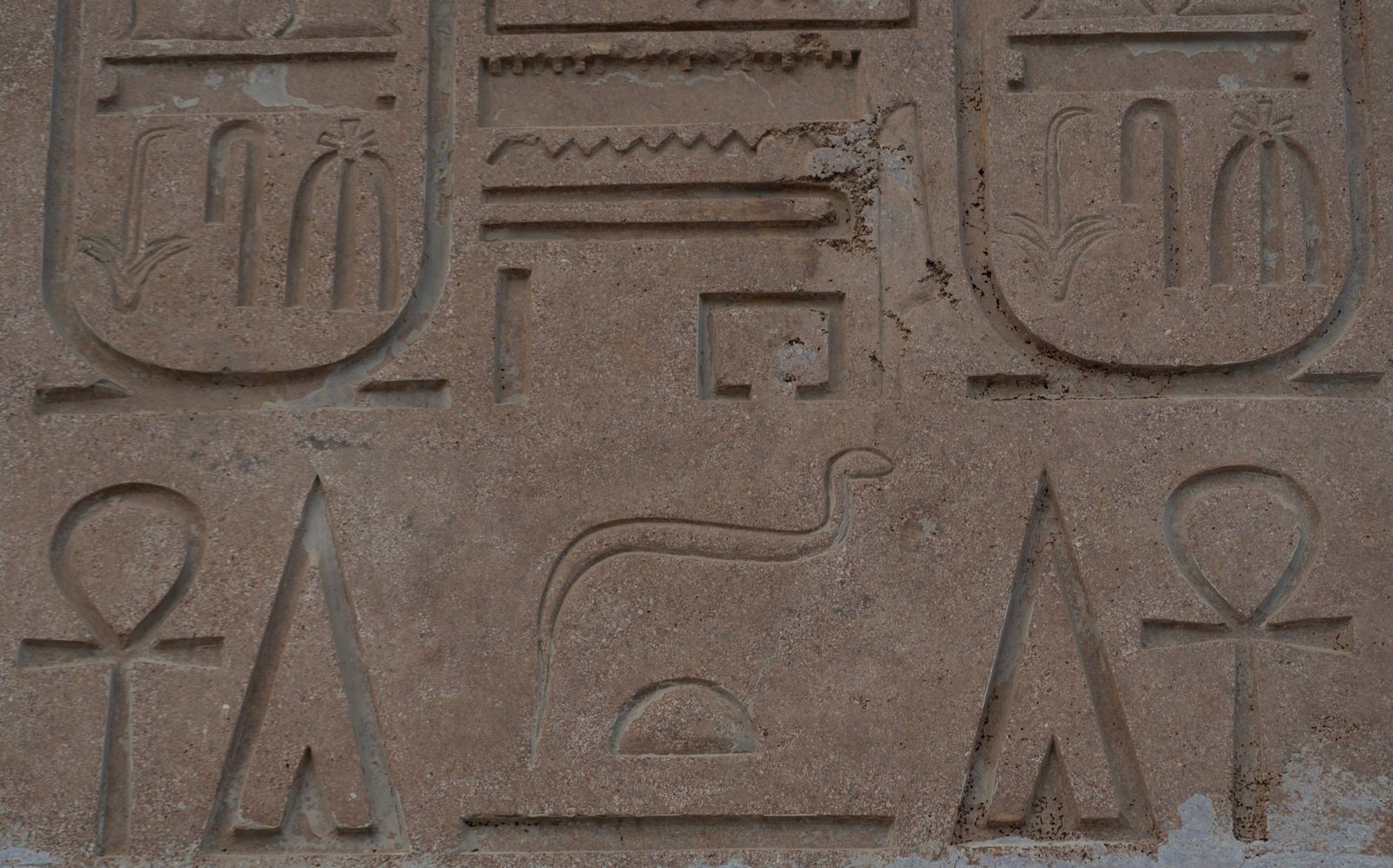
What Does the Ankh Mean in Egyptian Mythology?
The **ankh** is one of ancient Egypt’s most enduring symbols, and in Egyptian mythology it represents life, divine power, and the promise of existence beyond death. This article explores its religious meaning, its use in temple and tomb imagery, and the ways the “key of life” came to embody rebirth, authority, and immortality.
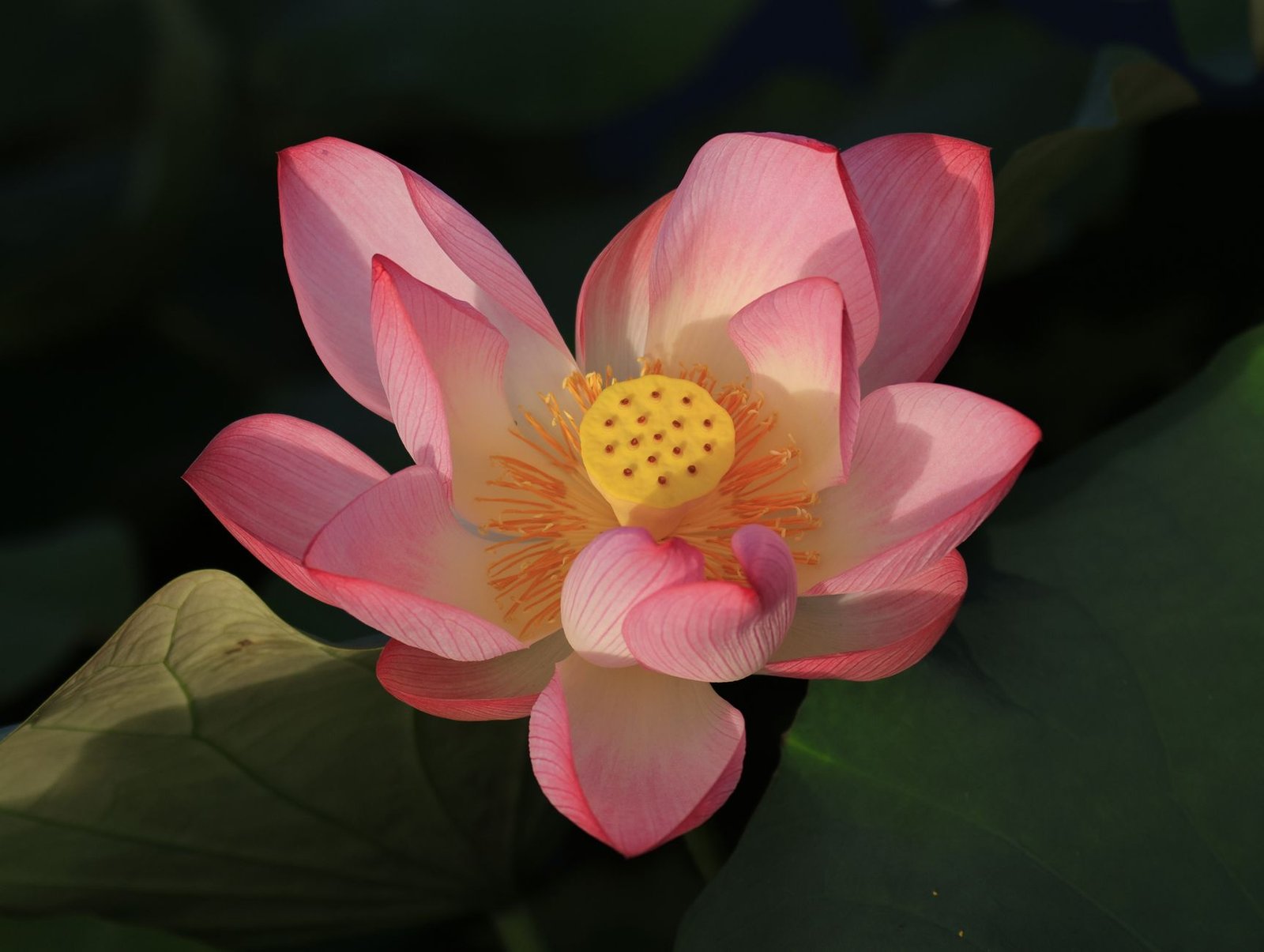
Lotus Flower Symbolism in Egyptian Mythology Explained
In Egyptian mythology, the lotus flower symbolizes creation, rebirth, the sun, purity, and the renewal of life, its daily opening and closing making it a potent image of cosmic order. To understand what does the lotus flower symbolize in Egyptian mythology, one must trace its role from the primeval waters of chaos to temple art, funerary rites, and royal imagery.
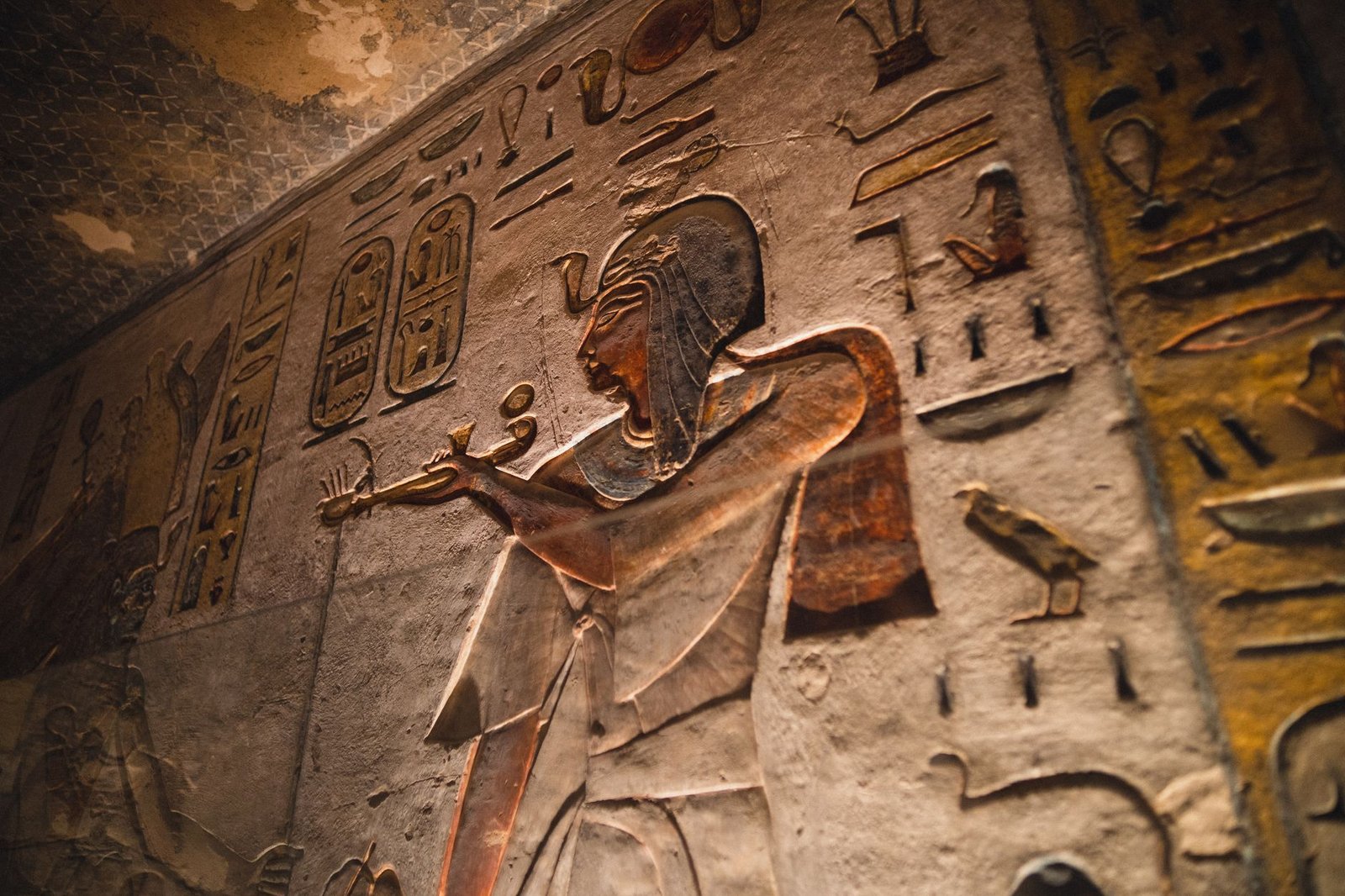
Why Do Egyptian Gods Have Animal Heads? Explained
Why do Egyptian gods have animal heads? Ancient Egyptian religion used animal-headed forms to express divine powers, natural forces, and ideal qualities through symbols drawn from everyday life and the Nile world. This article explains how these images developed, what animals like falcons and jackals represented, and why they remain central to understanding Egyptian beliefs.