ancient Egyptian religion
Menat Necklace in Egyptian Mythology: Meaning and Symbolism
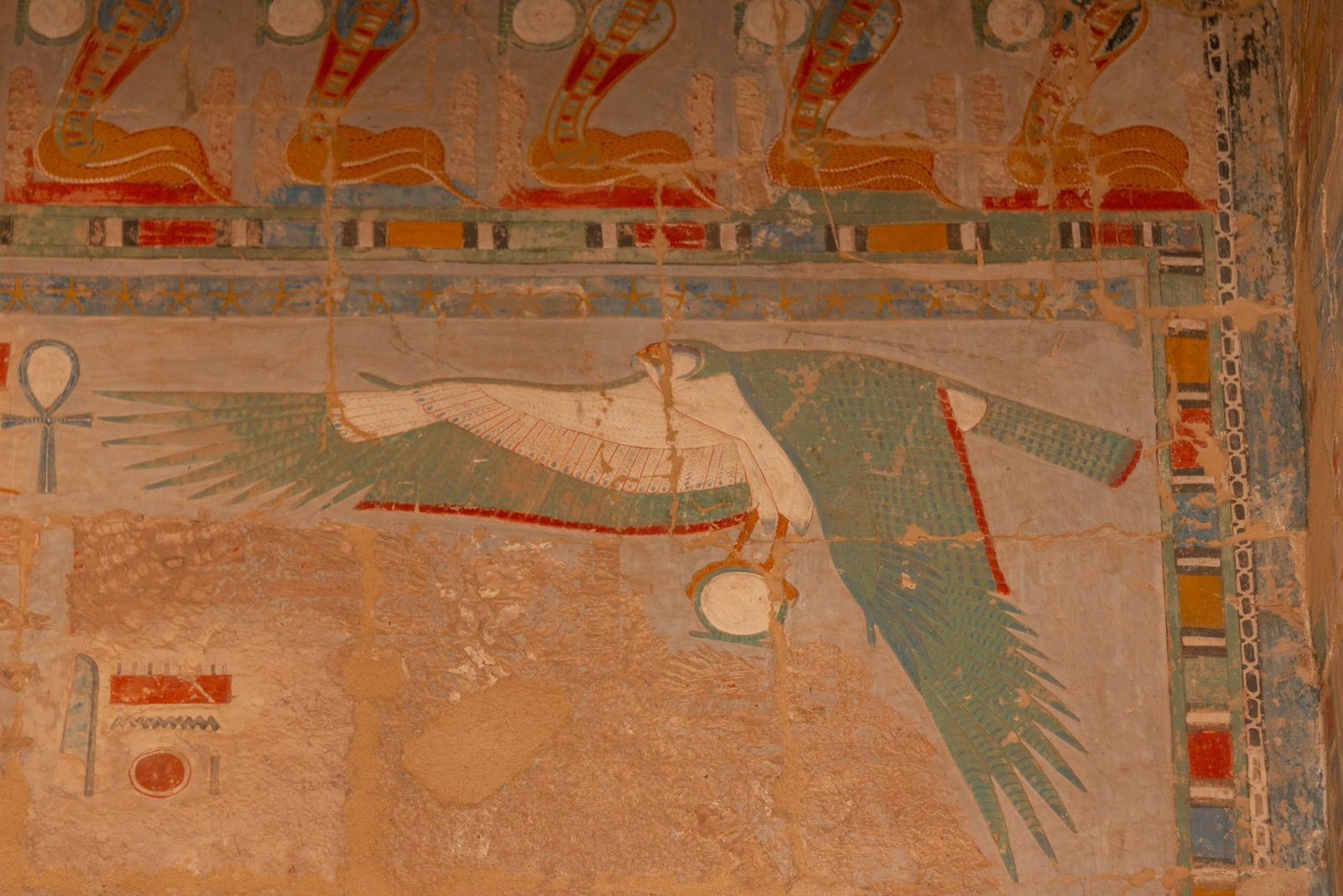
The menat necklace in Egyptian mythology was far more than ornament: it was a sacred ritual object linked to Hathor, Isis, fertility, protection, and divine nourishment. This excerpt explores its origins, symbolic meanings, and ceremonial uses, revealing why the menat remains essential to understanding ancient Egyptian religion.
What Is the Sistrum in Egyptian Mythology?
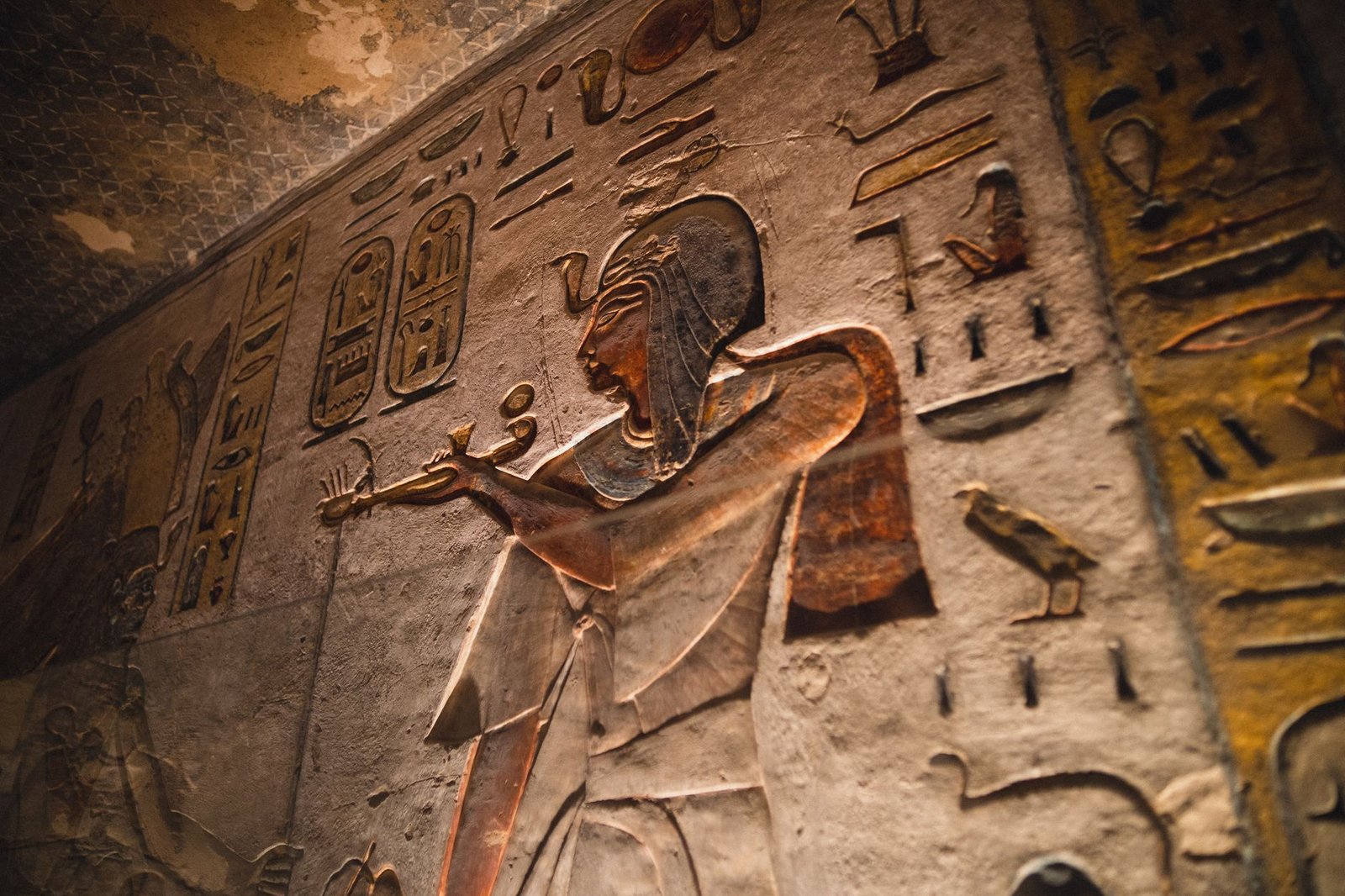
The sistrum in Egyptian mythology was a sacred rattle used in temple rituals, processions, and ceremonies, especially in honor of Hathor and later Isis. More than a musical instrument, it symbolized the power of sound to delight deities, protect against harmful forces, and sustain sacred order, revealing why it appears so often in Egyptian art and ritual scenes.
Who Is Atum in Egyptian Mythology? Origin and Meaning
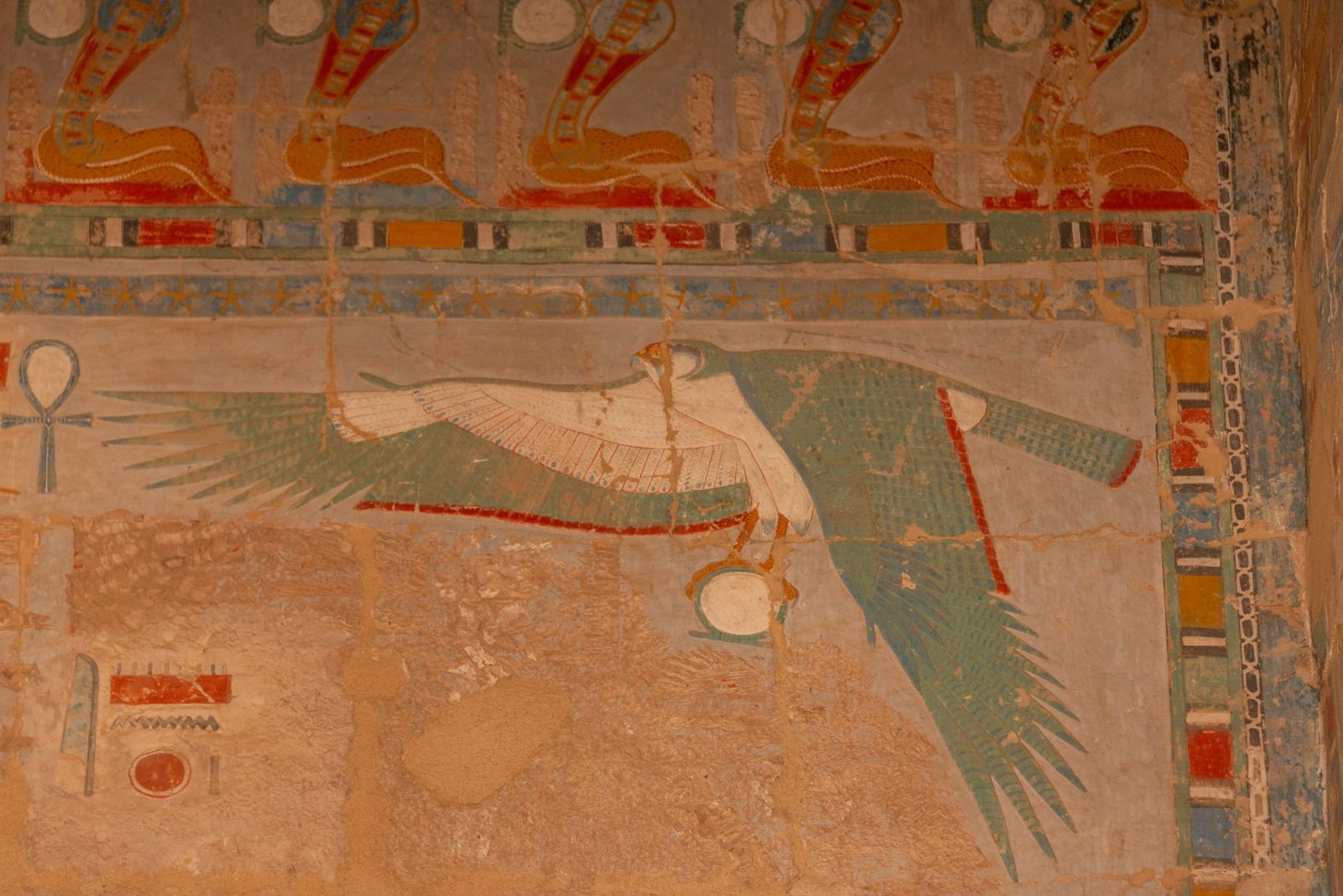
Atum in Egyptian mythology is the self-created creator god who emerged from the primeval waters of Nun, embodying completeness, order, and the first act of creation. Closely tied to Heliopolis and the setting sun, he anchors major Egyptian creation traditions and reveals how ancient theologians understood the origins of the cosmos.
Who Is Ra in Egyptian Mythology? Sun God Explained
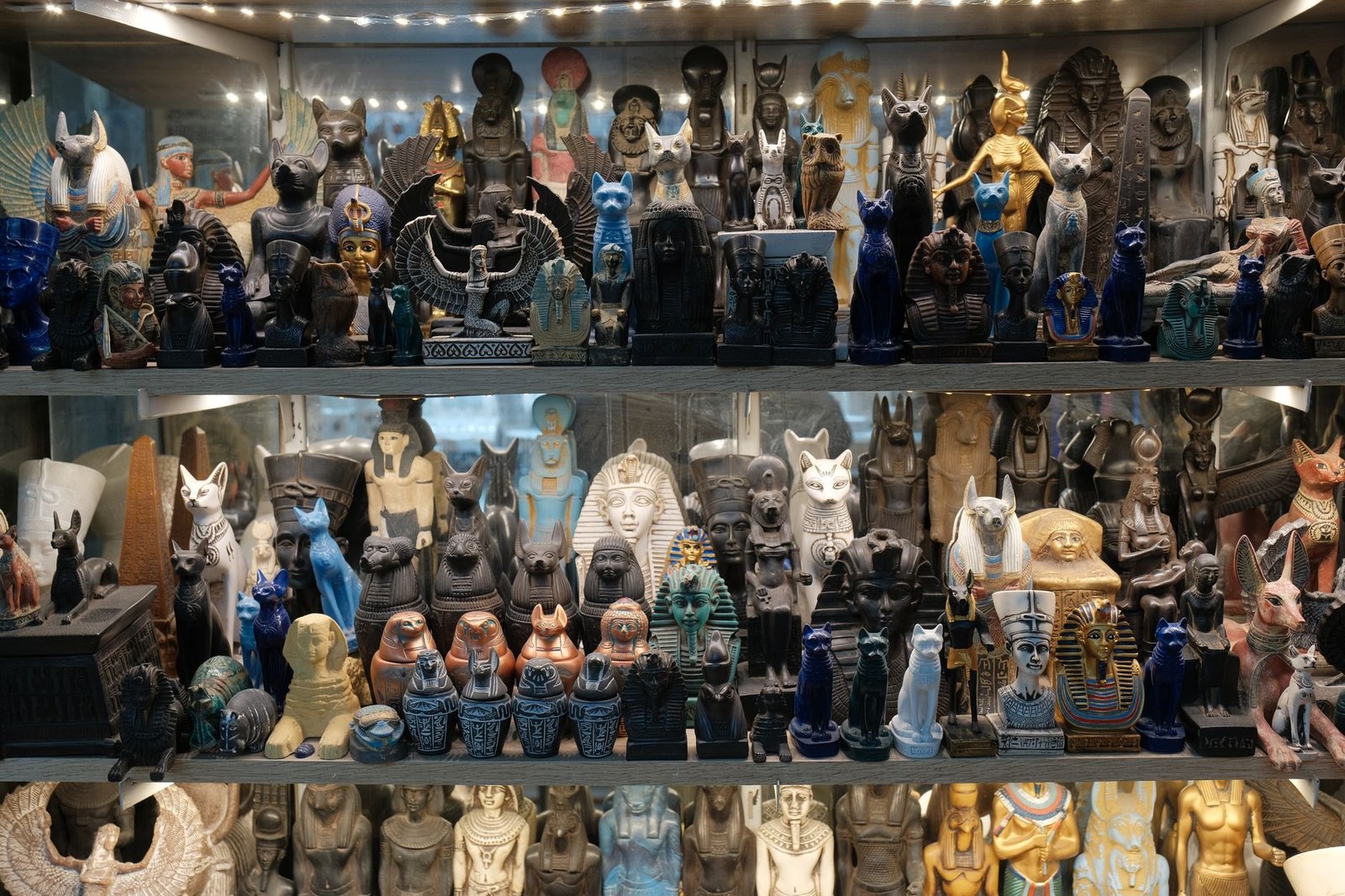
Ra is one of the central gods of ancient Egyptian mythology, revered as the sun deity, creator, and guardian of cosmic order. This article explores how who is ra in egyptian mythology became a question tied to kingship, daily renewal, and shifting religious traditions that shaped Egypt for thousands of years.
Who Is Shu in Egyptian Mythology? Meaning and Role
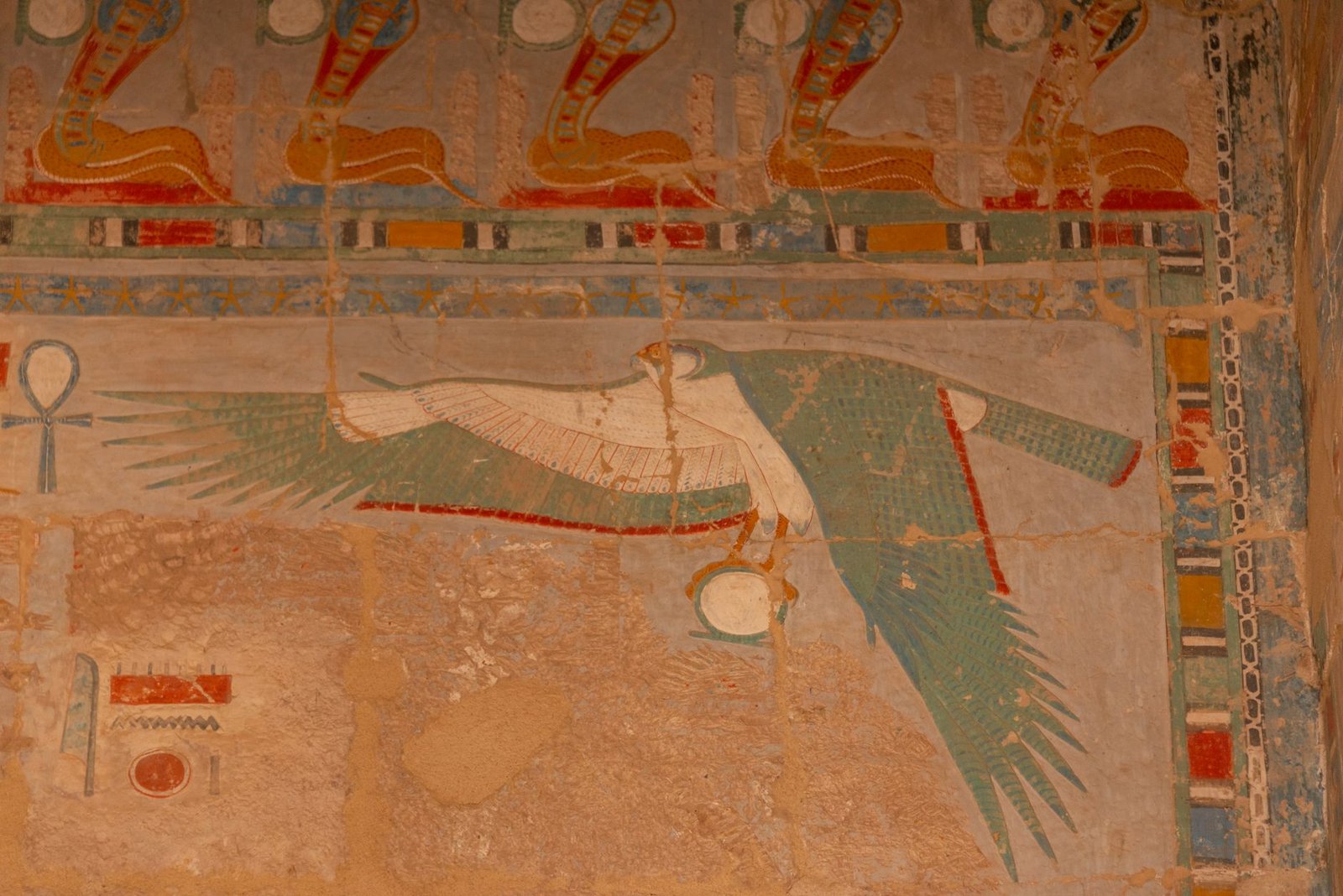
Who is Shu in Egyptian mythology? He is the ancient Egyptian god of air, light, and the space between heaven and earth, famed for lifting Nut away from Geb and helping establish cosmic order. This article explores his name, origins, role in creation myths, and lasting place in Egyptian religious thought.
Who Is Osiris in Egyptian Mythology? Meaning and Role
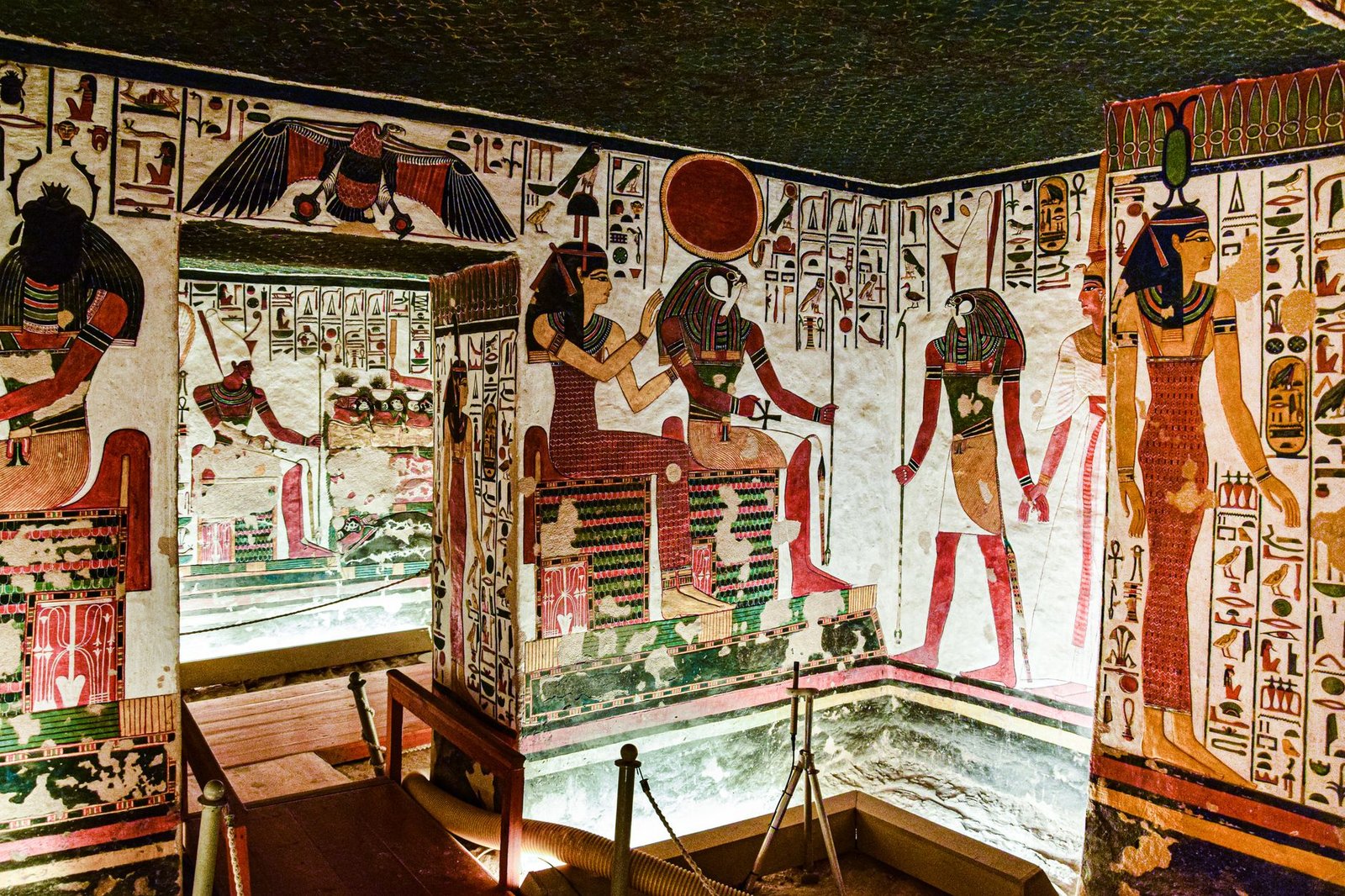
Osiris is a central figure in Egyptian mythology, revered as the god of death, resurrection, fertility, kingship, and the afterlife. His story of death and renewal shaped ancient Egyptian funerary beliefs, royal authority, and ideas about how ordered life could return after destruction.
Who Is Isis in Egyptian Mythology? Meaning and Role
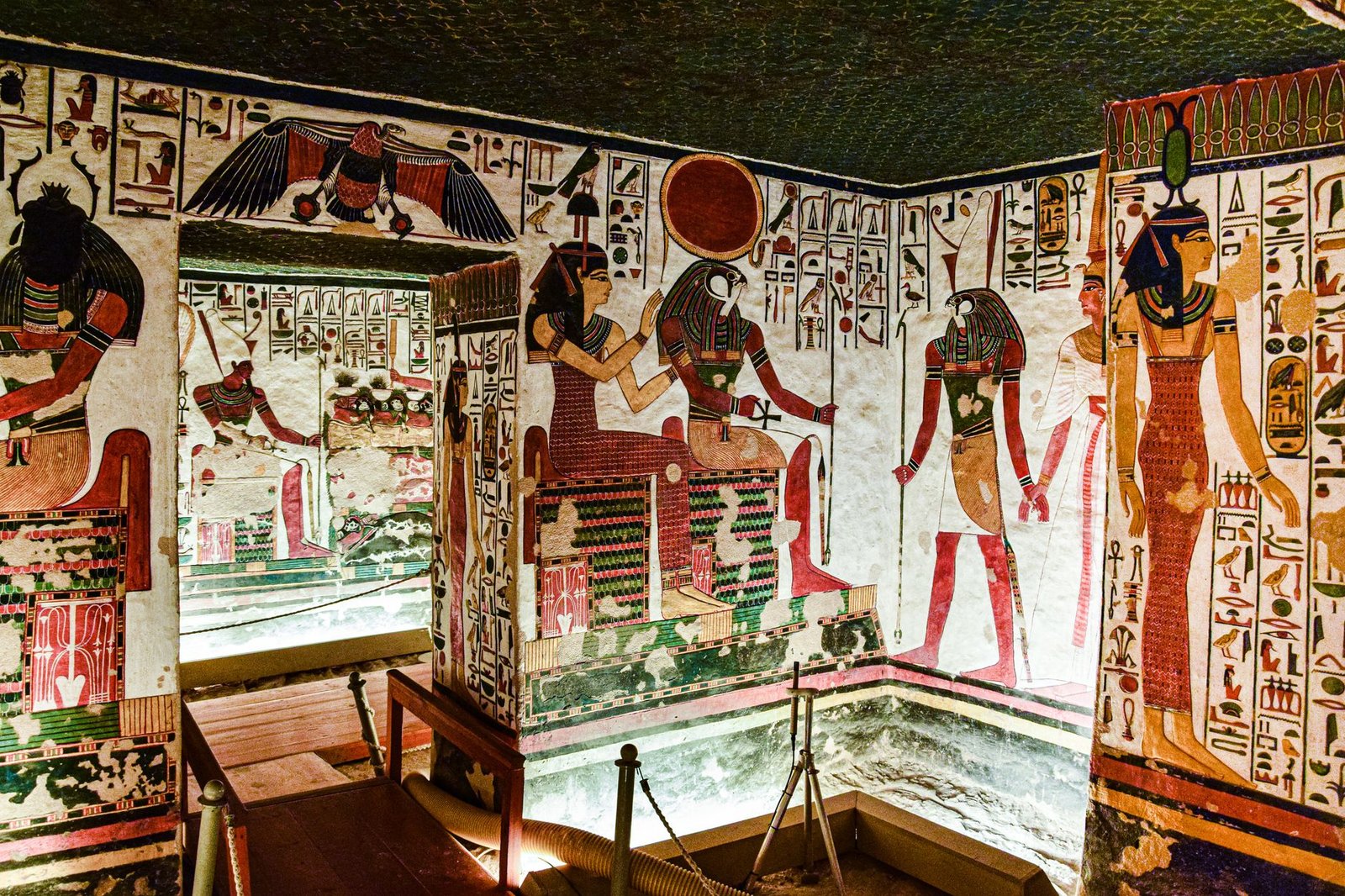
Isis is a central goddess in Egyptian mythology, known as a divine mother, magician, mourner, and protector whose power was tied to kingship, rebirth, and the afterlife. Her name, linked to the throne, hints at a long religious history that transformed her from a royal figure into a widely revered universal deity.
Who Is Set in Egyptian Mythology? Origins and Role
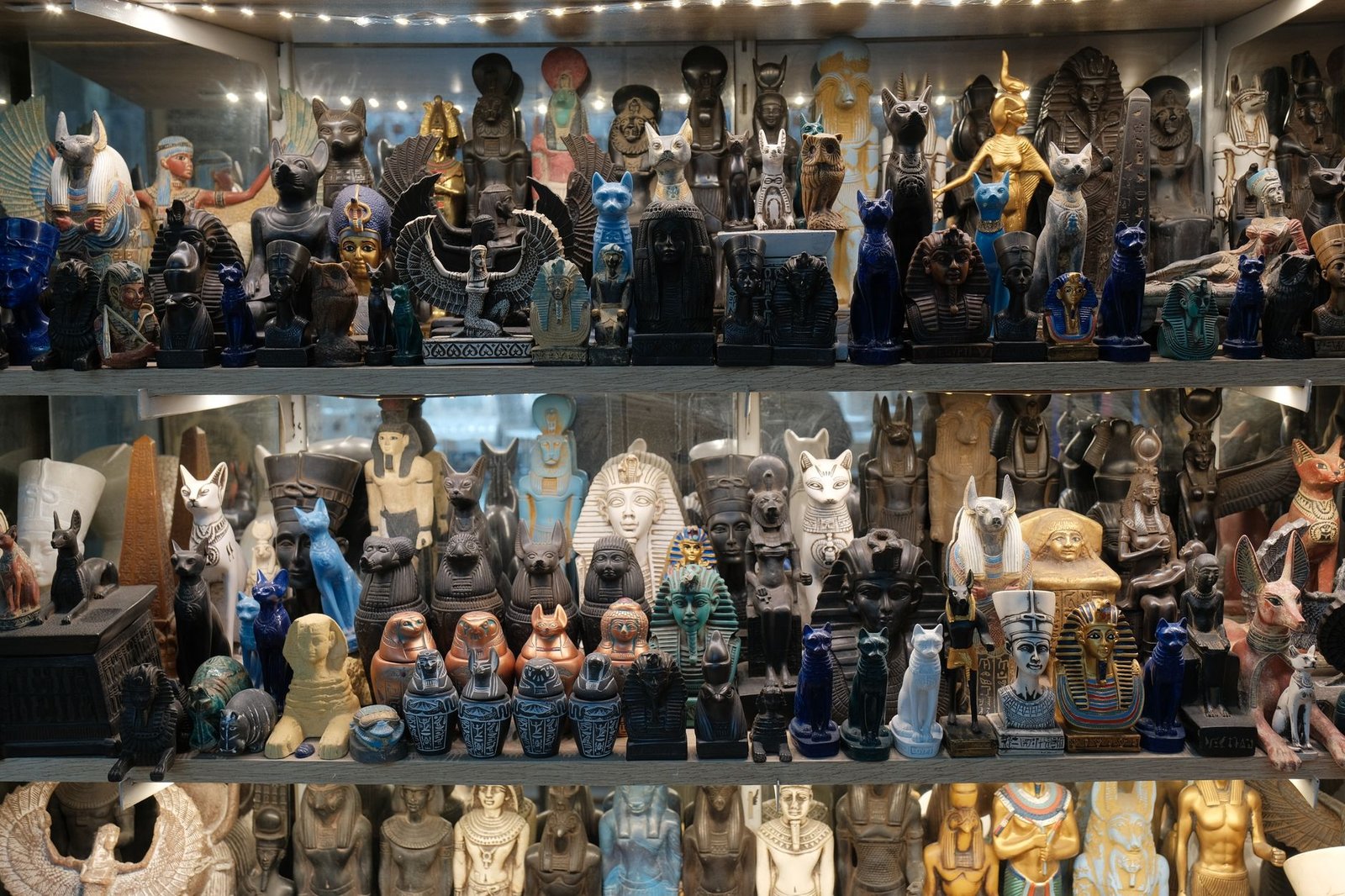
Set in Egyptian mythology is one of ancient Egypt’s most complex gods, associated with chaos, storms, the desert, and violent upheaval, yet also capable of protecting Ra on his perilous nightly journey. This excerpt traces how Set—also called Seth or Sutekh—moved from an early frontier deity to a central figure in myths of Osiris, Horus, and kingship, revealing why his legacy remains so debated.
Who Is Nephthys in Egyptian Mythology? Role and Meaning
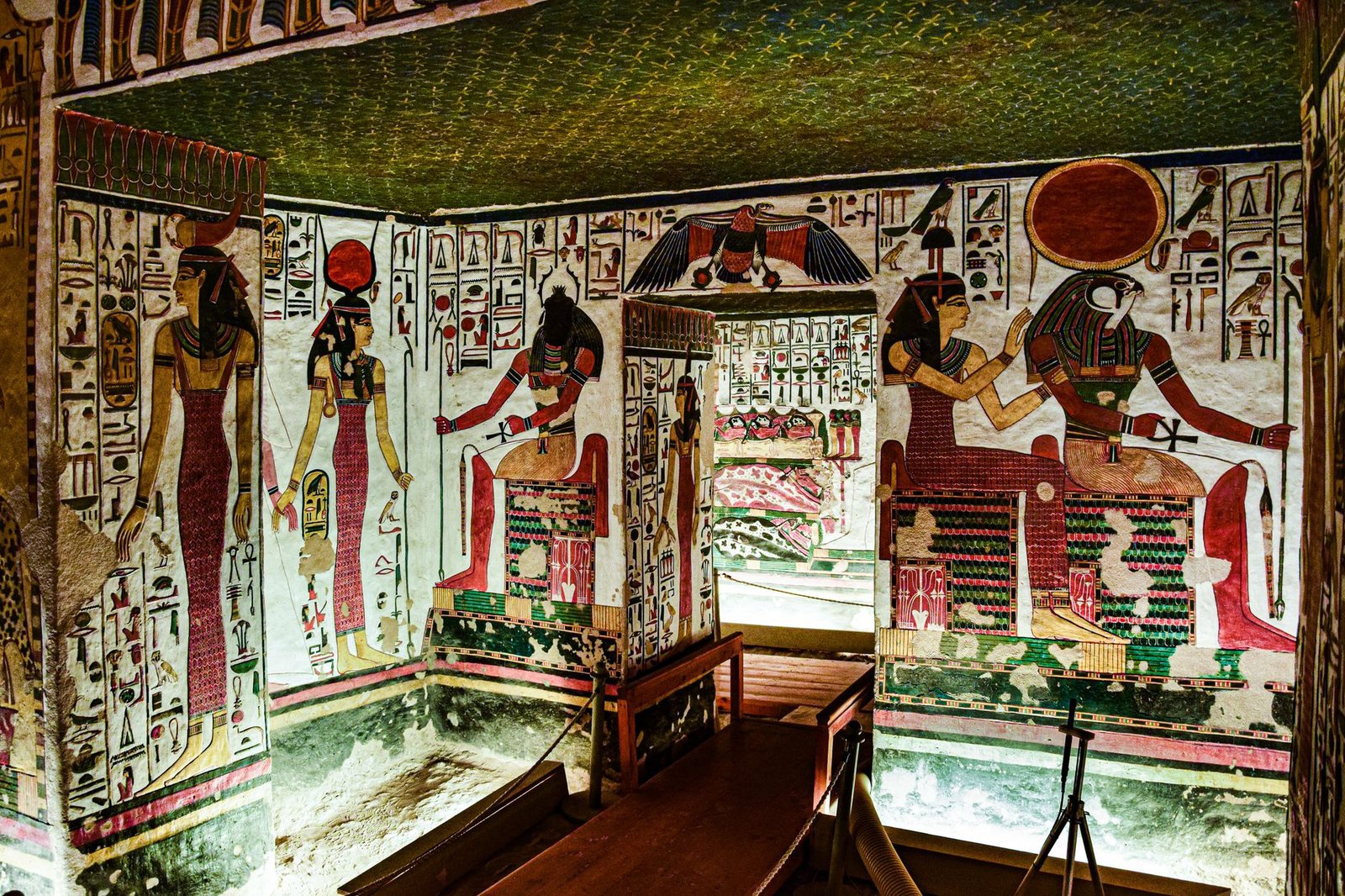
Who is Nephthys in Egyptian mythology? She is an important goddess of death, protection, and mourning, a member of the Heliopolitan Ennead whose presence shaped funerary belief and temple theology for centuries. Though often overshadowed by Isis and Osiris, her role in Egyptian myth reveals how ancient Egyptians understood the fragile boundary between life, death, and cosmic order.
Who Is Anubis in Egyptian Mythology? Guide to the God
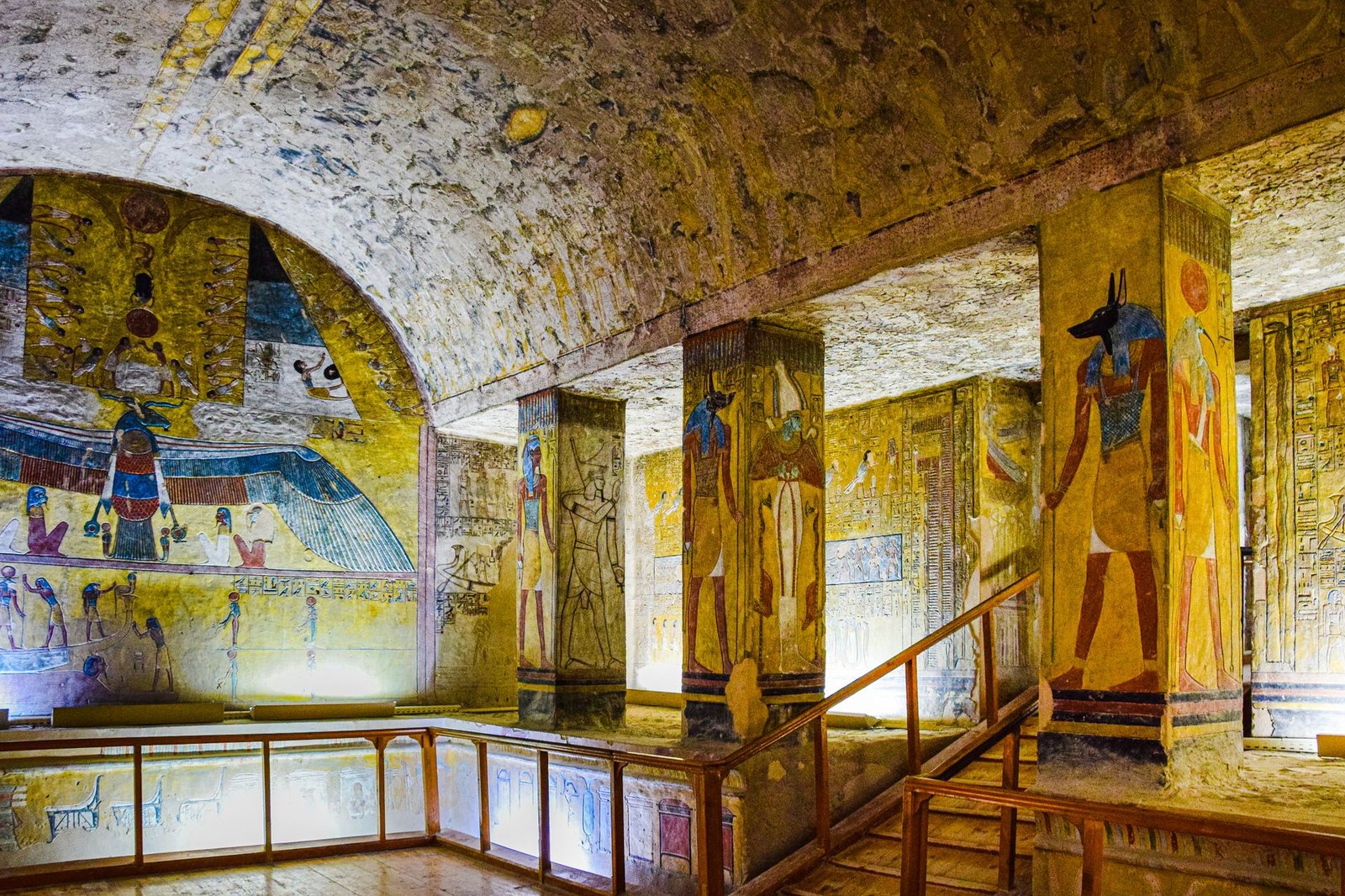
Anubis in Egyptian mythology is the jackal-headed god associated with mummification, tomb protection, and the guidance of souls into the afterlife, making him a central figure in ancient funerary belief. From his early appearance in Egyptian religion to his enduring role in burial rituals and sacred imagery, Anubis reveals how the Egyptians understood death, preservation, and divine order.