What Is the Book of the Dead in Egyptian Mythology?
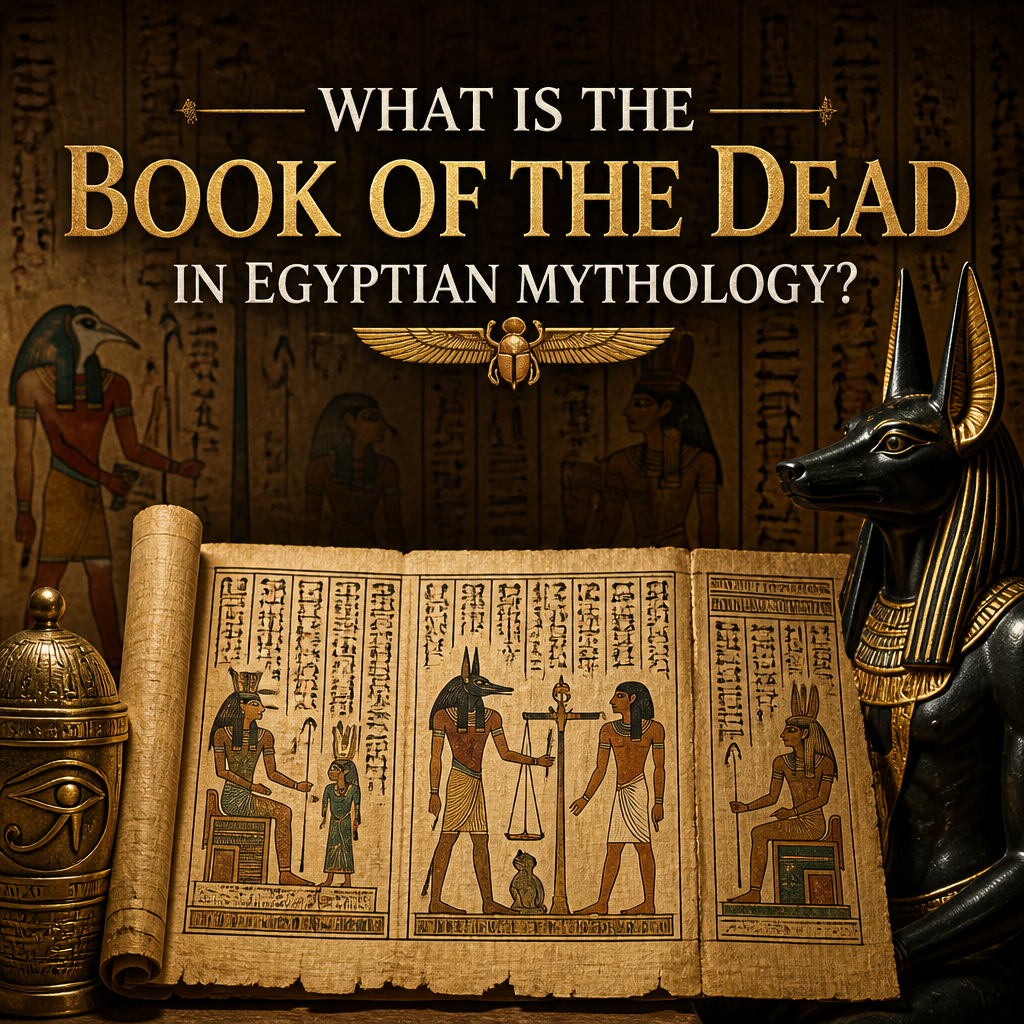
The Book of the Dead is one of the most famous and fascinating texts from ancient Egypt. Despite its dramatic name, it was not a single “book” in the modern sense, nor was it a work of dark magic. Instead, it was a collection of spells, prayers, hymns, and instructions meant to help a deceased person safely navigate the afterlife.
In Egyptian mythology, death was not seen as the end of existence. It was a transition into another realm where the soul continued its journey. The Book of the Dead served as a spiritual guidebook for that journey, giving the dead the knowledge they needed to overcome dangers, pass divine tests, and reach eternal life.
The Meaning Behind the Book of the Dead
The ancient Egyptian name for the text is often translated as “The Book of Coming Forth by Day.” This title reflects the Egyptian hope that the soul could emerge into the light after death and live again in a blessed state.
The modern title, “Book of the Dead,” was given by scholars much later. While it sounds mysterious and ominous, the text was actually focused on protection, rebirth, and transformation.
For Egyptians, the afterlife was deeply connected to the cycles of nature. Just as the sun set and rose again each day, the dead hoped to be reborn and continue existing in a divine world.
Was It Really a Book?
The Book of the Dead was not a fixed book with one standard version. Instead, it was a collection of individual spells that could vary from one person’s copy to another.
These texts were often written on:
- Papyrus scrolls
- Tomb walls
- Coffins
- Burial shrouds
- Amulets and other funerary objects
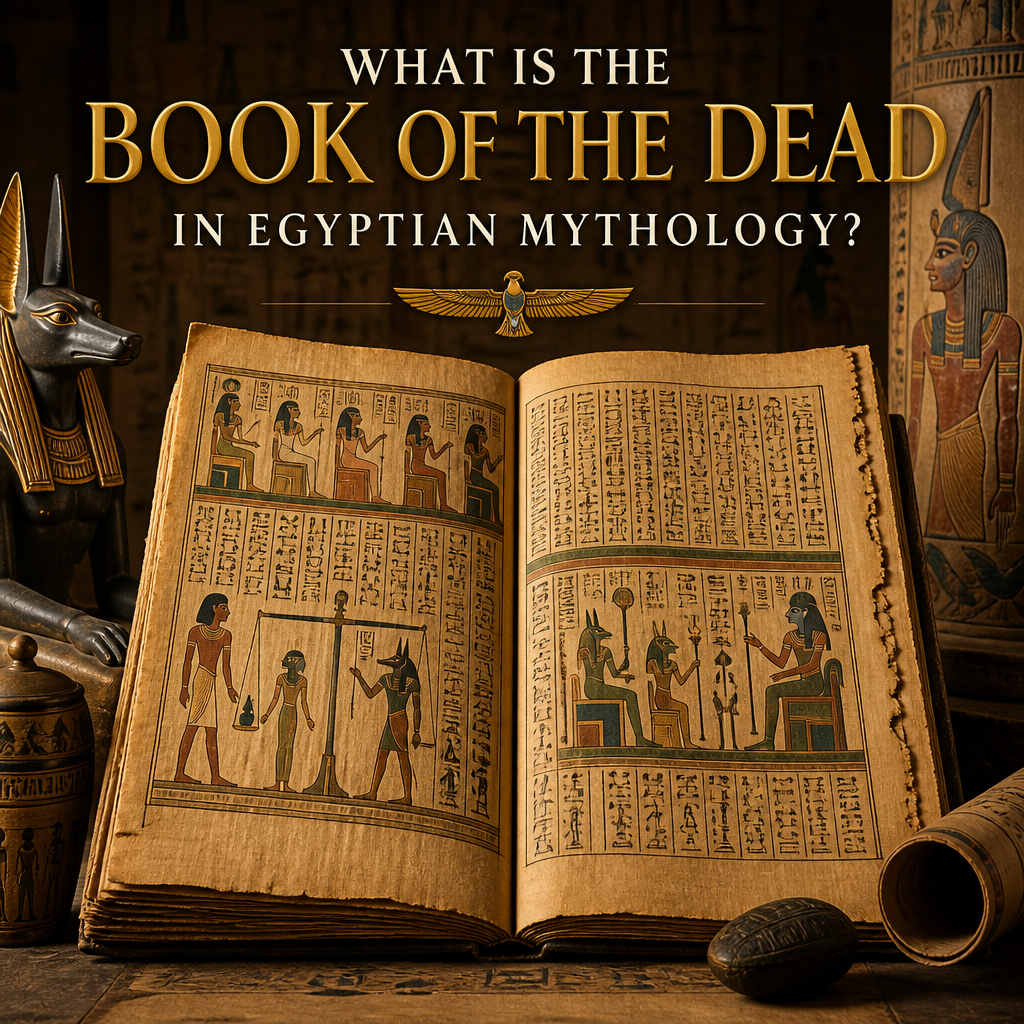
Wealthy Egyptians could commission beautifully illustrated papyrus scrolls containing personalized selections of spells. These were placed in the tomb with the body so the deceased could use them in the afterlife.
Because different families chose different spells, no two copies were exactly alike.
The Purpose of the Book of the Dead
The main purpose of the Book of the Dead was to help the deceased successfully reach the afterlife. Egyptian mythology imagined the journey after death as filled with challenges, including hostile creatures, guarded gates, and divine judgments.
The spells in the Book of the Dead were meant to:
- Protect the soul from danger
- Help the deceased remember magical names and passwords
- Allow the soul to move freely
- Provide food, air, and water in the afterlife
- Help the dead transform into powerful forms, such as a bird or a divine being
- Prepare the deceased for judgment before the gods
Knowledge was power in the Egyptian afterlife. Knowing the right words could open gates, defeat enemies, and secure eternal life.
The Journey Through the Afterlife
In Egyptian belief, a person was made up of several spiritual parts, including the ka and the ba. The ka was a life force that needed offerings, while the ba was often represented as a human-headed bird that could travel between the tomb and the world beyond.
After death, the deceased hoped to join the gods and live in a paradise known as the Field of Reeds. This ideal afterlife resembled a perfect version of Egypt, with fertile fields, fresh water, and peace.
However, reaching this paradise was not automatic. The soul had to pass through the underworld and face judgment.
The Weighing of the Heart
One of the most important scenes associated with the Book of the Dead is the Weighing of the Heart. This judgment took place in the Hall of Ma’at, the divine principle of truth, justice, and cosmic order.
In this scene, the heart of the deceased was weighed against the feather of Ma’at. The god Anubis oversaw the weighing, while Thoth, the ibis-headed god of writing and wisdom, recorded the result.
If the heart was light and balanced with the feather, the deceased was judged worthy and could enter the afterlife. If the heart was heavy with wrongdoing, it was devoured by a fearsome creature called Ammit, who was part crocodile, lion, and hippopotamus.
This did not mean eternal torture, but something even more terrifying to Egyptians: complete destruction of the soul.
The Negative Confession
A major part of the judgment was the Negative Confession, a list of declarations in which the deceased denied committing sins. These statements included claims such as:
- “I have not stolen.”
- “I have not killed.”
- “I have not told lies.”
- “I have not cheated in measurements.”
- “I have not caused suffering.”
The Negative Confession shows that Egyptian religion was not only about rituals and magic. It also included strong moral expectations. To live in harmony with Ma’at meant acting honestly, justly, and respectfully.
Important Gods in the Book of the Dead
Several gods played major roles in the Book of the Dead and the afterlife journey.
Osiris
Osiris was the god of the dead, resurrection, and the afterlife. He ruled the underworld and served as the ultimate symbol of rebirth. The deceased hoped to be identified with Osiris and share in his eternal life.
Anubis
Anubis was the jackal-headed god associated with embalming, mummification, and tomb protection. He guided the dead and presided over the weighing of the heart.
Thoth
Thoth was the god of wisdom, writing, and sacred knowledge. He recorded the outcome of the judgment and was closely connected to the power of words and spells.
Ra
Ra, the sun god, represented daily rebirth. The dead hoped to travel with Ra through the underworld and rise again with the morning sun.
Why the Book of the Dead Matters
The Book of the Dead gives modern readers a powerful glimpse into Egyptian mythology, religion, and values. It reveals how deeply Egyptians cared about the afterlife, moral behavior, and the preservation of identity after death.
It also shows the importance of writing in ancient Egypt. Words were believed to have real power. A spell written correctly and spoken properly could shape reality, protect the soul, and open the way to eternity.
A Guide to Eternal Life
So, what is the Book of the Dead in Egyptian mythology? It is a sacred collection of funerary texts designed to guide and protect the dead on their journey through the afterlife.
More than a book about death, it is a book about hope. It reflects the Egyptian belief that life could continue beyond the grave, that the soul could be renewed, and that those who lived in harmony with truth and justice could enjoy eternity among the gods.

Orin Vale has spent the better part of two decades tracing the threads that connect the world’s oldest stories — from the halls of Asgard to the banks of the Nile, from Olympus to the jungles of the Maya. What began as a childhood fascination with flood myths and trickster gods grew into years of independent study across comparative mythology and ancient religion, always chasing the same question: what did these stories mean to the people who first told them? Orin writes for readers who want more than trivia — the ones looking for the beliefs, fears, and truths that myths were built to carry.