Osiris
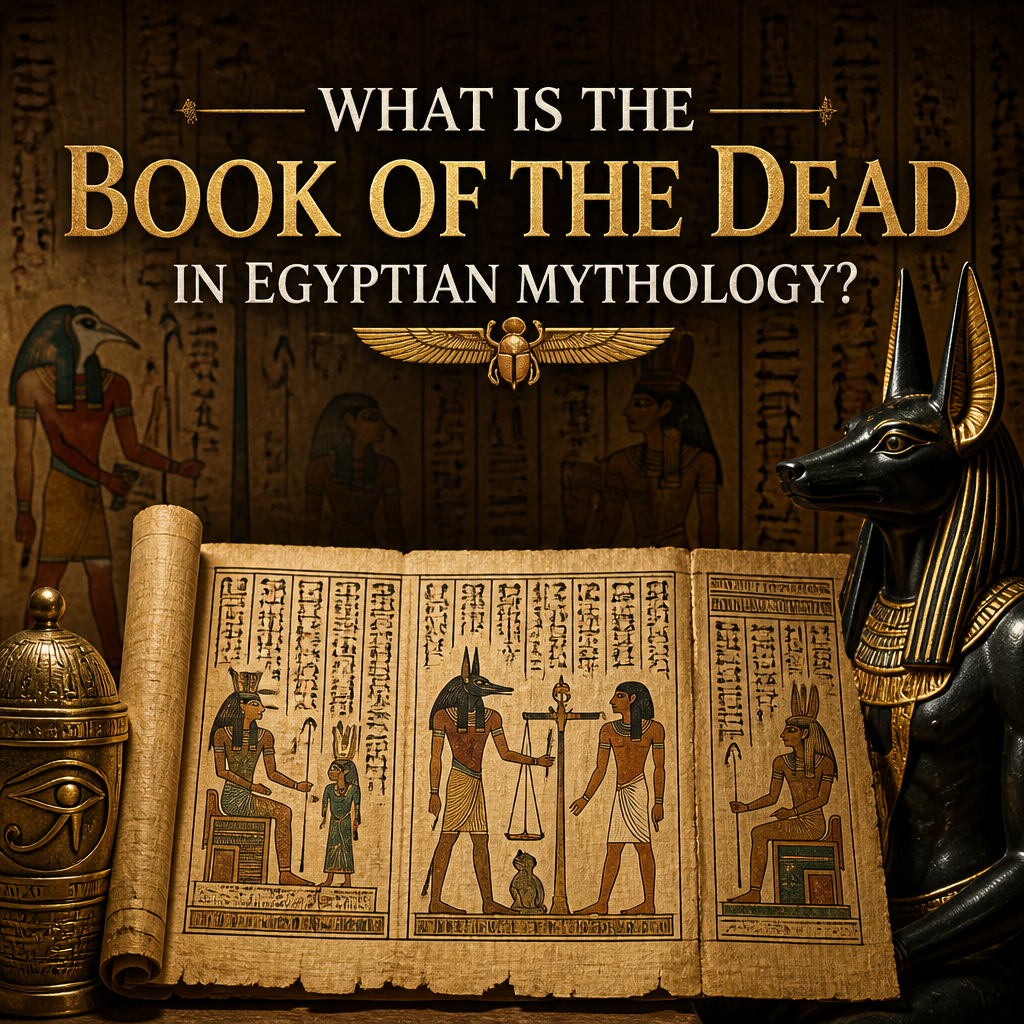
What Is the Book of the Dead in Egyptian Mythology?
The Book of the Dead was an ancient Egyptian guide to the afterlife, filled with spells and prayers to help the soul face challenges and reach eternal peace. Far from being a dark or scary text, it reflected Egypt’s hopeful belief in rebirth and life beyond death.
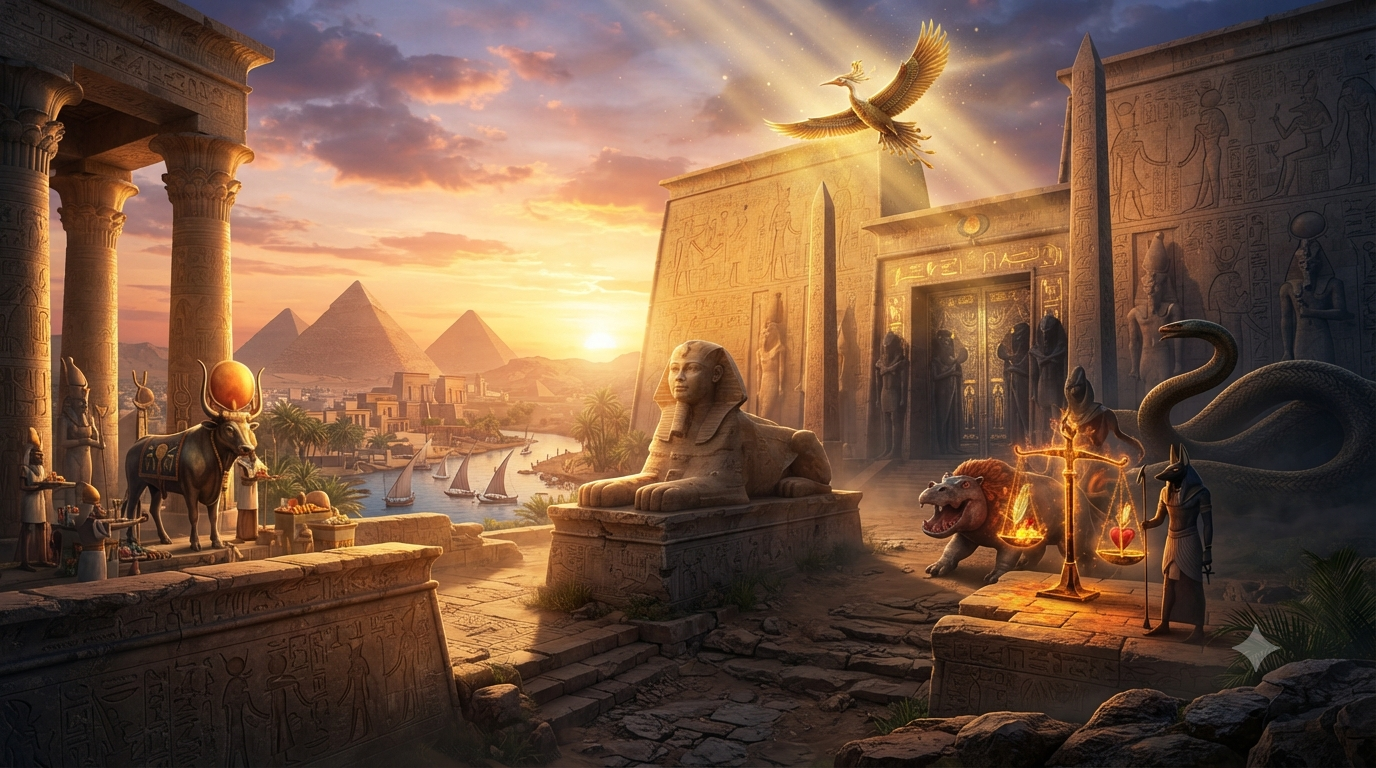
Egyptian Creatures and Monsters: The Complete Guide to Ancient Egypt’s Mythical Beasts and Sacred Animals
Egyptian mythology populated the space between gods and mortals with a distinct cast of creatures: monstrous guardians who judged and ...
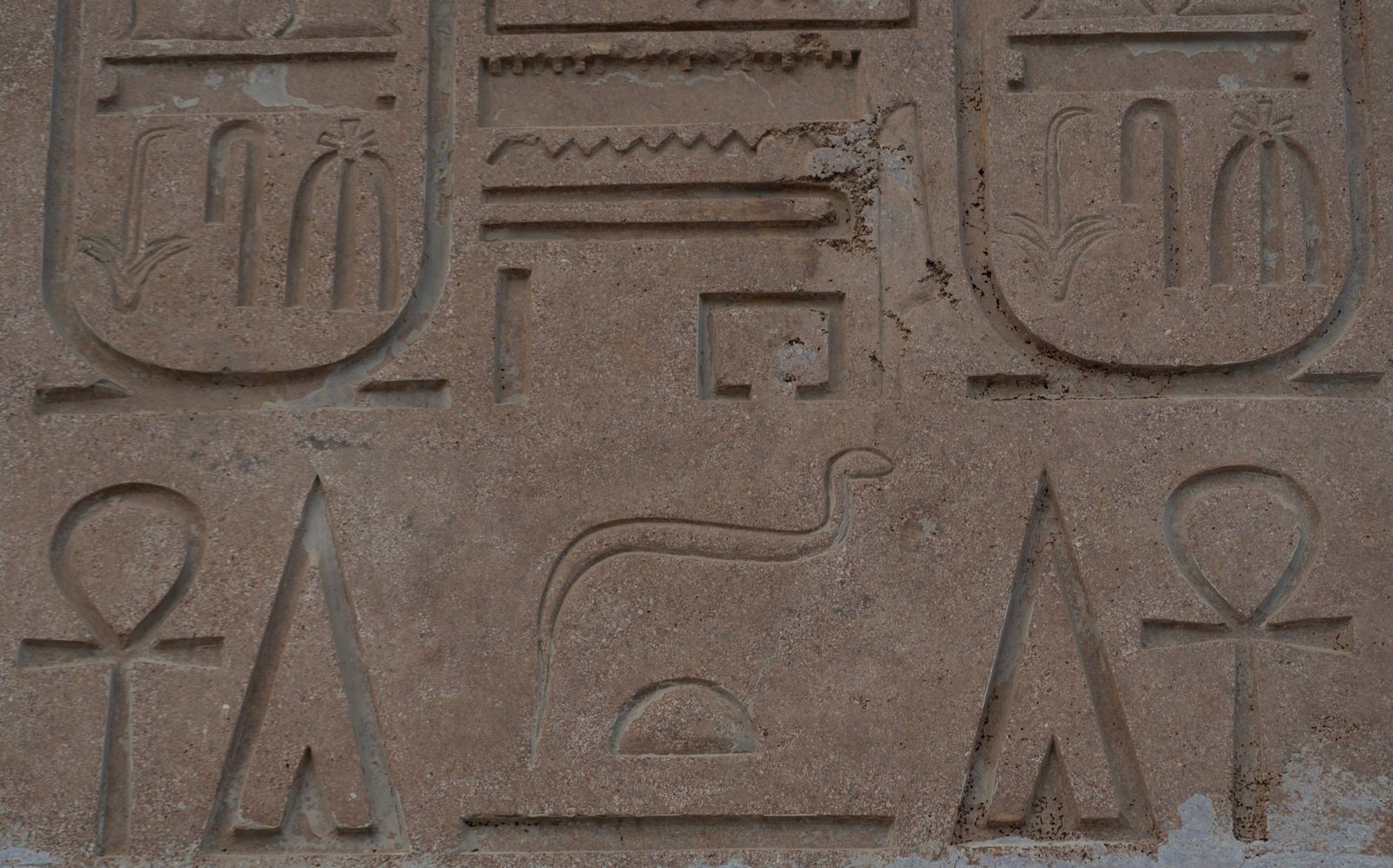
What Does the Ankh Mean in Egyptian Mythology?
The **ankh** is one of ancient Egypt’s most enduring symbols, and in Egyptian mythology it represents life, divine power, and the promise of existence beyond death. This article explores its religious meaning, its use in temple and tomb imagery, and the ways the “key of life” came to embody rebirth, authority, and immortality.
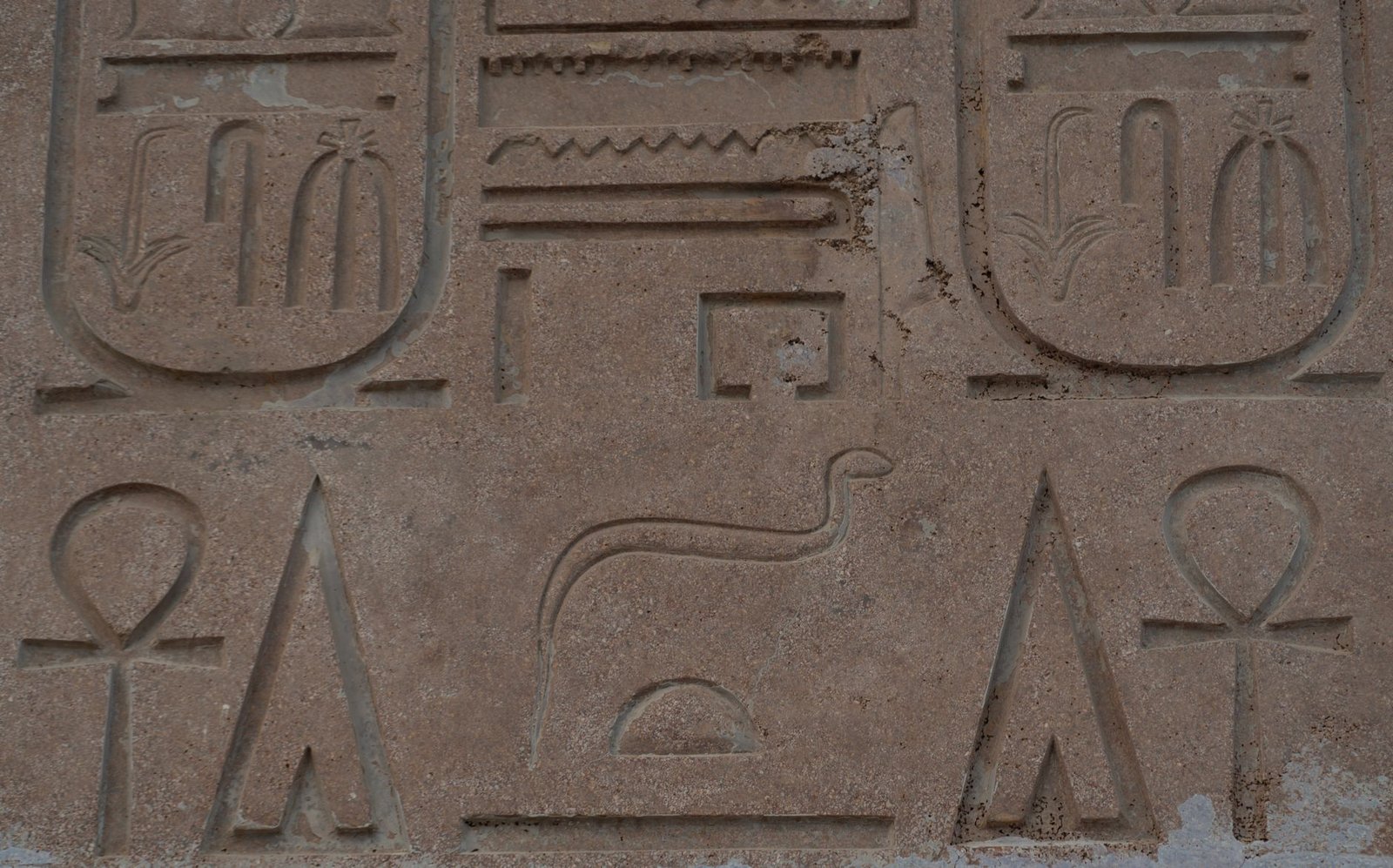
What Do the Crook and Flail Symbolize in Egyptian Mythology?
The crook and flail symbolize what do the crook and flail symbolize in Egyptian mythology: a balanced ideal of kingship in which the ruler protects, guides, and sustains the people while also enforcing order and fertility. Most closely associated with Osiris and royal iconography, these emblems reveal how Egyptian authority fused pastoral care with divine power.
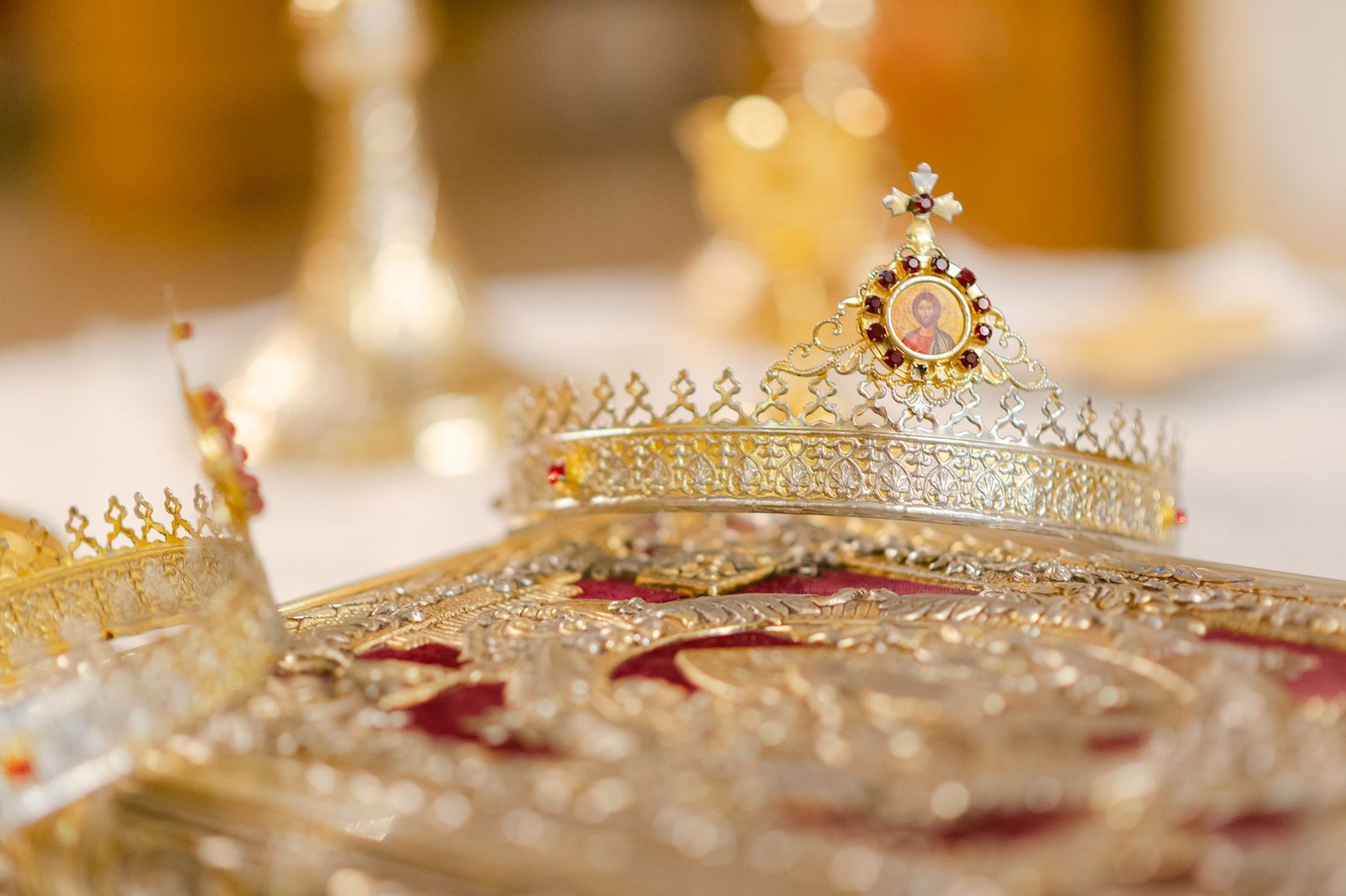
What Is the Atef Crown in Egyptian Mythology?
The Atef crown is a distinctive headdress in Egyptian mythology, most closely associated with Osiris and the themes of afterlife, kingship, and resurrection. This article explains its symbolic components, historical development, and appearance in temple and tomb art, revealing why it became such a powerful sign of divine authority and renewal.
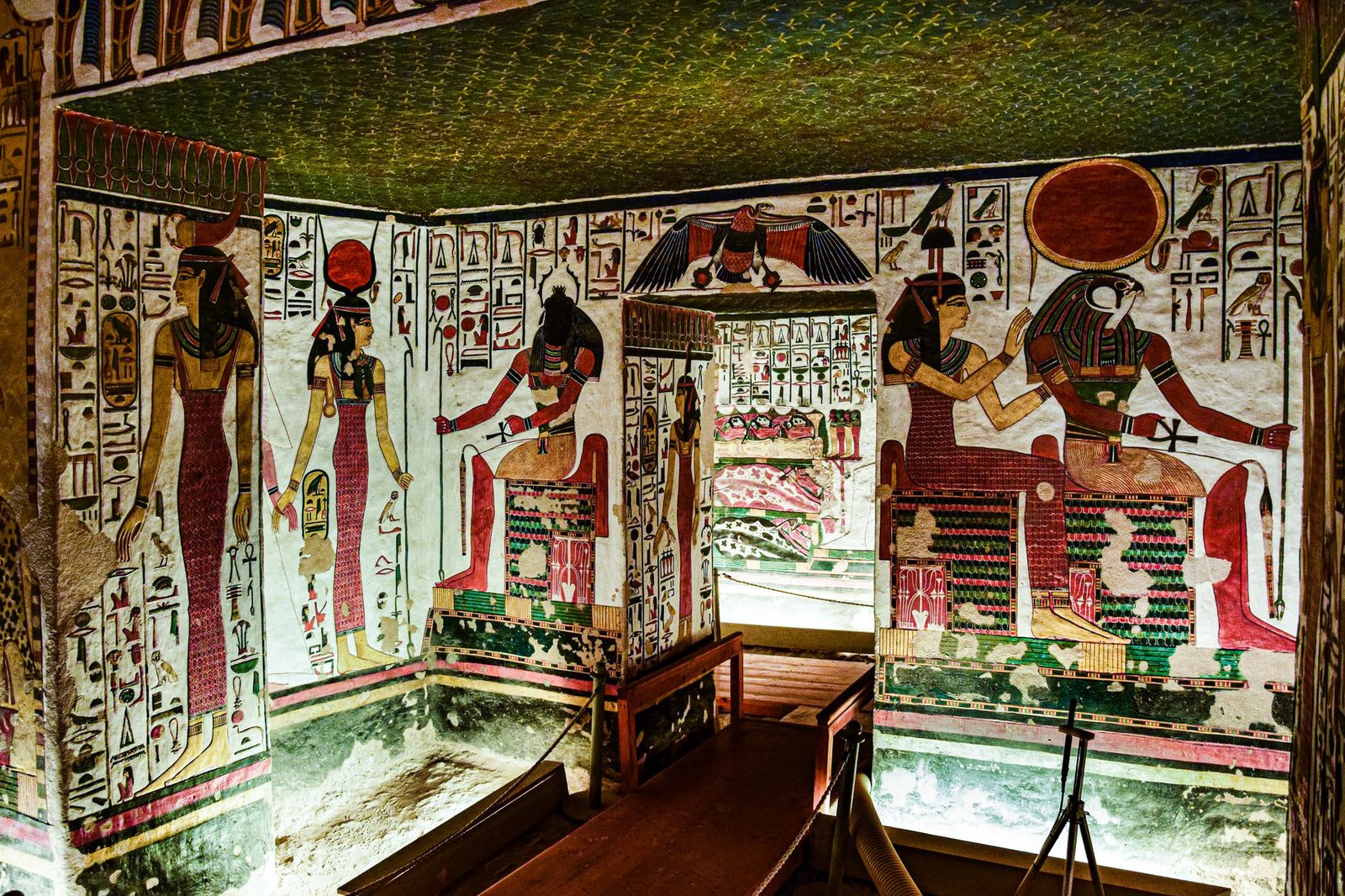
What Is the Djed Pillar in Egyptian Mythology?
The **Djed pillar** is a central symbol in Egyptian mythology, closely linked to Osiris and the ideas of stability, endurance, and renewal. This brief overview explores its uncertain origins, ritual uses, and deeper meaning in funerary belief, revealing why the emblem remained vital to ancient Egyptian religious life.
Egyptian Symbols: The Complete Guide to Ancient Egypt’s Sacred Signs and Their Meanings
Ancient Egypt communicated its deepest religious beliefs through images long before most of its population could read a single hieroglyph. ...
Who Is Wepwawet in Egyptian Mythology?
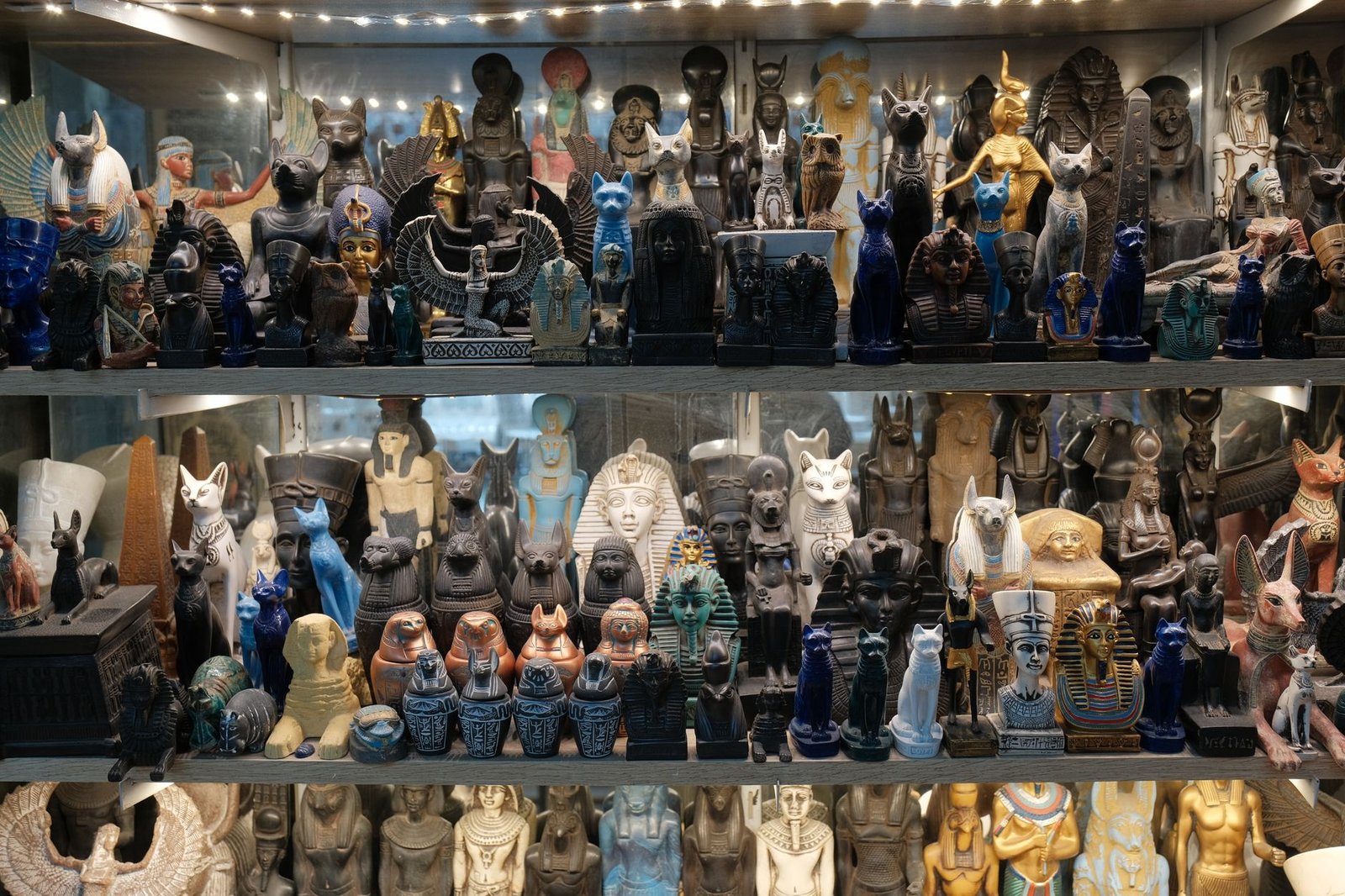
Wepwawet in Egyptian mythology is a jackal-headed deity associated with warfare, royal authority, funerary rites, and the opening of paths, guiding kings and the dead through perilous journeys. Often linked to Upper Egypt and the city of Asyut, he is distinct from Anubis and reveals how Egyptians connected protection, movement, and power in both life and the afterlife.
Who Are the Four Sons of Horus in Egyptian Mythology?
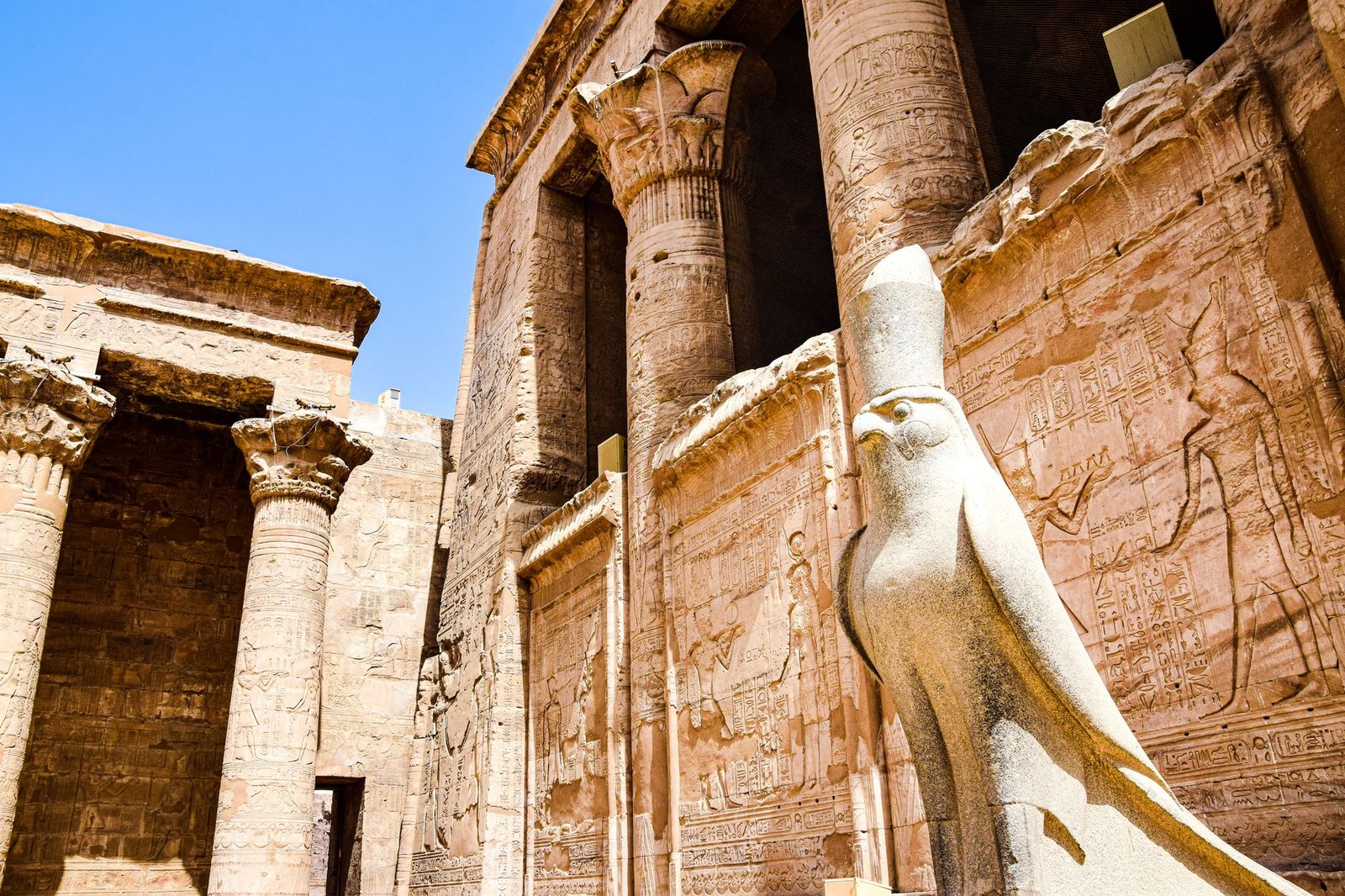
The four sons of Horus in Egyptian mythology—Imsety, Hapy, Duamutef, and Qebehsenuef—were protective deities closely tied to burial rites, canopic jars, and the preservation of the dead. Their roles reveal how ancient Egyptians connected bodily protection, divine guardianship, and the hope of rebirth, making them essential figures in funerary religion.

What Is the Ennead in Egyptian Mythology?
The ennead in Egyptian mythology refers to a nine-god divine family, most famously the Heliopolitan Ennead centered on Atum and the sun cult of Heliopolis. Its creation myths link the gods, the cosmos, and royal authority, revealing how ancient Egyptians explained order emerging from chaos and why this theology remained influential.