Roman Mythology

Horatius at the Bridge: Roman Legend and Heroic Defense
Horatius at the Bridge recounts the celebrated defense of Rome’s Pons Sublicius, when Publius Horatius Cocles and two companions resisted Lars Porsena’s advancing Etruscan forces long enough for the Romans to destroy the crossing. Blending history and legend, the episode reveals how a single act of sacrifice became a durable Roman model of courage, civic duty, and patriotic memory.
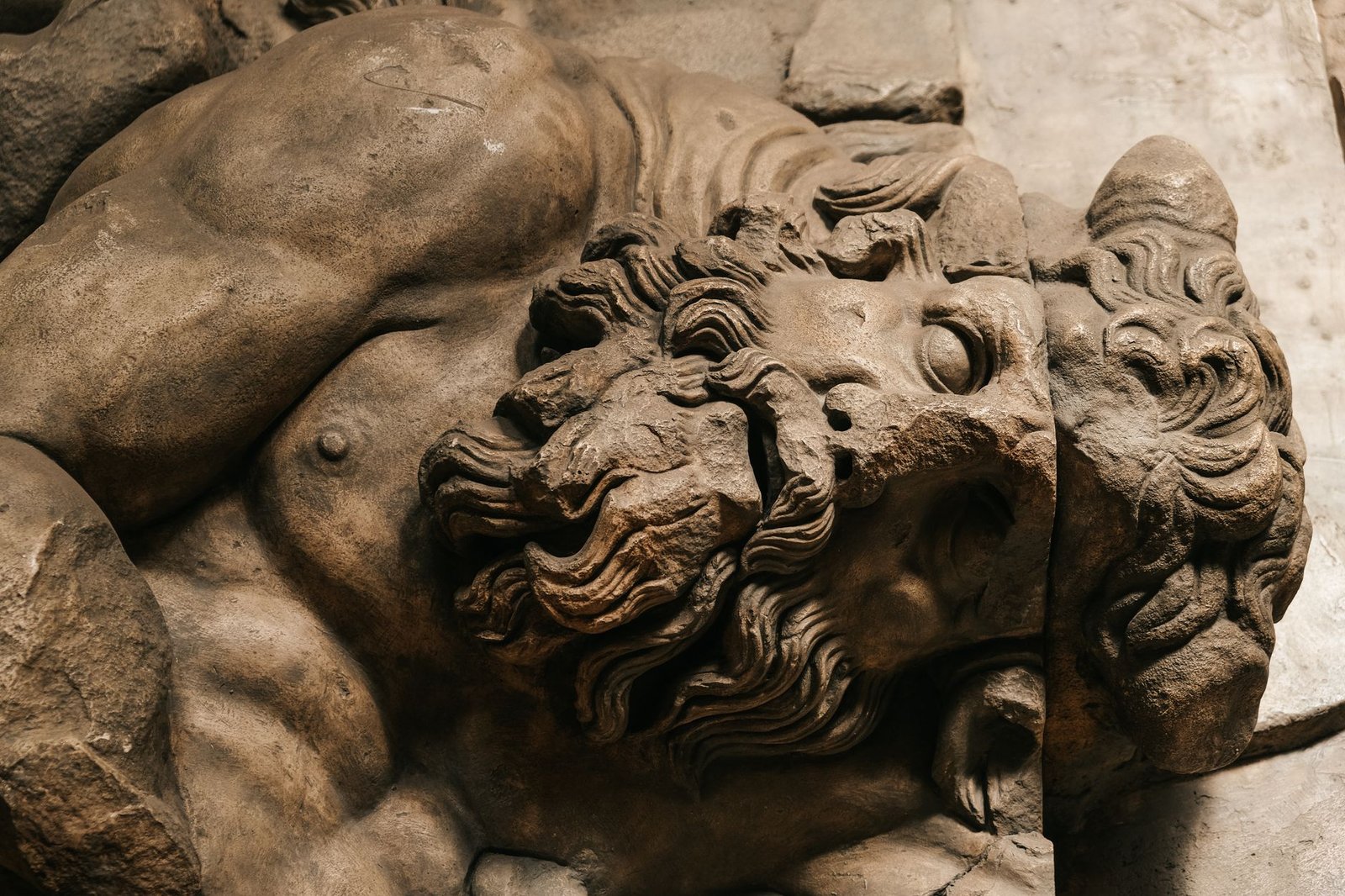
Mucius Scaevola and the Burning Hand: Roman Legend
Mucius Scaevola and the Burning Hand recounts the legendary Roman nobleman who infiltrated the camp of Lars Porsenna, failed in his assassination attempt, and then proved his resolve by holding his right hand in fire without crying out. Blending history and moral exemplum, the story explains the origin of the name Scaevola and reveals why Romans celebrated it as a lasting symbol of courage, patriotism, and self-command.

Cincinnatus and the Plow: Roman Legend and Meaning
Cincinnatus and the Plow recounts the Roman tradition of Lucius Quinctius Cincinnatus, summoned from farm work to accept emergency power, restore order, and then relinquish authority. More than a legend of military success, it became a lasting symbol of Roman civic virtue, inviting readers to consider how history turned a farmer-dictator into an enduring political ideal.

Coriolanus’s Betrayal and Return: Historical Overview
Coriolanuss Betrayal and Return recounts the Roman commander Gaius Marcius Coriolanus, exiled by his own city, who joins the Volscians and threatens Rome before yielding to the pleas of his mother, Volumnia. Blending political conflict, filial duty, and the dangers of pride, the episode has shaped classical moral thought and inspired enduring interpretations in literature and drama.

Castor and Pollux at the Battle of Lake Regillus
Castor and Pollux at the Battle of Lake Regillus is a celebrated Roman tradition in which the Dioscuri are said to have appeared as mounted warriors, helping secure a crucial early Republic victory over the Latin League. Blending myth, civic memory, and religion, the story illuminates Roman beliefs about divine protection, cavalry valor, and the origins of the twins’ lasting public cult.
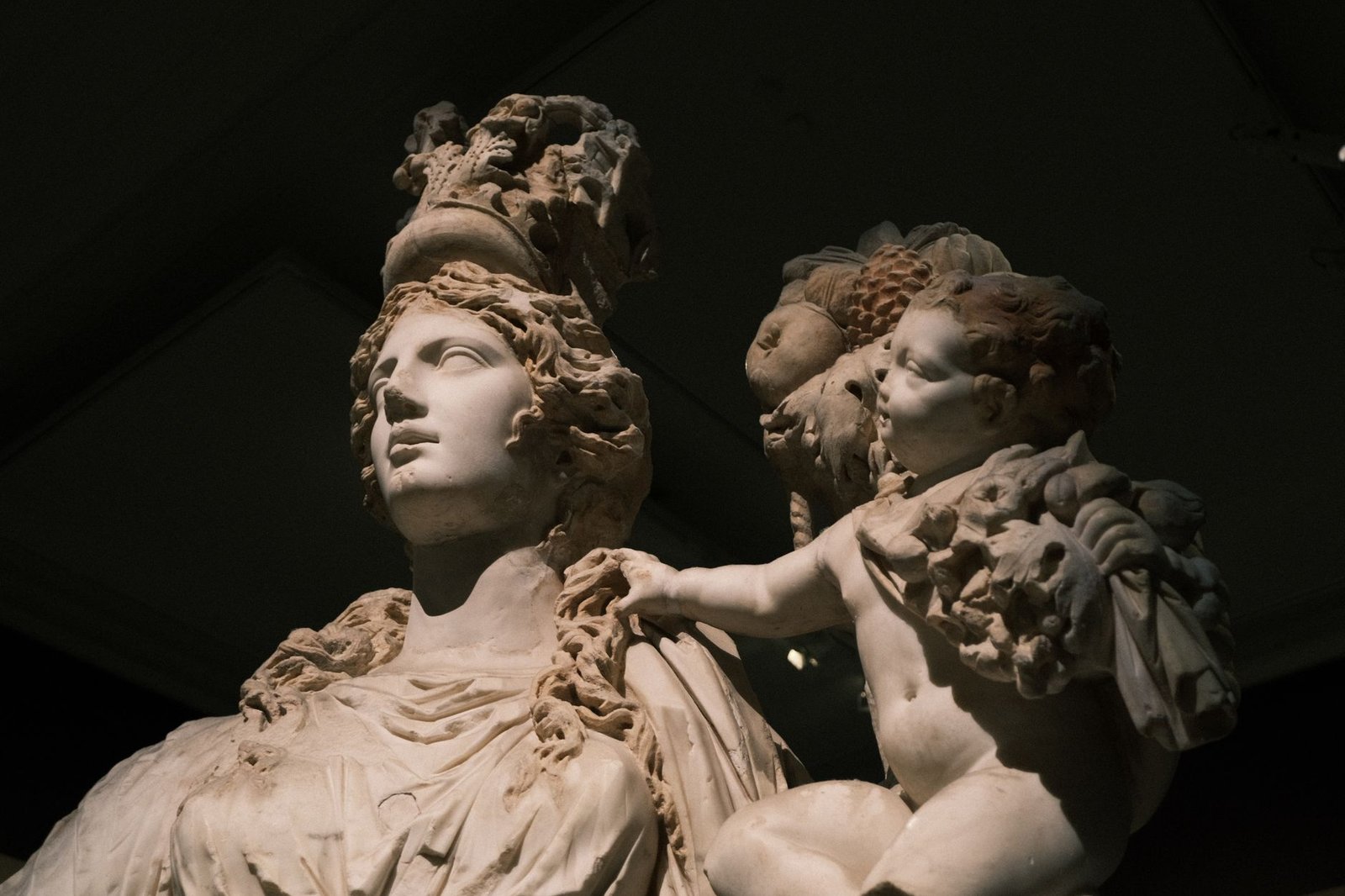
Ceres’s Search for Proserpina: Myth and Meaning
**Ceres’s Search for Proserpina** recounts the Roman goddess of grain’s desperate wanderings after her daughter is taken to the underworld by Pluto, a myth that links maternal grief with the cycle of the seasons. Drawing on Greek and Roman sources, the story reveals ancient ideas about fertility, divine power, and the balance between life, death, and renewal.
Pyramus and Thisbe: Summary, Myth, and Literary Origins
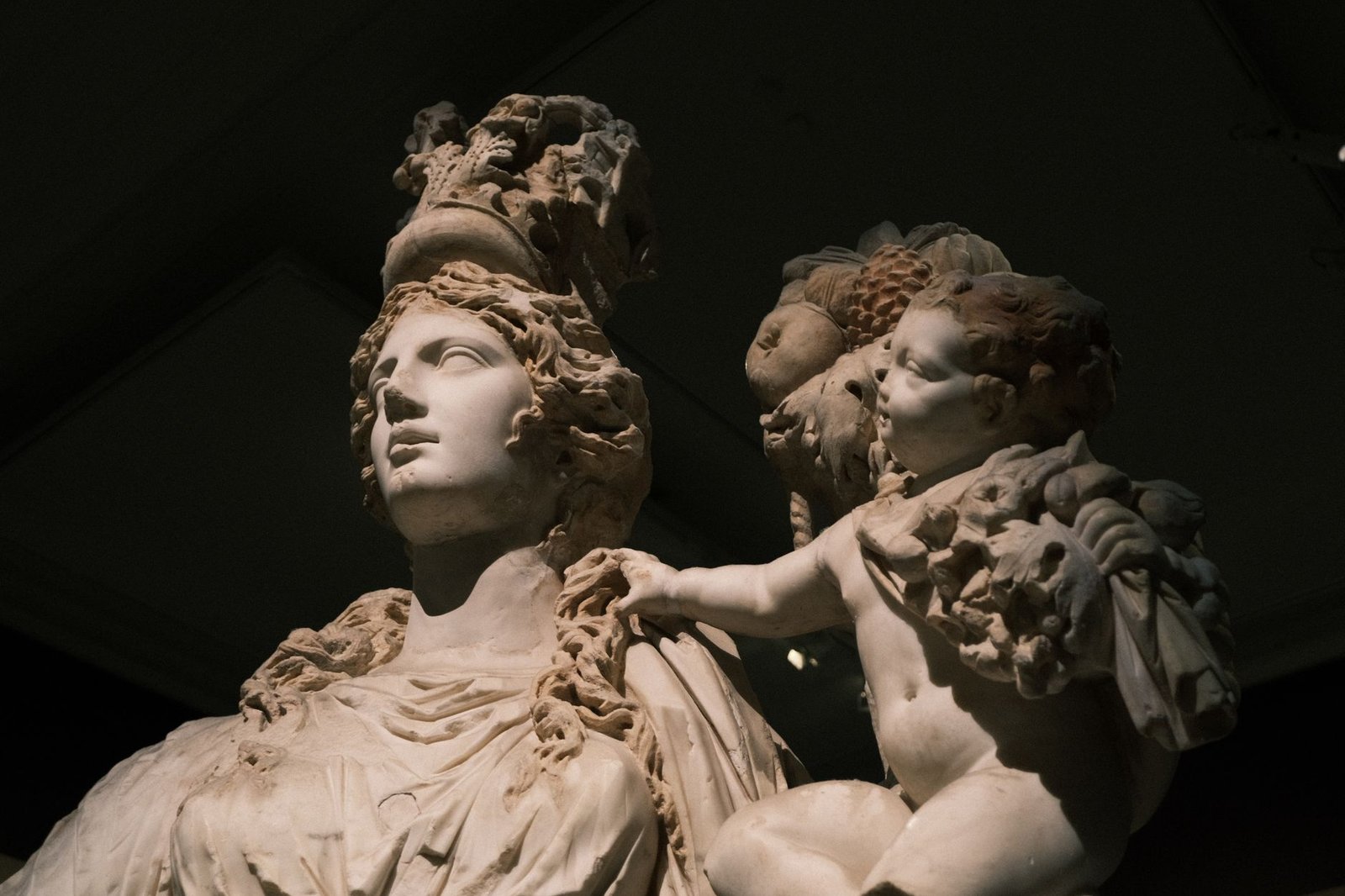
Pyramus and Thisbe are legendary lovers from Greco-Roman mythology whose forbidden romance ends in a fatal misunderstanding, making their story one of the most enduring tragedies in Western literature. Best known through Ovid’s *Metamorphoses*, the tale links family conflict, secrecy, and fate to the origin of the mulberry’s dark fruit and later inspired works such as *Romeo and Juliet*.

Baucis and Philemon: Greek Mythology Story and Meaning
Baucis and Philemon, the devoted couple of Greek and Roman myth, are remembered for their humble hospitality to disguised gods and the divine reward that followed. Their story, most famously told by Ovid, explores ancient ideals of piety, companionship, and moral worth, inviting readers to discover how simple kindness became a lasting legend.
Apollo and Daphne: Myth, Summary, and Meaning
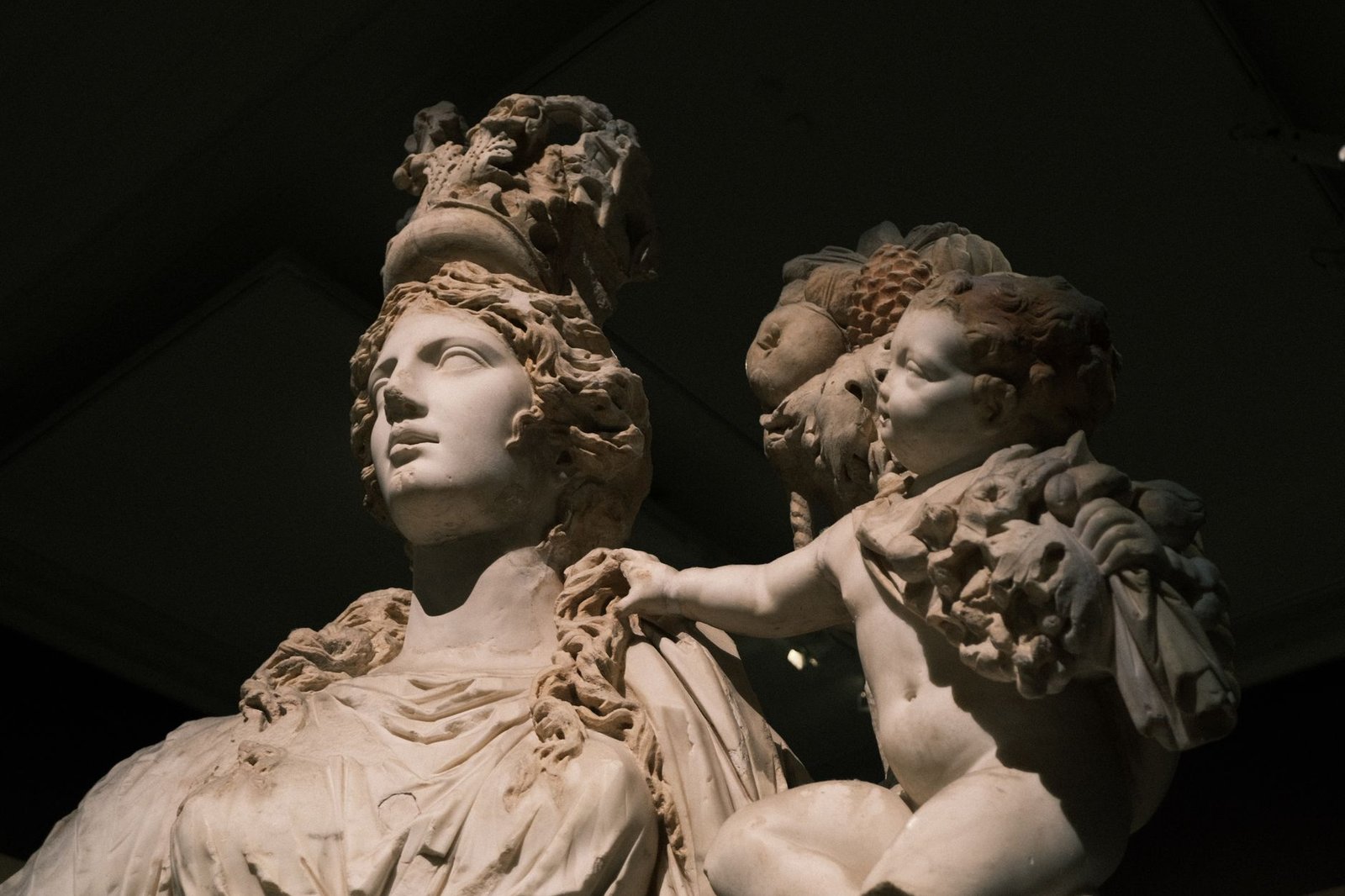
Apollo and Daphne is one of classical mythology’s most enduring tales, recounting how the nymph Daphne was transformed into a laurel tree to escape Apollo’s pursuit. Rooted in Ovid’s *Metamorphoses*, the myth explores desire, resistance, and metamorphosis while explaining why the laurel became sacred to Apollo and influential in later art and culture.
Romulus Apotheosis Into Quirinus: Roman Deification
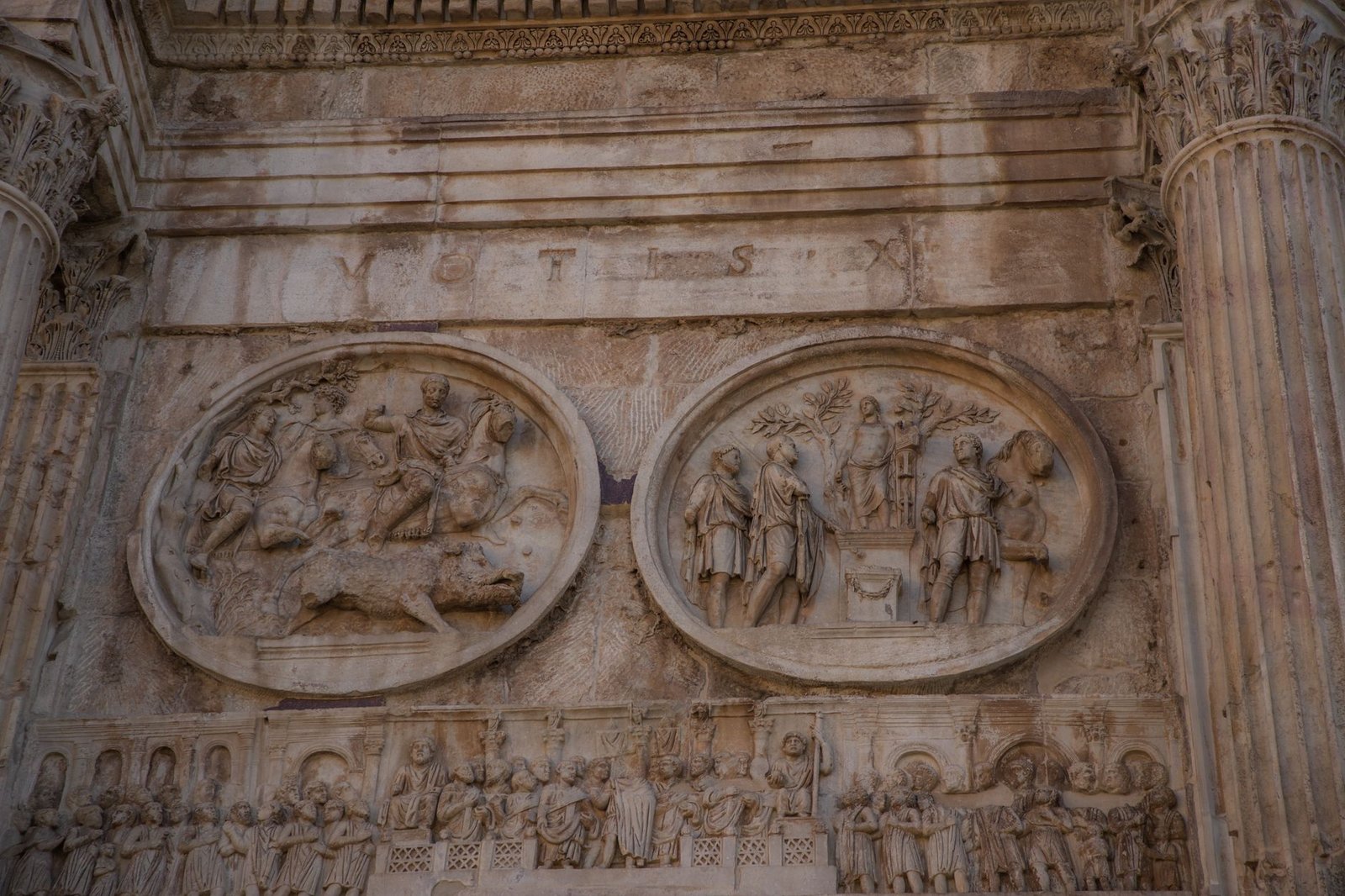
The **apotheosis of Romulus into Quirinus** is a central Roman myth linking the legendary founder of Rome to a god associated with civic identity, martial order, and the sacred life of the community. Exploring this tradition reveals how Romans fused kingship, religion, and political memory, while the shifting ancient accounts leave open questions about how the transformation was understood.