How Did Odin Lose His Eye in Norse Mythology?
Odin is one of the most powerful and mysterious gods in Norse mythology. Known as the All-Father, he rules over Asgard, leads the Aesir gods, and is associated with war, poetry, magic, death, and wisdom. Yet one of his most famous features is also one of his greatest sacrifices: Odin has only one eye.
So, how did Odin lose his eye in Norse mythology? According to the myths, Odin gave up one of his eyes willingly in exchange for a drink from the Well of Mimir, a sacred source of wisdom. This story reveals one of the most important truths about Odin’s character: he valued knowledge above comfort, power, and even his own body.
Odin’s Search for Wisdom
Odin was not simply a ruler who relied on strength. He was a seeker of hidden knowledge. In Norse mythology, wisdom was not easily gained. It often required suffering, sacrifice, and courage.
Odin constantly searched for ways to understand the universe more deeply. He wanted to know the secrets of fate, magic, runes, and the future of gods and humans. This desire led him to many dangerous places, including the roots of Yggdrasil, the great World Tree.
Yggdrasil connected the nine worlds of Norse cosmology. Beneath its roots were mysterious wells and sources of power. One of the most important of these was the Well of Mimir.
What Was the Well of Mimir?
The Well of Mimir, sometimes called Mímisbrunnr, was a sacred well located beneath one of the roots of Yggdrasil. It was guarded by Mimir, a wise being whose knowledge was unmatched.
Mimir’s well was not an ordinary spring. Its waters contained deep wisdom and insight into the hidden workings of the cosmos. Anyone who drank from it could gain extraordinary understanding.
But this wisdom came at a high price. Mimir did not simply give it away.
When Odin arrived at the well, he asked for a drink from its waters. Mimir agreed, but only if Odin paid with something of great value. The price was one of Odin’s eyes.
Odin’s Sacrifice
Odin accepted Mimir’s demand. He removed or gave up one of his eyes and placed it in the well. In return, he was allowed to drink from the sacred water.
This is how Odin lost his eye in Norse mythology: not through battle, accident, or punishment, but through deliberate sacrifice.
The story is powerful because Odin was already a god of immense authority. He did not need to prove his bravery in a simple physical sense. Instead, he showed a different kind of courage—the willingness to suffer permanent loss for wisdom.
His missing eye became a symbol of what he had gained. With one eye, Odin saw the ordinary world. Through sacrifice, he gained insight into deeper truths.
Why Did Odin Want Wisdom So Badly?
Odin’s hunger for wisdom is one of his defining traits. He knew that knowledge could shape destiny. In Norse mythology, even the gods were not free from fate. They were aware that a great final battle, Ragnarok, would one day come.
Ragnarok would bring destruction, death, and the fall of many gods, including Odin himself. By seeking wisdom, Odin hoped to understand fate and perhaps prepare for it.
His sacrifice at the Well of Mimir was part of this larger quest. Odin wanted knowledge of:
- The past and future
- The fate of gods and humans
- The secrets of magic
- The mysteries of life and death
- The hidden structure of the cosmos
For Odin, wisdom was worth more than physical perfection.
The Symbolism of Odin’s Missing Eye
Odin’s missing eye is one of the richest symbols in Norse mythology. It shows that true wisdom often requires sacrifice. The myth suggests that knowledge is not free, especially knowledge that changes how a person understands the world.
His one-eyed appearance also represents a trade between outer sight and inner vision. By losing one physical eye, Odin gained a more profound kind of perception.
The Eye as a Symbol of Sight
Eyes are naturally connected with seeing, knowing, and understanding. By giving up an eye, Odin surrendered part of his ordinary vision. But he gained spiritual and cosmic insight.
This exchange makes the myth more than just an origin story for Odin’s appearance. It becomes a lesson about the cost of wisdom.
Sacrifice as a Norse Theme
Sacrifice appears often in Norse mythology. Heroes, gods, and humans must frequently give up something valuable to gain power, honor, or knowledge.
Odin’s sacrifice at the well is similar to another famous myth in which he hangs himself from Yggdrasil for nine nights to gain knowledge of the runes. In both stories, Odin suffers willingly to obtain hidden wisdom.
Did Odin Regret Losing His Eye?
The myths do not describe Odin as regretting his decision. Instead, his missing eye becomes part of his identity. It marks him as a god who paid the price for knowledge.
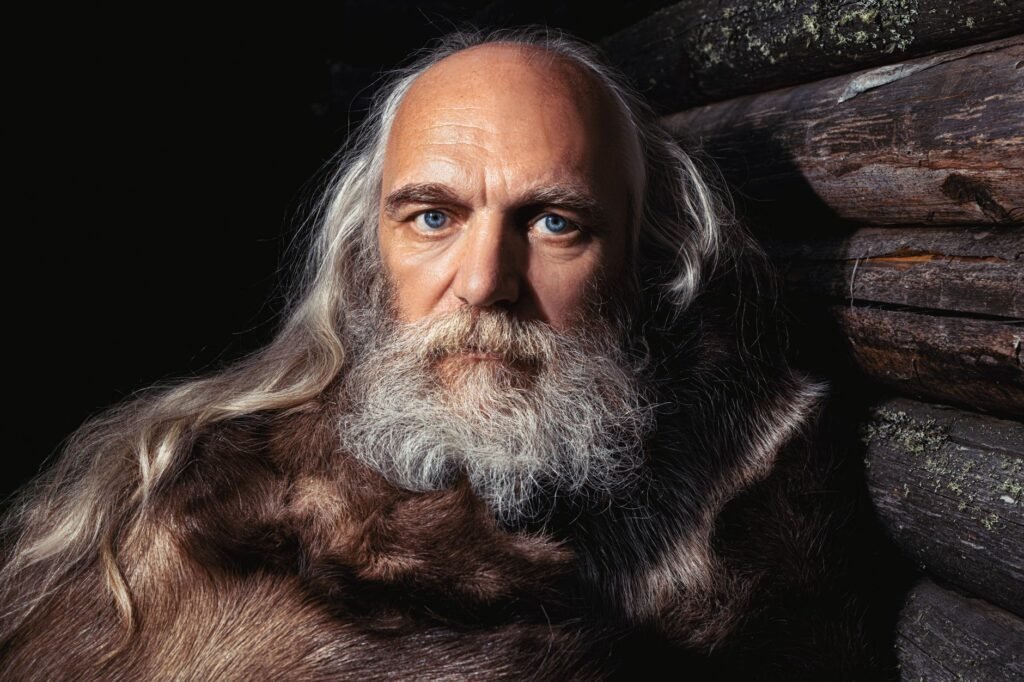
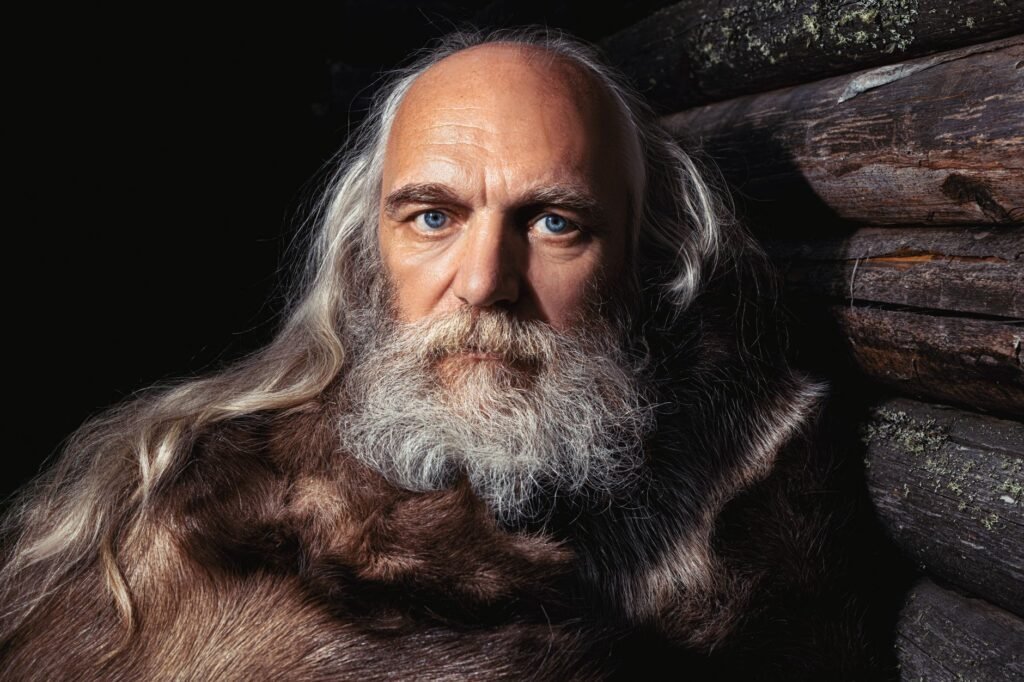
In many depictions, Odin is shown as an old, cloaked wanderer with a broad hat, a spear, ravens, wolves, and one piercing eye. His missing eye adds to his mysterious and unsettling presence.
Rather than weakening him, the sacrifice makes him more powerful and respected. It proves that he is willing to do what others would not.
What Happened to Odin’s Eye?
In the myth, Odin’s eye remains in the Well of Mimir. This detail strengthens the connection between Odin and the well’s wisdom. His eye is not merely lost; it is deposited in a sacred place as payment.
Some interpretations imagine the eye still resting deep in the water, symbolically watching from the depths of knowledge. This image captures the myth’s central idea: Odin traded part of himself for a vision that went beyond the physical world.
The Meaning of the Myth Today
The story of how Odin lost his eye in Norse mythology remains memorable because it speaks to a timeless idea. Wisdom has a cost. Real understanding may require sacrifice, humility, and the willingness to give up something precious.
Odin’s choice also challenges the idea that power is only about strength. As king of the gods, he could fight and command, but his greatest power came from knowledge. His missing eye reminds us that insight often comes through loss and struggle.
Conclusion
Odin lost his eye by sacrificing it to Mimir in exchange for a drink from the Well of Mimir, a sacred source of wisdom beneath Yggdrasil. This act was not a defeat but a conscious choice. Odin gave up part of his physical sight to gain deeper knowledge of the cosmos, fate, and hidden truths.
The myth remains one of the most important stories about Odin because it reveals who he truly is: a god willing to pay any price for wisdom. His one eye is not a sign of weakness, but a symbol of sacrifice, vision, and the endless search for understanding.

Orin Vale has spent the better part of two decades tracing the threads that connect the world’s oldest stories — from the halls of Asgard to the banks of the Nile, from Olympus to the jungles of the Maya. What began as a childhood fascination with flood myths and trickster gods grew into years of independent study across comparative mythology and ancient religion, always chasing the same question: what did these stories mean to the people who first told them? Orin writes for readers who want more than trivia — the ones looking for the beliefs, fears, and truths that myths were built to carry.