ancient Egyptian beliefs
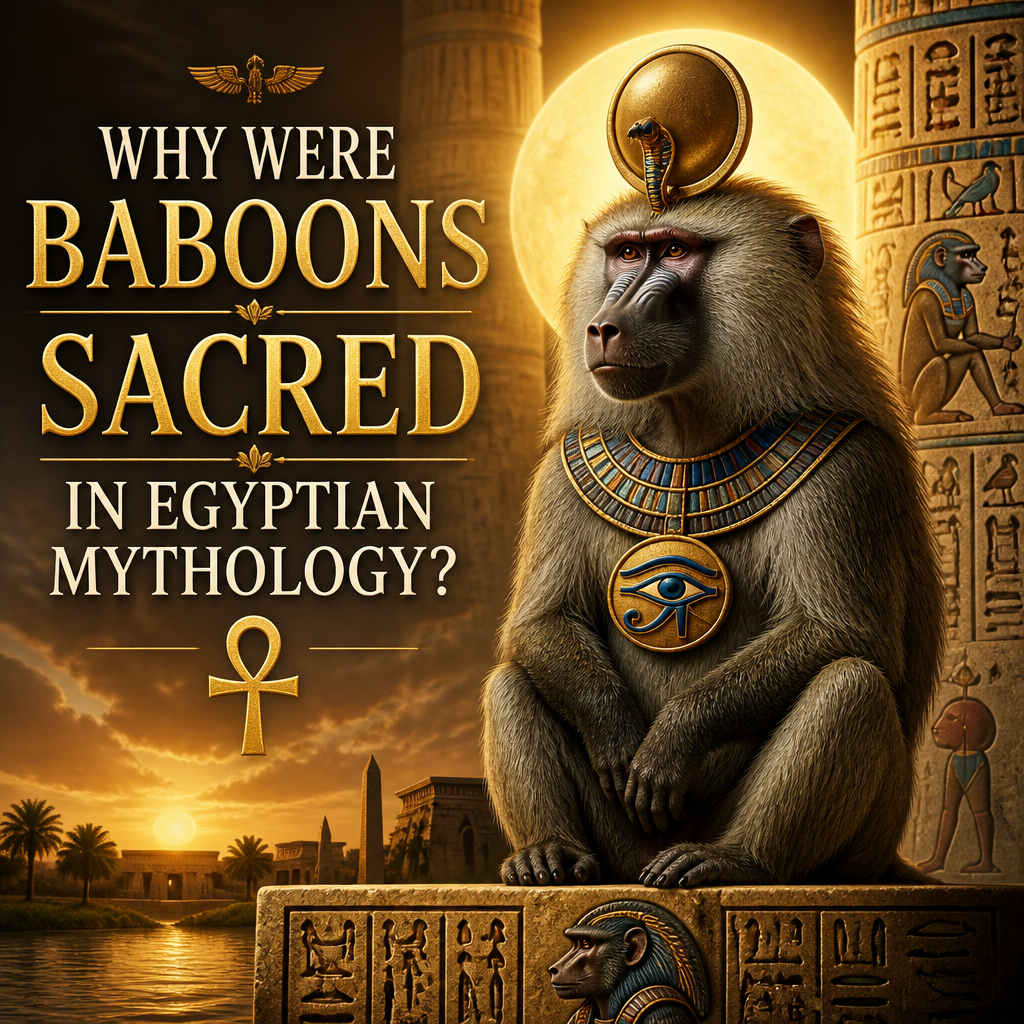
Why Were Baboons Sacred in Egyptian Mythology?
Discover why baboons sacred in Egyptian mythology were linked to Thoth, wisdom, the moon, and divine judgment in ancient Egyptian belief.

Feather of Ma’at in Egyptian Mythology: Meaning and Symbolism
The feather of Maat in Egyptian mythology is the emblem of truth, justice, balance, and cosmic order, most often represented by an ostrich feather linked to the goddess Maat. Central to funerary belief, it played a decisive role in the judgment of the dead, where a soul’s heart was measured against it to reveal moral worth and eternal fate.
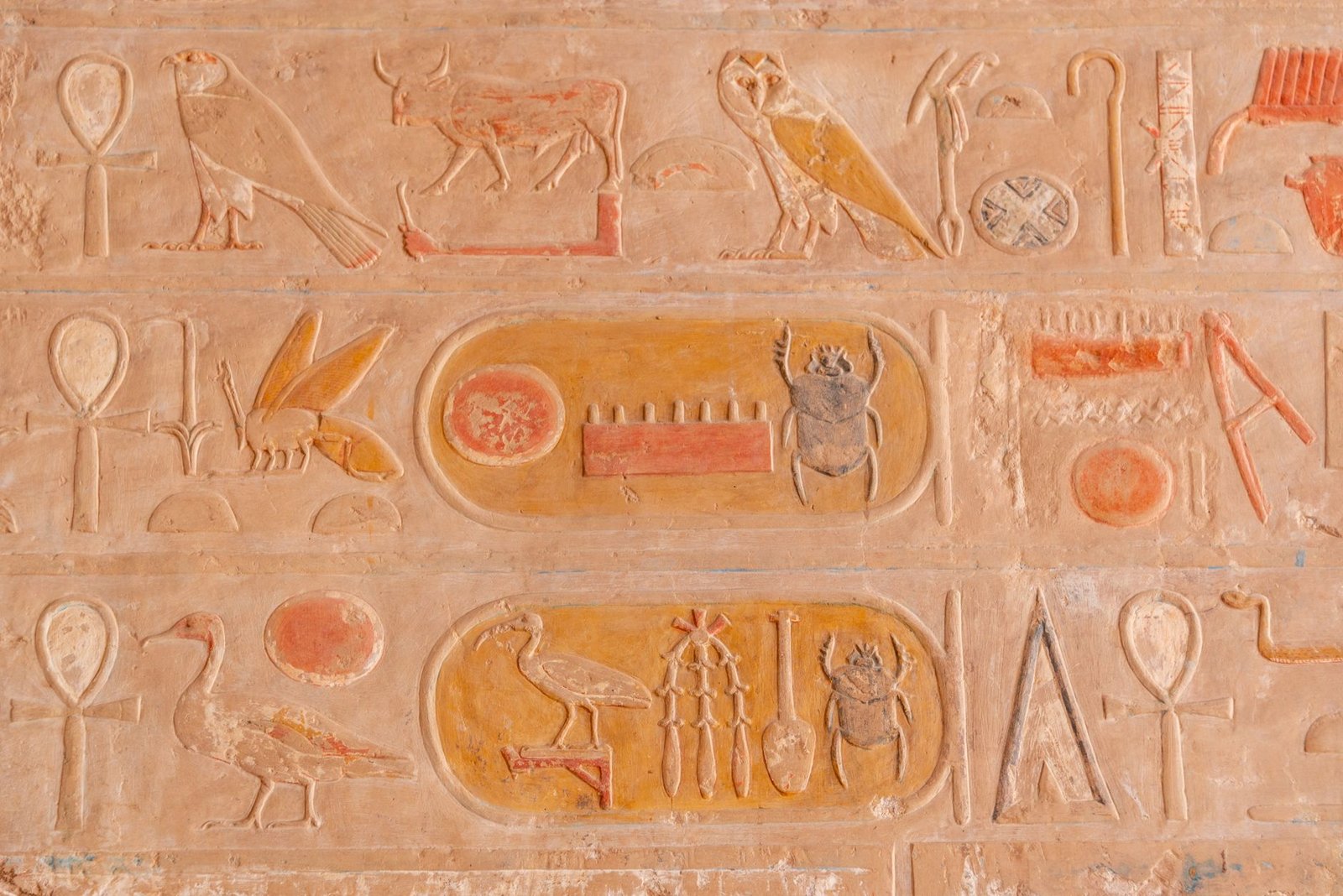
What Does the Sedge Plant Symbolize in Egyptian Mythology?
In Egyptian mythology, the sedge plant symbolizes Upper Egypt, kingship, and the king’s rightful authority, appearing most famously beside the bee in the emblem of unified rule. This article explores how such a simple plant became a powerful sign of political legitimacy, order, and the sacred geography of ancient Egypt.
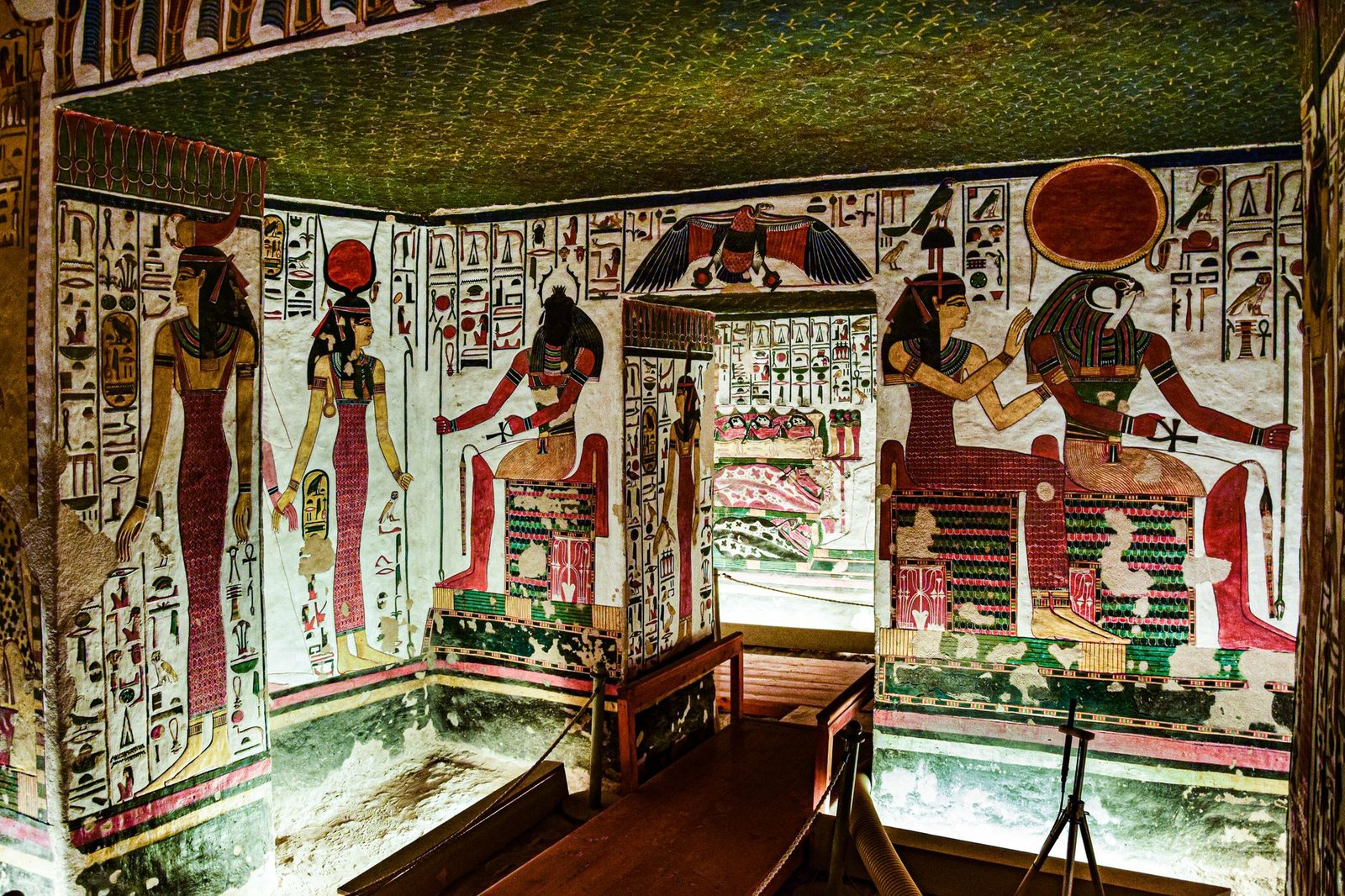
Who Is Geb in Egyptian Mythology? Facts and Meaning
Who is Geb in Egyptian mythology? He is the ancient earth god, a central figure tied to fertility, vegetation, kingship, and the ordered cosmos, and one member of a powerful divine family that includes Nut, Osiris, Isis, Set, and Nephthys. Exploring Geb reveals how Egyptians understood the land itself as a living force, shaping myths of creation, inheritance, and rebirth.
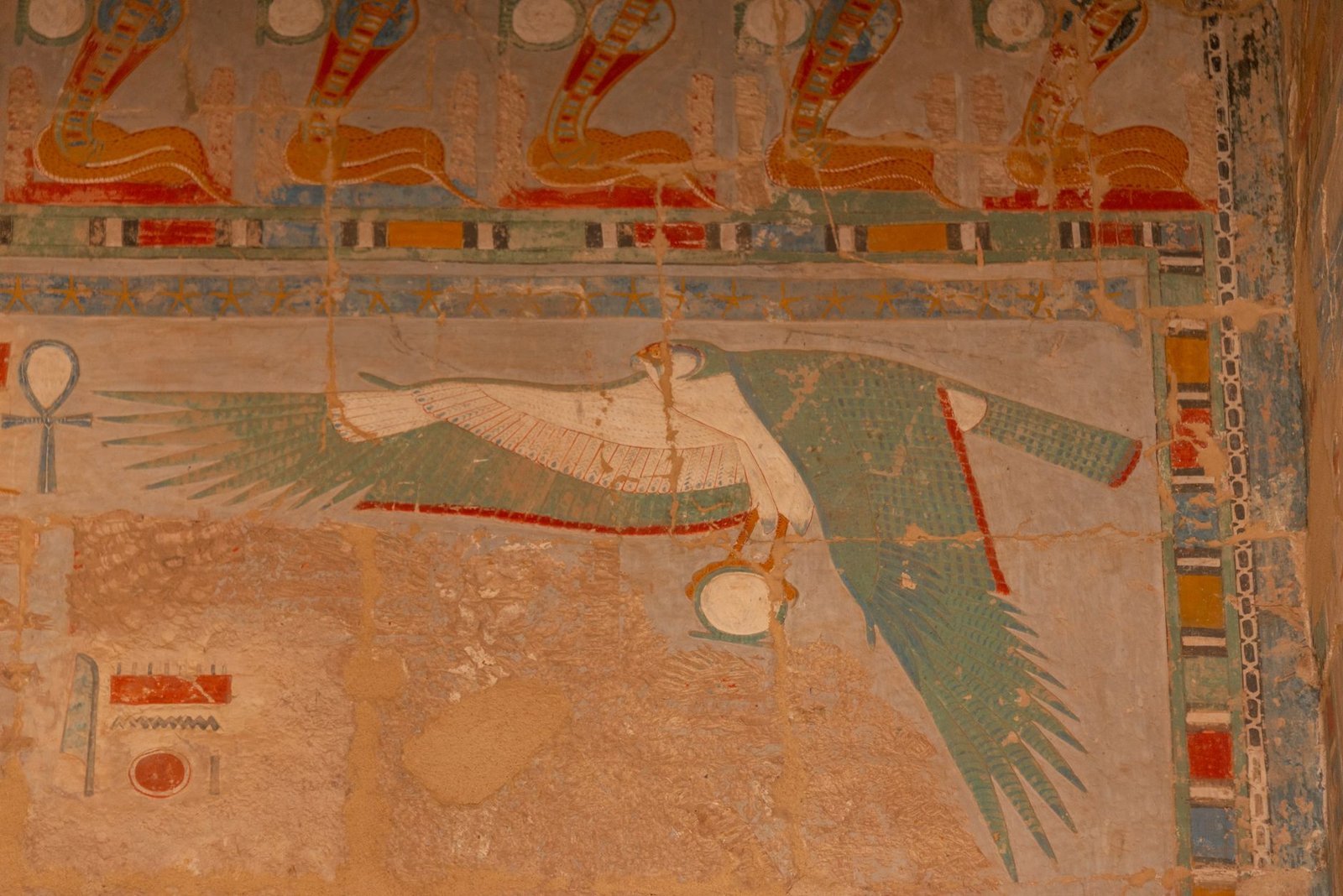
Who Is Montu in Egyptian Mythology? God of War Explained
Who is Montu in Egyptian mythology? Montu was an ancient Egyptian war god tied to royal authority, military strength, and the fierce energy of the sun, especially revered in Upper Egypt. This overview traces his rise from a local Theban deity to a symbol of victorious kingship, revealing why his role in temple reliefs and royal inscriptions remains significant.
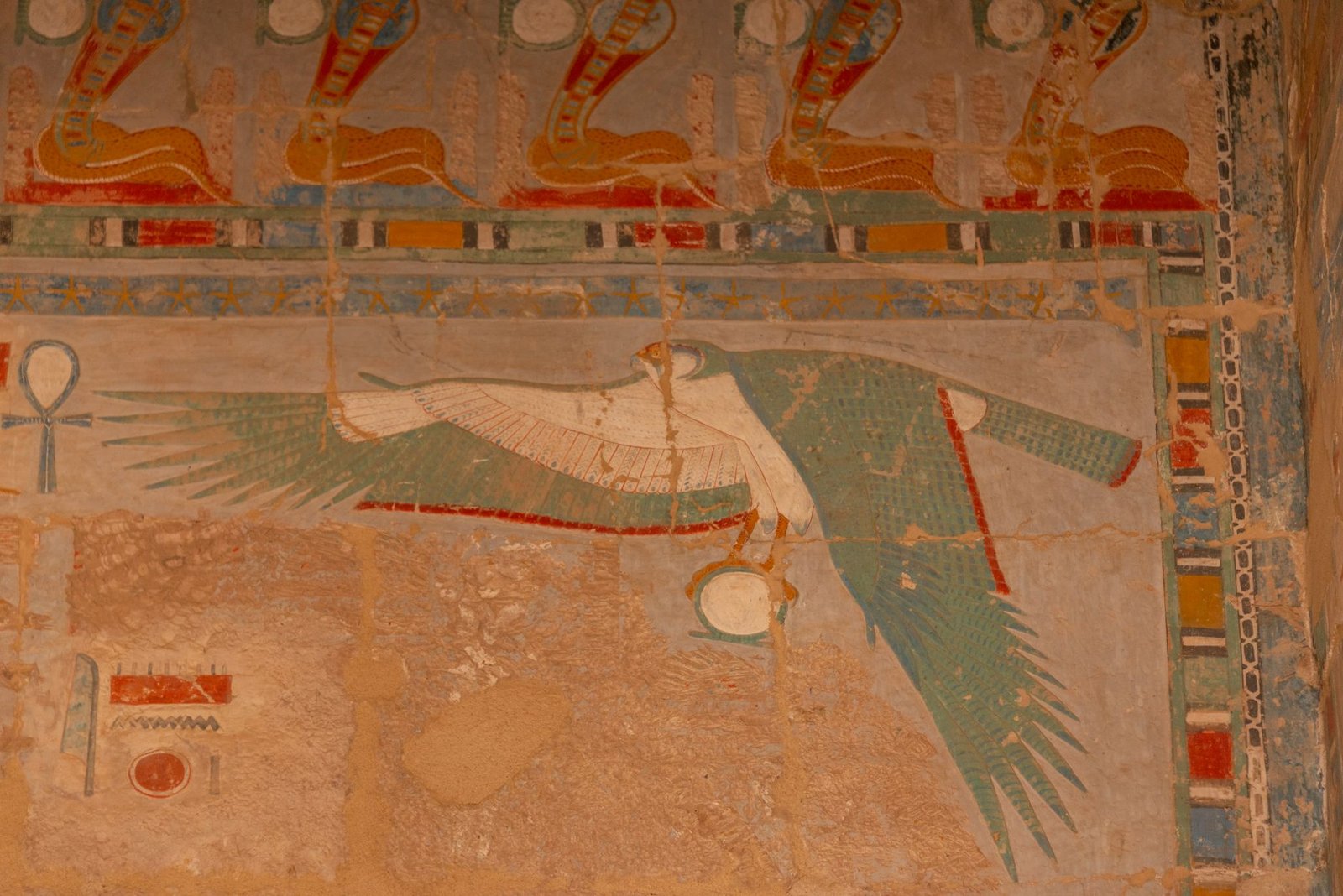
Who Is Apep in Egyptian Mythology? Meaning and Role
Apep in Egyptian mythology is the great serpent of chaos, darkness, and cosmic disruption, better known in Greek as Apophis and feared as the eternal enemy of Ra. Exploring who Apep is reveals how the ancient Egyptians explained the nightly struggle between order and disorder, and why his threat mattered so deeply to their view of the universe.
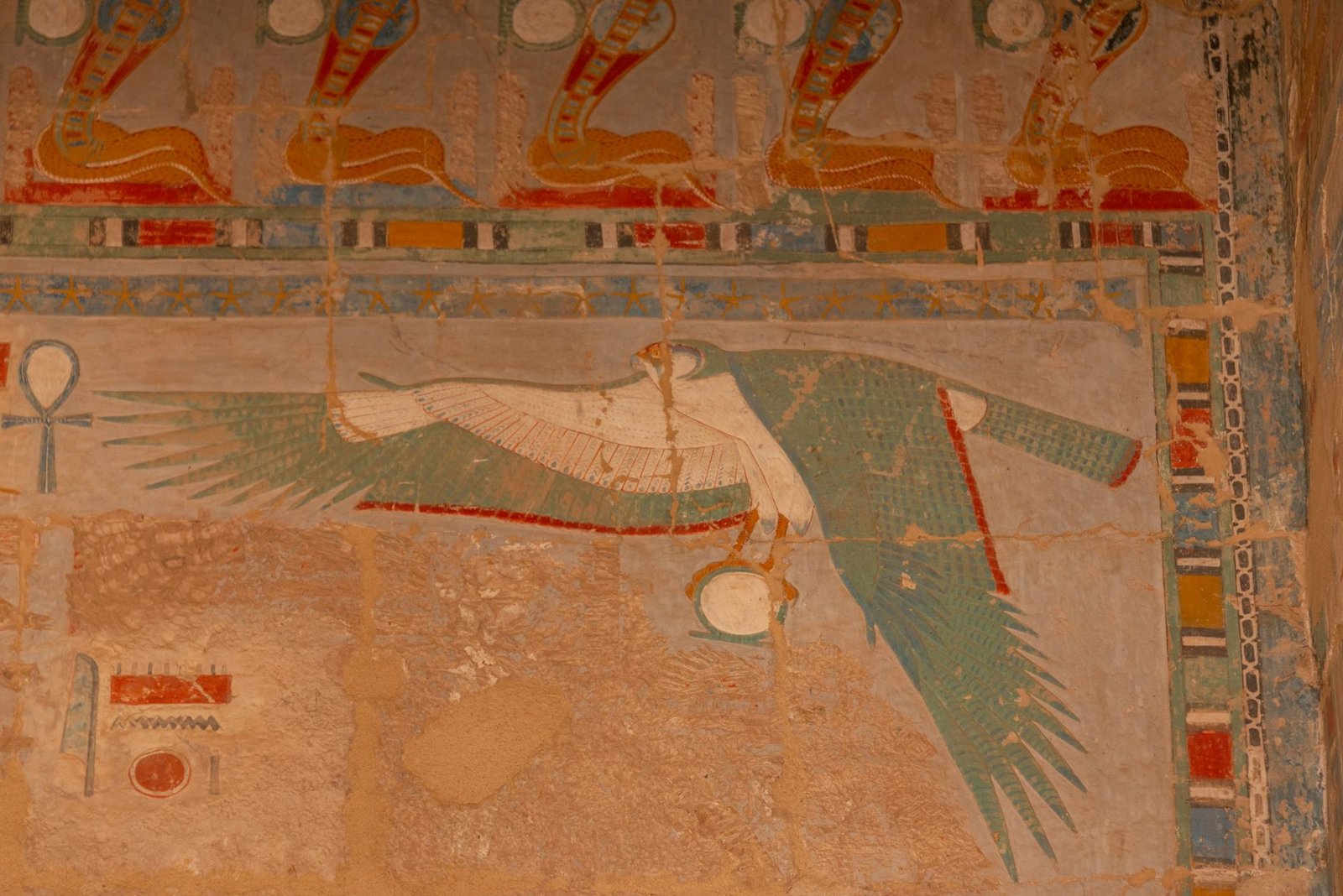
What Is the Ogdoad in Egyptian Mythology?
The Ogdoad in Egyptian mythology is a group of eight primordial deities who embodied the dark, watery, hidden state of the universe before creation. Rooted in the theology of Hermopolis, this complex concept reveals how ancient Egyptians explained the emergence of order, and why these deities remain central to understanding their cosmology.