ancient Egyptian symbols
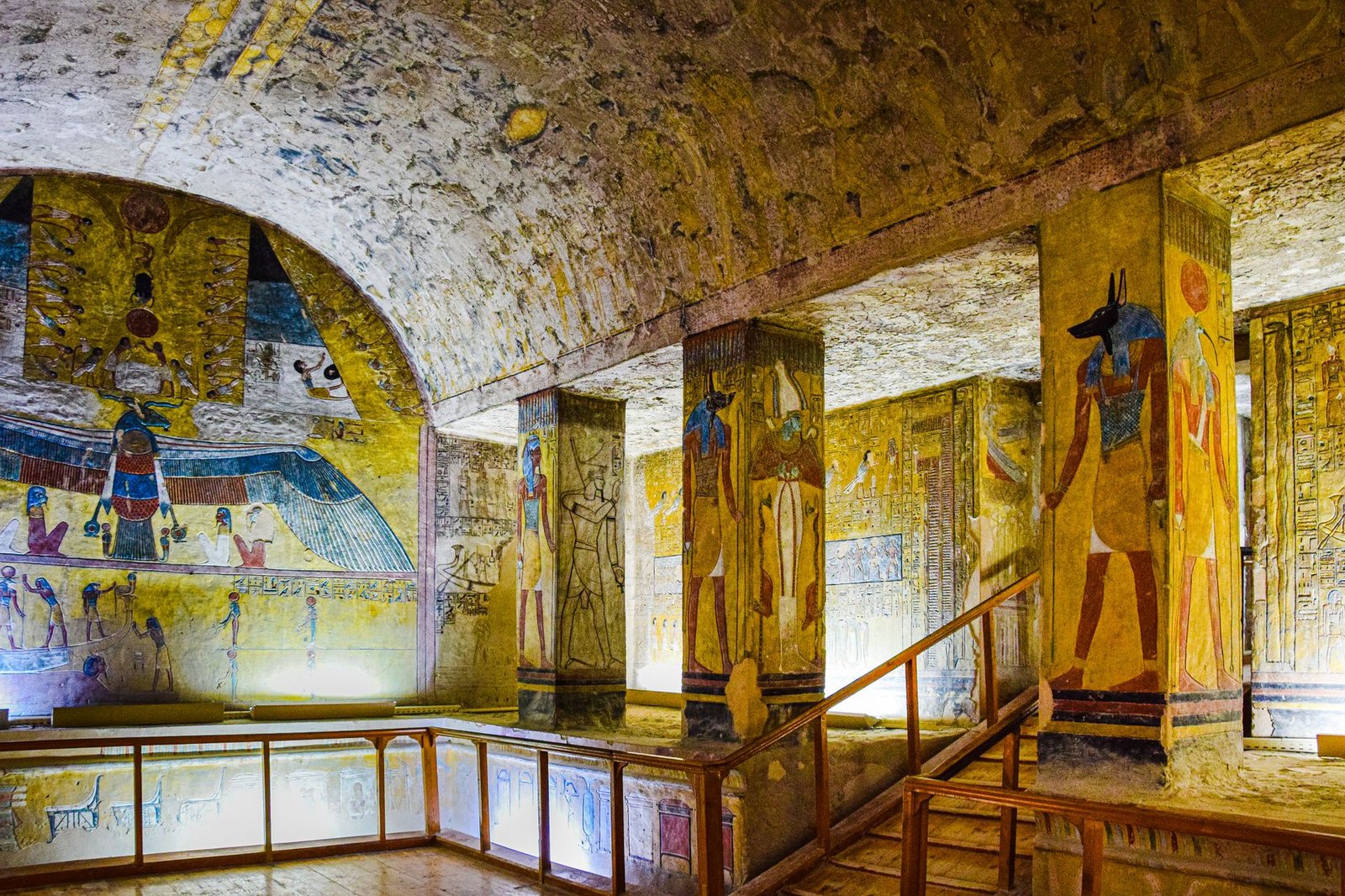
Eye of Horus in Egyptian Mythology: Meaning and Origins
The Eye of Horus in Egyptian mythology is a powerful symbol of healing, protection, royal authority, and restored wholeness, rooted in the story of Horus’s injured eye and its divine repair. Its long history in amulets, funerary art, and temple imagery reveals how a single emblem came to embody both personal wellbeing and cosmic order.

What Is the Tyet Knot in Egyptian Mythology?
The tyet knot is an ancient Egyptian symbol of protection, healing, and rebirth, closely linked to Isis and especially prominent in funerary religion. This concise emblem, whose origins may lie in everyday knots or ritual textiles, invites a deeper look at how Egyptians transformed ordinary forms into sacred power.
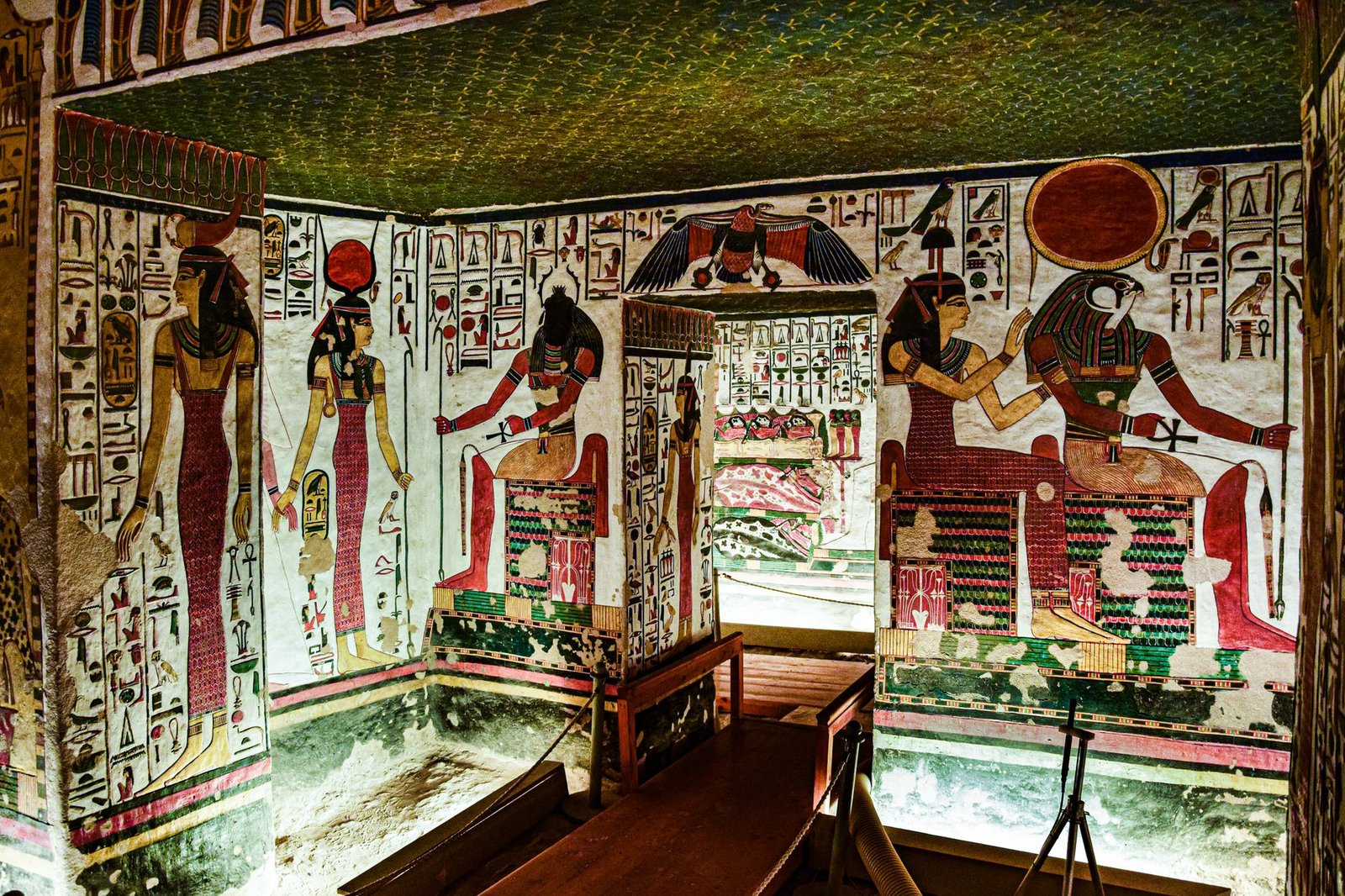
What Is the Shen Ring in Egyptian Mythology?
The shen ring in Egyptian mythology is a powerful symbol of eternity, protection, and completeness, recognized by its enclosed circular form. More than a decorative motif, it appears in royal and divine contexts, where its meaning reveals how ancient Egyptians linked visual symbols with sacred power and cosmic order.
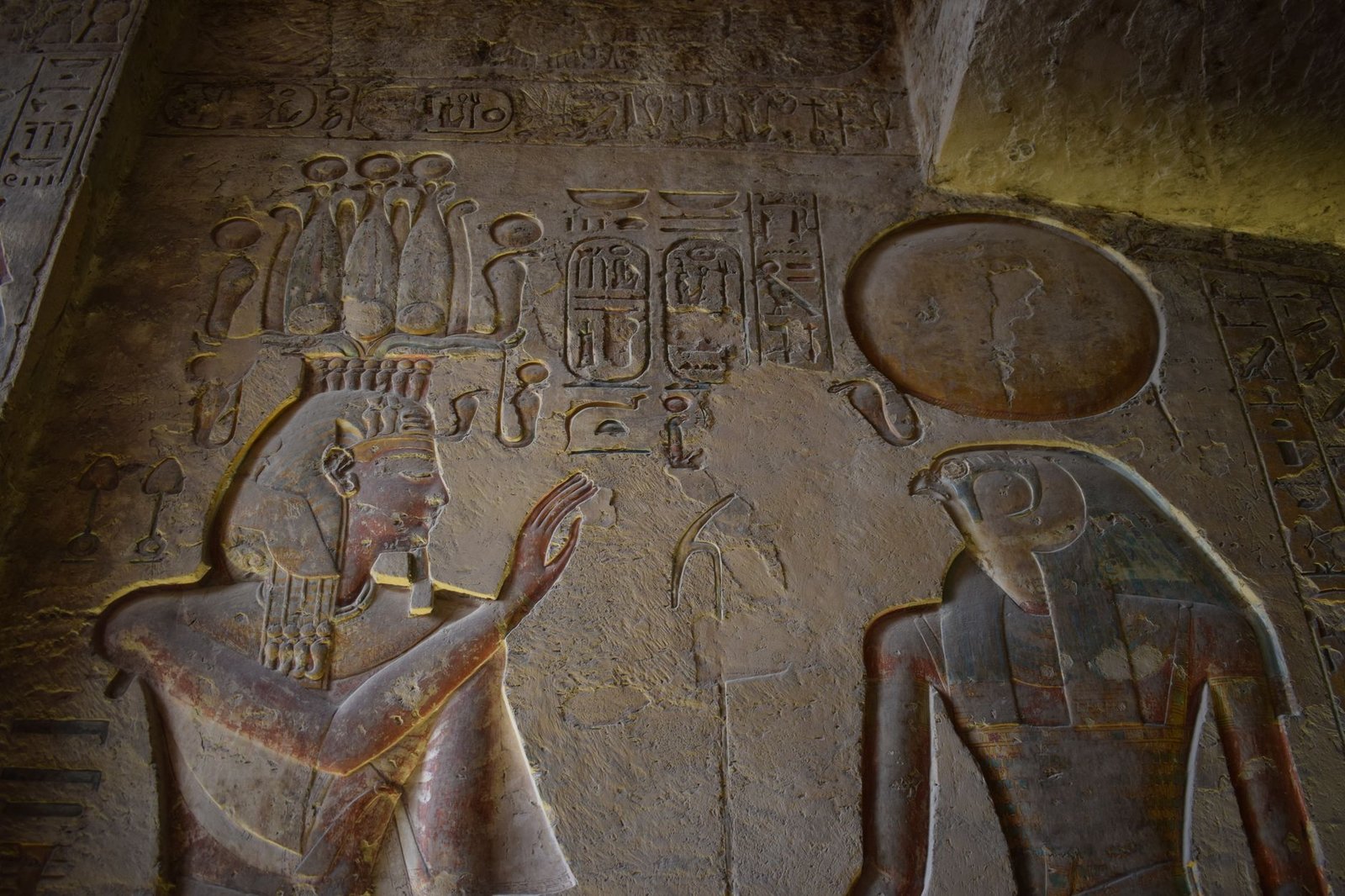
Who Is Horus in Egyptian Mythology? God of the Sky
Who is Horus in Egyptian mythology? He is a multifaceted sky god, falcon deity, and divine heir of Osiris and Isis, closely tied to kingship, protection, and the restoration of order. Across Egypt’s long religious history, Horus took on different forms and meanings, from the avenging rival of Seth to the enduring symbol behind the Eye of Horus.