ancient Japanese beliefs
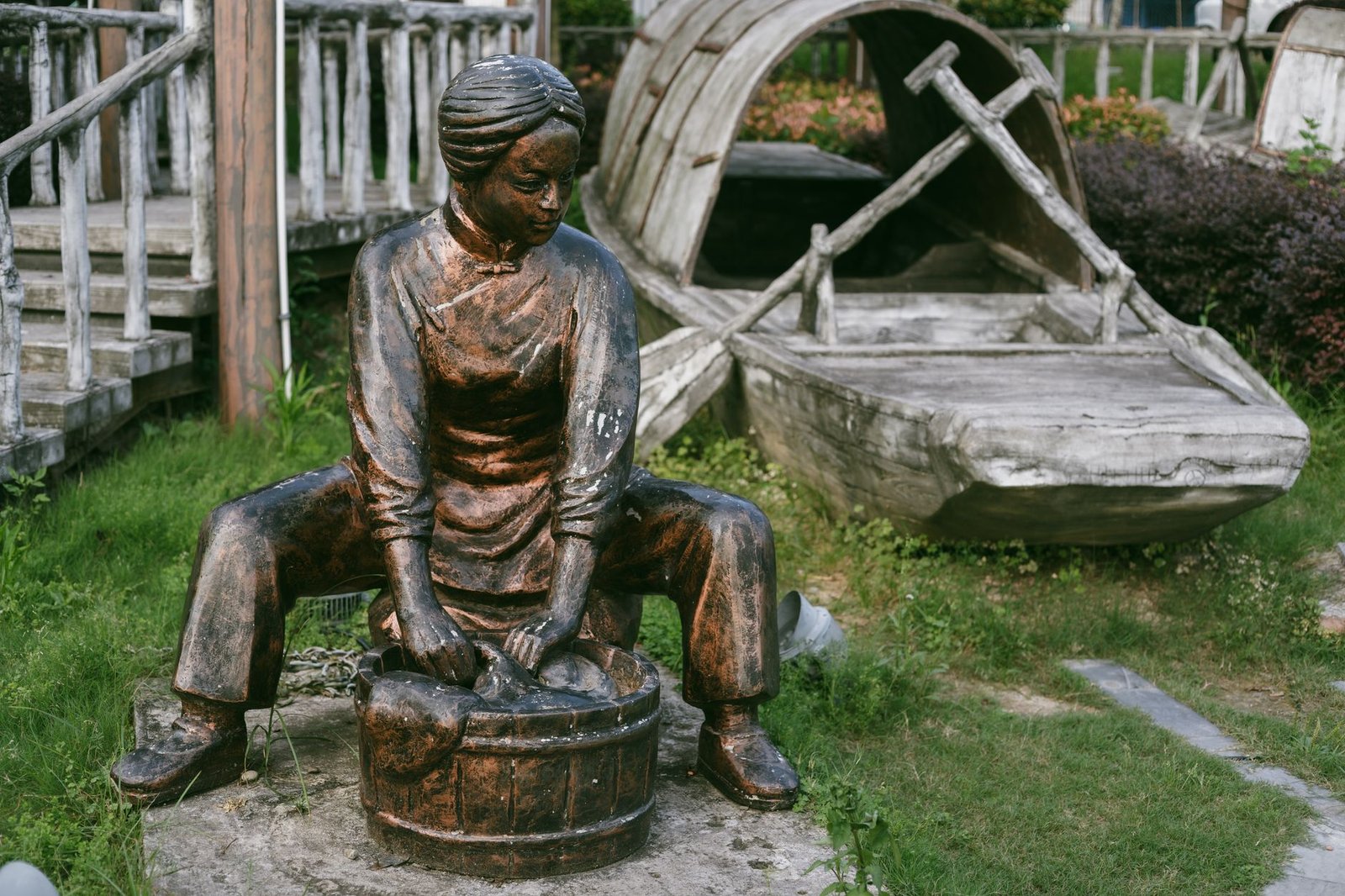
Gashadokuro: Japanese Giant Skeleton Yokai Legend
Gashadokuro is a colossal skeletal yokai from Japanese folklore, said to be formed from the unburied dead and driven by hunger, war, and spiritual unrest. This encyclopedia entry explores its name, origins, cultural meaning, and the tales and artworks that shaped its fearsome modern image.
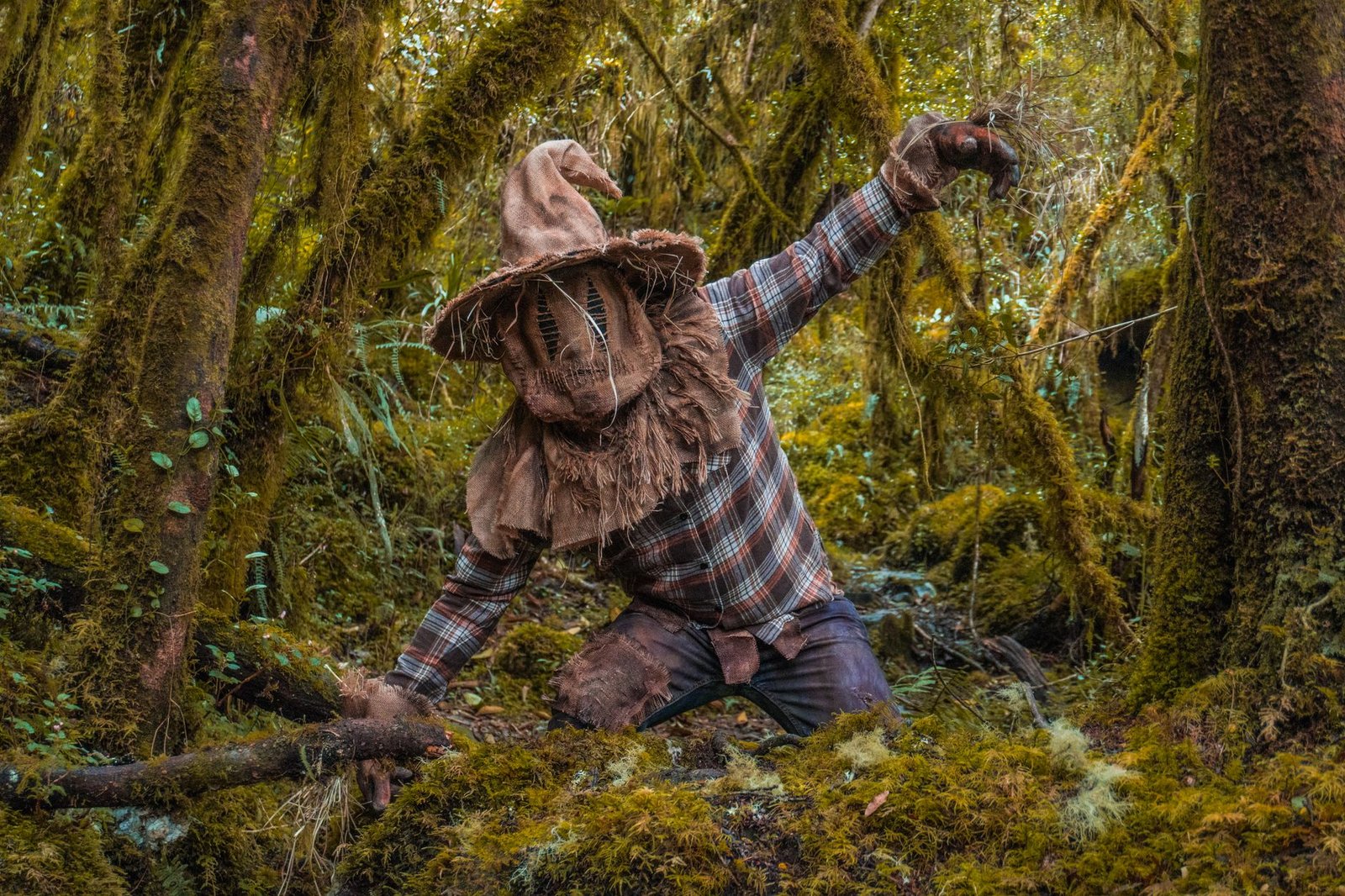
Umibozu: Japanese Sea Monster Legend and Folklore
Umibozu is a Japanese sea yōkai often described as a vast, dark, monk-like figure that rises from the water and endangers ships, though its form varies widely in regional lore. Rooted in the hazards of maritime life and the imagination of coastal communities, it remains one of Japan’s most enduring sea monsters, with a rich history that invites closer study.
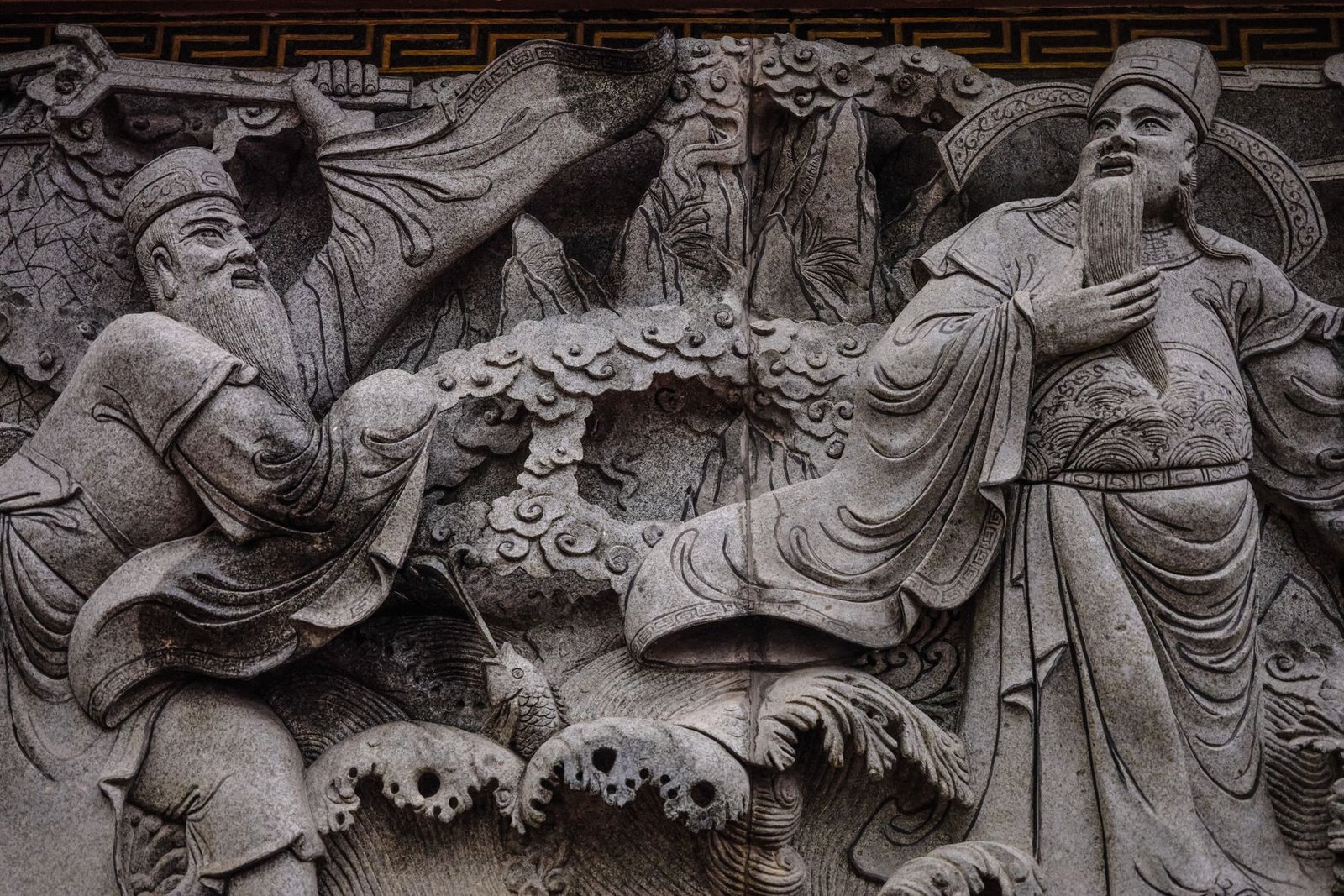
Izanagi: Japanese Creation God in Shinto Mythology
Izanagi is a central deity in Japanese mythology, remembered with Izanami as a primeval couple whose actions helped shape the islands, the kami, and the ritual ideas at the heart of Shinto. His stories, preserved in the *Kojiki* and *Nihon Shoki*, also reveal how creation, purification, and the boundary between life and death are understood in early Japanese tradition.
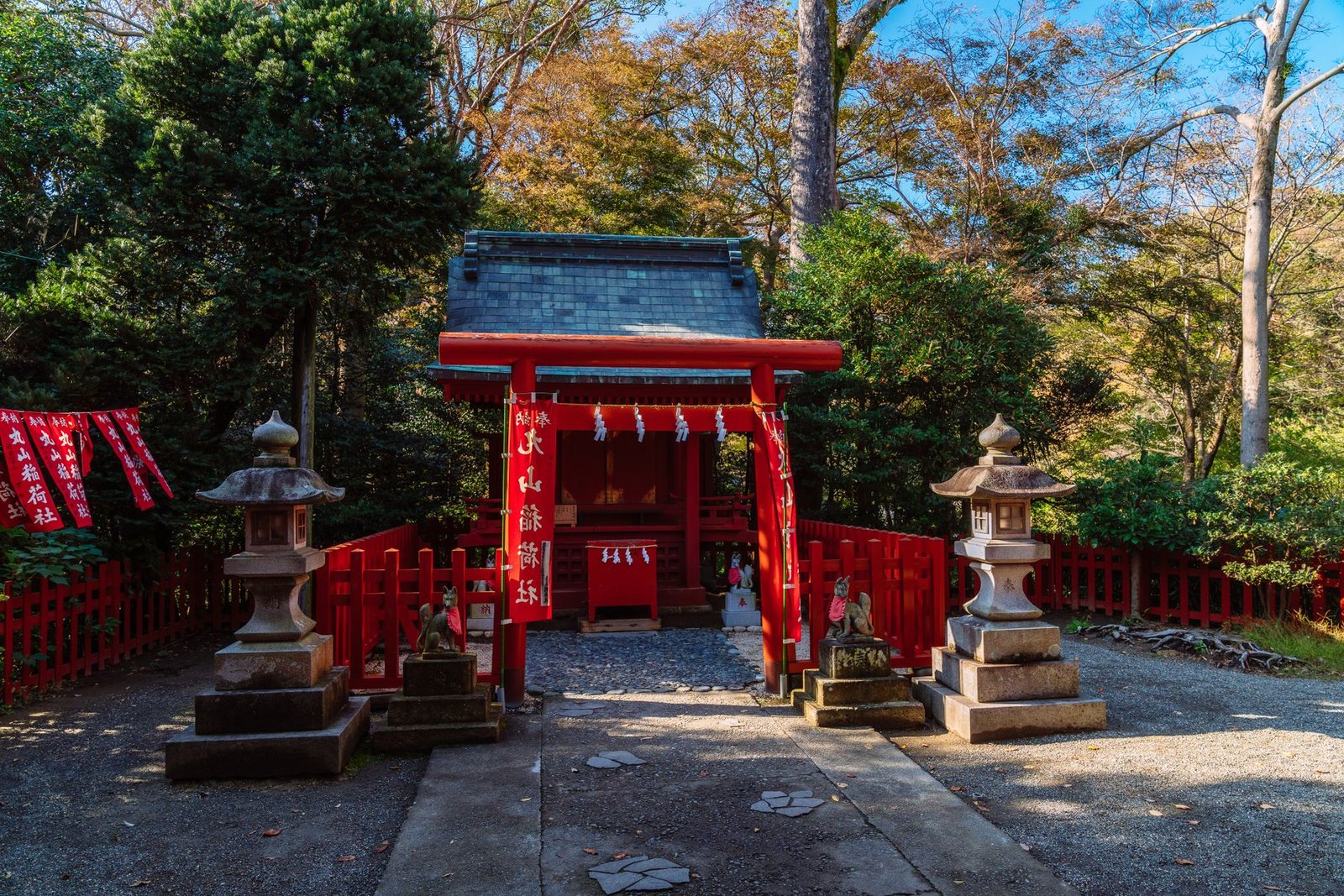
Hachiman: Shinto God of War and Protector of Japan
Hachiman is a major kami in Japanese religion, revered as a protector of warriors, communities, and the imperial house, while also reflecting the blending of native belief with Buddhist influence. This article traces his origins, the meaning of his name, and the rise of Hachiman shrines, revealing why this complex deity became central to Japanese history and worship.
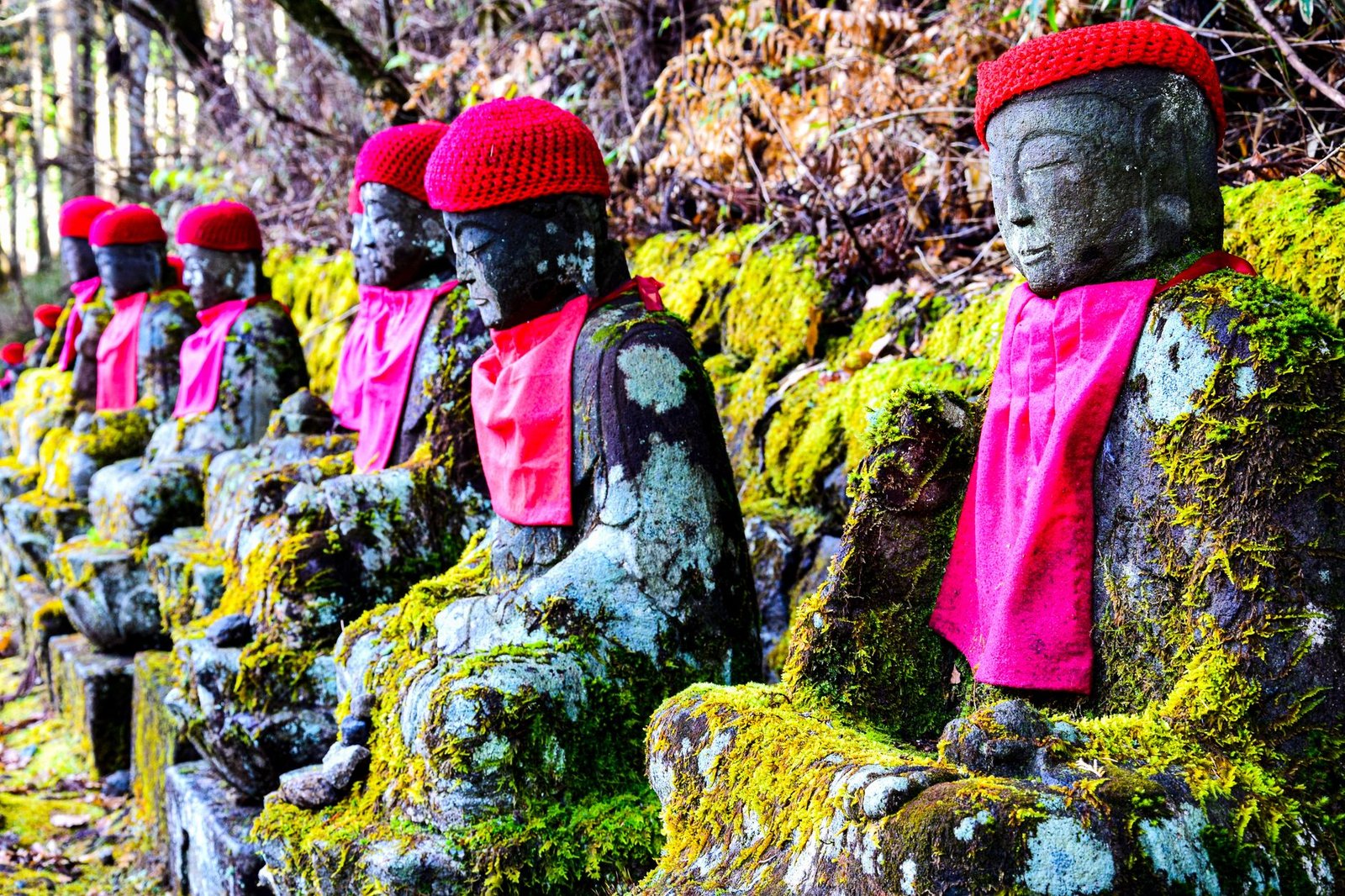
Difference Between Shinto Kami and Buddhist Deities in Japan
The difference between Shinto kami and Buddhist deities in Japan lies in their origins, functions, and religious meanings: kami are indigenous sacred presences tied to nature, ancestors, and place, while Buddhist figures such as Buddhas and bodhisattvas come from a continental tradition centered on enlightenment. Exploring how these beings were distinguished, blended, and reinterpreted in Japanese history reveals a complex spiritual landscape that still shapes shrine and temple culture today.