ancient rome
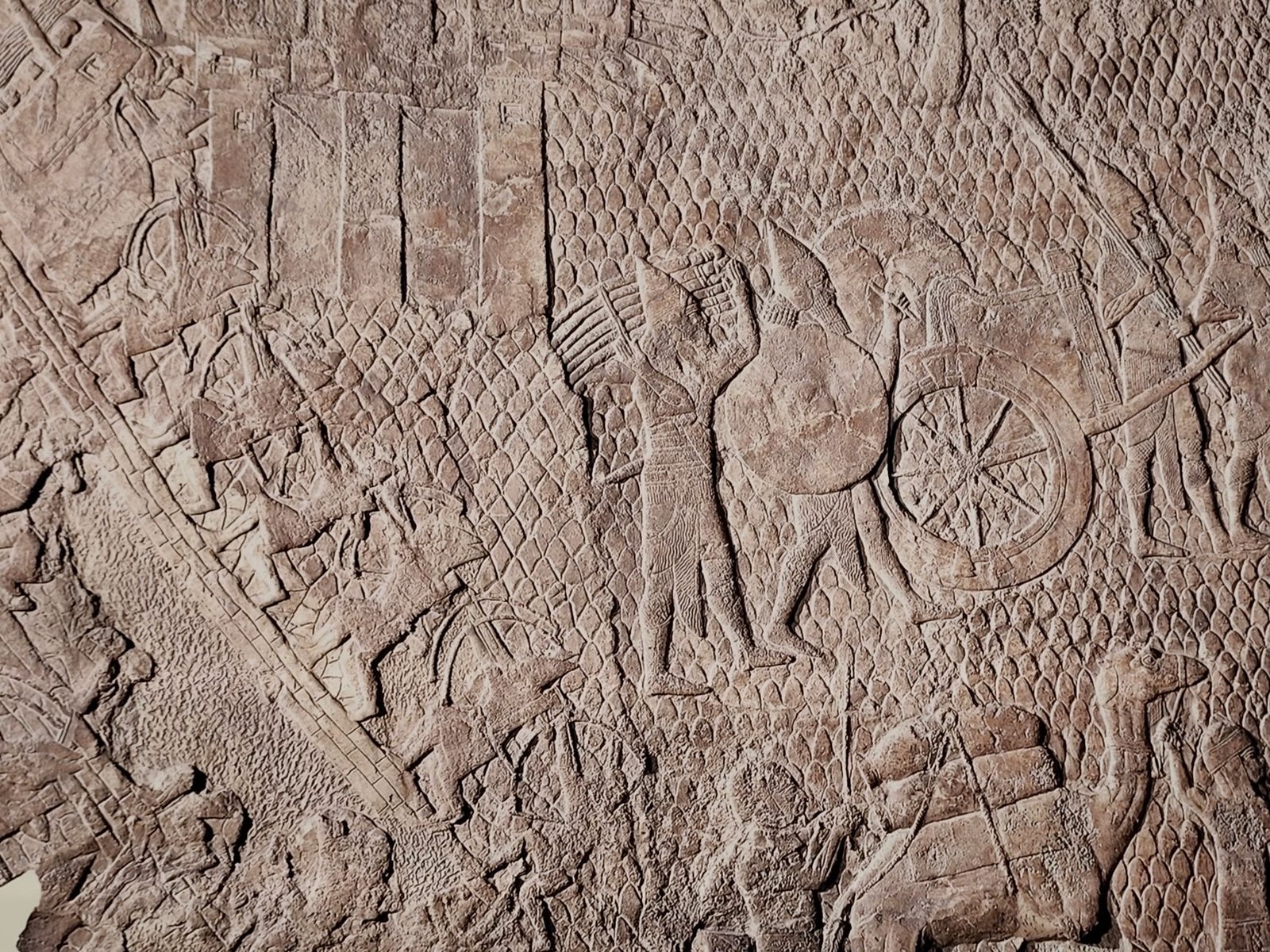
War in Latium: History, Causes, and Significance
The War in Latium refers to the early conflicts that shaped Rome’s rise among the Latin communities of central Italy, blending history, legend, and civic memory. Exploring its origins, major battles, and political consequences reveals how these struggles helped define Roman identity and set the stage for later expansion.

The Death of Remus: Roman Mythology and Meaning
The death of Remus is a central episode in Roman foundation myth, portraying the fatal conflict between the twin brothers Remus and Romulus as a turning point in the birth of Rome. Told in multiple ancient versions, the story explores themes of boundary, authority, and fratricide, inviting readers to examine how myth shaped Roman ideas of law and power.
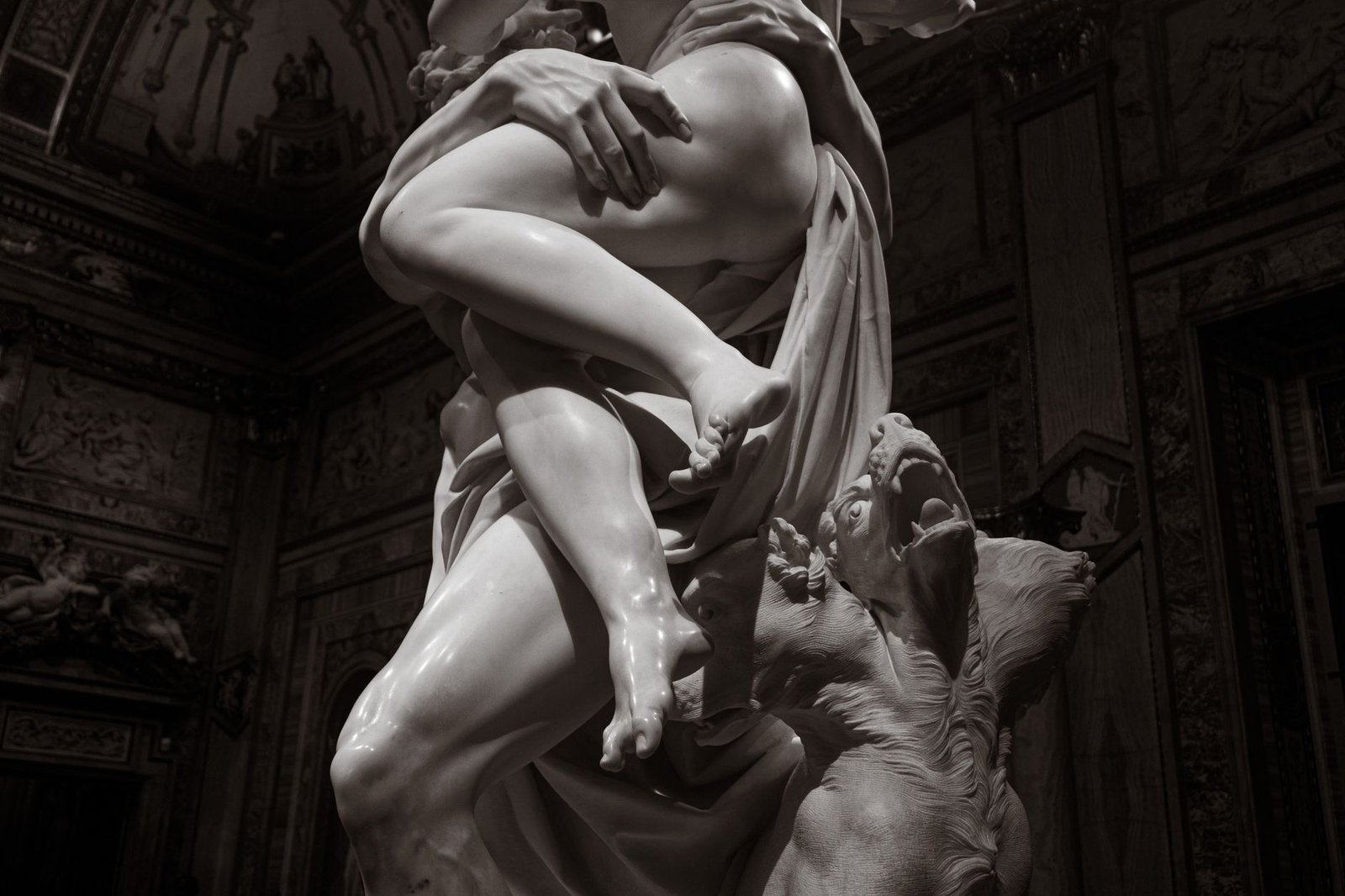
The Rape of the Sabine Women: Meaning, History, and Art
The Rape of the Sabine Women is a foundational Roman legend describing how the first Romans seized Sabine women to secure wives and, in later versions, forge alliances with neighboring peoples. Revered in ancient historiography and later art, the story reveals how Rome explained its origins, mixed identity, and the tensions at the city’s very beginning.
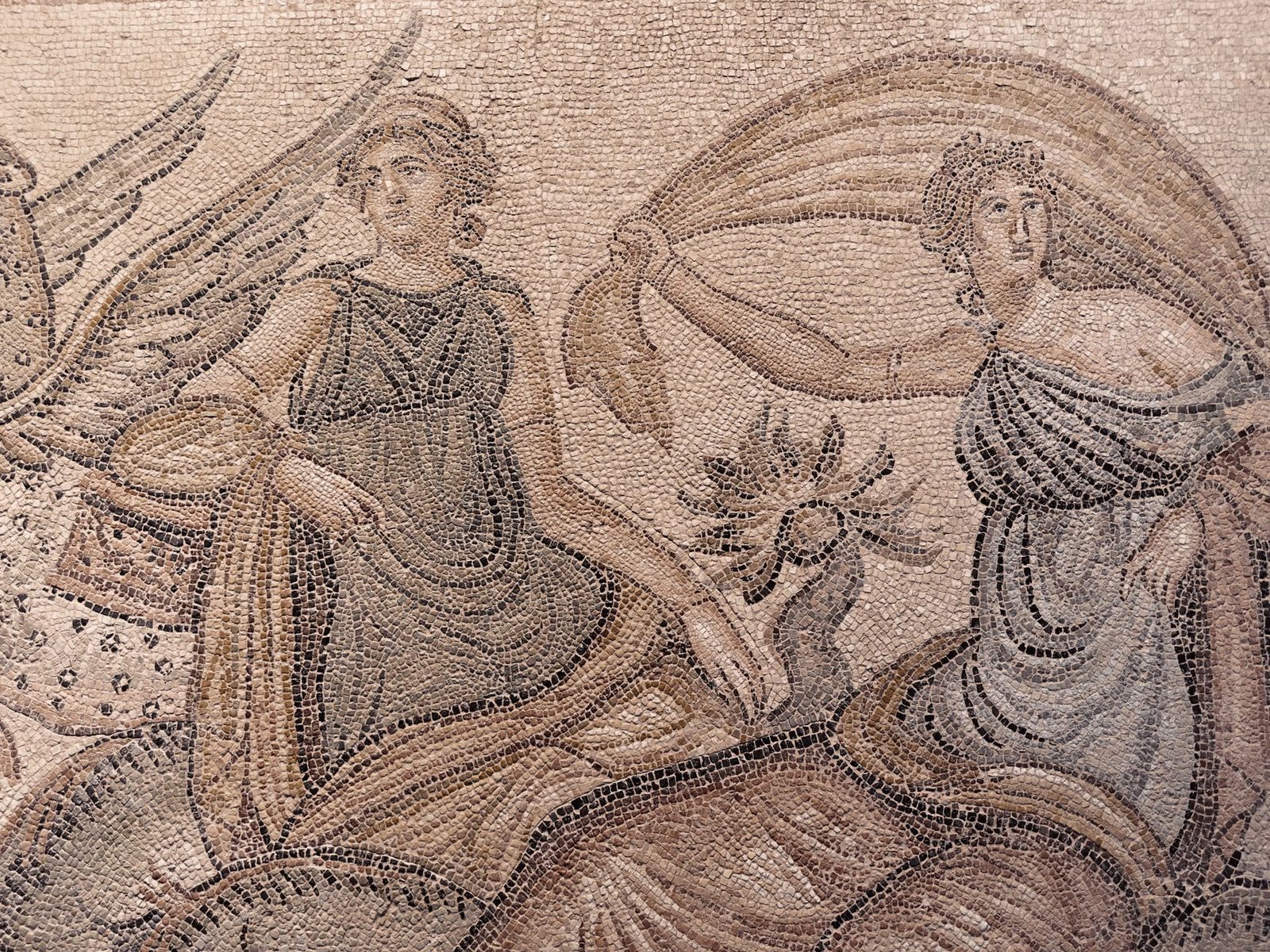
Numa Pompilius and the Nymph Egeria: Roman Legend
Numa Pompilius and the nymph Egeria stand at the crossroads of Roman legend and religious history, linking the city’s second king with the divine source of his reforms. This article explores how ancient writers used their association to explain Rome’s rites, calendar, and priesthoods, while revealing the shifting traditions that kept Egeria’s role both sacred and mysterious.

The Horatii and the Curiatii: Roman Legend and Myth
The Horatii and the Curiatii are central figures in one of Rome’s best-known legendary episodes, a duel between two noble families said to have decided the fate of Rome and Alba Longa. Blending myth, politics, and moral exemplum, the story reveals how early Roman tradition framed courage, civic duty, and the cost of conflict.
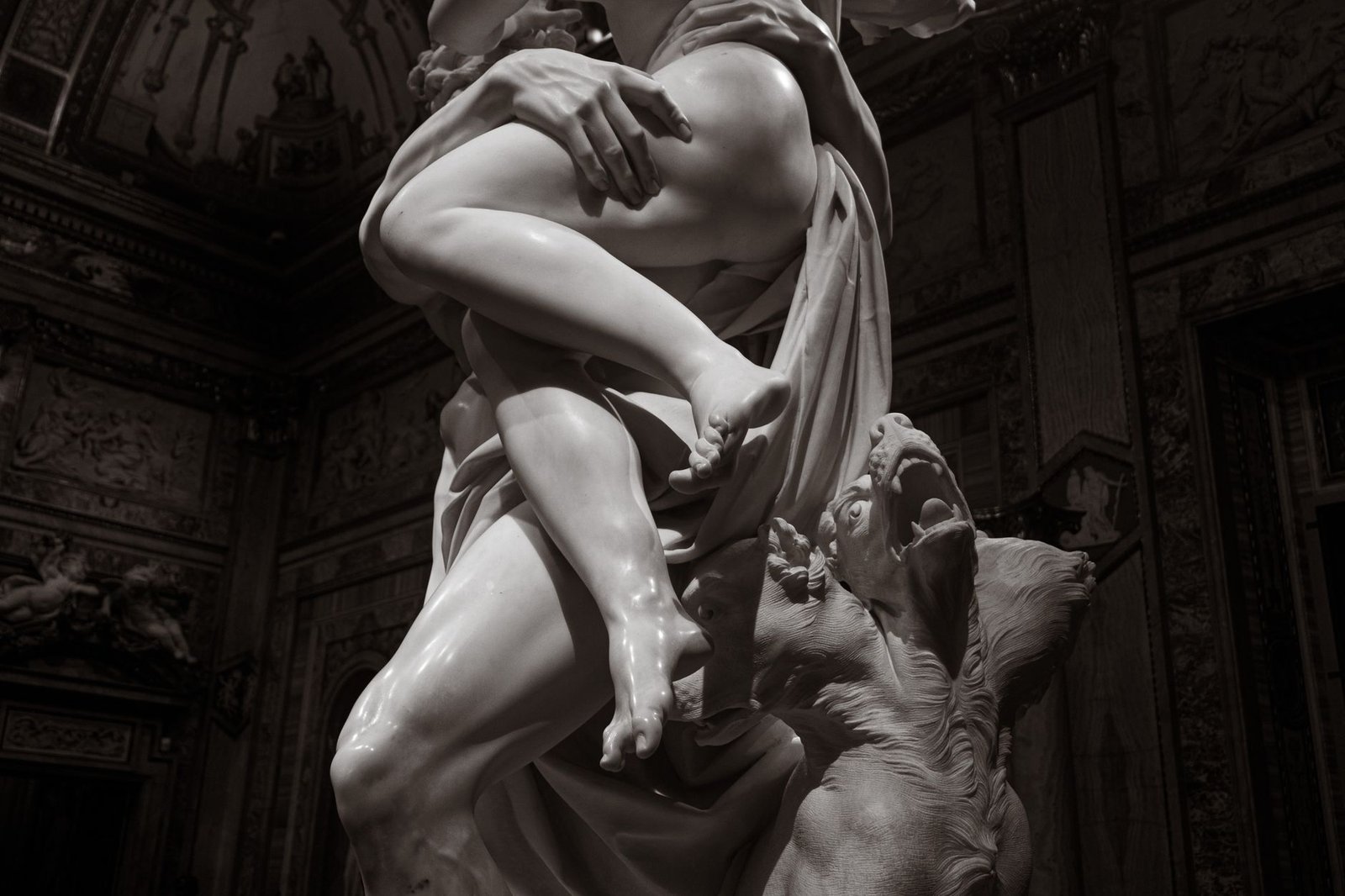
The Rape of Lucretia: Meaning, Summary, and Significance
The Rape of Lucretia is a foundational Roman narrative of sexual violation, public shame, and political rupture, centered on the noblewoman Lucretia and Sextus Tarquinius, son of Rome’s last king. Revered in Roman memory as the catalyst for the overthrow of the monarchy, the story continues to shape discussions of power, gender, and the origins of the Roman Republic.

Horatius at the Bridge: Roman Legend and Heroic Defense
Horatius at the Bridge recounts the celebrated defense of Rome’s Pons Sublicius, when Publius Horatius Cocles and two companions resisted Lars Porsena’s advancing Etruscan forces long enough for the Romans to destroy the crossing. Blending history and legend, the episode reveals how a single act of sacrifice became a durable Roman model of courage, civic duty, and patriotic memory.
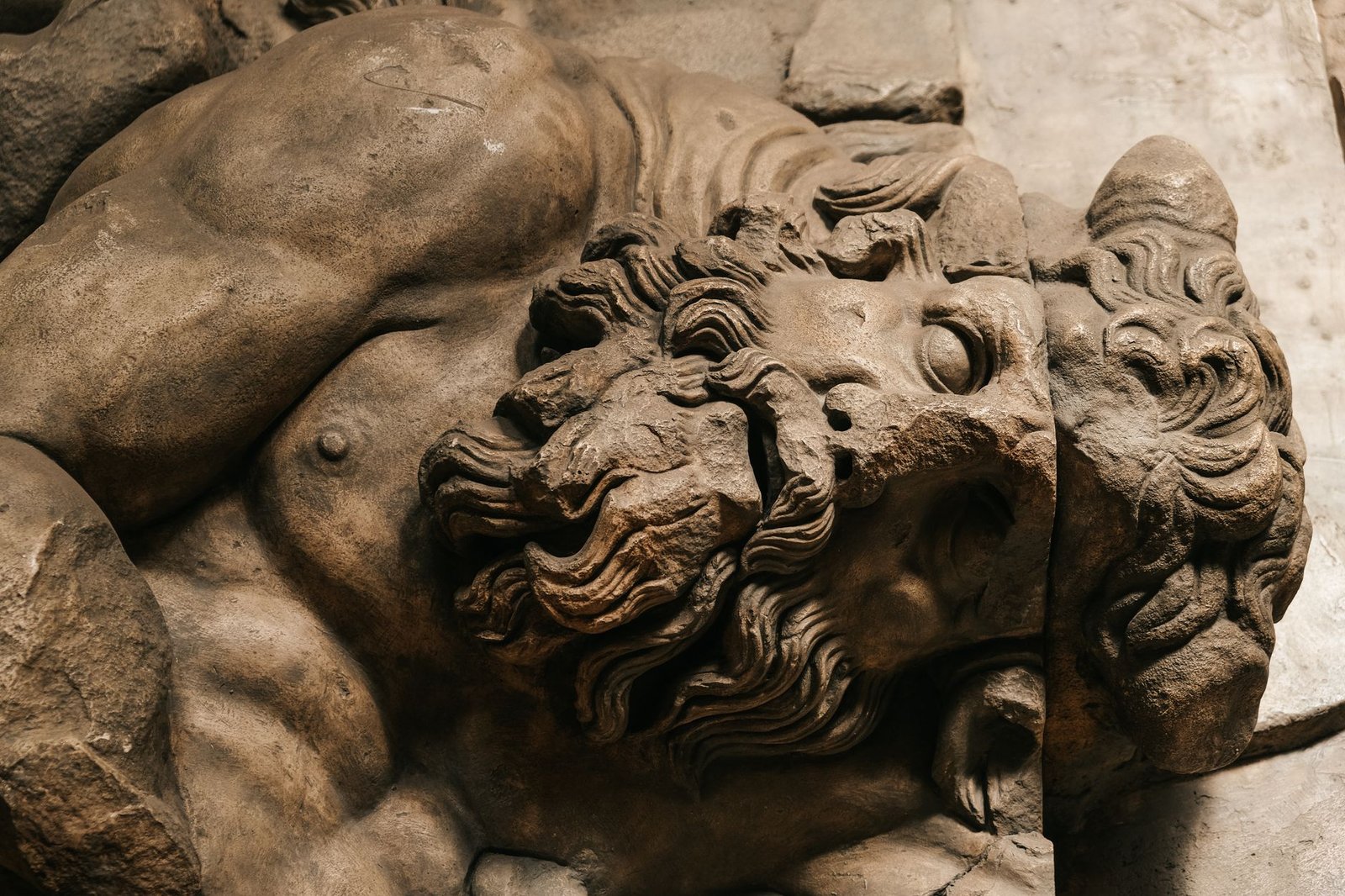
Mucius Scaevola and the Burning Hand: Roman Legend
Mucius Scaevola and the Burning Hand recounts the legendary Roman nobleman who infiltrated the camp of Lars Porsenna, failed in his assassination attempt, and then proved his resolve by holding his right hand in fire without crying out. Blending history and moral exemplum, the story explains the origin of the name Scaevola and reveals why Romans celebrated it as a lasting symbol of courage, patriotism, and self-command.

Coriolanus’s Betrayal and Return: Historical Overview
Coriolanuss Betrayal and Return recounts the Roman commander Gaius Marcius Coriolanus, exiled by his own city, who joins the Volscians and threatens Rome before yielding to the pleas of his mother, Volumnia. Blending political conflict, filial duty, and the dangers of pride, the episode has shaped classical moral thought and inspired enduring interpretations in literature and drama.

Cincinnatus and the Plow: Roman Legend and Meaning
Cincinnatus and the Plow recounts the Roman tradition of Lucius Quinctius Cincinnatus, summoned from farm work to accept emergency power, restore order, and then relinquish authority. More than a legend of military success, it became a lasting symbol of Roman civic virtue, inviting readers to consider how history turned a farmer-dictator into an enduring political ideal.