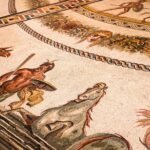
Asclepius

Serpent of Aesculapius Arrival in Rome: History and Legend
The Serpent of Aesculapiuss Arrival in Rome recounts how, amid a plague in 293 BCE, Roman leaders consulted divine texts and sent envoys to Epidaurus to obtain the healing god Aesculapius. When a sacred serpent reportedly returned with them and disembarked on the Tiber Island, the episode helped establish a lasting cult, linking Greek religion, public health, and Rome’s sacred landscape.

Staff of Asclepius: Meaning, Symbolism, and History
The Staff of Asclepius, a single serpent entwined around a wooden staff, is the ancient Greek emblem of healing, medicine, and the god Asclepius. Tracing its origins through temple worship, ritual practice, and later medical adoption, the symbol reveals a rich history often overshadowed by confusion with the caduceus.

Caduceus vs Staff of Asclepius: Meaning and Differences
The **Caduceus vs Staff of Asclepius** distinction is a classic case of symbol confusion: one belongs to Hermes, the messenger and patron of commerce, while the other is the ancient emblem of healing linked to Asclepius. Exploring their origins, imagery, and later misuse reveals how a single visual detail can reshape meanings across medicine, mythology, and modern culture.