cornucopia

Rudder of Fortuna: Meaning, History, and Symbolism
The Rudder of Fortuna is a classical symbol linked to the Roman goddess of fortune, portraying her as the power that steers human affairs toward prosperity, hardship, or sudden change. Often shown with a cornucopia or wheel, this image reveals how ancient writers and artists understood fate as both guiding and unstable, inviting closer study of its lasting influence.

Cornucopia of Abundance: Meaning, Symbolism, and History
The Cornucopia of Abundance, or horn of plenty, is an enduring symbol of prosperity rooted in Greek and Roman myth, where overflowing fruit and grain signified divine favor, fertility, and harvest wealth. Its long history in art, coinage, and emblematic tradition reveals how a single image came to embody the idea of plenty across centuries and cultures.
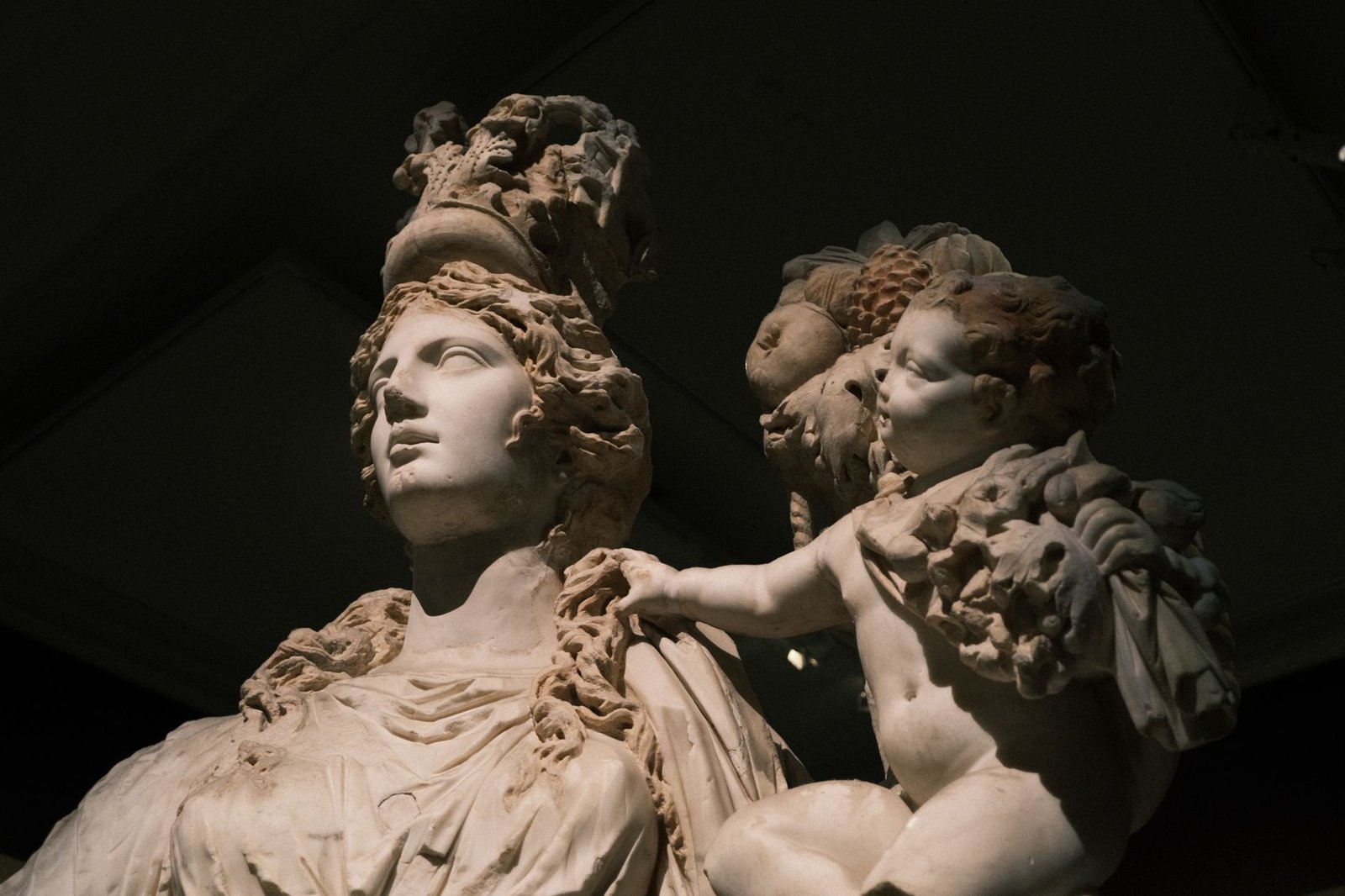
Fortuna: Roman Goddess of Luck and Fortune
Fortuna, the Roman goddess of chance and the unpredictable turns of life, stood at the center of ancient ideas about luck, power, and uncertainty. Revered in temples, politics, and literature, she embodied both prosperity and sudden loss, and her symbols and myths reveal why her influence endured long after Rome.
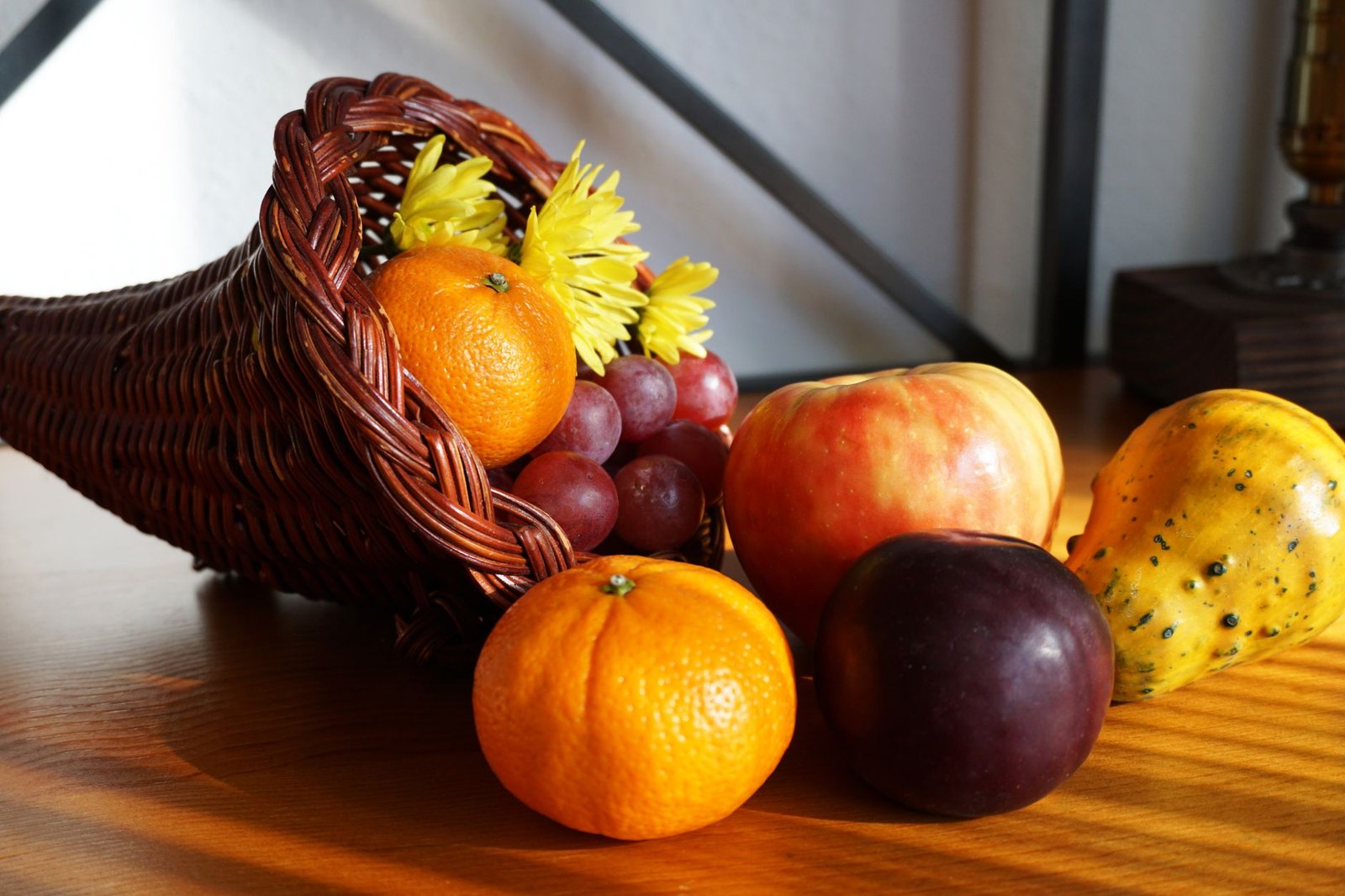
Cornucopia: Meaning, Symbolism, and Origins
The cornucopia, or horn of plenty, is a lasting symbol of abundance, fertility, and prosperity rooted in Greek and Roman myth. This article traces its ancient origins, evolving meanings, and enduring presence in art, festivals, and civic imagery, revealing why the cornucopia remains one of the most recognizable emblems of seasonal bounty.