divine symbols

Caduceus of Mercury: Meaning, Symbol, and History
The caduceus of Mercury is a herald’s staff entwined with two serpents, often crowned by wings, and in classical mythology it signified messengership, safe conduct, negotiation, and practical intelligence. Though frequently mistaken for the symbol of healing, its history is distinct from the Rod of Asclepius, and its long artistic and cultural afterlife reveals why this ancient emblem still invites careful study.

Girdle of Venus: Meaning, History, and Symbolism
The Girdle of Venus is the mythic sash associated with Venus and Aphrodite, described in ancient literature as a source of desire, persuasion, and irresistible charm. From Homer’s *Iliad* to later art and poetry, it reveals how classical myth linked beauty with magical power and enduring cultural symbolism.
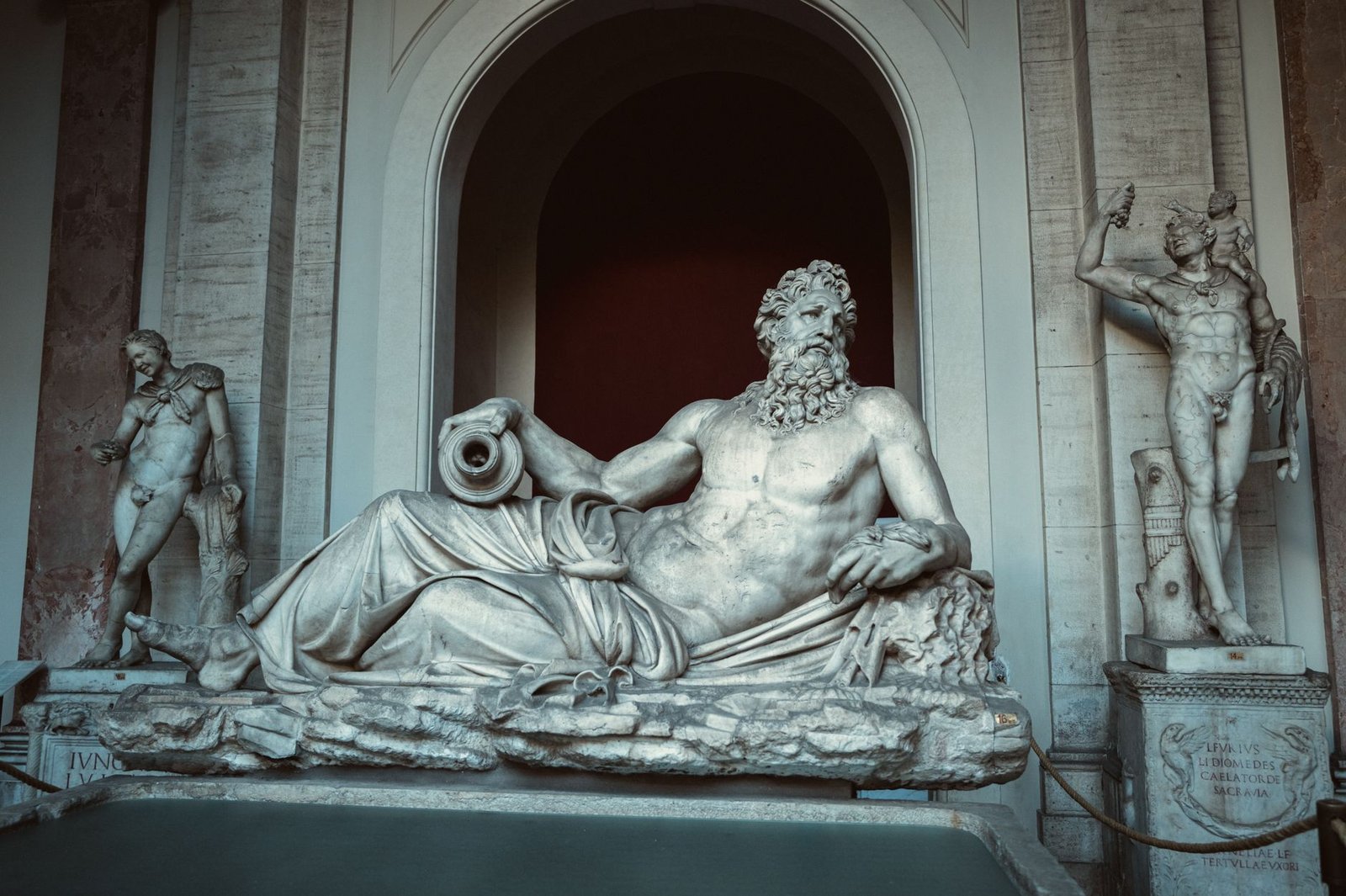
Roman vs Greek Gods: Key Differences Explained
The difference between Roman and Greek gods lies not only in their names but also in the religions that shaped them, from Greek city-state traditions to Rome’s highly organized civic cult. Although many deities were closely matched, their origins, functions, and cultural meanings reveal important distinctions that continue to intrigue historians and readers alike.