fairy mound
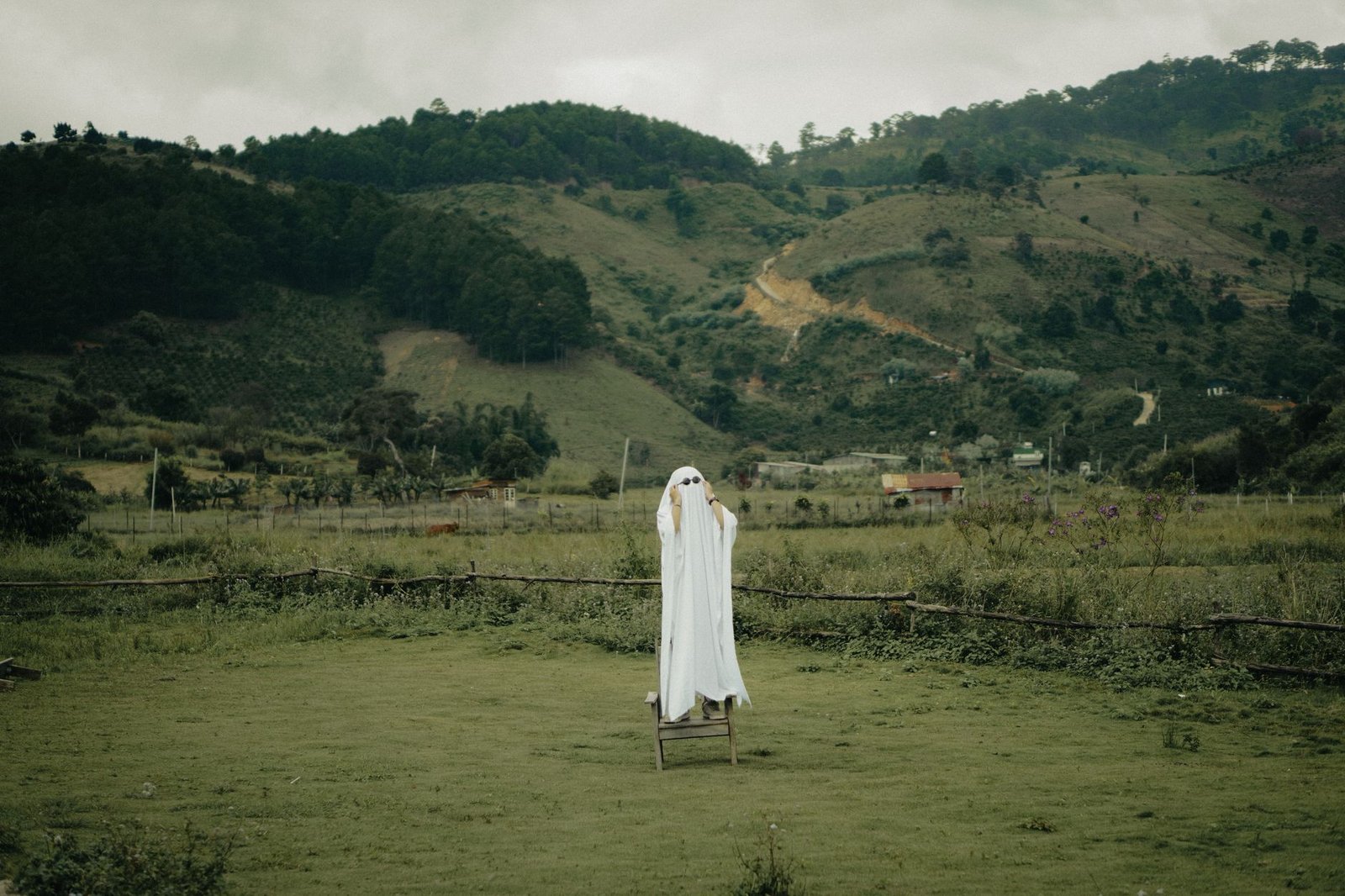
Banshee: Meaning, Origins, and Irish Folklore
The banshee is a central figure in Irish folklore, a female spirit whose lament is said to foretell death within a family. Tracing her origins in the Gaelic bean sídhe and the wider world of the sídhe, this article explores how tradition, belief, and later storytelling shaped her enduring presence.

Cú Sídhe: Irish Fairy Dog in Celtic Folklore
Cú Sídhe is a feared figure in Irish and wider Gaelic folklore, a supernatural hound of the Aos Sí that appears as both guardian and omen. Described as an uncanny fairy dog tied to the otherworld, its stories reveal how sound, landscape, and death were woven into Celtic belief—and why the creature still captivates readers today.
Banshee vs Dullahan: Irish Mythology Differences
The **banshee vs dullahan** comparison reveals two distinct Irish folklore figures: one a mourning spirit whose cry warns of death, the other a headless rider who seems to bring death itself. Exploring their origins, forms, and cultural meanings shows how Irish tradition uses supernatural messengers to reflect memory, fate, and the fragile boundary between life and the Otherworld.