funerary beliefs
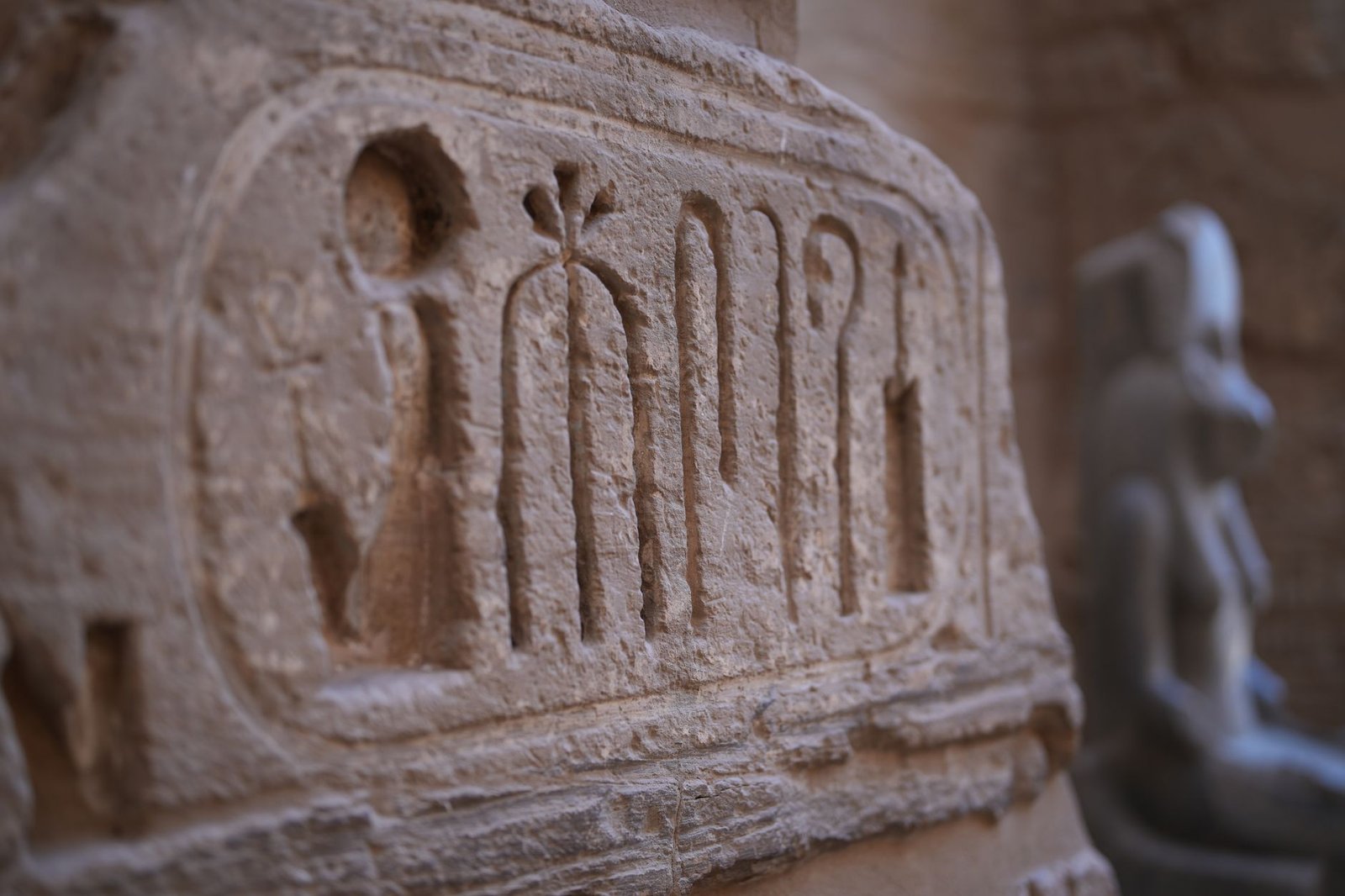
What Is a Cartouche in Egyptian Mythology?
A cartouche in Egyptian mythology is not a deity or magical relic, but an oval hieroglyphic frame used to enclose royal names and express ideas of protection, legitimacy, and eternity. Understanding what is a cartouche in Egyptian mythology reveals how ancient Egyptians linked writing, divine kingship, and the enduring power of a name.
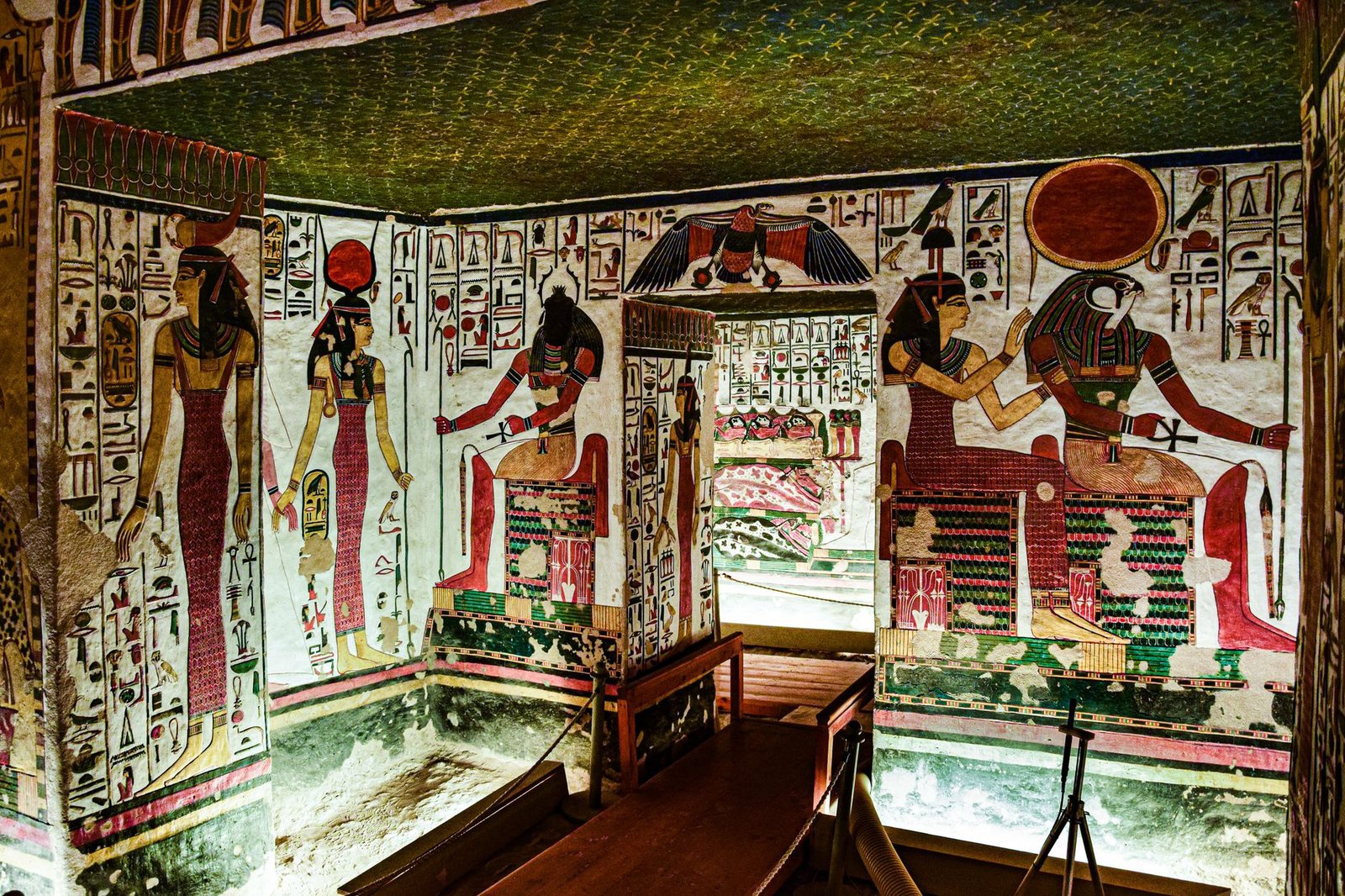
Who Is Nephthys in Egyptian Mythology? Role and Meaning
Who is Nephthys in Egyptian mythology? She is an important goddess of death, protection, and mourning, a member of the Heliopolitan Ennead whose presence shaped funerary belief and temple theology for centuries. Though often overshadowed by Isis and Osiris, her role in Egyptian myth reveals how ancient Egyptians understood the fragile boundary between life, death, and cosmic order.
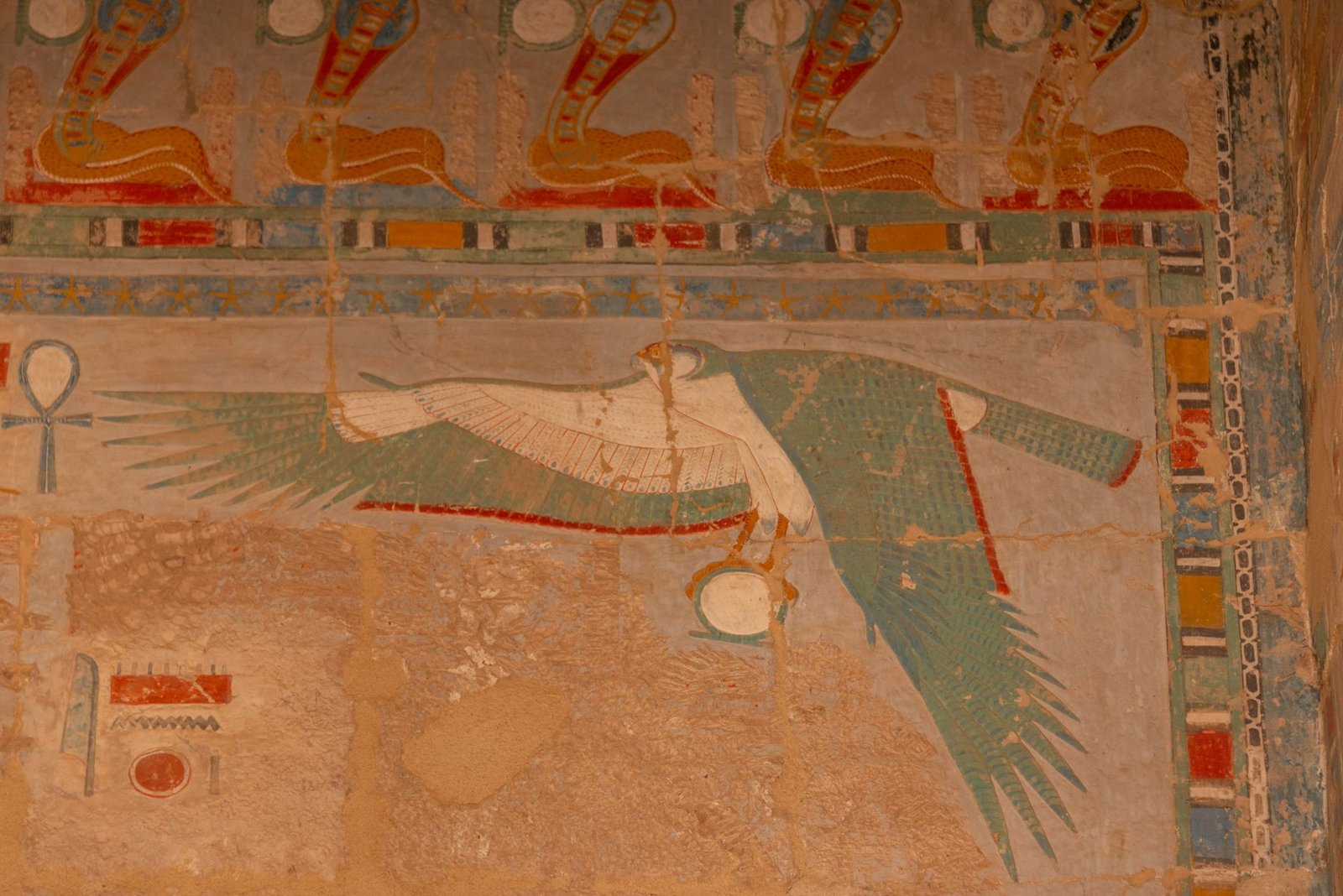
Serqet in Egyptian Mythology: Who Was the Goddess?
Who is Serqet in Egyptian mythology? She is the protective scorpion goddess of ancient Egypt, associated with venom, healing, magic, and the safeguarding of the dead, especially in funerary rites and the protection of canopic jars. Her story reveals how Egyptians understood dangerous forces not only as threats, but as powers that could be mastered and turned to defense.
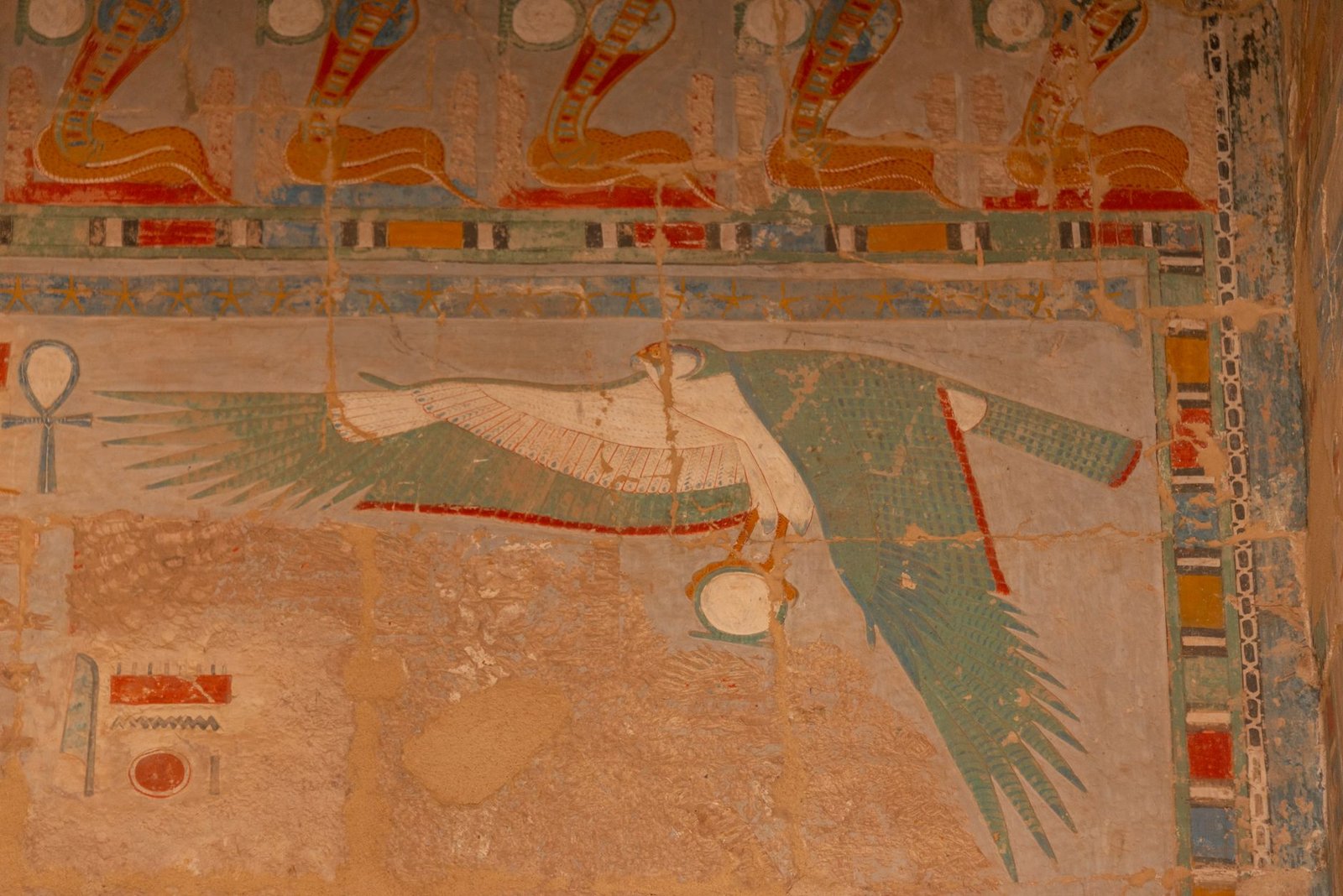
Who Is Meretseger in Egyptian Mythology?
Meretseger in Egyptian mythology was the local goddess of the Theban necropolis, revered as “She Who Loves Silence” and feared as a guardian of tombs and sacred desert spaces. This excerpt explores her origins at Deir el-Medina, her role in punishing wrongdoing and granting healing, and why her cult reveals the close link between landscape, morality, and the dead in ancient Egypt.
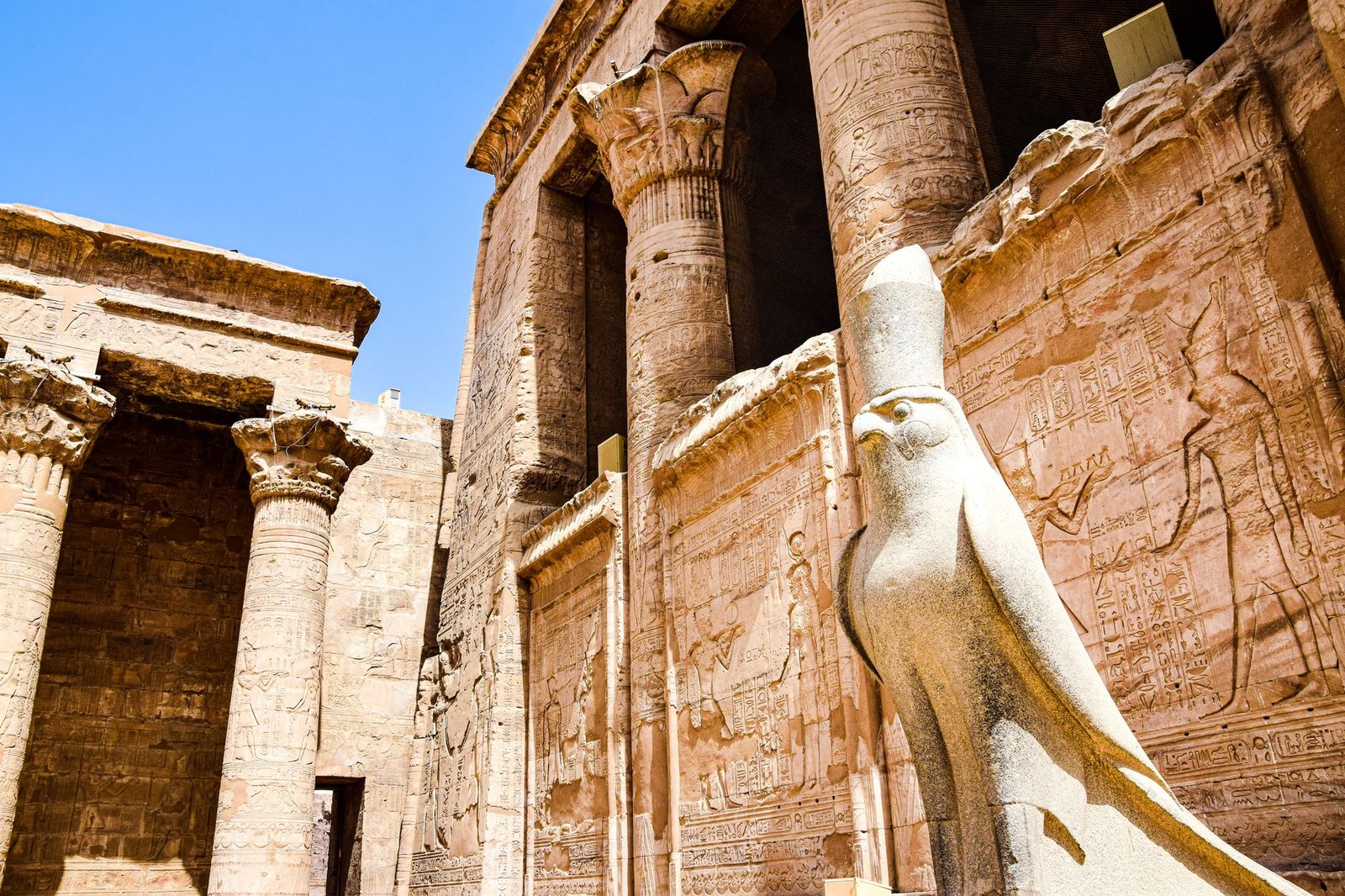
Who Are the Four Sons of Horus in Egyptian Mythology?
The four sons of Horus in Egyptian mythology—Imsety, Hapy, Duamutef, and Qebehsenuef—were protective deities closely tied to burial rites, canopic jars, and the preservation of the dead. Their roles reveal how ancient Egyptians connected bodily protection, divine guardianship, and the hope of rebirth, making them essential figures in funerary religion.
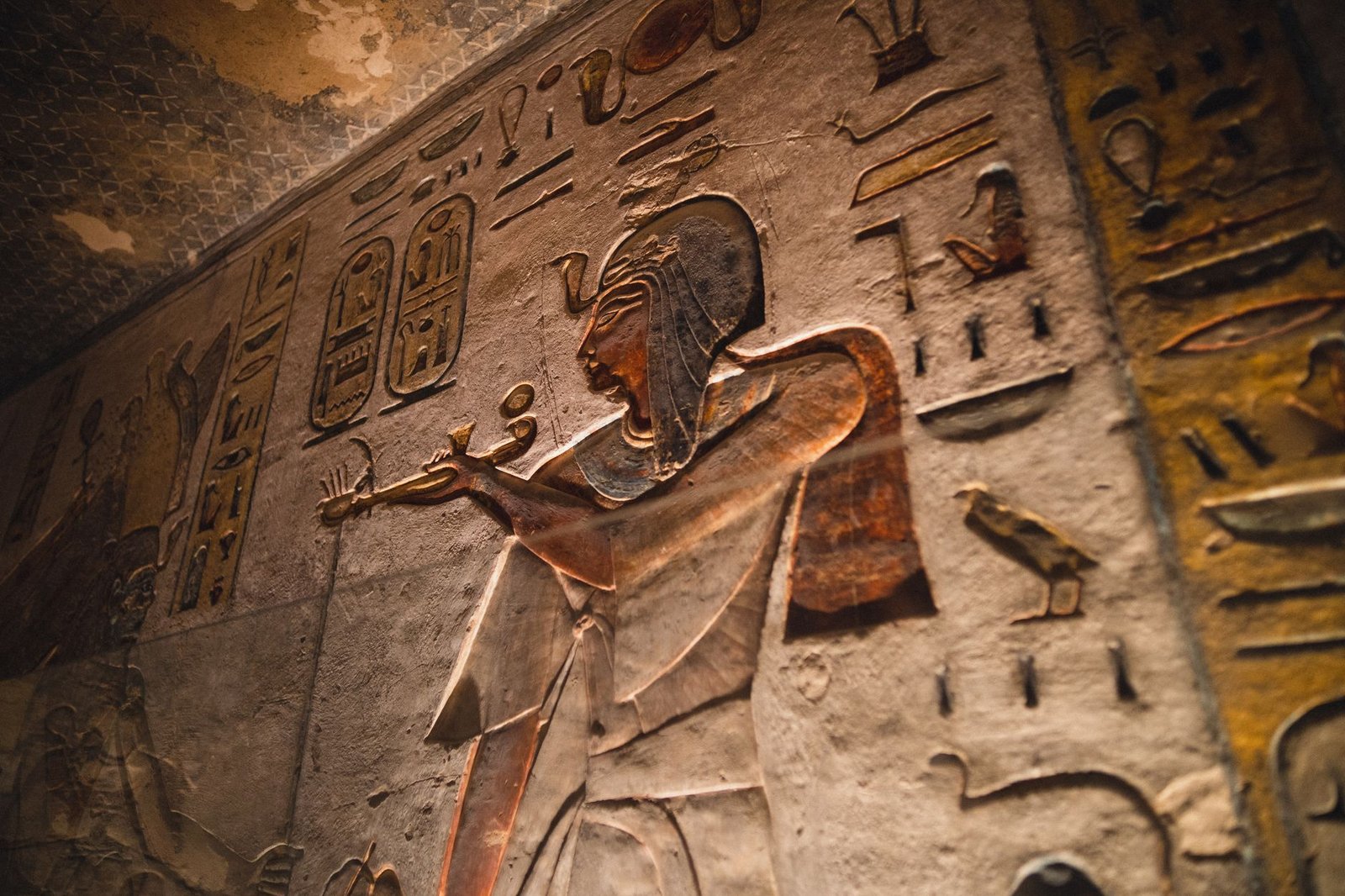
Why Do Egyptian Gods Have Animal Heads? Explained
Why do Egyptian gods have animal heads? Ancient Egyptian religion used animal-headed forms to express divine powers, natural forces, and ideal qualities through symbols drawn from everyday life and the Nile world. This article explains how these images developed, what animals like falcons and jackals represented, and why they remain central to understanding Egyptian beliefs.