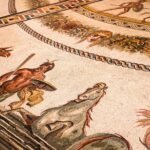
Greco-Roman religion

Sacred Raven: Meaning, Symbolism, and Cultural Significance
The sacred raven is a cross-cultural symbol whose meanings range from creation and prophecy to war, memory, and transformation, appearing in traditions from Northern Europe to the Pacific Northwest. Exploring its many forms reveals how one bird became a messenger, trickster, omen-bearer, and guide between worlds.

Fauns vs Satyrs: Differences, Origins, and Mythology
Fauns vs Satyrs examines two closely related figures in Greco-Roman mythology: rustic, half-human woodland beings tied to fertility, music, wine, and untamed nature. Although their images and roles often overlap, satyrs are chiefly Greek companions of Dionysus, while fauns arise from Roman tradition and were later conflated with them, revealing how ancient cultures shaped ideas of wild divinity.

Thunderbolt of Jupiter: Meaning, Mythology, and Symbolism
The Thunderbolt of Jupiter is a central symbol of Greco-Roman religion, linking Rome’s chief god to lightning, storms, divine judgment, and sovereign power. Exploring its origins, meanings, and artistic representations reveals how this celestial weapon came to embody both destructive force and the authority of the heavens.