Imperial Regalia of Japan

Susanoo’s Exile and the Slaying of Yamata no Orochi
Susanoo’s exile and the slaying of Yamata no Orochi form a landmark episode in Japanese mythology, recounting how the storm god, cast out from heaven, encounters a terrifying eight-forked serpent. The tale explains the origin of Kusanagi-no-Tsurugi, reveals Susanoo’s shifting role as both offender and hero, and opens onto the ritual and imperial meanings that surround the story.
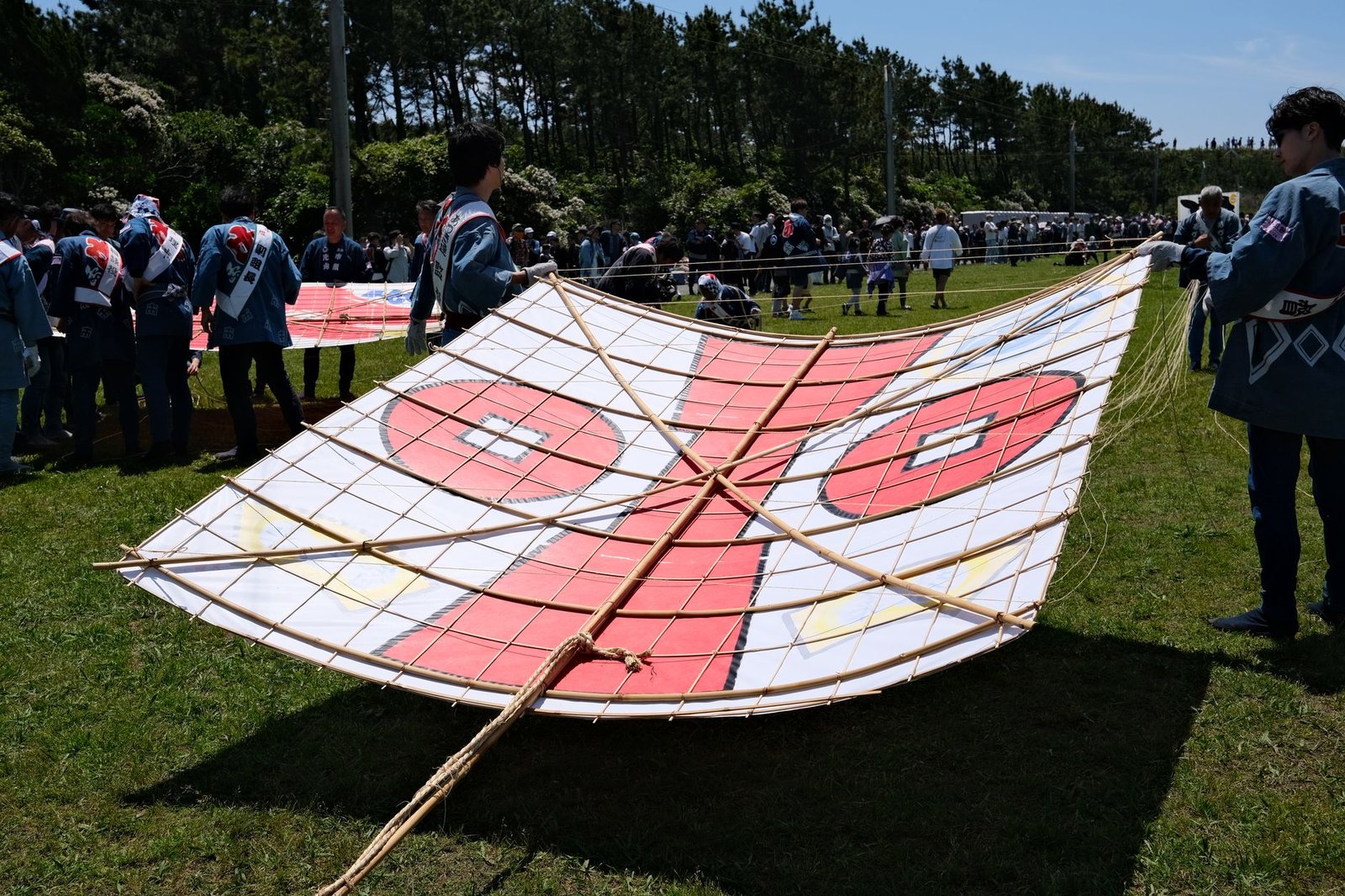
Yata No Kagami: The Sacred Mirror of Japanese Mythology
Yata no Kagami, the Sacred Mirror of Japanese mythology, is one of Japan’s three Imperial Regalia and a central symbol in the story of Amaterasu, the sun goddess and divine ancestor of the imperial line. Revered as an emblem of truth, wisdom, and legitimacy, it remains shrouded in secrecy, inviting closer study of its mythic origins, ritual role, and enduring political significance.
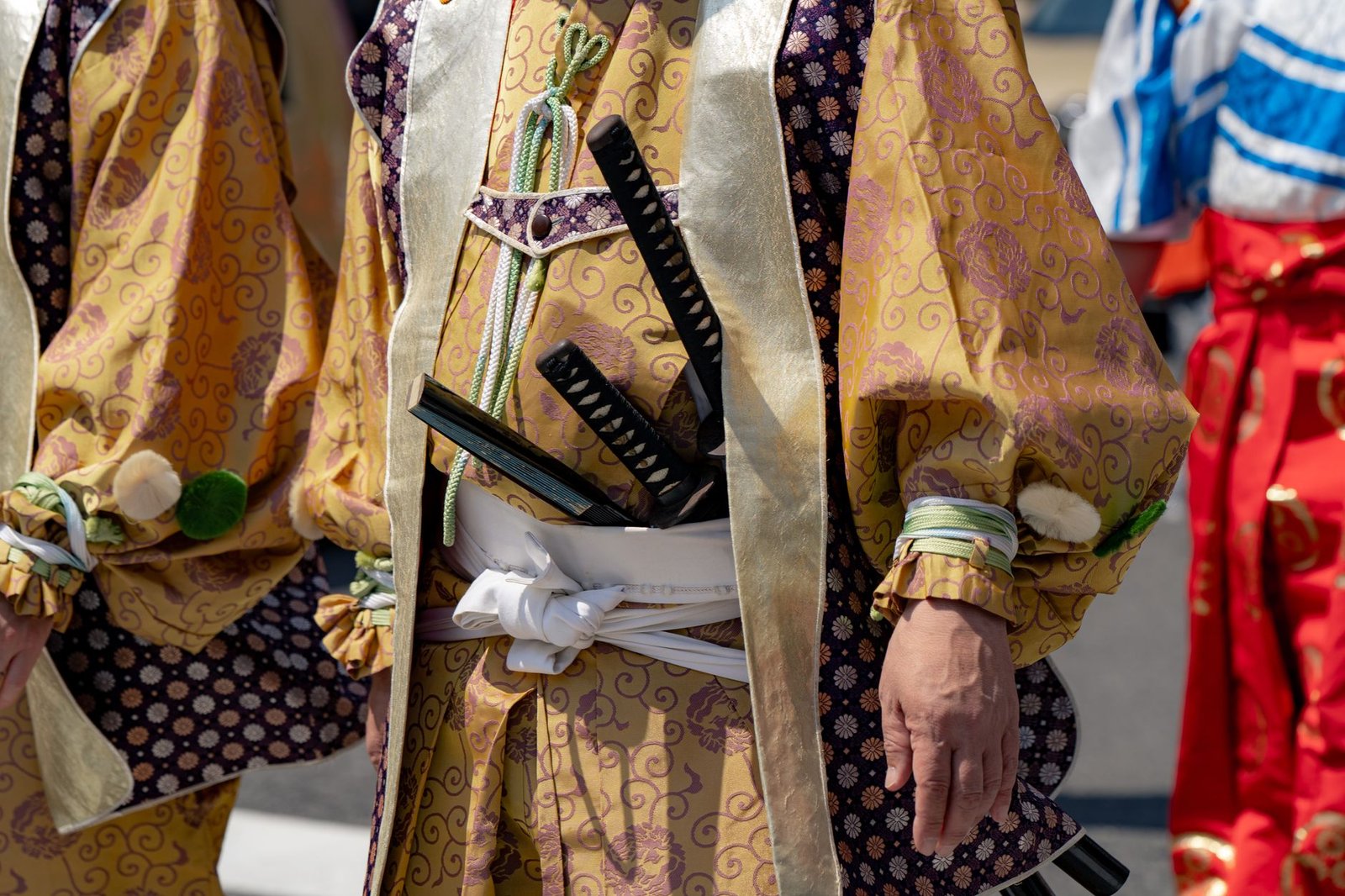
Kusanagi No Tsurugi: The Sacred Sword of Japan
Kusanagi no Tsurugi, the sacred sword of Japanese tradition, is one of the Three Imperial Regalia and a powerful symbol of imperial legitimacy, divine favor, and the continuity of the throne. Rooted in myths of Susanoo, Yamato Takeru, and Amaterasu, its story blends ritual, politics, and legend, inviting closer examination of how a hidden object can shape national identity.