love and desire

Girdle of Venus: Meaning, History, and Symbolism
The Girdle of Venus is the mythic sash associated with Venus and Aphrodite, described in ancient literature as a source of desire, persuasion, and irresistible charm. From Homer’s *Iliad* to later art and poetry, it reveals how classical myth linked beauty with magical power and enduring cultural symbolism.
Bow and Arrows of Cupid: Symbolism and Mythology
The bow and arrows of Cupid, first shaped in classical Greek and Roman tradition, symbolize love as a force that strikes suddenly, alters desire, and can bring both delight and suffering. Tracing their origins in the figure of Eros and their enduring presence in art and literature, this article explores how Cupid’s weapons came to define Western ideas of romance and its darker uncertainties.
Eros’s Bow: Meaning, Mythology, and Symbolism
Eros’s bow is a central symbol in Greek mythology, linking the god of love and desire to the sudden force of attraction. This article traces its origins, changing representations in ancient literature and art, and the lasting cultural idea that love can strike unexpectedly, like an arrow.
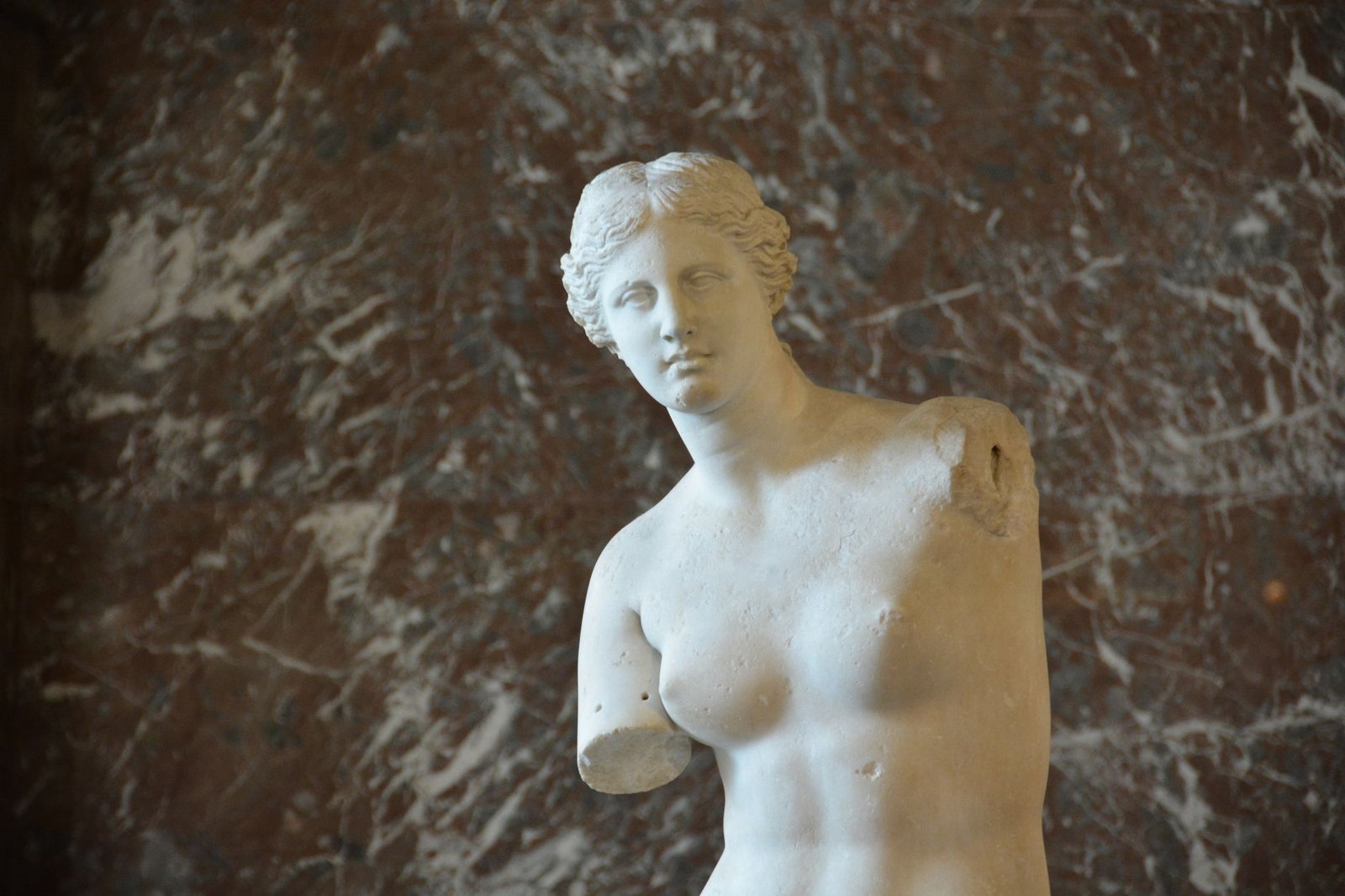
Girdle of Aphrodite: Meaning, Myth, and Symbolism
The Girdle of Aphrodite, also called the Cestus or Kestos Himas, is a celebrated object in Greek mythology, an enchanted belt said to confer irresistible charm, beauty, and desire. Best known from the *Iliad*, where Hera borrows it to influence Zeus, it embodies Aphrodite’s power over love and seduction while leaving much of its origin and symbolism open to interpretation.