Ma'at
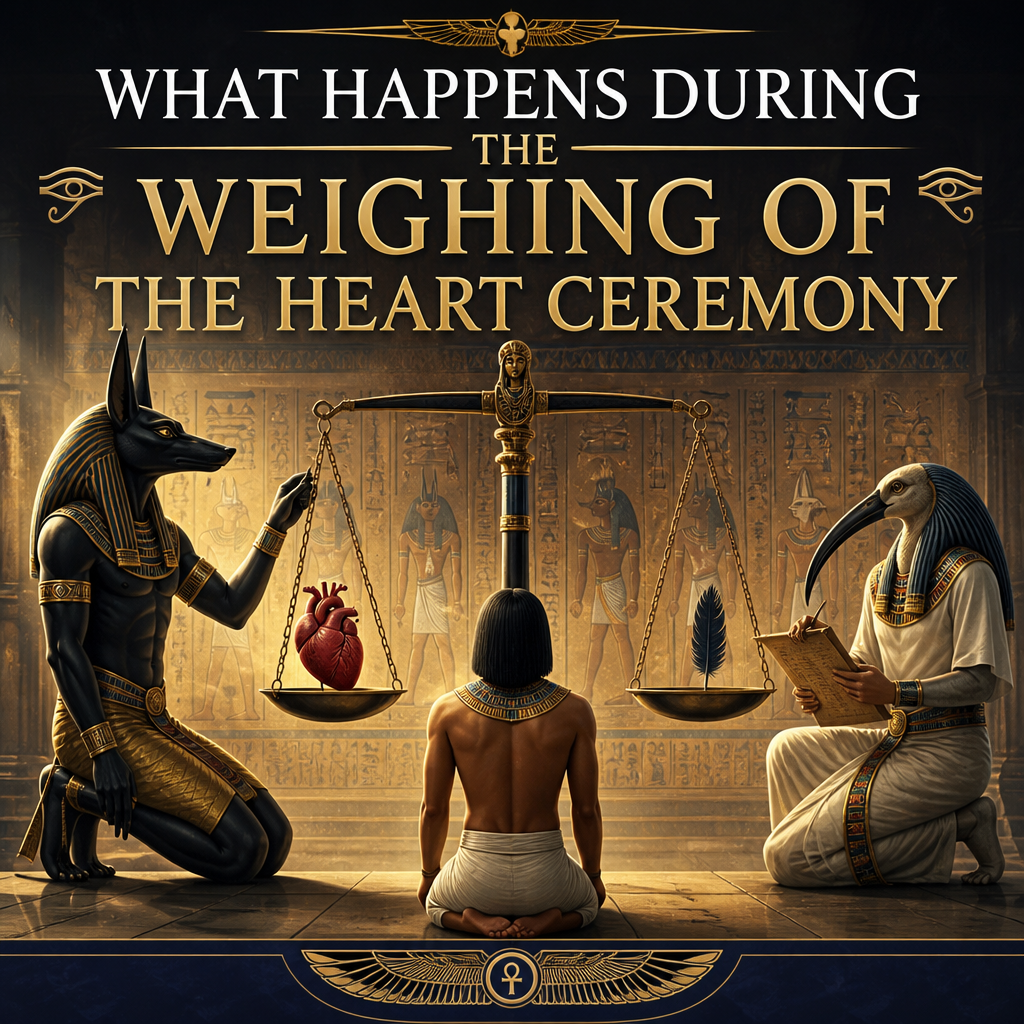
What Happens During the Weighing of the Heart Ceremony
Discover how the weighing of the heart decided a soul’s fate in ancient Egyptian mythology, revealing powerful beliefs about truth, justice, and the afterlife.
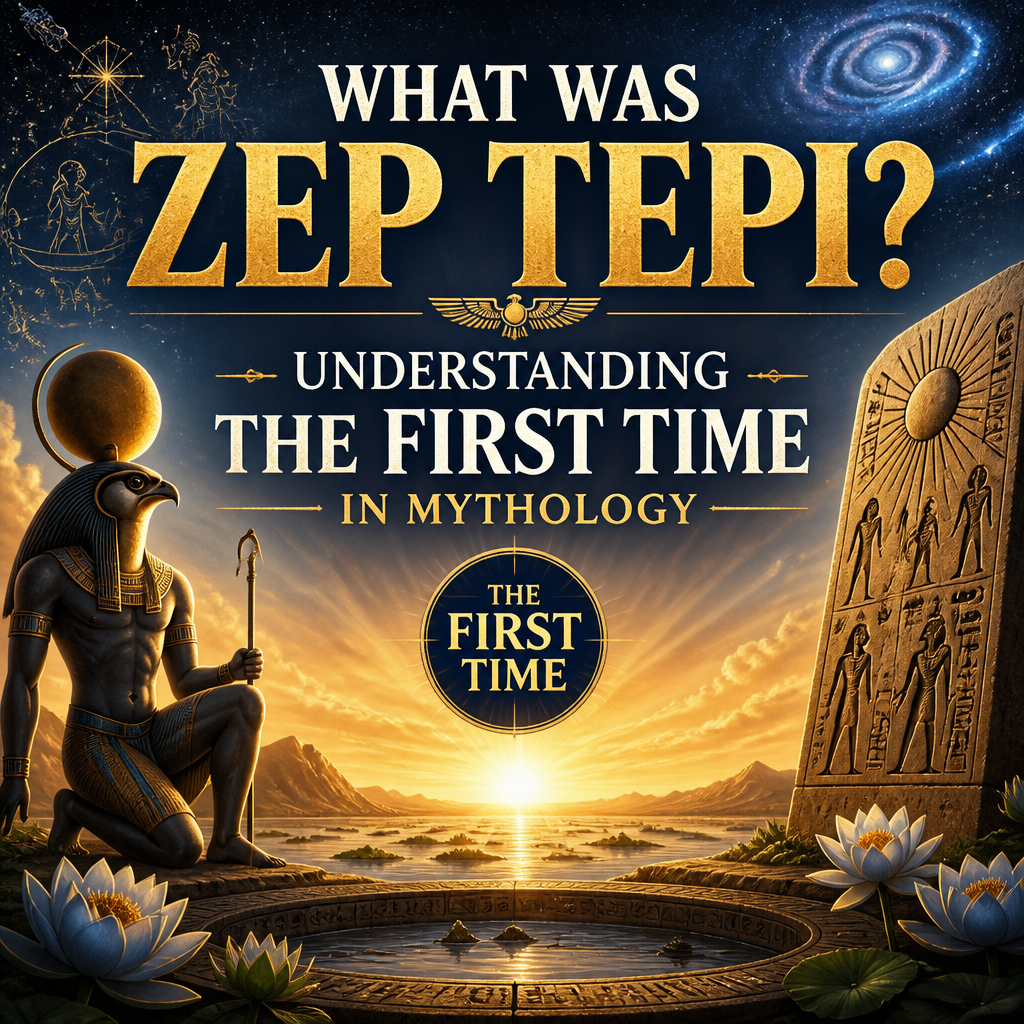
What Was Zep Tepi? Understanding The First Time in Mythology
Zep Tepi, meaning “the first time,” reveals how ancient Egyptians imagined creation as the moment divine order rose from chaos. This sacred beginning shaped their myths, rituals, kingship, and understanding of the universe.
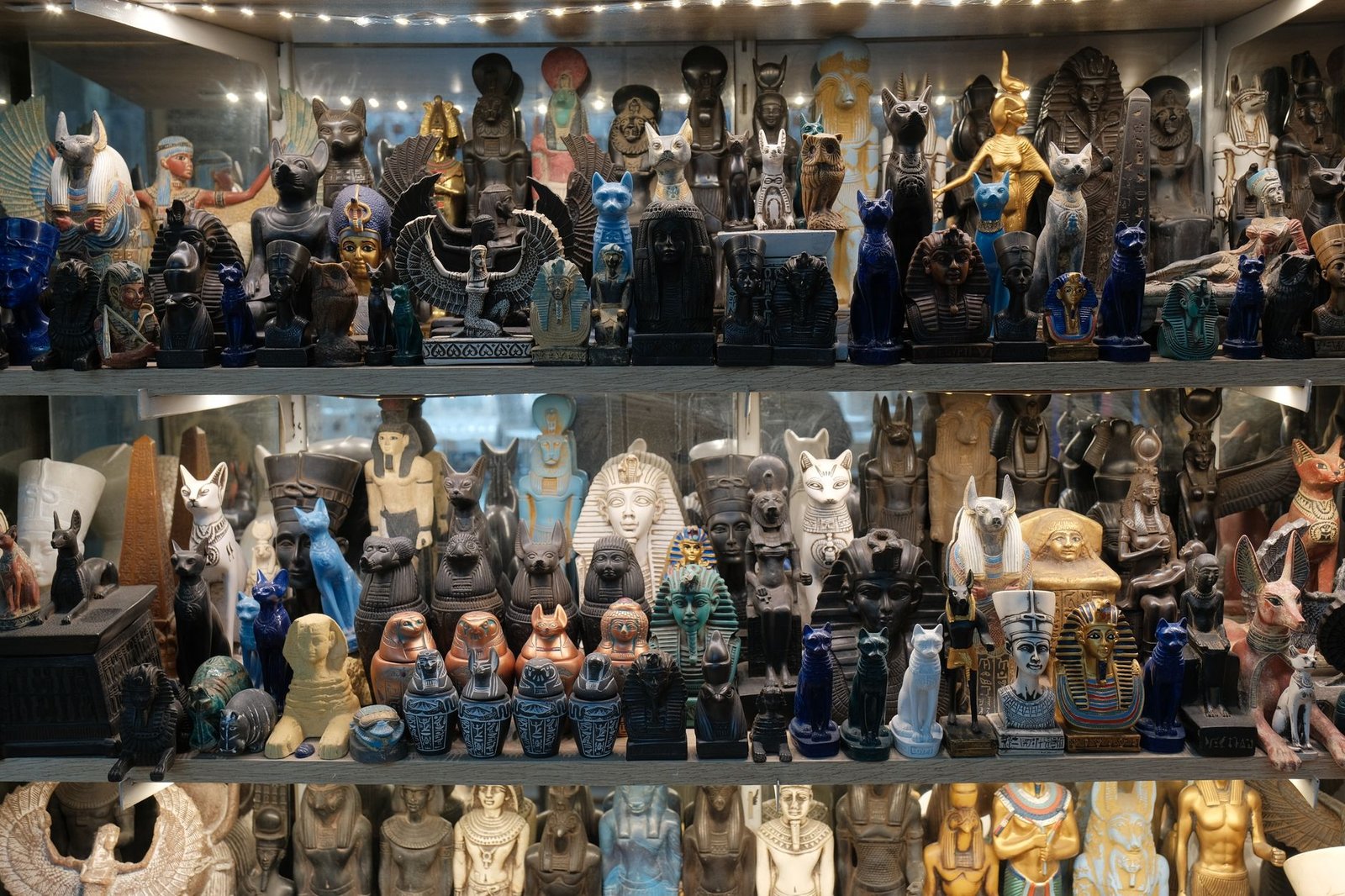
What Is the Eye of Ra in Egyptian Mythology?
The Eye of Ra in Egyptian mythology is a powerful divine force linked to the sun god Ra, embodying protection, kingship, and the ability to punish disorder. Emerging in many forms and often associated with goddesses such as Sekhmet and Hathor, it reveals how the Egyptians understood both cosmic balance and the dangerous power behind creation.
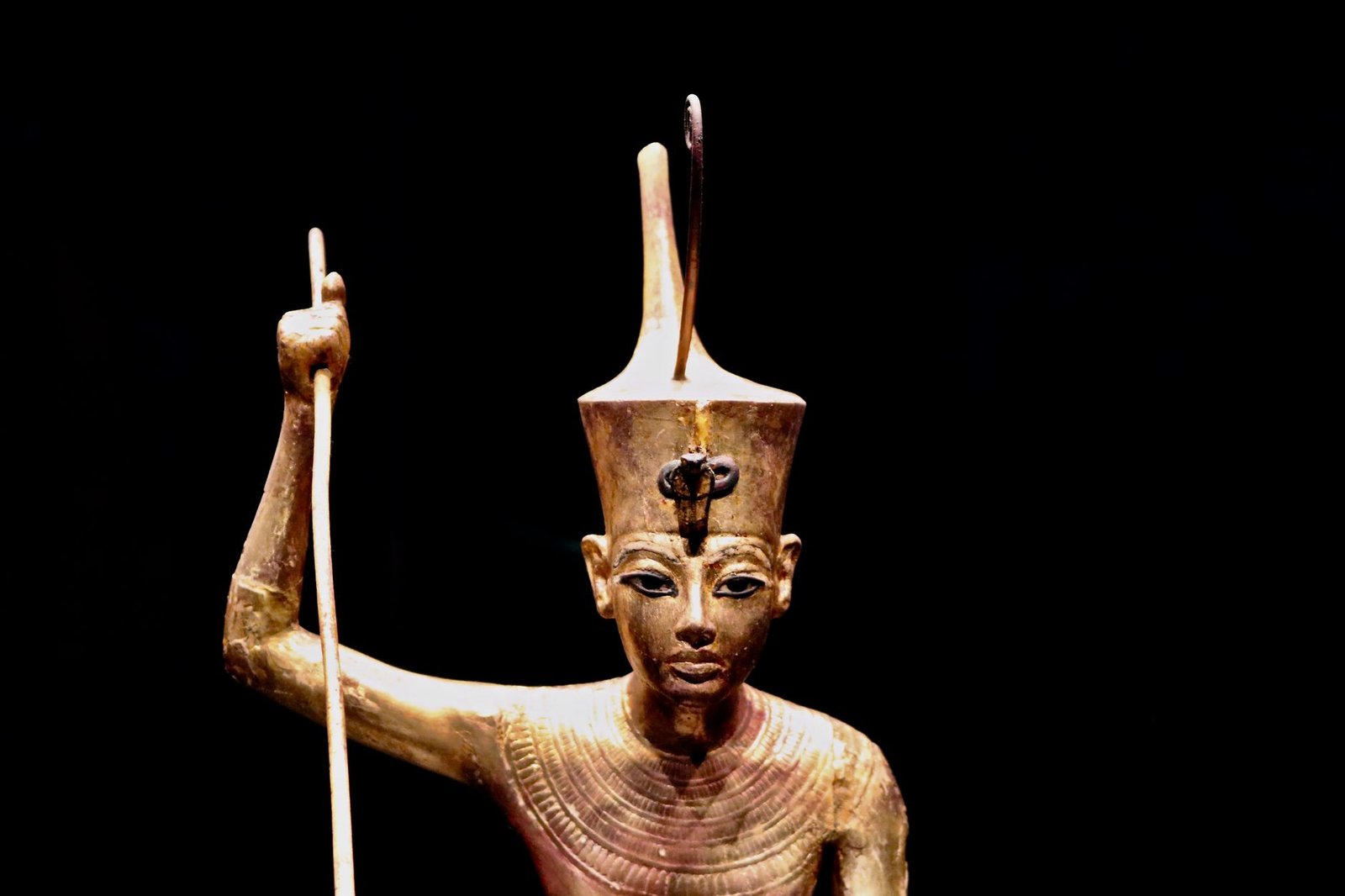
What Is the Double Crown of Egypt in Egyptian Mythology
The **double crown of Egypt** was the emblem of pharaonic rule over Upper and Lower Egypt, combining the white and red crowns into a single sign of unity, authority, and cosmic balance. In Egyptian mythology, it also reflected the king’s sacred duty to preserve *ma’at*—yet its deeper origins and symbolism reveal far more than a royal headdress.

Feather of Ma’at in Egyptian Mythology: Meaning and Symbolism
The feather of Maat in Egyptian mythology is the emblem of truth, justice, balance, and cosmic order, most often represented by an ostrich feather linked to the goddess Maat. Central to funerary belief, it played a decisive role in the judgment of the dead, where a soul’s heart was measured against it to reveal moral worth and eternal fate.